Citroën spent much of the 20th century turning French engineering into cars and vans that ordinary buyers could own. Front-wheel drive, all-steel unit bodies and self-leveling hydropneumatic suspension all show up in the five models below.
The list runs from 1934 to 1991 and covers a family sedan, a Maserati-powered grand tourer and a corrugated delivery van. Production figures come from Citroën’s own heritage release, a British marque club and enthusiast histories.
1. 1934–1957 Citroën Traction Avant
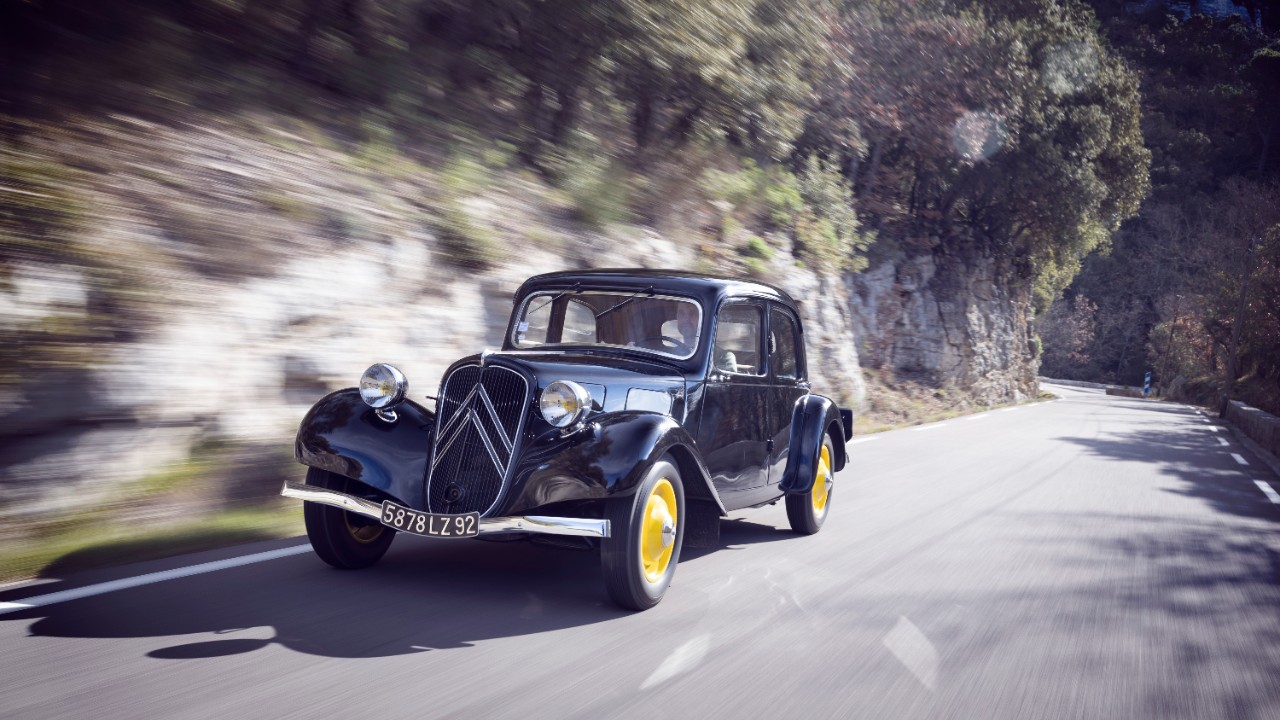
Citroën first showed this car in Paris on April 18, 1934, and simply called it the “7,” after its tax rating. Buyers later named it Traction Avant for its front-wheel drive. Underneath, it skipped the separate chassis and used an all-steel monocoque body. It also brought hydraulic brakes and torsion-bar independent suspension at all four corners.
That package earned it the nickname “the car with 100 patents,” according to Citroën’s 90th-anniversary release. Later, in May 1954, the 6 H version tried hydropneumatic rear suspension, a preview of the DS 19. By the time the last car left the Javel plant on July 25, 1957, Citroën had produced 758,948 of them across all models.
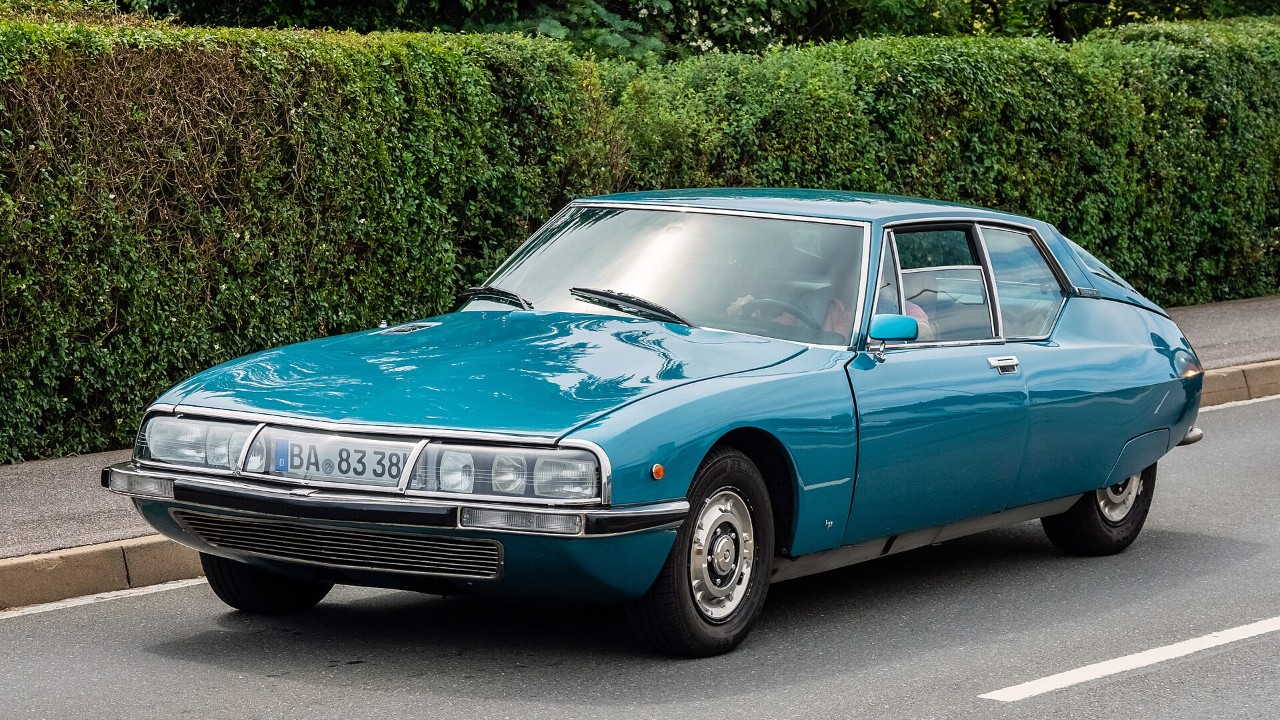
2. 1970–1975 Citroën SM, French engineering with a Maserati V6
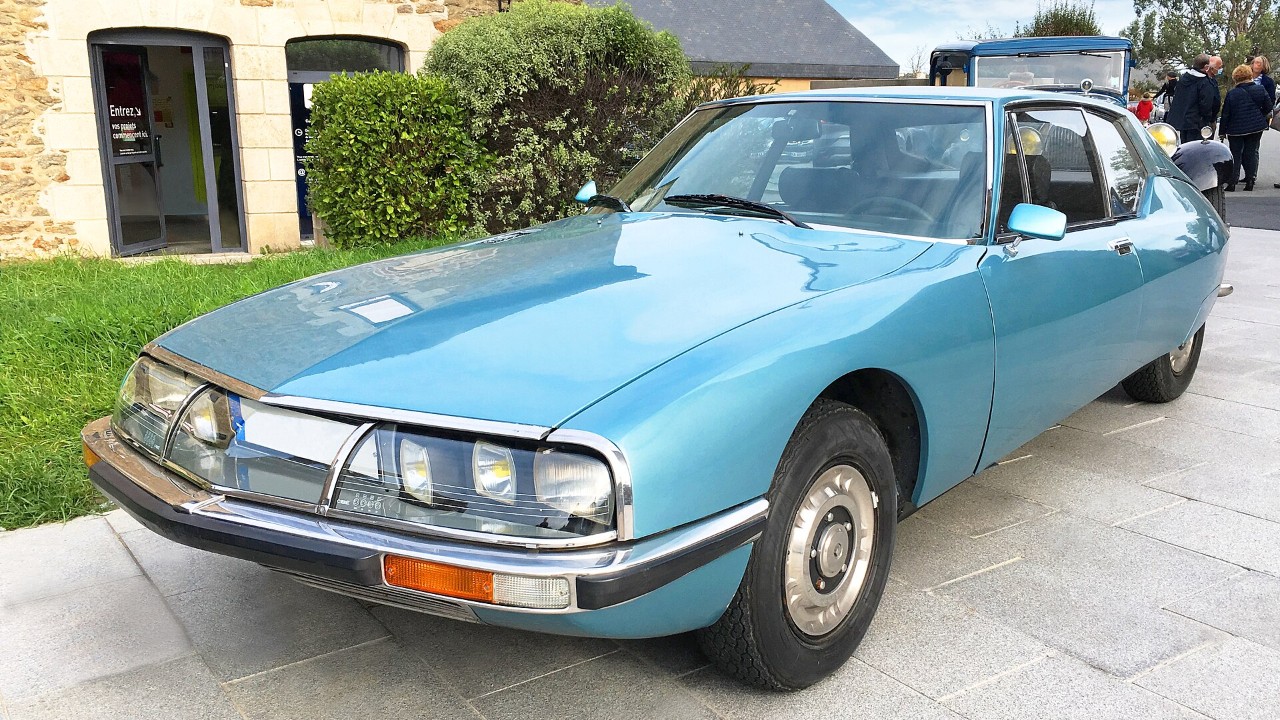
The SM began in 1961 as “Projet S,” a plan for a faster DS led by engineer Jacques Né. Managing director Pierre Bercot then steered it toward a prestige car instead. After Citroën bought Maserati in 1968, the project gained an Italian V6, and SM came to stand for “Sports Maserati.” Robert Opron shaped the body in-house.
The finished car appeared at Geneva in March 1970, according to the SM history at Citroënvie. Its 2.7-liter V6 made 170 bhp on three Weber carburetors, and a fuel-injected version reached 178 bhp from 1973. Meanwhile, a 3.0-liter engine offered 180 bhp. The variable-assist steering needed only two turns from lock to lock. Peugeot ended production in 1975 after 12,920 cars.
3. 1974–1991 Citroën CX
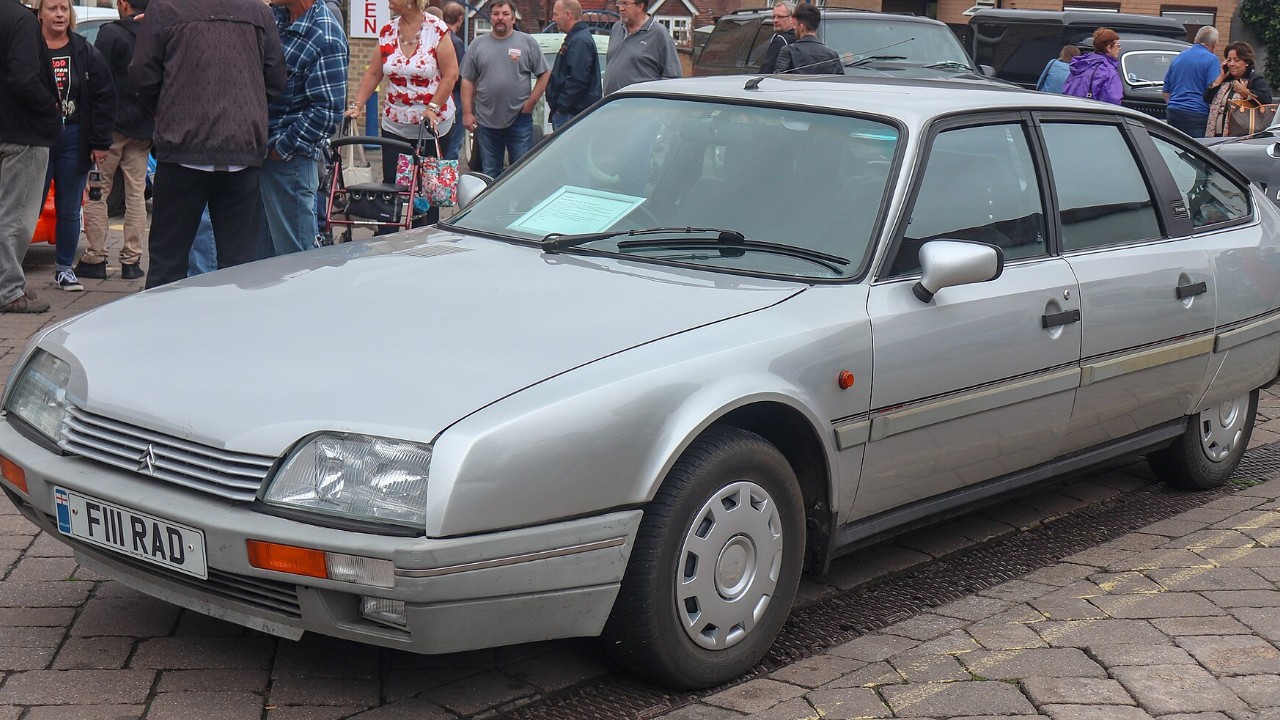
Citroën unveiled the CX on August 26, 1974, shortly after its merger with Peugeot. It succeeded both the DS and the Traction, and it kept hydropneumatic suspension and front-wheel drive. Before its Paris Motor Show debut that October, the car covered a 3,400 km test called the Raid Arctique. Inside, a lunula-shaped instrument panel also put the controls at the driver’s fingertips.
In January 1975, the CX won Car of the Year ahead of the Volkswagen Golf and Fiat 131, as Greenhous notes in its 50th-anniversary history. Later versions added a semi-automatic gearbox in 1976, fuel injection in 1977 and a 220 km/h Turbo in 1984. In fact, French authorities banned one CX GTI Turbo ad for promoting that top speed. Sedan production ended in July 1989, and Heuliez finished the last estates in 1991, for a total of 1,042,460 cars.
4. 1970–1984 Citroën GS
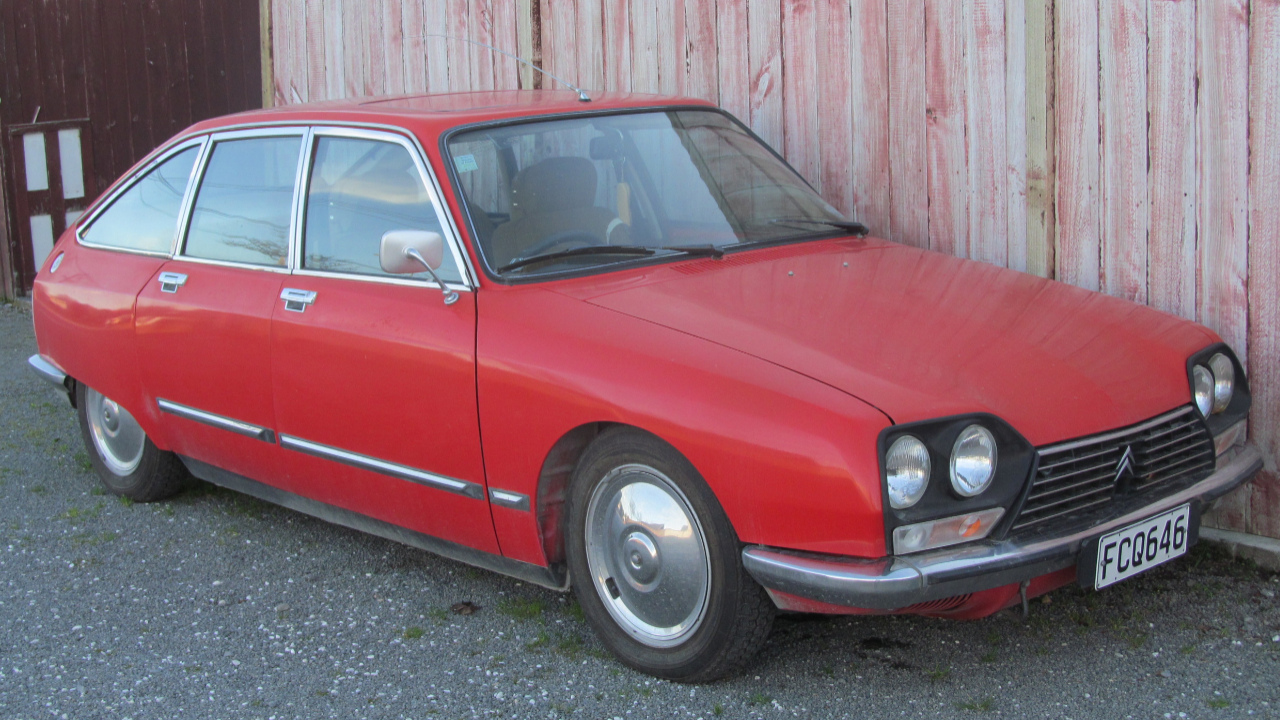
The GS arrived at the 1970 Paris Motor Show and brought big-car French engineering to a mid-size family sedan. It had hydropneumatic suspension, disc brakes on all four wheels and an all-new air-cooled flat-four engine. Its inboard front brakes cut unsprung weight. Also, centre-point steering helped keep the car stable if a tire suddenly deflated.
That combination won it Car of the Year in 1971, according to the Citroën Car Club. Then came a C-Matic semi-automatic in 1971 and the Wankel rotary Birotor in 1973. At its peak, Citroën built about 20,000 a month, and the GS became the best-selling car in France. Counting the GSA hatchback of 1979, the club puts sales at roughly 2.5 million.
5. 1947–1981 Citroën H Van
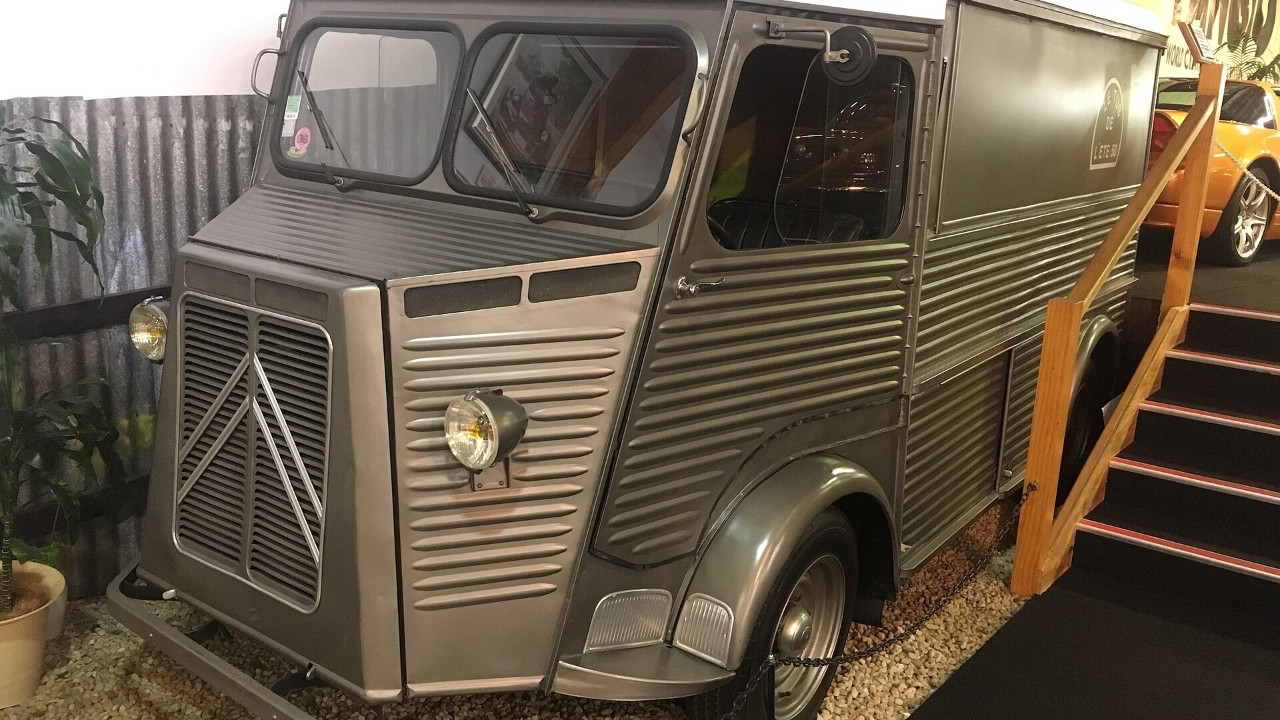
Citroën started planning the H in 1942 as a light commercial with a unitary body, front-wheel drive and independent suspension on all wheels. It borrowed the 1.9-liter engine from the Traction Avant Onze Normale, plus steering and brakes from the six-cylinder 15/6. Corrugated steel panels gave it the nickname “Le Tube.” Meanwhile, a six-foot-high load bay let workers walk through the inside.
The van debuted at the Paris Salon in October 1947, and Lancaster Insurance calls it the world’s first van with monocoque construction. However, top speed was a modest 55 mph through a three-speed gearbox. A diesel engine followed in 1961, and production finally ended in December 1981. By then, Citroën had made 473,289 H vans, mostly for core European markets.
More from Fast Lane Only