Some cars show up, grab a few headlines, and quietly fade into the background. Others were so far ahead of the curve, people didn’t know what to make of them at the time. They packed features, performance, or designs that wouldn’t be appreciated until years later—by which point, most were already gone.
This article is about those cars. The ones that broke the rules before anyone knew they could be broken. They weren’t flukes or flops—they were just too early for their own good. Let’s look at 10 machines that showed up with the future under the hood.
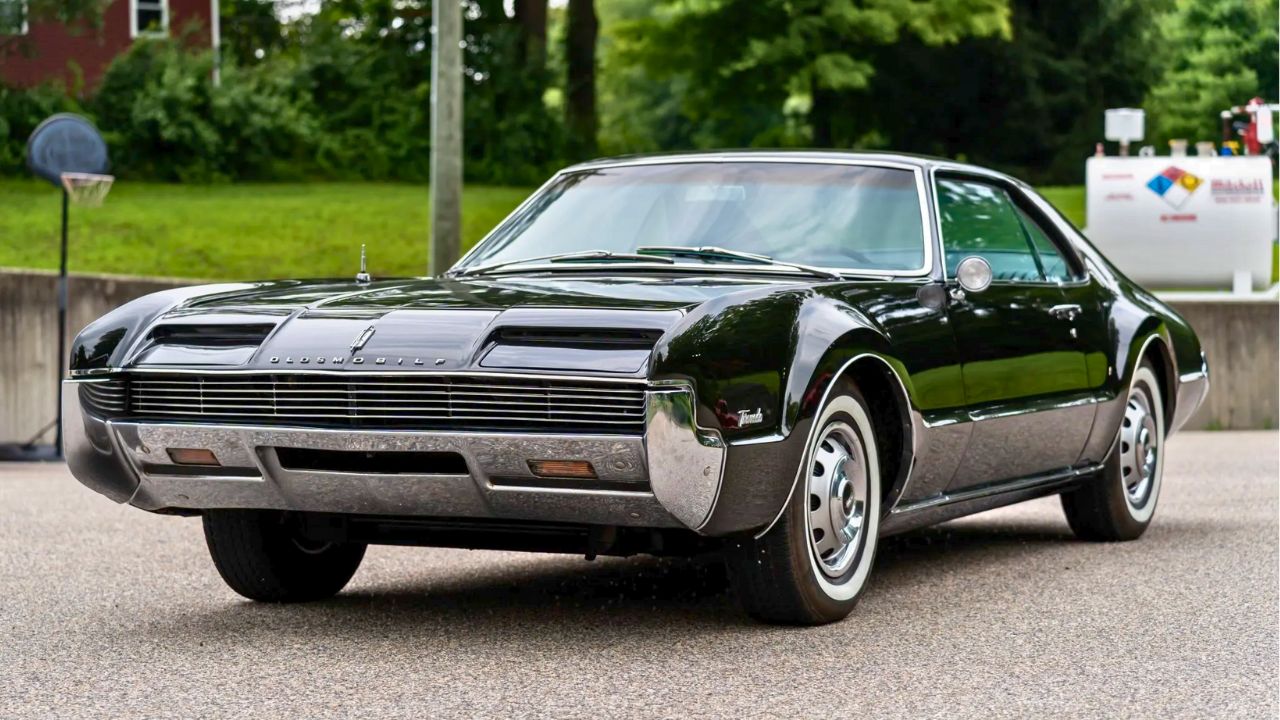
1966 Oldsmobile Toronado

The Toronado was the first American front-wheel-drive car in decades, and it handled it surprisingly well. Under the hood was a 425ci V8 making 385 horsepower, sent to the front via a chain-driven TH-425 transmission—an unusual setup that actually worked.
It also featured hidden headlights, a flat floor thanks to the drivetrain layout, and a design that looked straight from the future. While the layout never caught on in muscle cars, it previewed what luxury coupes would eventually become.
1970 Citroën SM

This one’s French, but it deserves a nod. The Citroën SM was a grand tourer with a Maserati V6, self-leveling hydro-pneumatic suspension, and variable assist power steering—back in 1970. It wasn’t just high-tech for its time, it was ahead of most modern cars.
It could cruise at 140 mph effortlessly and soaked up road imperfections like nothing else. The looks were sleek and alien, and while U.S. regulations eventually buried it here, the SM quietly influenced luxury engineering worldwide.
1958 Chrysler 300D Fuel-Injected
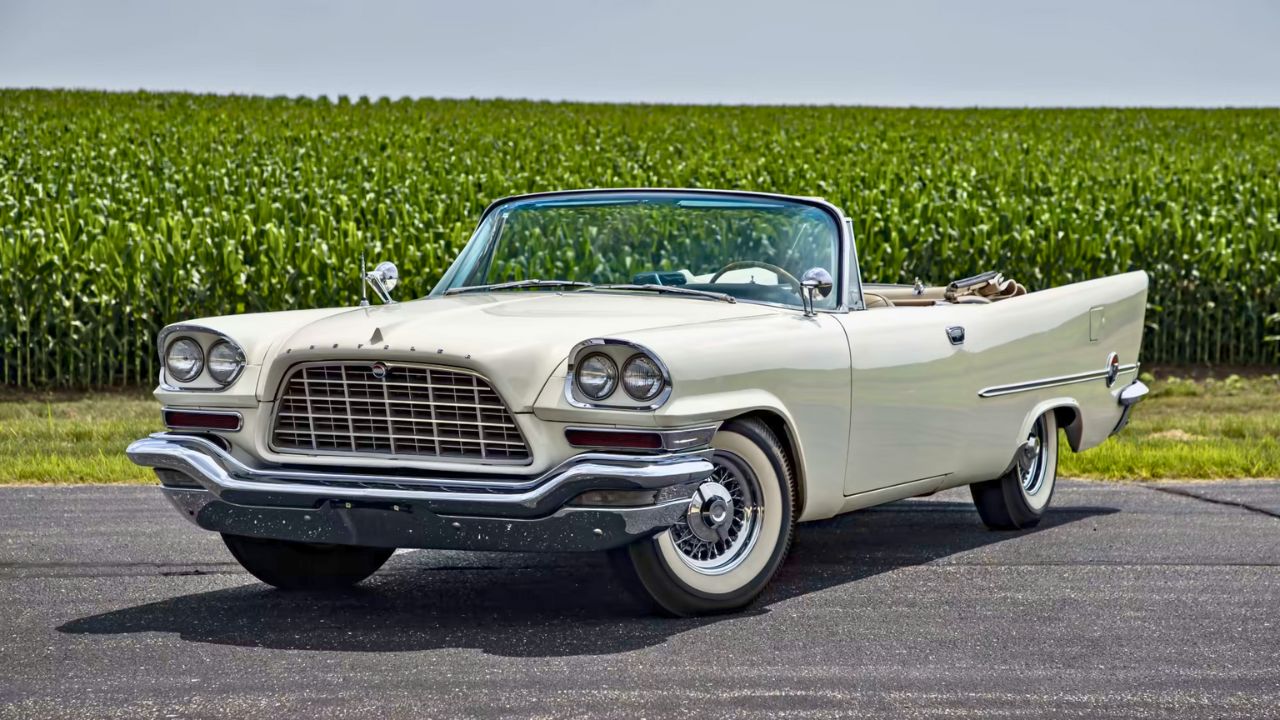
Chrysler offered the 300D with optional Bendix Electrojector fuel injection in 1958. It was one of the first attempts at electronic fuel injection in a production car. The 392 HEMI V8 made a claimed 390 horsepower with the system—more than many big-blocks that came later.
The system was finicky and pulled before production ended, but the idea was right. This was EFI when carburetors were still king. If it had been better executed, the 300D might’ve rewritten the performance playbook a decade early.
1980 Saab 900 Turbo
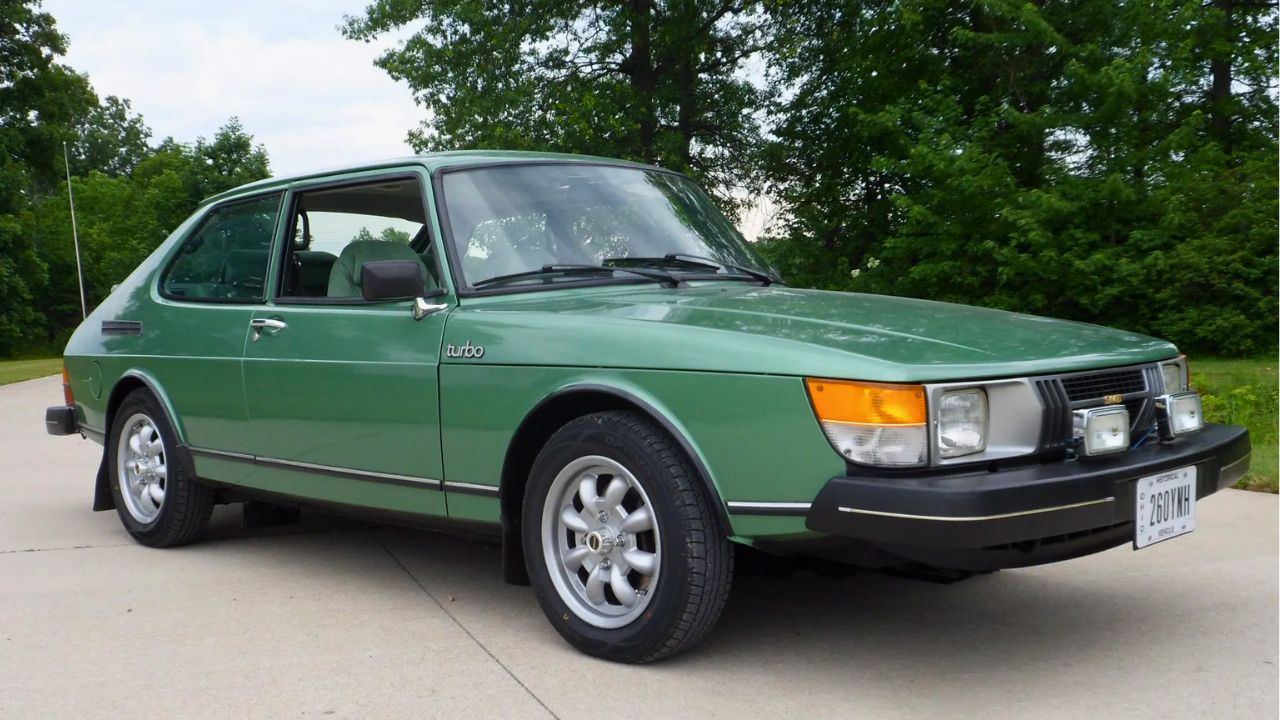
The Saab 900 Turbo wasn’t flashy, but it had a trick up its sleeve. It brought turbocharging to everyday drivers and handled better than most expected thanks to its quirky front-engine, front-wheel-drive layout.
It came with a 2.0L turbocharged four-cylinder making around 143 horsepower—solid numbers for the early ‘80s. Combine that with heated seats, advanced safety for the time, and a wraparound windshield, and you had a car that didn’t need to look fast to be ahead of its peers.
1963 Studebaker Avanti
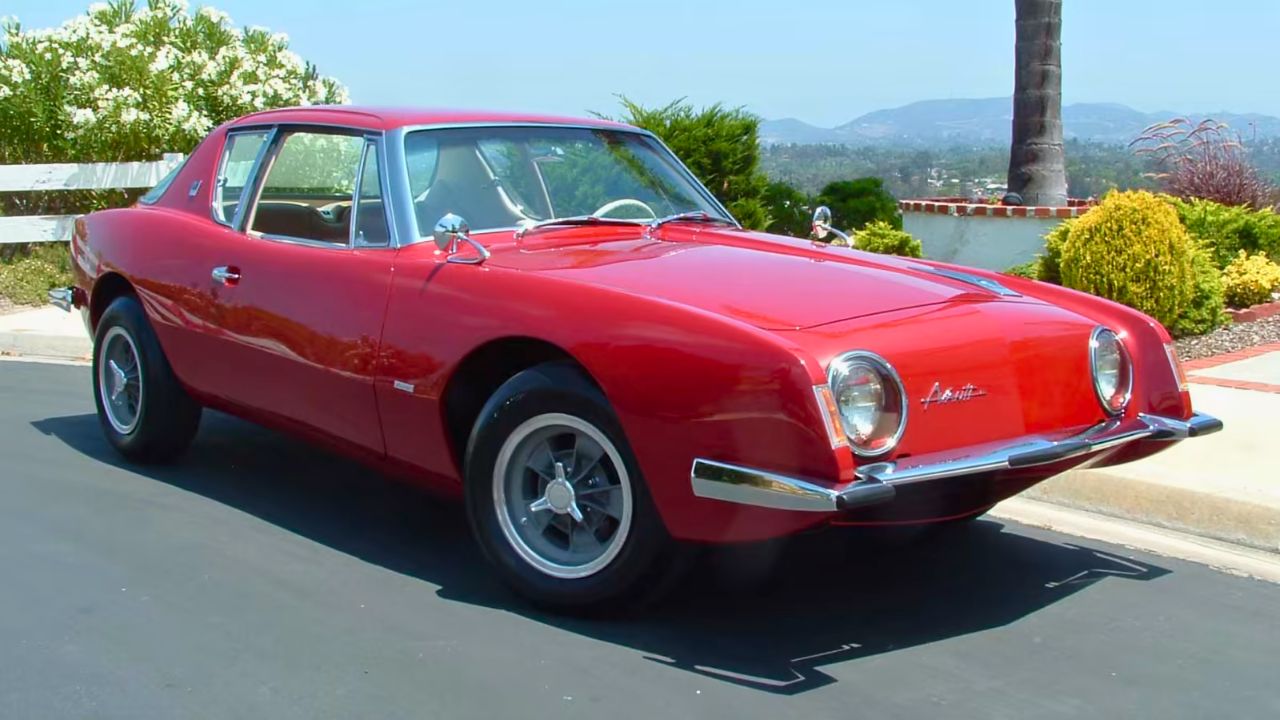
The Avanti was Studebaker’s attempt to build something different—and they did. Designed in just over a month by a team led by Raymond Loewy, it featured fiberglass bodywork, a supercharged 289 V8, and disc brakes when most cars still ran drums.
It hit 168 mph in testing with the right setup and looked like nothing else on the road. But dealer networks and build quality let it down. If it had come from Ford or GM, the story might’ve been different.
1973 NSU Ro 80

You probably won’t see one in traffic, but the NSU Ro 80 was a Wankel-powered sedan with front-wheel drive, independent suspension, and a semi-automatic transmission. It debuted in 1967 and looked futuristic even years later.
Unfortunately, reliability issues with the rotary engine cut it down before it could make a real impact. Still, it showed how far a small German manufacturer could push design and technology, long before “premium” brands caught up.
1984 Pontiac Fiero

At first glance, the Fiero wasn’t anything special. But underneath was a mid-engine layout, composite body panels, and independent suspension. For 1984, that was borderline radical in a U.S.-built commuter car.
The early models were underpowered, but by 1988, the GT version got better suspension geometry and V6 power. Pontiac had the bones of a proper sports car, but GM never gave it the green light to really stretch. Still, it left a blueprint that other brands would eventually follow.
1961 Chevrolet Corvair Monza
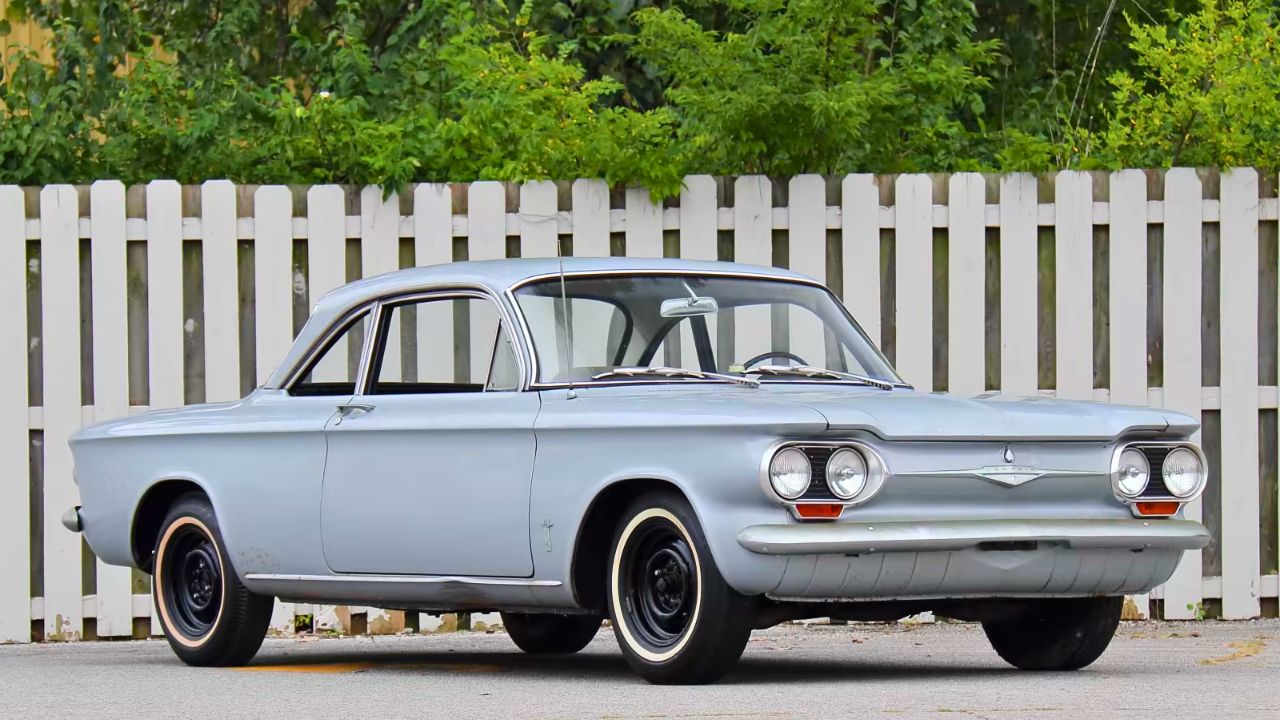
Before the Mustang hit, the Corvair Monza coupe was already introducing America to the idea of a compact, sporty coupe. With its air-cooled rear engine and independent suspension, it had more in common with a Porsche 911 than a Falcon.
The Monza trim added style, bucket seats, and a manual shifter that made it feel like a sports car in an era of land yachts. While Ralph Nader helped tank its reputation, the Corvair did more than people give it credit for.
1971 AMC Hornet SC/360
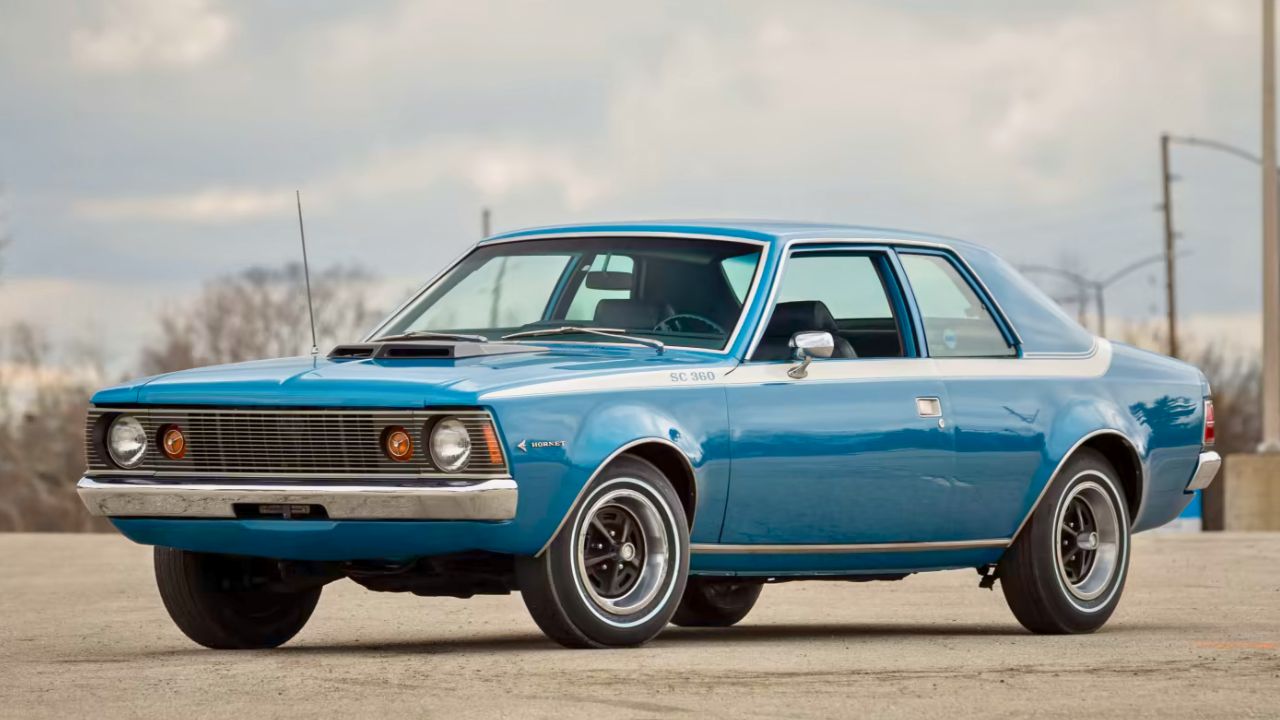
Everyone knows the Javelin, but the SC/360 Hornet was AMC’s idea of a budget muscle car. It came with a 360 V8, 245 horsepower, and could run the quarter mile in the low 15s right off the lot.
It was lighter than most of its rivals, had decent handling for a car from 1971, and didn’t need a big budget to have fun. Only around 780 were built, so spotting one today is rare. Too bad it was overlooked while the big names got the spotlight.
1983 Renault Fuego Turbo

Yeah, it had a weird name—but the Fuego Turbo was quick for its day. The 1.6L turbocharged engine made 132 horsepower and sent it to the front wheels through a 5-speed. For the early ’80s, that was more than enough to surprise someone in a Z28.
Inside, it had electronic features Americans weren’t used to—like remote locking and digital gauges. While the styling was divisive, the performance was ahead of the curve for a European coupe trying to make it in the U.S.
*Created with AI assistance and editor review.