Every now and then a car comes along and blows the doors off what anyone thought possible. These aren’t just quick for their era—they made everything else look slow. From screaming engines to chassis and brakes lifted straight from the track, each of these ten machines redefined performance when they hit the road.
In the sections ahead, we’ll break down what made them so outrageous—engine specs, suspension tweaks, cockpit details—and why even today, they still feel like they’re playing in a league of their own. Buckle up.
1953 Jaguar XK120
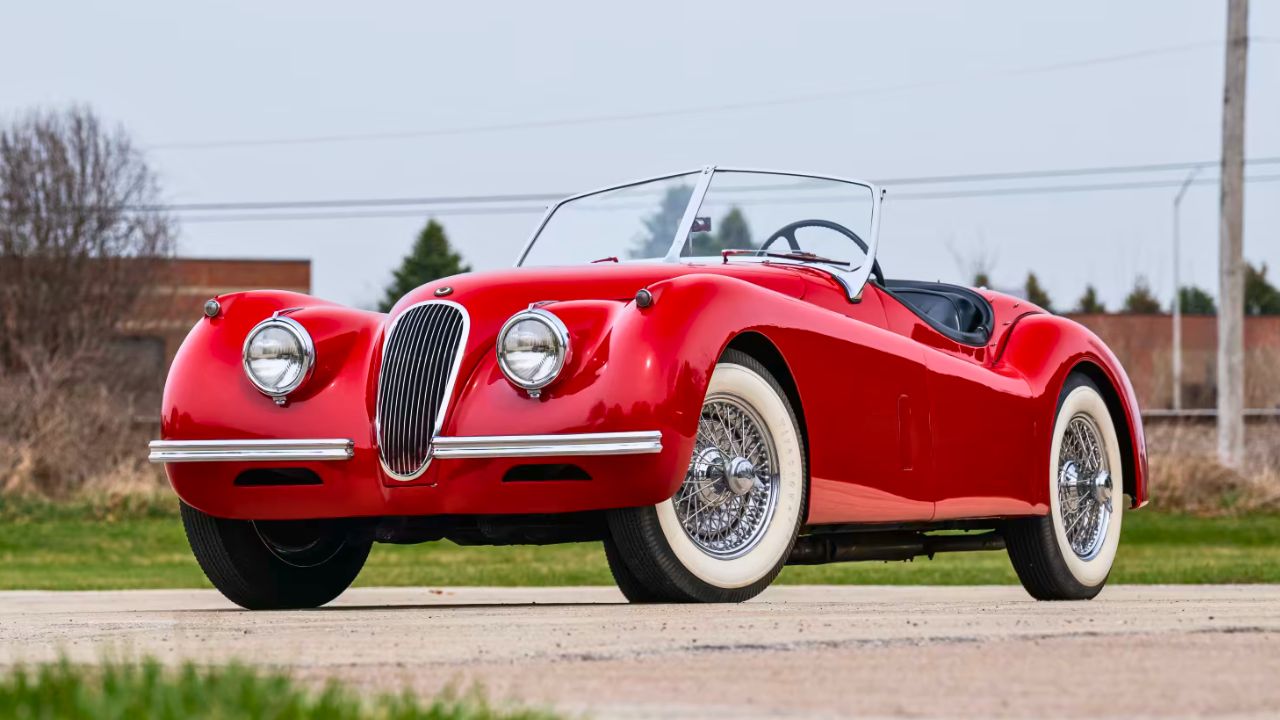
Under the hood of the XK120 sat a 3.4 L DOHC inline‑six making around 160 hp and 210 lb‑ft of torque, mated to a four‑speed manual and a limited‑slip differential. With a curb weight of roughly 2,500 lbs, it could reach 120 mph in stock form—the fastest production car of its time.
The chassis used independent torsion‑bar front suspension and a live rear axle with semi‑elliptic leaf springs. Inside, leather‑trimmed bucket seats, a wood‑rimmed steering wheel, and a simple Smiths gauge cluster reinforced its driver‑focused nature. Few cars of that era could match its blend of speed and poise.
1955 Mercedes‑Benz 300SL Gullwing

Under the long hood of the 300SL sat a 3.0 L fuel‑injected inline‑six producing 215 hp at 5,800 rpm, sent through a four‑speed manual gearbox. Its lightweight tubular frame and aluminum body panels kept curb weight near 2,650 lbs, allowing a top speed of 160 mph—a figure unheard of for a street car in 1955.
The car debuted with front suspension using double wishbones and coil springs, and a swing‑axle rear setup. Inside, individual leather seats, a simple dash with round gauges, and the trademark gullwing doors created a cabin that felt as ahead of its time as its performance.
1962 Ferrari 250 GTO
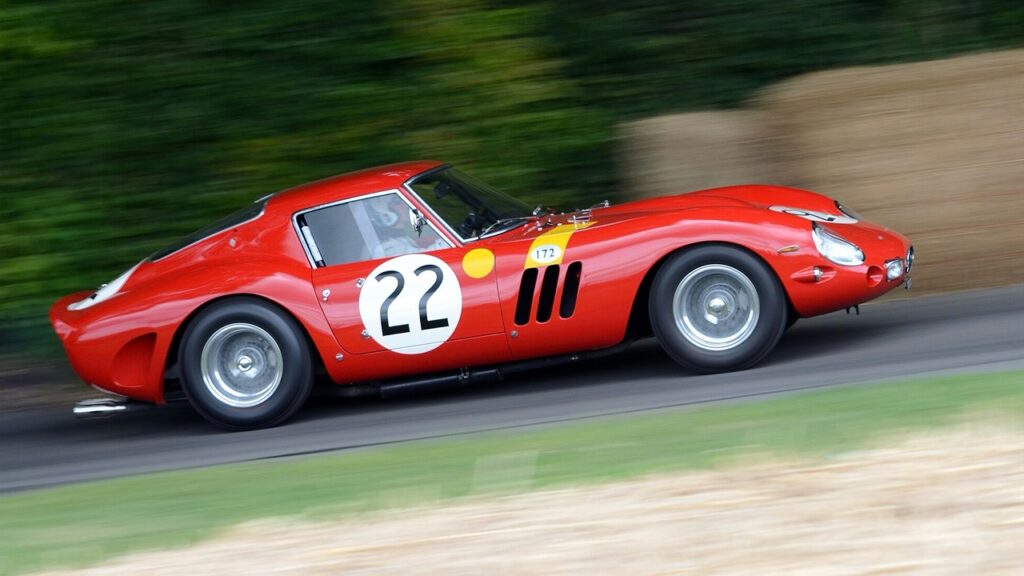
Ferrari’s 250 GTO packed a 3.0 L Colombo V12 running triple Weber carburetors for about 300 hp at 7,400 rpm. Paired with a five‑speed manual and a lightweight steel tube frame, it hit around 174 mph—blurring the line between race car and road car.
Its suspension featured independent double wishbones with coil springs up front and a live axle with leaf springs at the rear. Inside, you’ll find bare‑metal floors, lightweight seats, and an instrumentation layout stripped down to essentials. Homologated in tiny numbers, it outpaced nearly everything on European roads.
1966 Lamborghini Miura P400
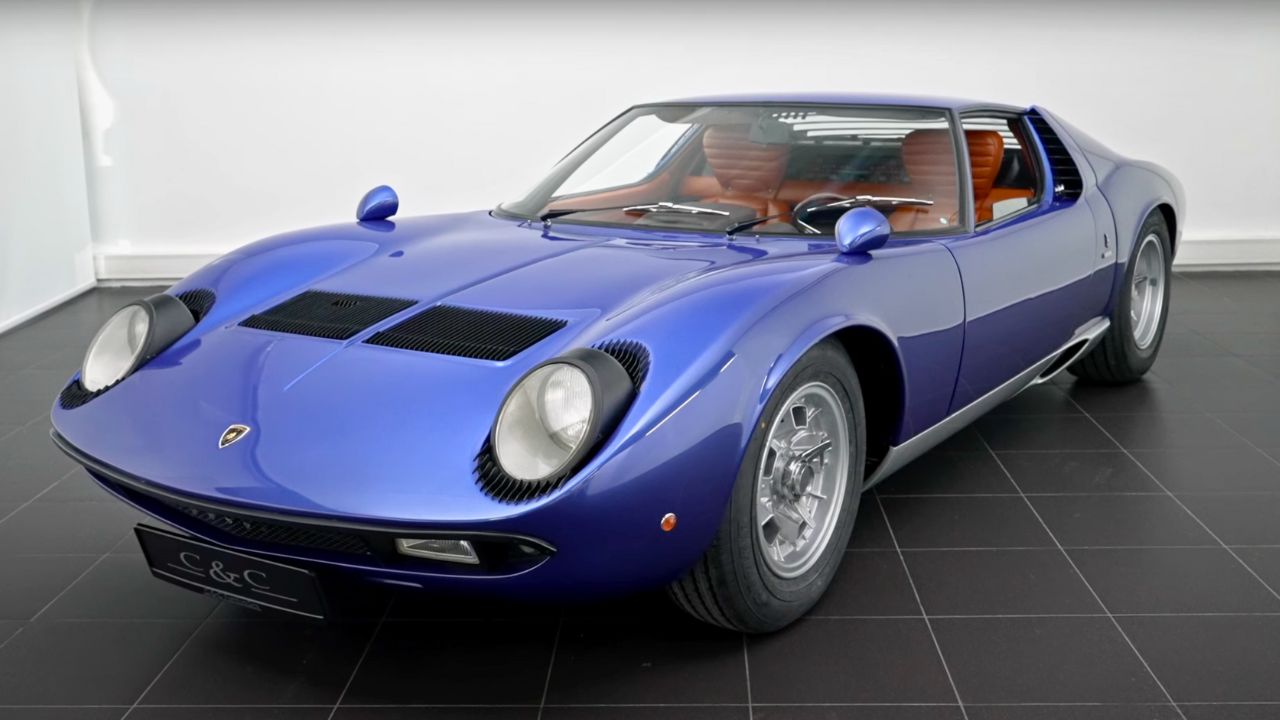
The Miura P400 stunned with a transverse‑mounted 3.9 L V12 producing 350 hp at 7,500 rpm, driving the rear wheels through a five‑speed manual. Weighing in around 2,800 lbs, it cruised past 170 mph—rates that put it at the forefront of supercar performance in 1966.
Its chassis combined a tubular steel backbone with double‑wishbone suspension and coil springs all around. The interior featured leather bucket seats, a chrome‑rimmed steering wheel, and a dash loaded with Veglia gauges. Few cars of its time could keep up on winding roads.
1965 Shelby Cobra 427
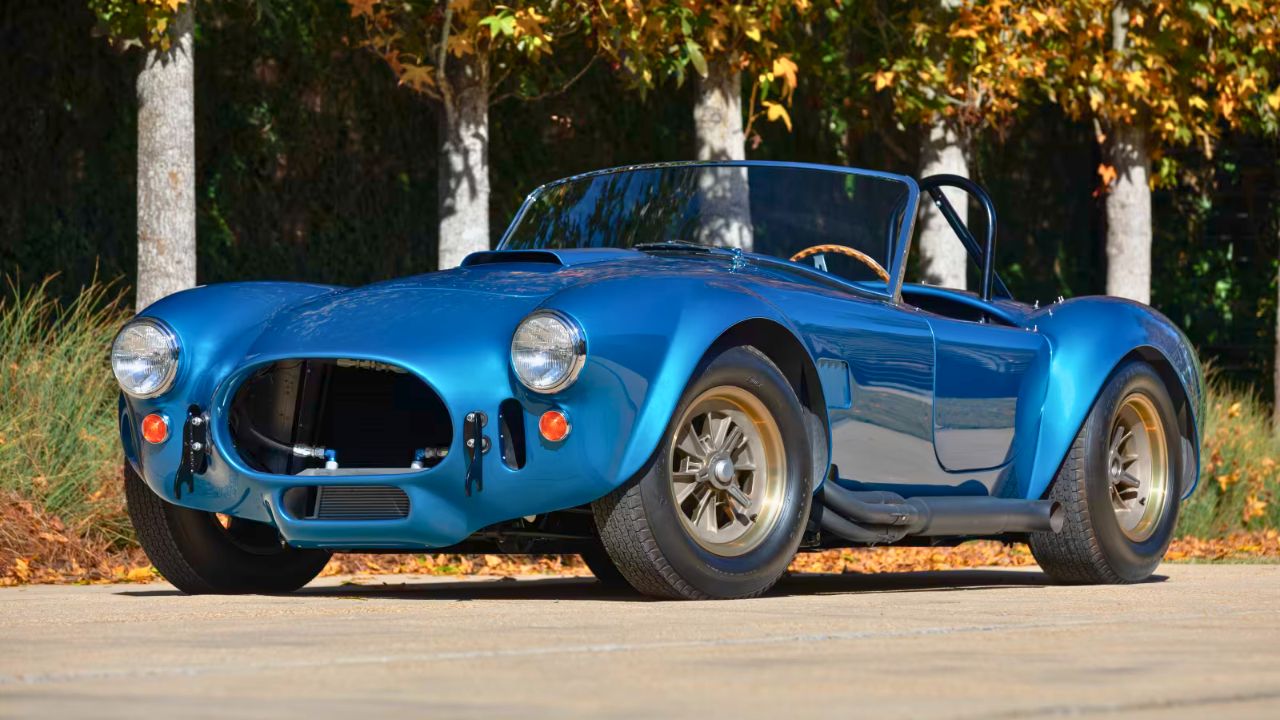
Shelby’s Cobra 427 married a 7.0 L side‑oiler Ford V8 making 425 hp and 480 lb‑ft of torque to a curb weight under 2,400 lbs. With a four‑speed manual and a drag‑strip stance, it blasted to 60 mph in under 4.5 seconds and topped out near 165 mph.
The chassis was a tubular steel frame with independent A‑arms and coil‑over shocks up front and a live axle with leaf springs out back. Inside, you’ll find minimal upholstery, a Moto‑Lita steering wheel, and a basic gauge cluster. Raw, relentless, and ahead of most rivals.
1986 Porsche 959
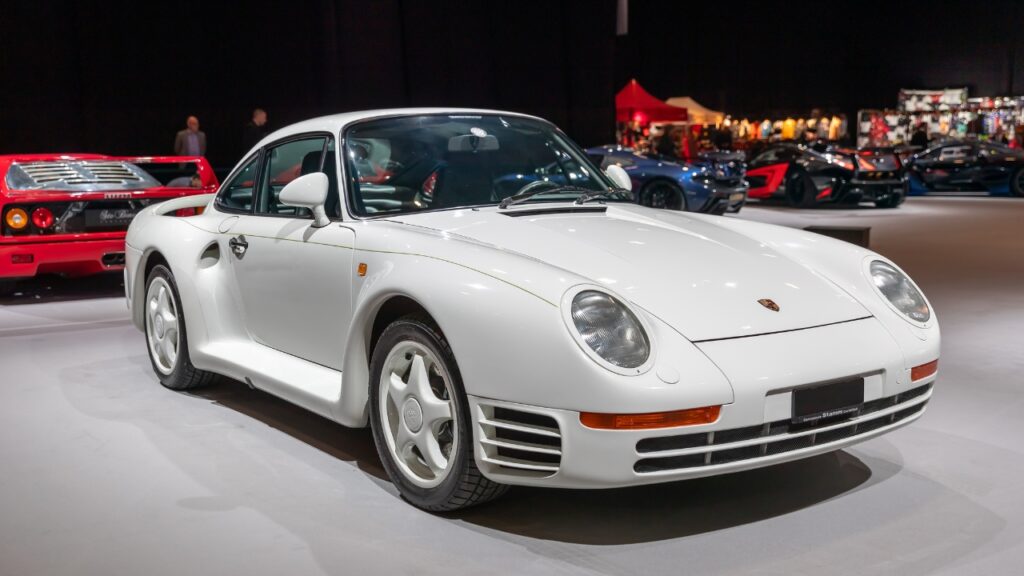
Porsche’s 959 combined a twin‑turbo 2.8 L flat‑six delivering 444 hp with a six‑speed manual and all‑wheel drive featuring adjustable clutch packs. Its lightweight composite body and adaptive suspension allowed both a 0–60 mph time near 3.6 seconds and over 190 mph top speed—a feat few could match in 1986.
Inside, the 959 blended leather sport seats, a multi‑mode control panel for suspension and height adjustments, and a digital boost gauge. Underneath, dynamic dampers and an air suspension system adapted ride height—tech normally reserved for race cars of that era.
1987 Ferrari F40
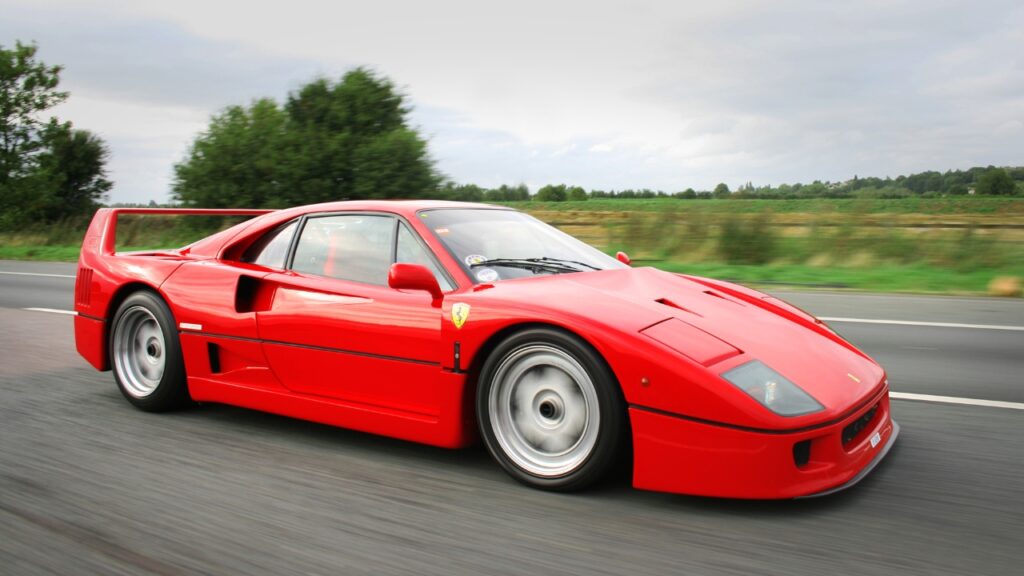
Ferrari’s F40 housed a twin‑turbocharged 2.9 L V8 pushing out 478 hp at 7,000 rpm, paired exclusively with a five‑speed manual transmission. At just over 2,400 lbs, it hit 60 mph in about 4 seconds and topped 200 mph—making it the first production car to break that barrier.
Its chassis used a tubular steel frame with Kevlar and carbon‑fiber body panels, while suspension employed double wishbones and coil springs all around. The spartan interior featured racing‑style seats, a central tachometer, and barely any sound insulation—an unfiltered connection to its raw performance.
1992 Jaguar XJ220
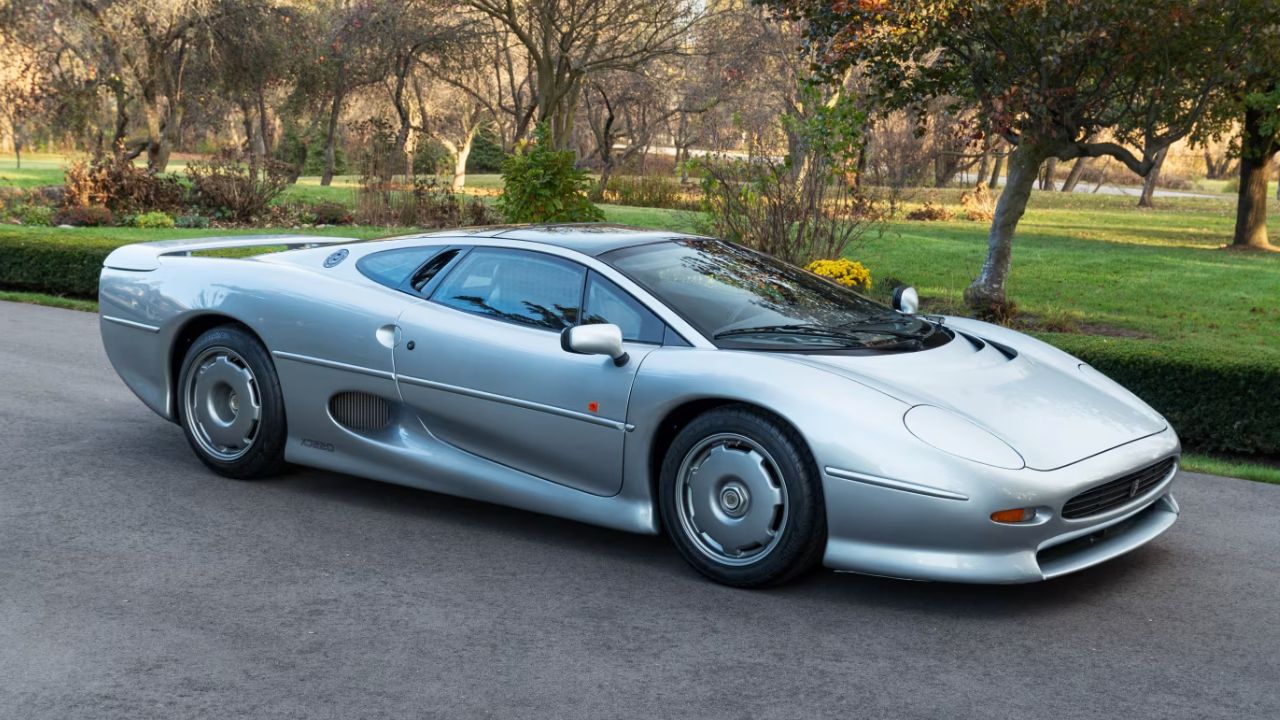
The XJ220 rocked a twin‑turbocharged 3.5 L inline‑six cranking out 542 hp at 6,400 rpm and 475 lb‑ft, sent through a four‑speed automatic and all‑wheel drive. Weighing around 3,800 lbs, it hit 60 mph in 3.6 seconds and reached 212 mph—a joint holder of the fastest production car title in 1992.
Its chassis featured a bonded aluminum monocoque, double‑wishbone suspension with coil‑over dampers, and ventilated disc brakes. Inside, leather‑trimmed seats, a gated shifter, and a clean dash layout balanced comfort with functional clarity at extreme speed.
1992 McLaren F1
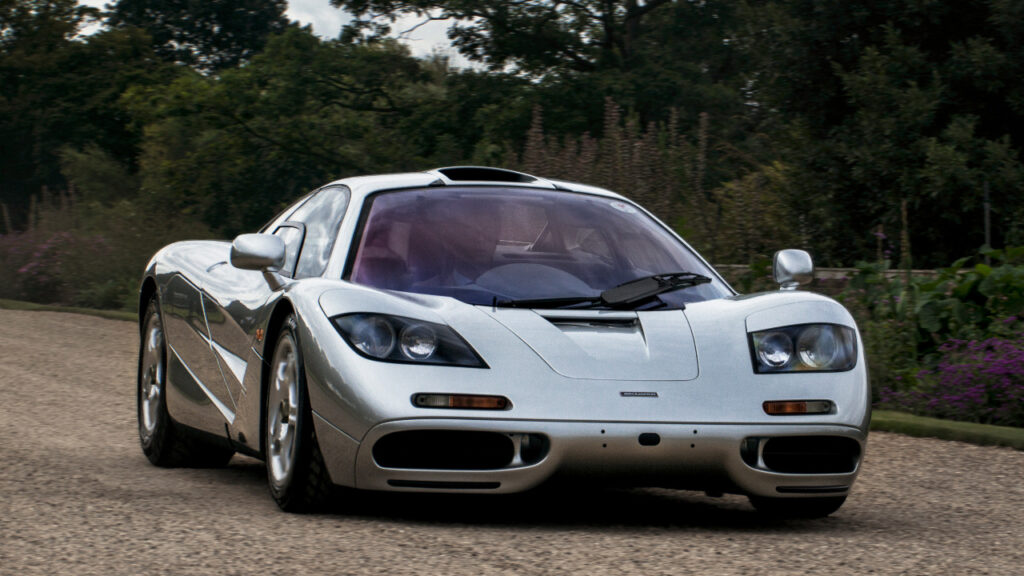
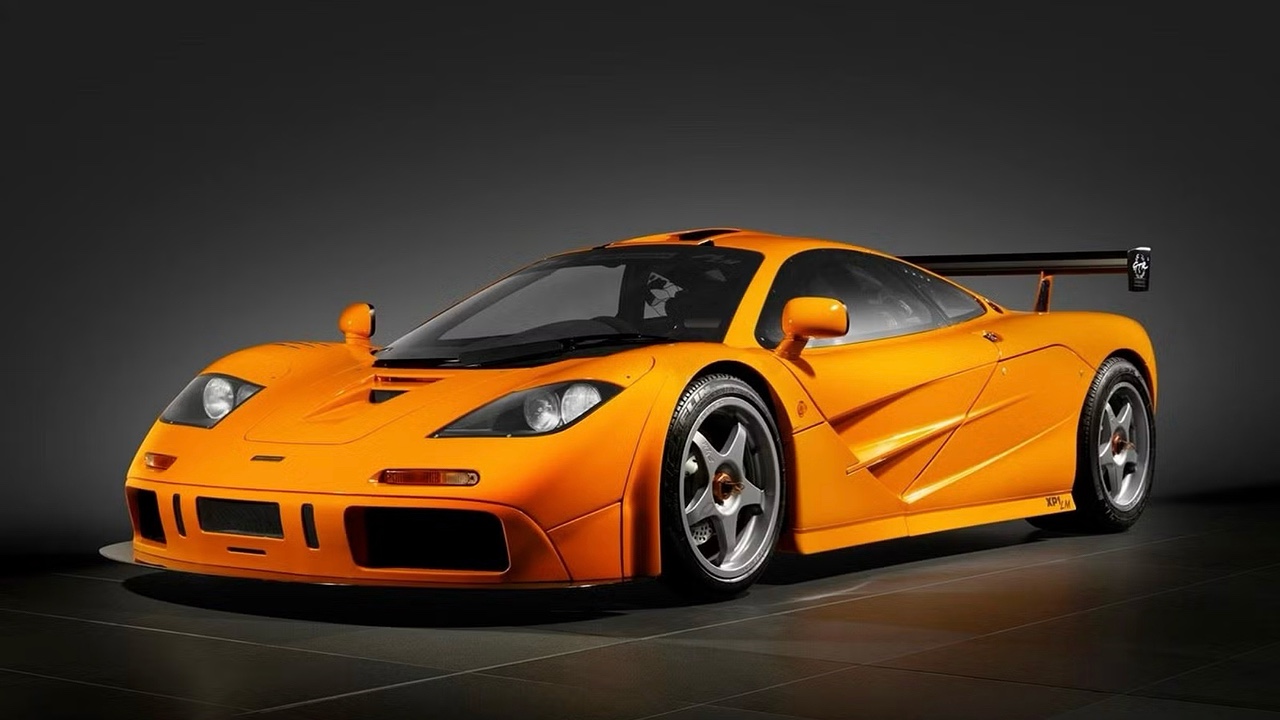
McLaren’s F1 set the benchmark with its 6.1 L naturally aspirated BMW V12 making 618 hp at 7,400 rpm, driving the rear wheels through a six‑speed manual. At around 2,800 lbs, it sprinted to 60 mph in 3.2 seconds and hit a record 231 mph in 1998.
Its carbon‑fiber monocoque and active aerodynamics worked with double‑wishbone suspension and Öhlins dampers to maintain composure at speed. Inside, the central driving position, aluminum switchgear, and minimalist seats put you at the core of the action—nothing comes between driver and machine.
2005 Bugatti Veyron 16.4
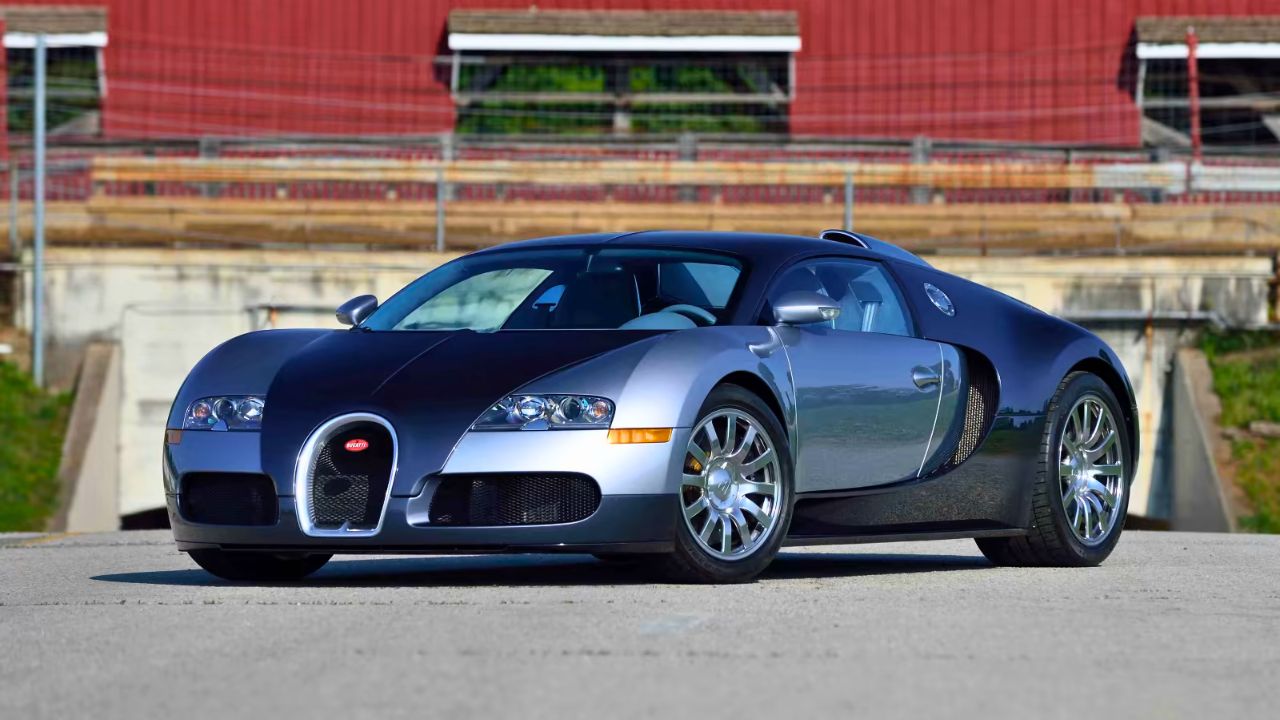
The Veyron 16.4 paired a quad‑turbocharged 8.0 L W16 engine making 1,001 hp and 922 lb‑ft to a seven‑speed DSG and all‑wheel drive. Weighing about 4,162 lbs, it rocketed to 60 mph in 2.5 seconds and established a top speed of 253 mph—ushering in a new era of hypercars.
Its chassis employed a carbon‑fiber body and a pneumatic ride‑height system, while suspension used tuned dampers and active anti‑roll technology. Carbon‑ceramic discs provided stopping power capable of matching its pace. Inside, you’ll find fine leather, a solid‑metal gear selector, and an ergonomic layout designed to handle extreme pace without losing composure.
*Created with AI assistance and editor review.