You live in a car culture split between nostalgia and novelty, where a classic muscle icon can still command reverence from purists even as many Gen Z shoppers scroll past it. The cars that once defined American performance now compete with turbocharged hatchbacks, Japanese coupes, and electric status symbols, yet one old-school hero continues to hold a special place in the hearts of traditionalists. That divide becomes clearest when you compare what older enthusiasts search for, buy, and insure with what younger drivers dream about and share online.
The purists’ icon that Gen Z skips past
Spend any time around old-school muscle fans and one particular coupe quickly emerges as the benchmark of the genre. Enthusiasts talk about its long hood, short deck, and raw V8 soundtrack as if they are non‑negotiable ingredients of a proper American performance car. Reporting on the cars that purists love but younger shoppers rarely search for points to a specific old-school favorite that barely registers in Gen Z search data, even though it carries the presence of some special class and still defines what a traditional muscle profile should look like for many of your fellow diehards. The devotion shows in the way veteran owners describe the car’s stance, obsess over original trim codes, and treat period-correct wheels or a factory four-speed as cultural artifacts rather than just options.
The gap appears not only in search behavior but also in how that car is celebrated in enthusiast circles. Coverage of the Muscle Car Old you see on social channels such as the official pages that share builds and period photography reveals a world where older fans trade stories about drag strips and dealership lots that younger drivers never experienced. Meanwhile, Gen Z attention skews toward entirely different shapes, which means this icon can feel invisible in the feeds that dictate taste for younger enthusiasts. The result is a cult car that is incredibly famous inside a certain age band and almost anonymous outside it.
How generational tastes split around classic muscle
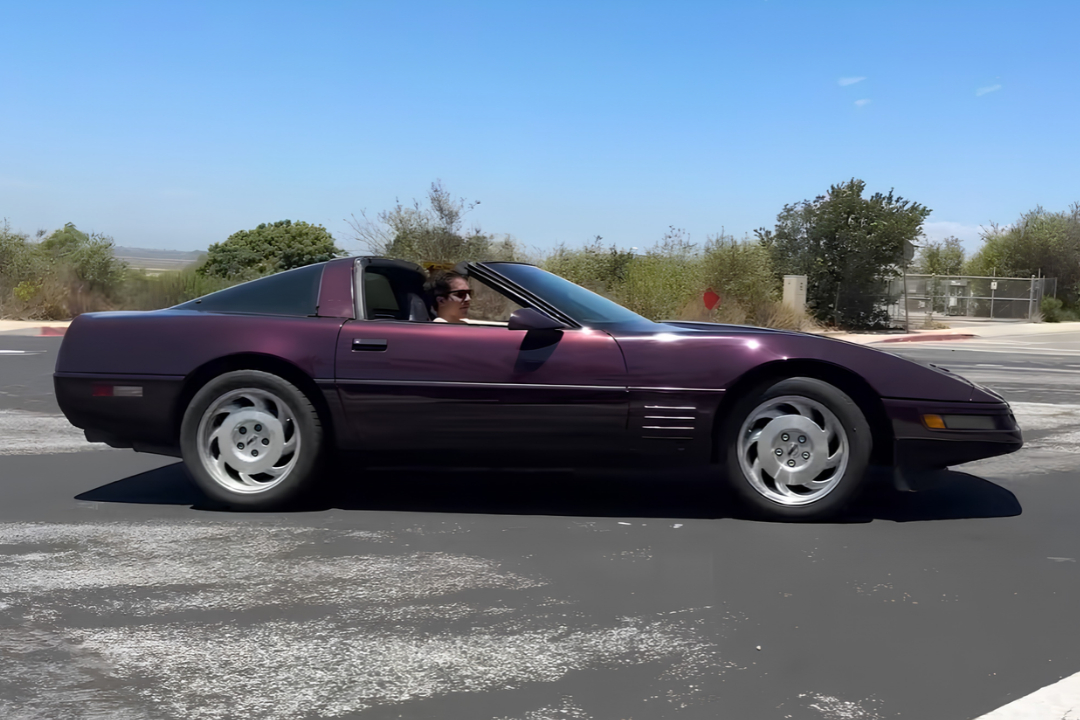
Look at the numbers and you see how sharply different generations cluster around specific models. Data on Vehicles Baby Boomers are most interested in shows that cars like the 1974‑1982 Chevrolet Corvette and the 1967‑1969 Chevrolet Camaro dominate their wish lists, with interest tallies climbing to 0 5,000 in some cases. Those figures reflect not just style preferences but formative memories of showroom launches, racing coverage, and neighborhood heroes who owned these cars when they were new. If you grew up during that era, a big-block badge or an SS stripe is not retro, it is a direct line back to your youth.
Younger enthusiasts, especially Gen Z, come at the hobby from a different angle. Research into how Gen Z Dream you look at aspirational lists shows that many younger drivers gravitate toward Japanese and Korean performance cars, where turbocharged four-cylinders, aftermarket tuning culture, and social media friendly styling play a bigger role than cubic inches. That does not mean Gen Z has no interest in older iron, but it does mean the mental shortlist for a first dream car is more likely to include a Nissan, Toyota, or Hyundai than the same Chevrolet Camaro that sits at the center of Boomer nostalgia. You sit at the intersection of those tastes, watching one generation chase quarter-mile slips while another chases lap times and drift clips.
Evidence that classic muscle still has pull with younger drivers
Even if some icons barely show up in Gen Z search data, you cannot write off younger interest in classic metal. A widely cited set of findings framed as New research reveals that 60% of Gen Z would rather own a classic car than a Tesla, and it describes how America’s youngest adults are twice as likely as Baby Boomers to want a classic in their future garage. That kind of preference runs against the stereotype that every young driver wants an EV or a crossover, and it suggests that the emotional pull of analog driving still matters to people who grew up with smartphones. You see that when a teenager stops to film your carbureted V8 at a gas station or when a twenty‑something asks to hear a cold start.
Survey work from enthusiast communities backs up that trend with more detail. One widely shared post that begins with the phrase According to hagerty’s 2024 “future of driving” survey reports that 60% of gen z drivers are interested in owning a Classic car, and it notes that many younger respondents are reacting against the increasingly similar designs of modern vehicles. That detail matters if you care about the future of your favorite muscle icon, because it suggests the problem is not that younger drivers dislike older cars. Instead, they may simply not have discovered specific models that older purists treat as sacred, often because those cars do not appear in the digital spaces where Gen Z spends its time.
The icons that still define American muscle
To understand why one old-school favorite still captivates purists, you have to place it alongside the other cars that define the genre. Lists of Best Muscle Cars lay out a table with columns labeled Model, Years, and Why It is a Legend, and they highlight how certain nameplates achieved mythic status. You see entries like a Pontiac GTO that practically invented the template, a Dodge Challenger that embodied factory drag racing, and a modern halo car described as the pinnacle of modern technology. When you compare those legends to the quieter purist favorite that Gen Z often overlooks, you notice that the latter is less about headline power figures and more about balance, driving feel, and the way it connects you to the road.
Insurance and valuation data tell a similar story. A breakdown of the 9 Most Desired classic muscle cars singles out the 1967‑1969 Chevrolet Camaro ZL1/Z‑28/SS Coupe There as a standout, calling the late 60s Camaro an American icon and emphasizing how demand for coverage on these cars remains strong. From the perspective of an insurer, that sustained demand means owners are still restoring, driving, and protecting these machines, which keeps them visible at shows and on back roads. You might find that the purist icon you have in mind sits just outside such top‑nine lists, valued more in conversation and club lore than in raw policy counts, yet it still rides in the slipstream of cars like the Camaro that keep the American muscle template alive.
Why a “forgotten” muscle car still matters for the future
Zoom out, and the question becomes why a car that Gen Z rarely searches for still matters to the broader story of American performance. Commentary on whether Classic Muscle Cars asks Why have American muscle cars generally broken the trend of fading out in popularity with the generations, and it points to family ties, shared memories, and the simple drama of big engines as reasons. You see that dynamic when a grandparent hands down a car, or when a parent and child spend weekends wrenching together. Even if a specific model is not trending on social media, it can still carry deep emotional weight inside a family, which keeps it alive for another generation.
You also see how certain nameplates bridge the gap between eras more effectively than others. Discussions of why Teens picked the while 20‑somethings leaned toward the Honda Civic show how The Mustang still resonates with young adults as an attainable performance symbol. Enthusiast groups highlight how The Mustang’s social media presence has also helped to connect with Gen, with official channels sharing enough engaging content to keep the badge in front of younger eyes. If you care about that quieter purist icon, the lesson is clear. To survive, it has to move from nostalgia and forum threads into the feeds, videos, and events where younger drivers actually live, so that the car you revere does not become a museum piece that only you remember.
More from Fast Lane Only