Ford is preparing one of the most aggressive product overhauls in its recent history, with plans to update or replace roughly 80 percent of its U.S. lineup by 2029. The strategy centers on new generations of core nameplates, a tighter link between gasoline and electric programs, and a push to keep truck and SUV buyers inside the Ford ecosystem.
The company is signaling to investors and customers that it will not let key models age while rivals race ahead with fresh designs and new technology. Rather than relying on sporadic redesigns, it is mapping out a steady cadence of launches to carry the brand through the second half of the decade.
What happened
Ford has confirmed that a next-generation F-150 is targeted to arrive by 2029 as part of a broader plan to renew most of its U.S. portfolio by the end of the decade. Executives are treating that timeline as a bookend for a multi-year product cycle that touches trucks, SUVs, and electric vehicles.
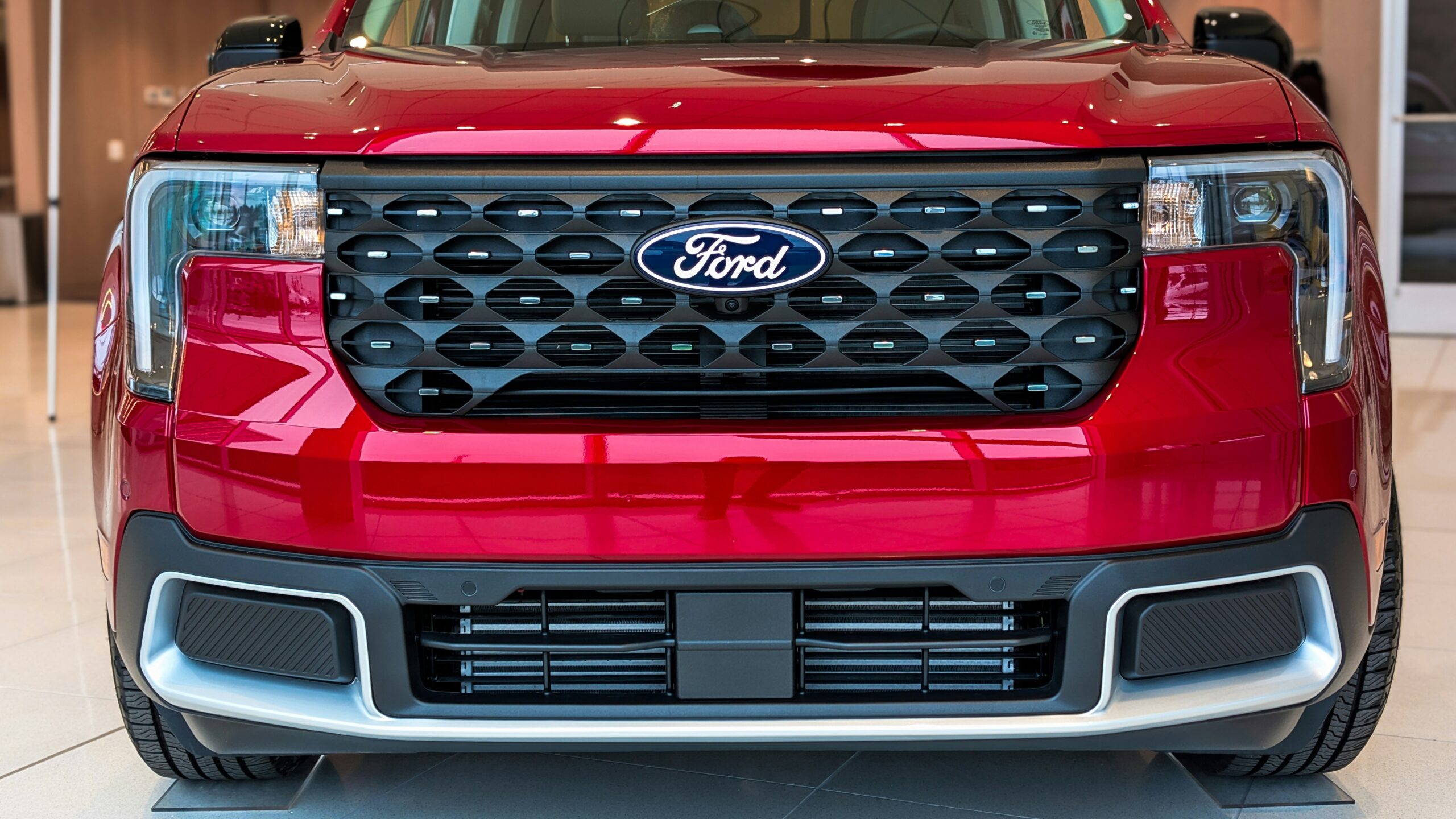
Internal planning documents and executive comments describe a program that will refresh or replace about four out of every five Ford models sold in the United States. Included are mainstream workhorses such as F-150, Super Duty, Explorer, Escape, Bronco, and Mustang, along with their hybrid and battery-electric counterparts.
The F-150, which remains Ford’s single most important product line in North America, sits at the center of the plan. The automaker has outlined a path to a fully new generation by 2029, following the current truck’s recent updates to powertrains, towing technologies, and interior electronics. Reporting on the truck program indicates that Ford expects the next F-150 to carry forward gasoline, hybrid, and battery-electric variants rather than pivot to a single propulsion strategy.
Alongside the truck roadmap, Ford is restructuring how it develops and builds electric vehicles. The company is integrating its dedicated EV unit into its global manufacturing organization, a move described to investors as a way to share platforms, purchasing power, and factory capacity across gasoline, hybrid, and battery-electric products. By folding EV operations into the broader industrial system, Ford is trying to cut costs and speed up the rollout of new models that share components with conventional vehicles, including those in the 2029 product plan, according to company guidance.
Product planning details described in industry coverage show that Ford wants a near-constant stream of launches between now and 2029. Analysts tracking the portfolio expect updated versions of key SUVs and crossovers, including three-row family models and off-road oriented nameplates, to arrive in overlapping waves so the brand always has something new in showrooms, a cadence outlined in product renewal reports.
On the truck side, Ford has also briefed partners on a broader lineup update that stretches from full-size pickups to midsize offerings. The company has confirmed that the next F-150 will anchor that push and that the surrounding portfolio will receive significant styling, interior, and technology changes as part of the same cycle, according to lineup update disclosures.
Coverage of the F-150 program notes that Ford is treating the 2029 truck as both a generational reset and a testbed for how closely it can align gasoline and electric development. The current F-150 Lightning sits on a modified version of the gasoline truck’s architecture, and future iterations are expected to share even more underpinnings and manufacturing processes with the core pickup family, according to F-150 planning reports.
Why it matters
Committing to refresh about 80 percent of the U.S. lineup in a four-year window is a significant financial and operational bet. Each new or heavily updated model requires engineering resources, supplier contracts, factory retooling, and marketing support, all at a time when Ford is also trying to manage the cost of electrification.
The stakes are highest in full-size trucks, where F-150 competes directly with Chevrolet Silverado, GMC Sierra, and Ram 1500 for some of the most profitable customers in the industry. Letting the truck age without major updates would risk losing retail and commercial buyers who now expect frequent improvements in towing tech, driver assistance, and cabin comfort.
By publicly tying a new F-150 generation to the 2029 timeframe and linking that launch to a broader product overhaul, Ford is signaling that it intends to defend its position aggressively. The company is also trying to reassure dealers that they will have fresh inventory to sell, which matters as interest rates, transaction prices, and incentives all influence showroom traffic.
The decision to integrate the EV unit into global manufacturing is closely connected to this product wave. Ford has struggled with EV profitability, and stand-alone electric programs can carry high development and tooling costs. Putting EVs on shared platforms and running them through the same plants and purchasing channels as gasoline models is a bet that it can lower per-vehicle costs and make it easier to justify frequent redesigns.
For customers, a broad refresh means more choice, but it also sets expectations for rapid technology turnover. Buyers weighing a new Explorer, Bronco, or Mustang over the next few years will be looking at vehicles that are either newly launched or approaching replacement. That dynamic can encourage some shoppers to wait for the next version, putting pressure on Ford to time its announcements and launch cycles carefully.
From a regulatory perspective, the 2029 horizon lines up with tightening U.S. emissions and fuel economy standards. Refreshing most of the lineup in that window gives Ford a chance to add more hybrid options, lighter materials, and more efficient powertrains across its volume models, rather than relying solely on pure EVs to hit fleet targets.
The plan also reflects how Ford views the balance between electric and combustion products through the decade. Instead of a rapid shift to a predominantly battery-electric range, the company is preparing a mixed portfolio in which trucks and SUVs continue to rely heavily on gasoline and hybrid systems, with EVs integrated where demand and infrastructure support them.
Investors will watch whether the integrated EV strategy and shared platforms actually deliver the promised savings. If cost reductions materialize, Ford can keep refreshing models on a shorter cycle without eroding margins. If they do not, the company could face pressure to slow product spending or cut back on low-volume variants.
What to watch next
The next several years will reveal how quickly Ford can execute this plan and how much of the 80 percent target lands on time. Early indicators will come from the pace of SUV and crossover launches, which are typically easier to update than full-size trucks that require more extensive tooling changes.
Analysts will track how Ford sequences its launches to avoid internal competition. The company will need to stagger new versions of Bronco, Bronco Sport, and Explorer so that each model has a clear marketing window, rather than flooding the market with overlapping introductions that dilute attention.
On the truck side, watch for details on how the next F-150 will differentiate its gasoline, hybrid, and electric versions while still sharing enough components to keep costs in check. The decision to bring EV operations into the main manufacturing structure suggests that future F-150 variants will be engineered together from the start rather than as separate projects.
Dealer feedback will be another signal. Retailers rely on a mix of high-volume staples and halo products to drive showroom traffic, and they have been vocal in the past about inventory shortages and gaps in the lineup. A steady stream of new or heavily updated models through 2029 would help stabilize their planning, but only if Ford can supply enough vehicles and avoid extended launch delays.
Customers should expect Ford to lean heavily on software, connected services, and over-the-air updates as it rolls out these products. A faster product cadence makes it harder to recoup development costs solely through hardware, so subscription features and digital upgrades will likely play a larger role in the business case for new models.
More from Fast Lane Only
- Unboxing the WWII Jeep in a Crate
- 15 rare Chevys collectors are quietly buying
- 10 underrated V8s still worth hunting down
- Police notice this before you even roll window down
*Research for this article included AI assistance, with all final content reviewed by human editors.