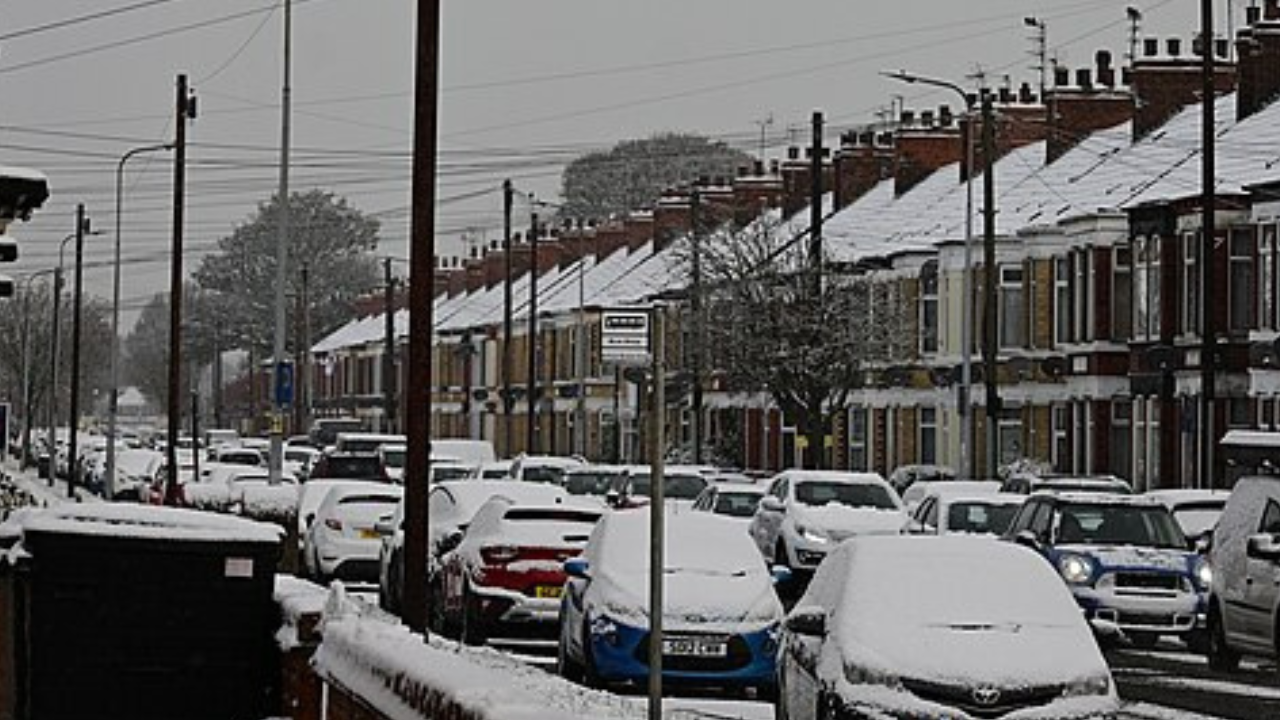
As Arctic air spills across North America and Europe, the cold is not just uncomfortable, it is reshaping how safe it is to get behind the wheel. From long‑haul truckers to parents on the school run, drivers are being reminded that a familiar commute can turn treacherous when ice and snow take over the tarmac. The message from officials on both sides of the Atlantic is blunt: confidence in your own skills is no match for physics on a frozen road.
I see the same pattern every winter, when people who pride themselves on being “good in the snow” push on as usual and then discover too late that black ice, whiteouts and sudden gusts do not care how many winters they have driven through. This season’s cold snap is a fresh warning that the smartest move is not bravado, but preparation, patience and a willingness to stay home when experts say conditions have crossed the line from difficult to dangerous.
Why this cold snap is different
What stands out this year is the sheer scale of the deep freeze. Forecast maps show more than 160 m people in the USA facing extreme cold and heavy snow, a footprint that stretches from the Plains to the Northeast. When that many drivers are affected at once, the odds of pileups, stranded vehicles and blocked emergency routes rise sharply, even before the first flake hits the ground.
In the United Kingdom, forecasters are warning that a spell of Arctic air will keep conditions “unsettled,” with Gusts of up to 60 mph in coastal areas and 30 to 40 mm of rain falling on already saturated ground in parts of Northern Ireland and western Britain. That combination of wind, standing water and freezing temperatures is a perfect recipe for black ice and sudden loss of control, even on roads that look clear at first glance.
Officials plead: stay home if you can
When conditions deteriorate this quickly, the safest driving decision is often not to drive at all. In Texas, Bexar County’s guidance on Driving on Icy Roads starts with a simple instruction in capital letters: “Stay home!! Only go out if necessary.” That same advisory urges people who must travel to drive slowly, accelerate and decelerate gently, and leave far more space than usual, a reminder that even short trips can become emergencies when ice takes hold.
Across the border in Canada, winter storms have already forced authorities to shut down key routes, with a still image from a Ministry of Transportation camera showing snow‑covered lanes and warning signs as roads remained closed due to severe weather. In South Dakota, the Highway Patrol is echoing that message, stressing that each season brings its own challenges and urging drivers to slow down, buckle up and keep their focus on the road instead of their phones.
Ice storms, black ice and the illusion of control
Part of what makes this cold snap so risky is that it is not just about snow, it is about ice in all its forms. Meteorologists are warning that a “destructive” winter system could coat large parts of the United States in freezing rain, with Power outage numbers potentially approaching the millions and lasting for days or even weeks. When traffic lights go dark, street lighting fails and intersections turn into four‑way gambles, even cautious drivers can find themselves in situations they cannot safely manage.
On a smaller scale, the most dangerous ice is often the kind you cannot see. Transport officials in Colorado have been warning that Wintry nights can leave a thin, invisible glaze on bridges, ramps and shaded stretches of highway, turning them into hidden traps. The advice there is to Stay alert, assume that any wet‑looking patch could be ice and keep your steering, braking and acceleration as smooth as possible so you are not asking your tyres to do more than the surface can handle.
States of emergency and regional flashpoints
In New York, the political response has matched the meteorological threat. Gov Hochul has declared a state of emergency as dangerous cold and snow bear down on the state, a move that frees up resources and clears the way for travel bans if conditions demand it. Reporter Felix Day noted that the declaration, issued on a Fri morning, was designed to get ahead of the storm rather than chase it, a recognition that once highways are clogged with spun‑out vehicles, even plows and ambulances can struggle to move.
Farther south and west, forecasters say two‑thirds of the United States are bracing for ice and snow, with DALLAS, Texas and Oklahoma singled out for heavy snow and ice that could make roadways treacherous on Friday. In those states, where drivers may be less accustomed to prolonged freezing conditions, the risk is not just the weather but the mismatch between what people think their vehicles can handle and what the road surface will actually allow.
What road crews can do, and what they cannot
Highway departments are racing to get ahead of the storm, but even the best preparation has limits. In Texas, crews with the state transport agency have been out before dawn, using trucks and spreaders to pre‑treat highways as TxDOT warns drivers to stay off icy roads where possible. In Virginia, a separate report shows VDOT pointing to piles of road salt still on the ground from the last storm, a reminder that even when chemicals are in place, fresh snow and falling temperatures can quickly overwhelm what is already there.
Elsewhere, community groups and police forces are amplifying the message. A ROAD CONDITIONS ADVISORY from PEIRCMP in Portugal, for example, highlights how Freezing rain can turn even gritted roads into skating rinks and urges drivers to #DriveSafe by slowing down, increasing following distances and avoiding sudden manoeuvres. Those warnings may feel repetitive, but they are grounded in the hard reality that no amount of salt or brine can fully cancel out a sheet of ice when temperatures plunge and precipitation keeps falling.
More from Fast Lane Only