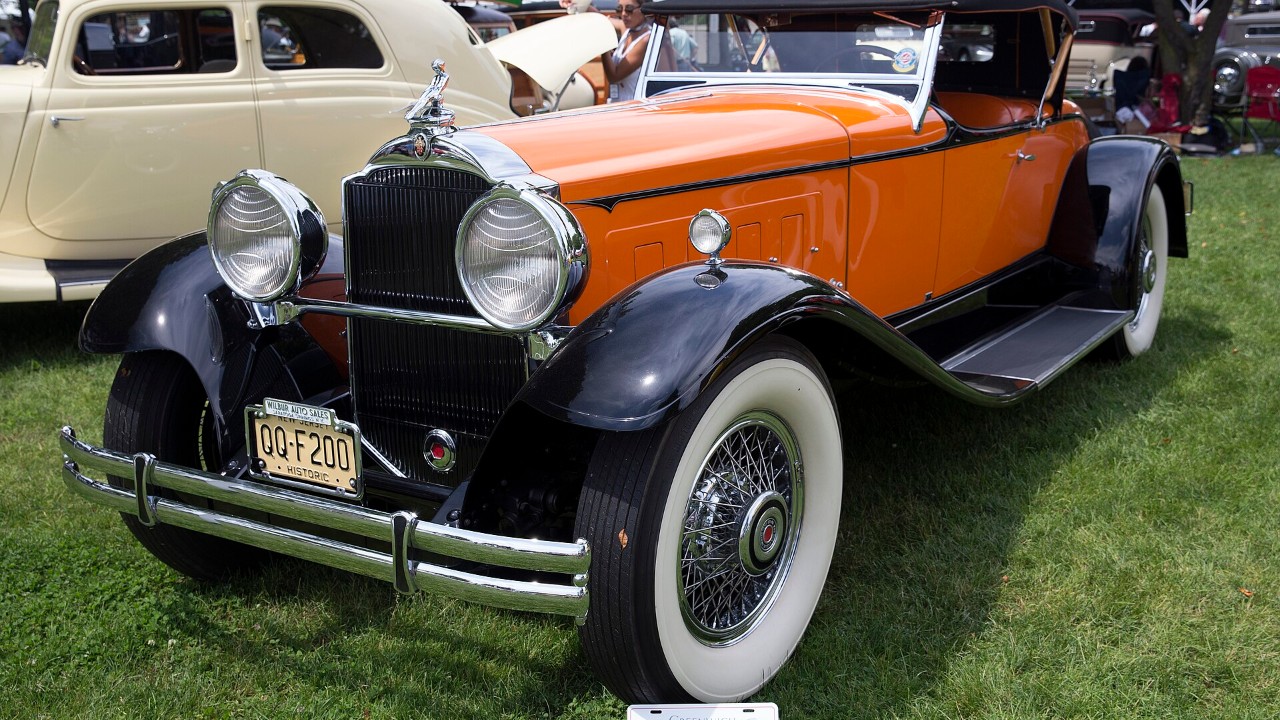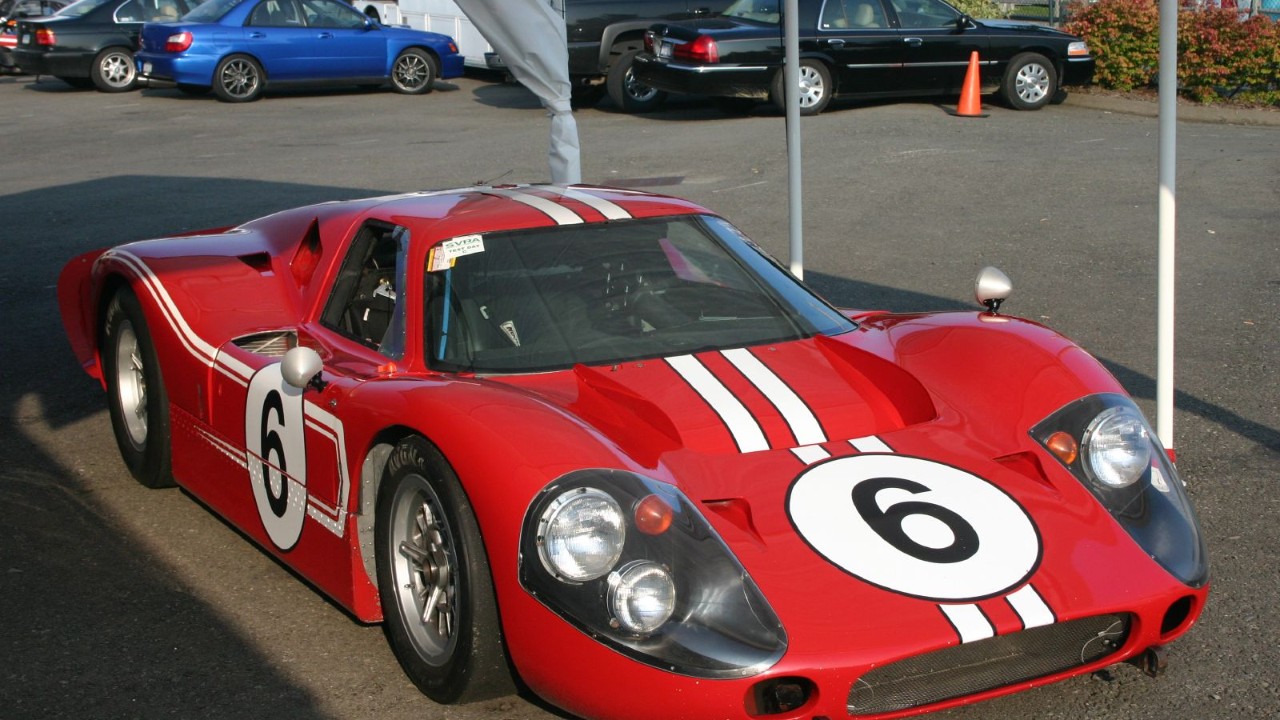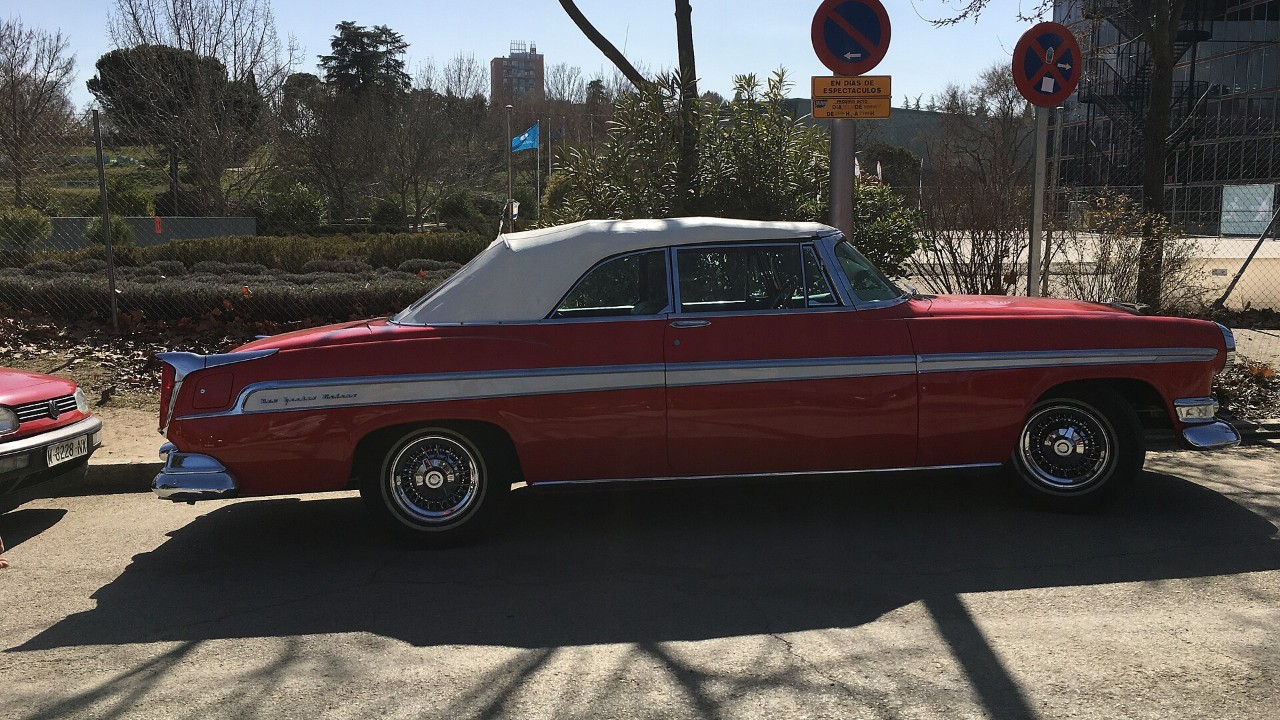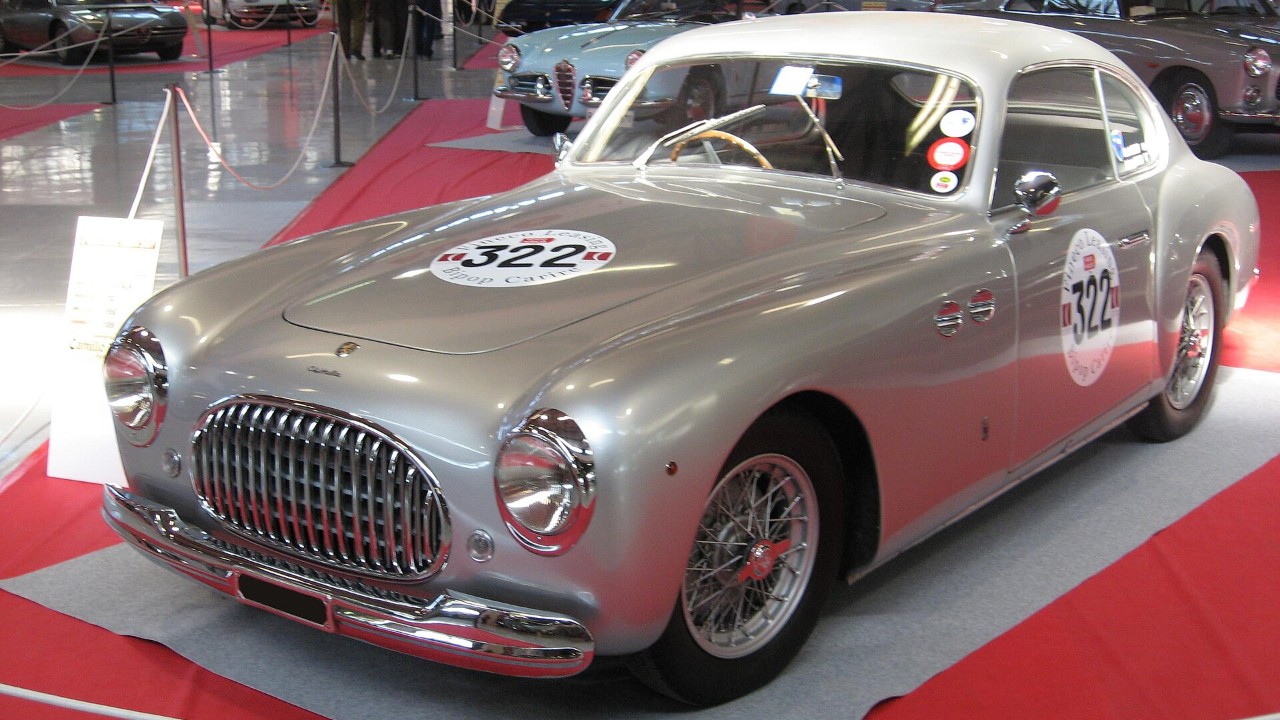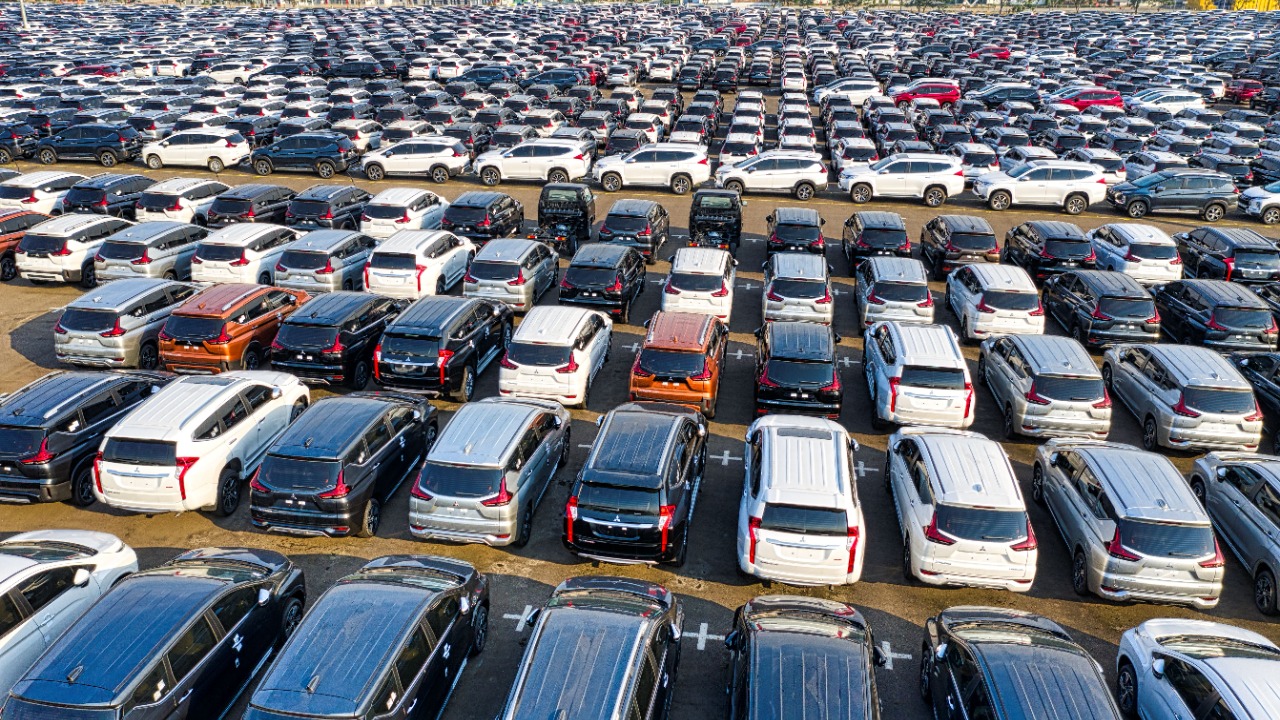
After a historic surge during the pandemic, collector car prices are starting to show stress as high living costs and cooling inflation sap some of the urgency from buyers. The market is no longer moving in one direction; trophy-grade cars still attract strong bids, while more ordinary classics are quietly being marked down or left unsold. That split is reshaping expectations for everyone from weekend enthusiasts to professional investors.
How collector car pricing has shifted from boom to a split market
The post-2020 boom lifted almost every segment of the hobby, from 1960s muscle to modern exotics. Cheap borrowing, stimulus-fueled savings and limited travel pushed affluent buyers toward tangible toys, and auction prices followed. As inflation climbed, some shoppers treated classic cars as a hedge, adding even more fuel to the run-up.That broad tide has now receded. Recent auction and private-sale data show that values for many mid-tier classics have flattened or fallen, even as the very best examples still command premiums.
Reporting on the collector car market describes a clear divide between blue-chip models and the rest of the field. Pristine, low-mileage cars with documented histories remain in demand, while driver-quality vehicles and mass-produced models face price pressure.In practical terms, that means a concours-level 1967 Chevrolet Corvette or a rare Porsche 911 variant might still set a record, but an average-condition 1980s sports coupe or basic pony car often sells below its pandemic peak.
Dealers report longer listing times and more price reductions on cars that lack standout provenance or specification. Buyers have become choosier, and many are no longer willing to stretch for “nice but not exceptional” examples.The financing backdrop has also changed. Higher interest rates increase the carrying cost of inventory for dealers and the monthly payment for retail buyers. That dynamic hits the mid-market hardest, where purchases are more likely to be financed and less likely to be treated as long-term investments. Top-tier collectors, by contrast, are more often paying cash and thinking in decades rather than seasons, which helps explain the resilience at the high end.
Why softer demand is emerging as inflation cools
Cooling inflation might sound like good news for consumers, but in the collector car world it has removed one of the psychological drivers that pushed buyers to act quickly. When prices for everyday goods were rising rapidly, some enthusiasts felt compelled to convert cash into hard assets, including classic cars, before their purchasing power eroded further. As inflation moderates, that urgency has faded, and discretionary purchases face more scrutiny.At the same time, the cost of living remains elevated compared with pre-pandemic norms. Household budgets are still absorbing higher prices for housing, insurance and maintenance, which leaves less room for big-ticket hobbies.
For many would-be buyers in the middle of the market, a $40,000 to $80,000 classic now competes directly with home repairs, tuition or paying down higher-interest debt. The tradeoff is particularly stark for younger collectors who entered the market during the boom and are now confronting more normal economic conditions.Expectations are shifting as well. After watching values climb almost relentlessly for several years, some owners are now facing the possibility that their cars are not appreciating assets, at least not in the short term. When asking prices outstrip recent auction results, buyers have plenty of data to push back.
Online platforms that publish sale histories have made it easier to identify softening segments, and savvy shoppers are using that information to negotiate or to wait for better deals.For sellers, this environment requires a reset. Those who bought at or near the peak with the intent to flip quickly may find that their equity has evaporated. Dealers holding too much mid-tier inventory face a choice between cutting prices to move metal or tying up capital in slow-moving stock. Some are already trimming acquisitions of generic models in favor of rarer specifications or cars with strong documentation, which they view as less vulnerable to cyclical swings.
Why the collector car slowdown matters for enthusiasts and investors
The cooling of mid-tier prices is not just a niche story for auction regulars. It has implications for how enthusiasts participate in the hobby and how investors think about alternative assets. For many long-time hobbyists, the boom years pushed desirable models out of reach, as even modest classics traded at eye-watering levels. Softer prices in certain segments could reopen the door for enthusiasts who care more about driving than about returns.Consider what happens if values for 1990s Japanese performance cars or 1970s American coupes retreat from speculative highs. Buyers who were previously priced out may finally find realistic entry points. That could gradually rebalance the market toward use rather than storage, with more cars returning to the road instead of sitting in climate-controlled warehouses.
Clubs and events might benefit from a broader mix of participants, rather than an increasingly investment-driven crowd.On the investment side, the recent split market serves as a reminder that collector cars are not a monolithic asset class. Blue-chip models with long-established track records can behave very differently from trend-driven segments that spike on social media attention. Investors who treated all classics as interchangeable may now be rethinking their strategies, focusing more on rarity, originality and depth of buyer demand across economic cycles.There are also knock-on effects for related businesses.
Auction houses, online marketplaces, restoration shops and specialty insurers all depend on transaction volume and stable or rising values. A more cautious buyer base can translate into fewer consignments, more withdrawn lots and tighter margins. Some firms are responding by expanding services such as market data, inspection reports and financing assistance to help buyers feel more confident in a slower market.
What to watch as the collector car market searches for its next equilibrium
The key question now is whether the recent softening represents a temporary pause or the start of a longer re-rating of mid-tier collector cars. Much will depend on the broader economic path. If inflation continues to cool without a significant rise in unemployment, discretionary spending could stabilize and support a floor under current values. If growth slows sharply or credit tightens further, more forced selling could emerge and pressure prices again.
Demographics will also shape the next phase. As older collectors age out of active ownership, a steady stream of cars will come to market. The willingness of younger buyers to absorb that supply at current price levels is not guaranteed. Their tastes often favor newer models, analog cars from the 1990s and 2000s, and vehicles that connect to childhood media rather than the 1950s and 1960s icons that dominated previous cycles. That generational shift could leave some once-coveted segments with more sellers than buyers.Technology is another variable.
Online auctions have already transformed price discovery, compressing regional differences and exposing overvalued segments more quickly. As data tools become more sophisticated, participants will have even clearer visibility into trends across model years, trim levels and condition grades. That transparency tends to reward truly exceptional cars and penalize anything that looks like a commodity, which aligns with the current split between top-tier and mid-tier values.For individual buyers and sellers, the most practical response is to focus on fundamentals. Provenance, originality, documented maintenance and correct specifications matter more in a cooler market than they did during the frenzy. So does realistic pricing.
Owners who anchor to peak-era valuations may find their cars sitting unsold, while those who align expectations with recent comparable sales are more likely to transact.The collector car world has always moved in cycles, and the current phase looks less like a collapse than a sorting process. As inflation cools and easy-money dynamics fade, the market is repricing risk and rewarding quality. Enthusiasts who approach it with clear eyes, solid research and a genuine love of the machines themselves may find that a less speculative environment ultimately serves the hobby well.
More from Fast Lane Only
- Unboxing the WWII Jeep in a Crate
- 15 rare Chevys collectors are quietly buying
- 10 underrated V8s still worth hunting down
- Police notice this before you even roll window down
*Research for this article included AI assistance, with all final content reviewed by human editors.