Caterpillar is betting that heavy equipment can go electric without tearing machines apart or redesigning job sites from the ground up. Its new Battery Electric Power Unit, or BEPU, is pitched as a direct replacement for diesel engines in large mobile gear, turning a long-term decarbonization goal into a near-term retrofit project. The concept targets fleets that cannot afford downtime or experimental one-off builds but are under pressure to cut emissions and fuel costs.
Rather than asking contractors or industrial operators to buy entirely new battery machines, the BEPU is meant to slot into existing engine bays and connect to familiar hydraulic and drivetrain components. This swap-in approach could accelerate electrification in sectors that have lagged light-duty vehicles, from recycling yards to material handlers and mobile shredders.
How Caterpillar’s BEPU concept reshapes the path from diesel to electric
The BEPU is designed as a self-contained battery and powertrain package that occupies the space where a diesel engine and its fuel system would normally sit. Caterpillar describes it as a modular drop-in unit that can be installed in new equipment or used to convert existing machines that were originally engineered around internal combustion. In place of a crankshaft and fuel injectors, the BEPU houses batteries, power electronics, and an electric motor that feeds into the machine’s existing mechanical systems.
This architecture is meant to preserve the basic layout that OEMs and fleet mechanics already understand. Hydraulic pumps, gearboxes, and axles can remain in place, while the BEPU supplies electric torque and draws energy from onboard batteries. By concentrating the electric hardware into a single package, Caterpillar reduces the need to redesign frames or relocate major components, a barrier that has long complicated retrofits of heavy equipment never intended to carry large battery packs.
Caterpillar is positioning the BEPU as a family of units that can match the power ranges of common diesel engines used in industrial and construction machinery. The company highlights compatibility with typical mobile work cycles that involve high peak loads, frequent idling, and variable duty, conditions that differ sharply from highway trucking or passenger cars. As a result, the BEPU is engineered for high-power output and the ability to sustain demanding hydraulic functions without sacrificing responsiveness.
Charging strategy is another part of the redesign. Caterpillar describes the BEPU as compatible with off-board charging infrastructure, which allows fleets to size batteries for a shift and then recharge during planned breaks. That approach fits operations where machines return to a yard or centralized depot, such as recycling facilities or municipal maintenance fleets. It also leaves room for future integration with fast chargers or energy storage systems that can manage grid demand during peak hours.
Importantly, the BEPU concept is not just a lab prototype. Caterpillar is already working with equipment manufacturers to integrate the unit into real machines that operate in harsh conditions. Early field use is intended to validate performance, durability, and serviceability in environments where dust, vibration, and variable weather quickly expose weak designs.
Why BEPU-style engine swaps are gaining traction now
The timing of Caterpillar’s BEPU push reflects a convergence of regulatory and commercial pressure on heavy equipment operators. Many jurisdictions are tightening emissions standards for off-road diesel engines, and large industrial customers are setting explicit carbon reduction targets for their supply chains. For contractors and recycling firms that rely on fleets of specialized machines, switching to electric drivetrains via engine-style modules offers a way to respond without scrapping assets early.
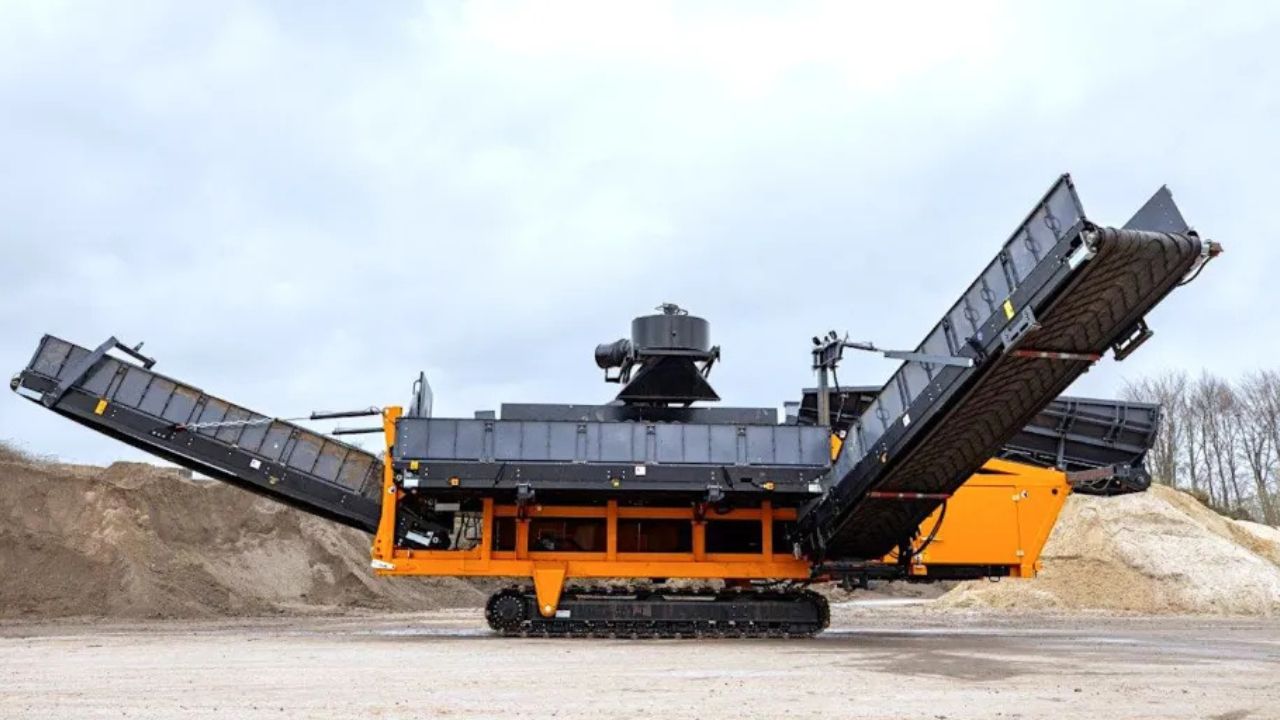
One of the clearest signals of market interest comes from Doppstadt, a German manufacturer of shredders and recycling equipment. Doppstadt has selected Caterpillar’s BEPU as an alternative to diesel power in its mobile machines, integrating the unit into platforms that previously relied on conventional engines. The company is using the BEPU to offer electric versions of equipment that handles tasks such as waste processing and material shredding, which are typically energy intensive and run for long shifts. That decision, described in detail by Doppstadt’s BEPU adoption, shows that the concept is moving into commercial use rather than remaining a theoretical retrofit solution.
For operators, the appeal centers on operating costs and worksite constraints. Electric drivetrains can cut fuel expenses and reduce maintenance tied to oil changes, filters, and exhaust aftertreatment. In enclosed or urban sites, removing diesel exhaust and engine noise can also unlock new operating windows, such as night work or indoor processing, where air quality and sound limits are strict. Because of the BEPU’s drop-in nature, these gains can be captured while keeping machine layouts familiar to both operators and service teams.
There is also a strategic advantage for OEMs that adopt a common electric module. By designing frames and hydraulic systems around a standard BEPU interface, manufacturers can offer both diesel and electric variants of the same base machine. That dual-path strategy allows them to serve markets where charging infrastructure is still limited, while preparing for regions where regulations or customer policies favor zero tailpipe emissions. It also simplifies engineering and parts logistics, since the same chassis can carry different power units depending on the buyer’s needs.
Caterpillar’s move fits a broader pattern in heavy-duty electrification, where modular power units are emerging as a bridge technology. Instead of waiting for fully bespoke electric platforms to dominate, fleets can start with retrofit-friendly solutions that integrate into existing workflows. For sectors like recycling that already operate centralized facilities, the hurdle is less about range anxiety and more about upfront cost and integration risk. A BEPU-style swap reduces that risk by keeping most of the machine intact while changing the energy source.
Next steps for Caterpillar’s BEPU and the heavy equipment sector
The immediate next phase for Caterpillar is scaling BEPU deployments from pilot integrations to broader production runs. That includes refining the unit’s configurations for different power classes and machine types, and building out the support network that will handle installation, diagnostics, and repairs. Caterpillar’s dealer system is a key asset here, since local dealers already manage complex diesel equipment and can extend that role to electric power units.
Market expansion will likely follow the early examples set by partners like Doppstadt. As recycling and waste management fleets gain experience with BEPU-equipped machines, other segments such as aggregates, forestry, and industrial material handling can evaluate similar conversions. The same logic applies to municipal fleets that operate specialized gear like street sweepers or small loaders, where predictable duty cycles and depot-based operations fit the BEPU charging model.
On the technology side, Caterpillar will need to balance battery capacity, weight, and cost as it refines the BEPU portfolio. Larger packs can extend runtime but add mass and expense, while smaller packs rely more heavily on charging logistics and careful duty-cycle planning. Advancements in cell chemistry and thermal management will shape how far the BEPU concept can stretch into heavier or more remote applications where charging opportunities are limited.
Integration with site-level energy systems is another frontier. As more BEPU-powered machines arrive in a single facility, operators will need coordinated charging strategies that avoid overloading grid connections. That could involve pairing BEPUs with stationary storage, on-site generation, or smart charging software that staggers energy demand. Caterpillar has already signaled interest in offering complete energy solutions around its electric machines, and the BEPU provides a natural anchor for those services.
Competitive dynamics are also in play. Other manufacturers are developing their own electric power modules and battery platforms, and some are favoring fully integrated machine designs rather than engine-style swaps. Caterpillar’s bet is that a modular approach will win in the near term because it respects the realities of existing fleets and capital budgets. If BEPUs prove reliable and cost effective in early deployments, they could set a template for how legacy equipment transitions to cleaner power.
More from Fast Lane Only
- Unboxing the WWII Jeep in a Crate
- 15 rare Chevys collectors are quietly buying
- 10 underrated V8s still worth hunting down
- Police notice this before you even roll window down
*Research for this article included AI assistance, with all final content reviewed by human editors.