In recent years, both compact SUVs and crossovers have surged in popularity as versatile and practical vehicle choices for a wide range of consumers. While these two types of vehicles share some similarities, they also have distinct differences that can influence a buyer’s decision. This article will explore the key characteristics, benefits, and considerations of compact SUVs and crossovers to help potential buyers make an informed choice.
Understanding the Basics
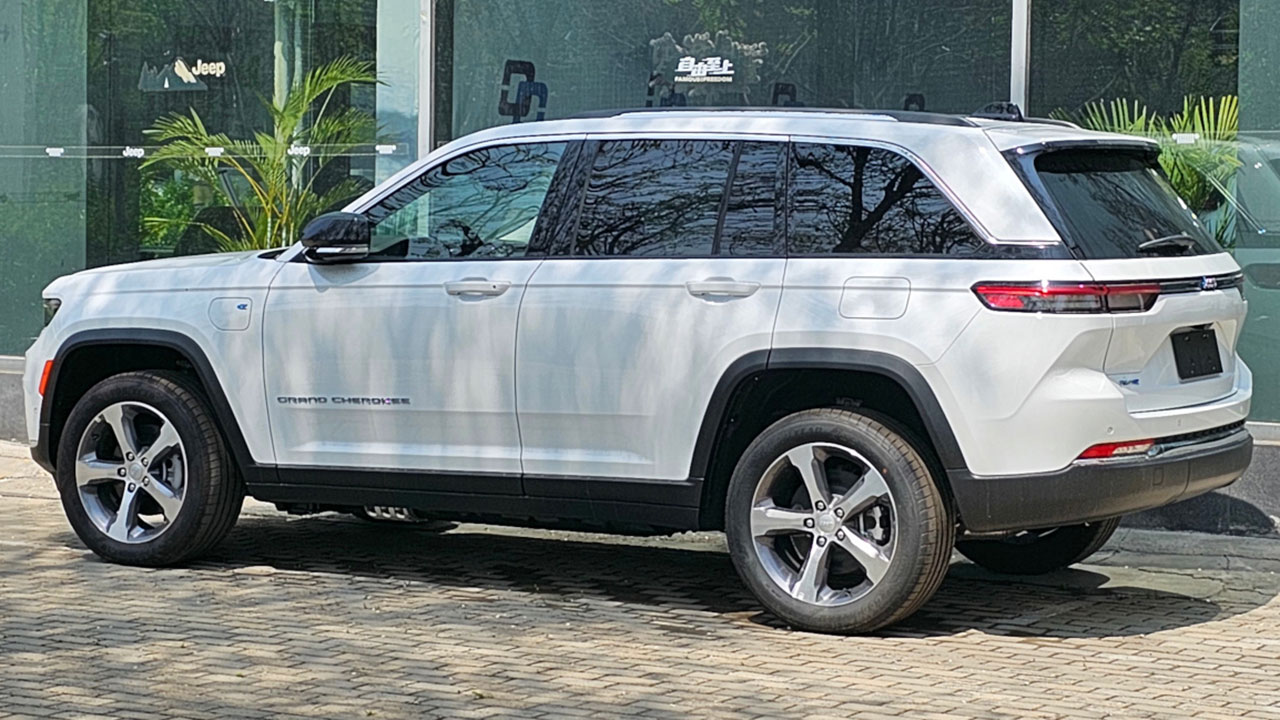
Compact SUVs are often characterized by their rugged design and body-on-frame construction, which is reminiscent of traditional SUVs. This construction method allows for enhanced durability and off-road capabilities, making compact SUVs a popular choice for those who enjoy adventure and need a vehicle that can handle more rugged terrains. Engine options in compact SUVs typically include larger, more powerful options that offer higher towing capacities, such as the 2025 Jeep Cherokee with its 3.2L V6 engine.
In contrast, crossovers are built on a unibody platform, similar to most passenger cars, which contributes to a lighter overall weight. This construction results in a design focus on comfort and efficiency, aligning with the needs of urban and suburban driving. Crossovers like the 2025 Toyota RAV4 Hybrid exemplify this approach with their emphasis on fuel efficiency and smooth ride quality, offering innovative features such as advanced driver-assistance systems and enhanced connectivity options.
Performance and Handling
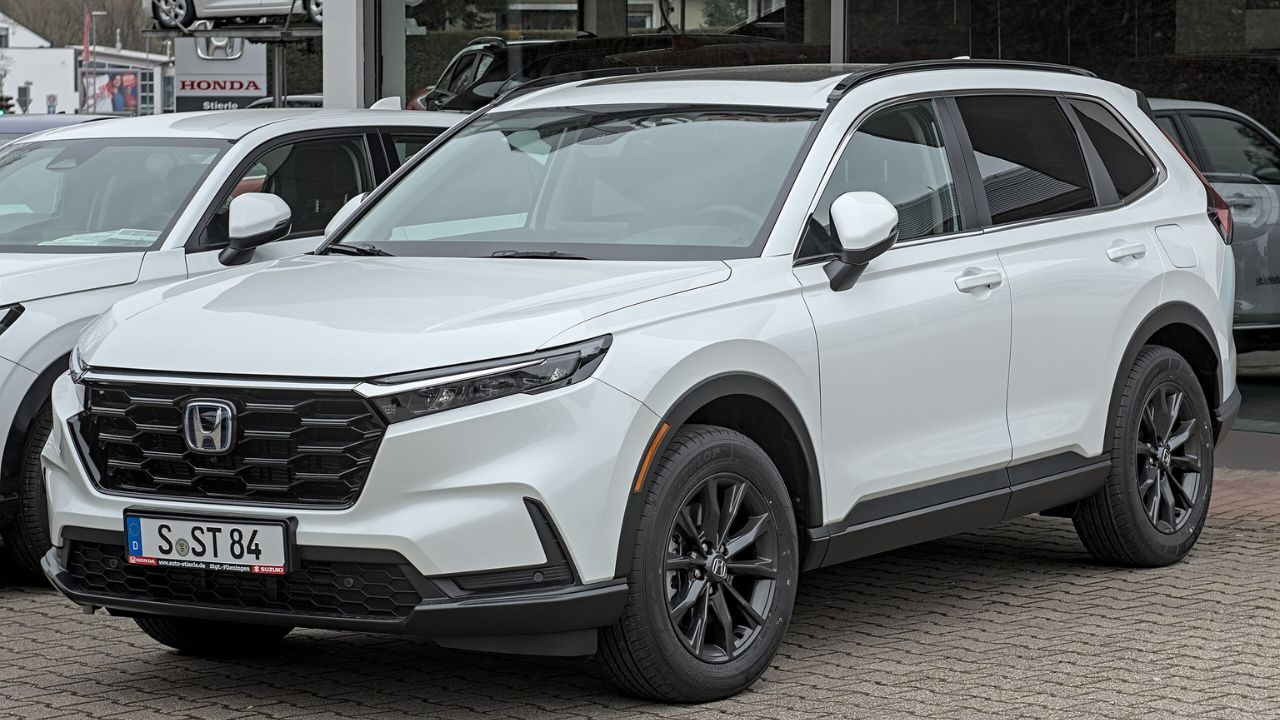
Compact SUVs are known for their robust handling and ability to tackle off-road conditions with ease. The body-on-frame construction provides superior strength and durability, which is particularly beneficial for off-road adventures or in environments where road conditions are less than ideal. For instance, the 2025 Ford Bronco Sport offers impressive off-road capabilities with features like terrain management systems and all-wheel drive options, making it a suitable choice for outdoor enthusiasts.
Crossovers, however, are designed with a focus on providing a smooth and comfortable ride on paved roads. Their unibody construction and lower center of gravity contribute to improved handling and stability, particularly in urban settings. Models such as the 2025 Honda CR-V Hybrid demonstrate this with their refined driving dynamics and enhanced fuel efficiency. The hybrid technology not only aids in reducing emissions but also improves the overall driving experience by offering a quieter and more efficient ride.
Cost and Fuel Efficiency

When considering the cost of compact SUVs, potential buyers should take into account not only the initial purchase price but also the ongoing maintenance expenses. Typically, compact SUVs like the 2025 Subaru Forester may have higher maintenance costs due to their more complex drivetrain systems and off-road capabilities. However, they offer competitive fuel efficiency in their class, with some models achieving up to 33 MPG on the highway.
Crossovers often present a different financial picture, with generally lower initial costs and higher resale values due to their widespread appeal and practical features. The 2025 Hyundai Kona Electric, for example, offers impressive advancements in fuel economy, with its electric powertrain providing significant long-term savings on fuel. Additionally, hybrid crossover models continue to rise in popularity, offering excellent fuel efficiency and lower emissions, making them an attractive choice for environmentally-conscious buyers.
Like Fast Lane Only’s content? Be sure to follow us.
Here’s more from us:
*Created with AI assistance and editor review.