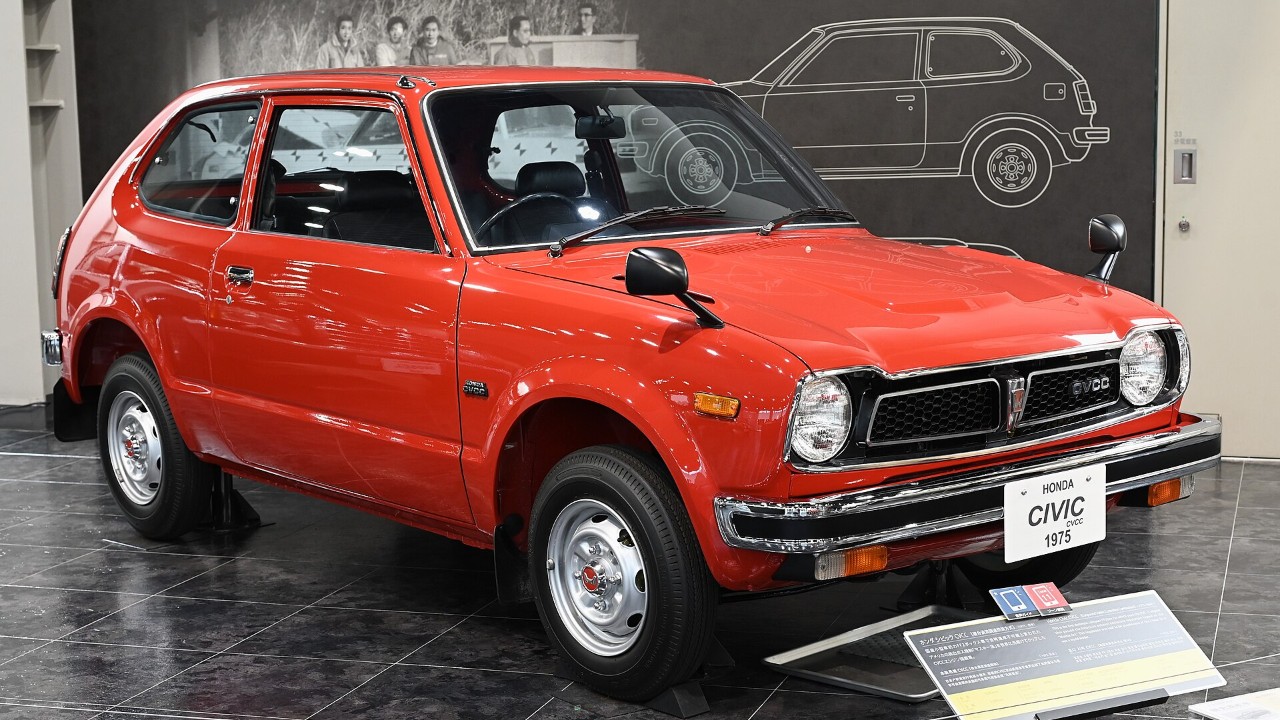
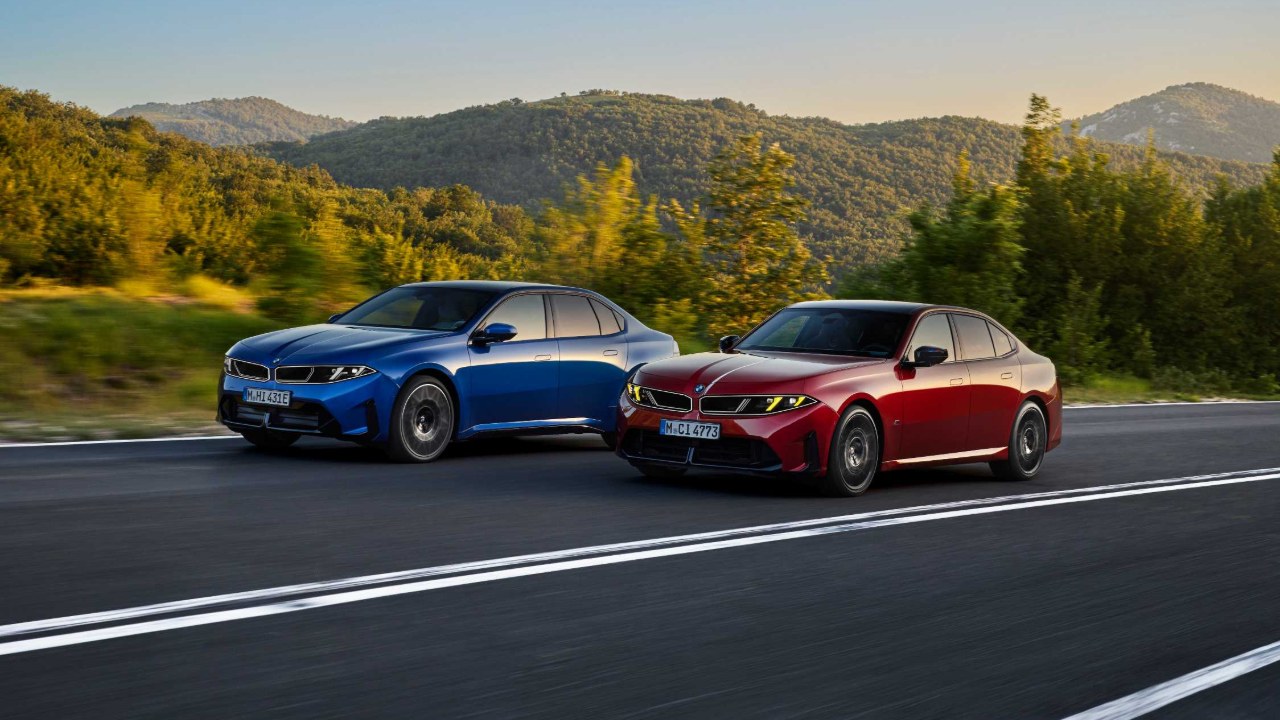
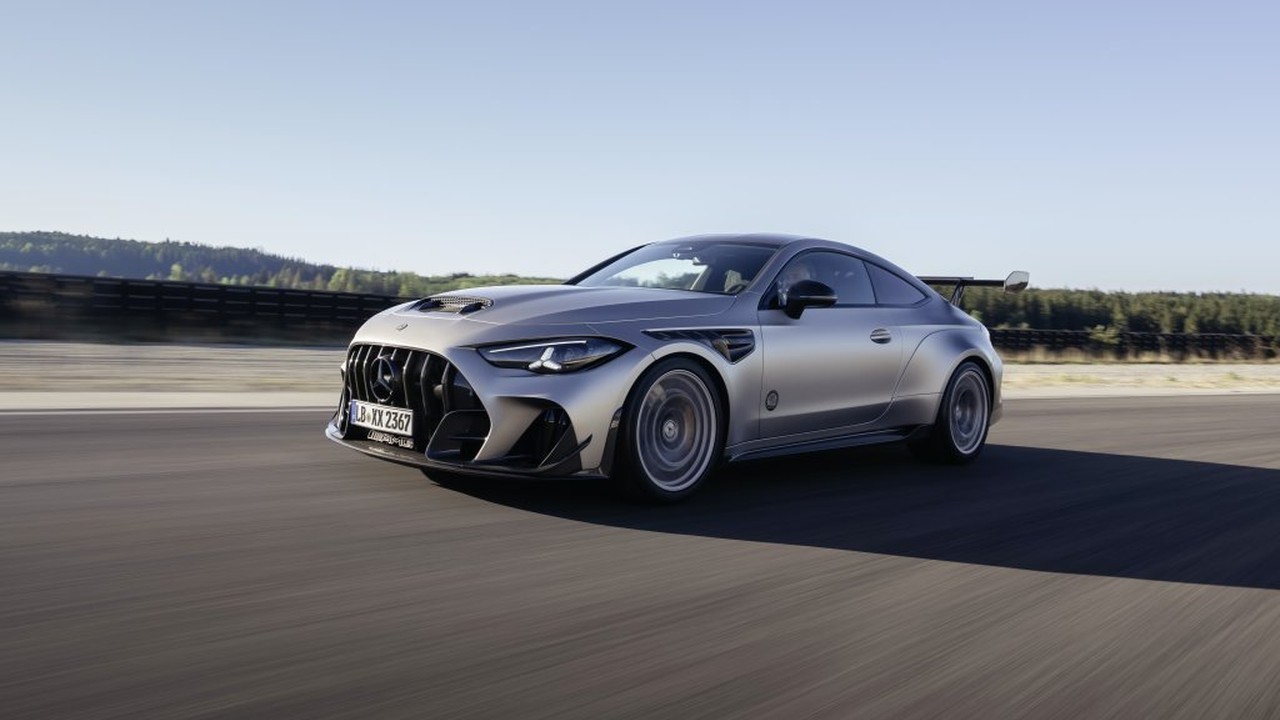
For much of the 20th century, two-door sedans were a dominant force in the automotive market, celebrated for their sleek design and sporty appeal. Their rise to prominence wasn’t just a matter of aesthetics but also practicality and cultural trends. The factors that contributed to the popularity of two-door sedans and the reasons for their eventual decline are explored in depth below.
The Rise of Two-Door Sedans
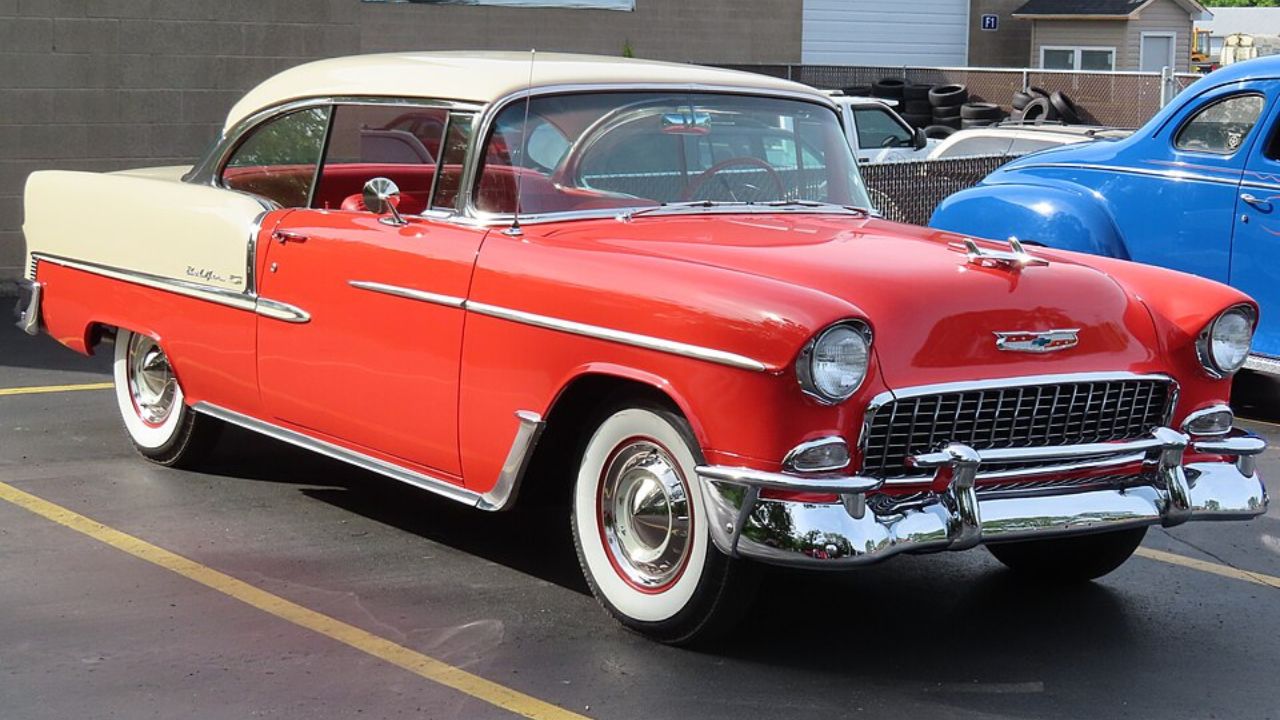
The post-war economic boom significantly contributed to the ascent of two-door sedans. Following World War II, the United States experienced unprecedented economic growth, which led to increased consumer spending. People were eager to invest in automobiles as symbols of newfound prosperity. Automakers, recognizing this demand, focused on producing stylish and affordable two-door models that appealed to a wide demographic. The 1955 Chevrolet Bel Air and the Ford Thunderbird are perfect examples of cars that captured the spirit of the era, combining affordability with a touch of luxury.
Beyond economic factors, cultural influences played a crucial role in the rise of two-door sedans. They became synonymous with the American Dream, symbolizing freedom, individuality, and the open road. Hollywood films and advertising campaigns further glamorized these vehicles, depicting them as the ultimate accessory for a youthful, adventurous lifestyle. Iconic movies like “Rebel Without a Cause” showcased these cars, embedding them into the cultural psyche as symbols of rebellion and independence.
Design and Aesthetic Appeal
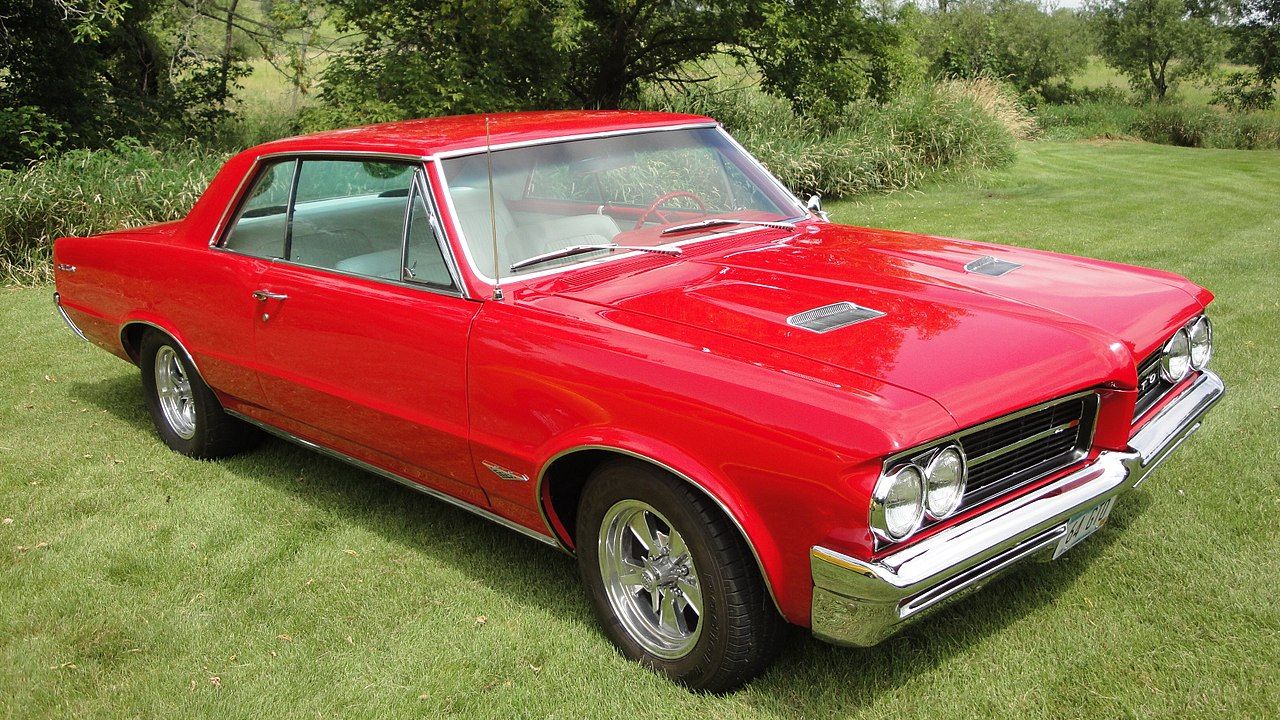
The design of two-door sedans was a significant factor in their allure. They offered a sleek, streamlined appearance that set them apart from their four-door counterparts. The aesthetic often featured longer hoods and sloping roofs, contributing to a sporty and dynamic look. This design ethos was embodied in models like the 1964 Pontiac GTO and the 1965 Ford Mustang, which remain celebrated for their stylish profiles and performance-oriented designs.
Customization and personalization opportunities further enhanced the appeal of two-door sedans. Car enthusiasts relished the ability to modify their vehicles with aftermarket parts, from custom paint jobs to performance enhancements. This personalization offered a canvas for self-expression, drawing in a diverse range of drivers from young thrill-seekers to seasoned gearheads. The ability to make a car uniquely one’s own resonated with many, enhancing the personal connection between driver and vehicle.
Practicality and Functionality

Two-door sedans were not just about looks; they also offered practical advantages. With fewer doors, these cars were generally lighter, translating to better fuel efficiency and handling. This made them particularly appealing in urban settings, where maneuverability and ease of parking were significant considerations. Models like the 1972 Datsun 240Z exemplified this balance of practicality and performance, offering nimble driving dynamics alongside an attractive design.
Cost-effectiveness was another factor that contributed to the popularity of two-door sedans. Their simpler design meant they were often less expensive to manufacture, resulting in more competitive pricing. This affordability made them accessible to a broader audience, from young professionals to families seeking a second vehicle. The lower production costs also allowed manufacturers to offer more features at a lower price point, increasing their appeal in a competitive market.
Technological Advancements and Market Shifts
As the 20th century progressed, advancements in automotive technology began to shift consumer preferences. Innovations in safety, space, and fuel efficiency made four-door cars more appealing, gradually addressing the limitations that had once made two-door models more desirable. For instance, improvements in safety features, such as airbags and anti-lock brakes, became standard in larger vehicles, making them more attractive family choices.
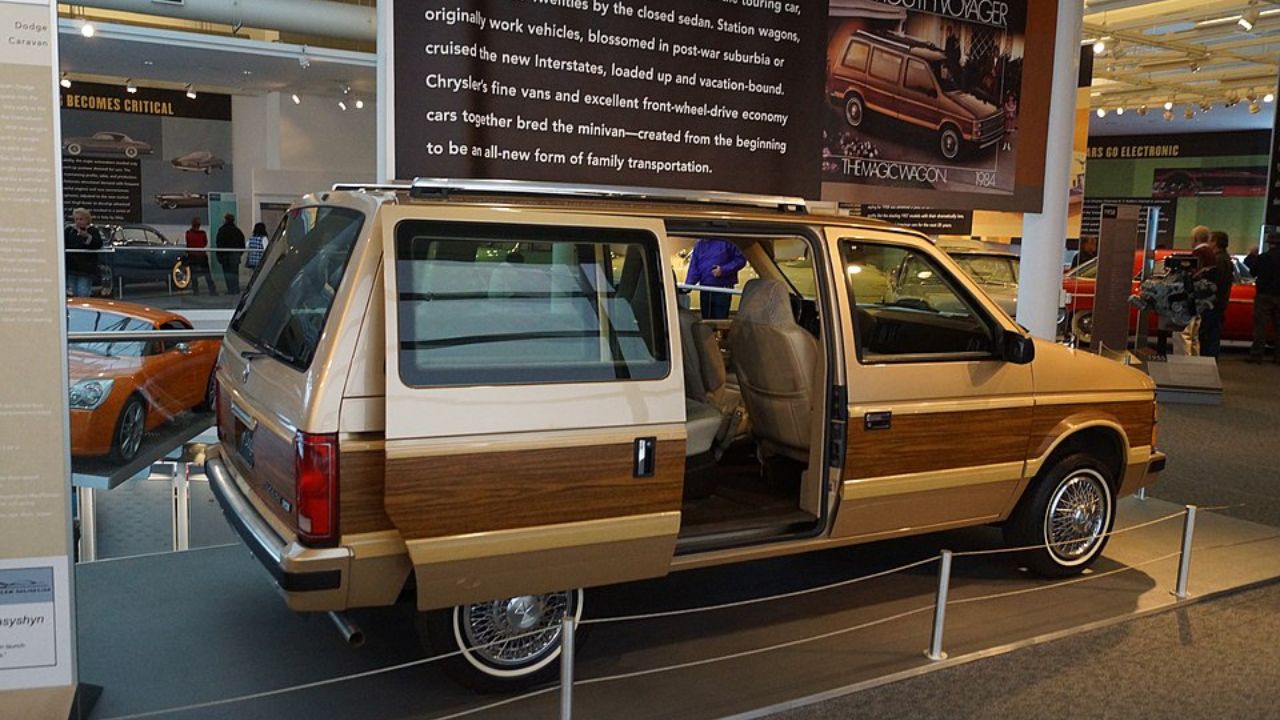
The changing needs of consumers also played a role in the decline of two-door sedans. As families grew, the demand for vehicles with greater passenger capacity increased. The emergence of SUVs and minivans in the late 20th century offered practical alternatives that could accommodate more passengers and cargo. Models like the 1984 Dodge Caravan and the 1990 Ford Explorer capitalized on this shift, offering versatility and space that two-door sedans could not match.
The Decline and Legacy of Two-Door Sedans
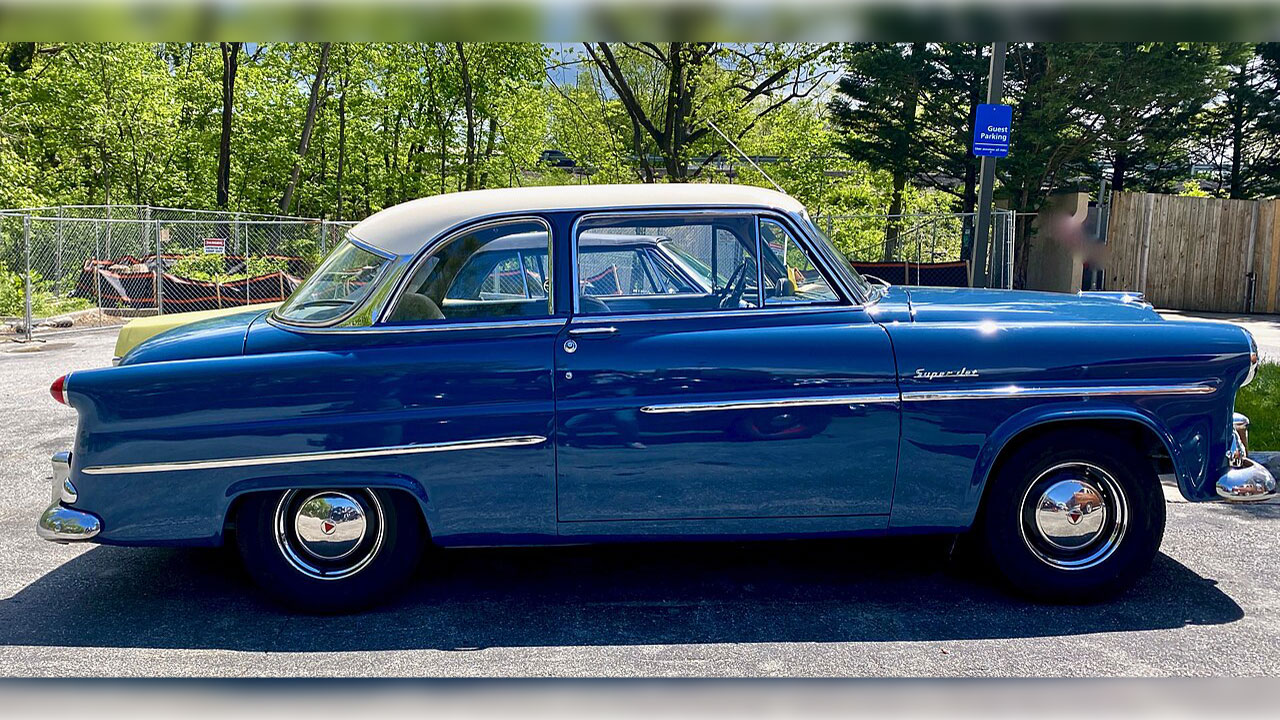
By the late 20th century, the automotive market had become saturated with a plethora of car models, leading to increased competition. Automakers, in response to evolving consumer demands, began diversifying their offerings, which ultimately led to a decline in two-door sedan production. The focus shifted towards vehicles that offered more space and versatility, aligning with the changing preferences of buyers who prioritized practicality over style.
Despite their decline in production, two-door sedans have left an indelible mark on automotive history. Their influence can still be seen in modern car designs, where sporty aesthetics and personalization options remain popular. Enthusiasts and collectors continue to celebrate iconic models from the past, and car shows often feature these classic vehicles, keeping their legacy alive. The nostalgia associated with two-door sedans endures, reminding us of a time when cars were not just modes of transportation but symbols of personal freedom and expression.
Like Fast Lane Only’s content? Be sure to follow us.
Here’s more from us:
*Created with AI assistance and editor review.