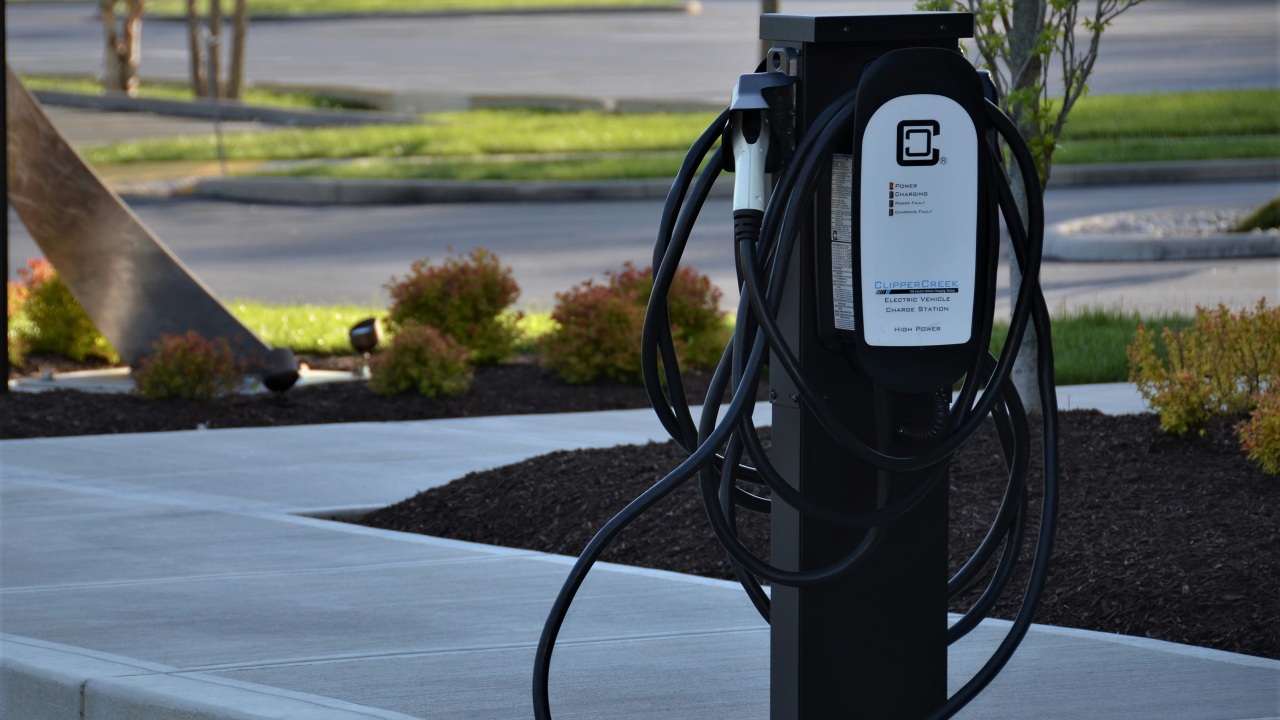
Connecticut drivers are getting something rare at the Department of Motor Vehicles: a tangible perk. The state has added dozens of electric vehicle chargers at DMV branches, turning one of the most dreaded errands in driving into a chance to top up a battery while waiting in line. It is a small but concrete shift that hints at how public agencies can make the EV transition feel less like a mandate and more like a service.
What Connecticut actually built at the DMV
The Connecticut Department of Motor Vehicles has installed 36 electric vehicle charging stations across six branch locations, creating one of the state’s more visible clusters of public chargers in places drivers already visit. The Connecticut Department of Motor Vehicles has said the chargers are spread among key branches, including sites in Wethersfield and other high traffic corridors, so that drivers who come in for license renewals, registrations, or road tests can plug in as part of the same trip. For a state that has struggled with range anxiety outside its urban centers, putting hardware at DMV parking lots signals that EVs are not just for early adopters with home garages.
Users will be charged $0.32 per kilowatt to use the stations, a flat energy price that gives drivers a predictable cost every time they plug in. The DMV has framed the rollout as part of a broader modernization push, with Commissioner Tony Guerrera saying he is “thrilled” to see chargers at several branch locations and positioning the move as a way to support residents who have already made the switch to electric. By setting a clear price and clustering 36 ports in six branches, the agency is trying to make charging feel as routine as paying a fee at the service window.
Why a DMV charger counts as a “win” for drivers
For most people, a trip to the DMV is synonymous with lost time, so the ability to recover some of that time in the form of added range is not trivial. Instead of sitting in a plastic chair scrolling through a phone while a number creeps forward on a screen, an EV driver can leave a Hyundai Ioniq 5 or Chevrolet Bolt charging outside and walk back to a car with dozens of extra miles in the battery. Coverage of the new stations has highlighted that going to the DMV is never fun, but in Connecticut at least, a driver can now get something tangible out of the wait beyond a new piece of plastic.
The value is especially clear for residents who cannot install a Level 2 charger at home, such as renters in older multifamily buildings or people who rely on street parking. For them, a DMV visit becomes a scheduled opportunity to add a meaningful charge at a predictable price of $0.32 per kilowatt, without hunting for a private network in a strip mall parking lot. That is why some EV advocates have treated the DMV rollout as a rare win for drivers, a case where a government office that usually represents bureaucracy is quietly making ownership a bit easier.
How the DMV chargers fit into Connecticut’s EV policy push
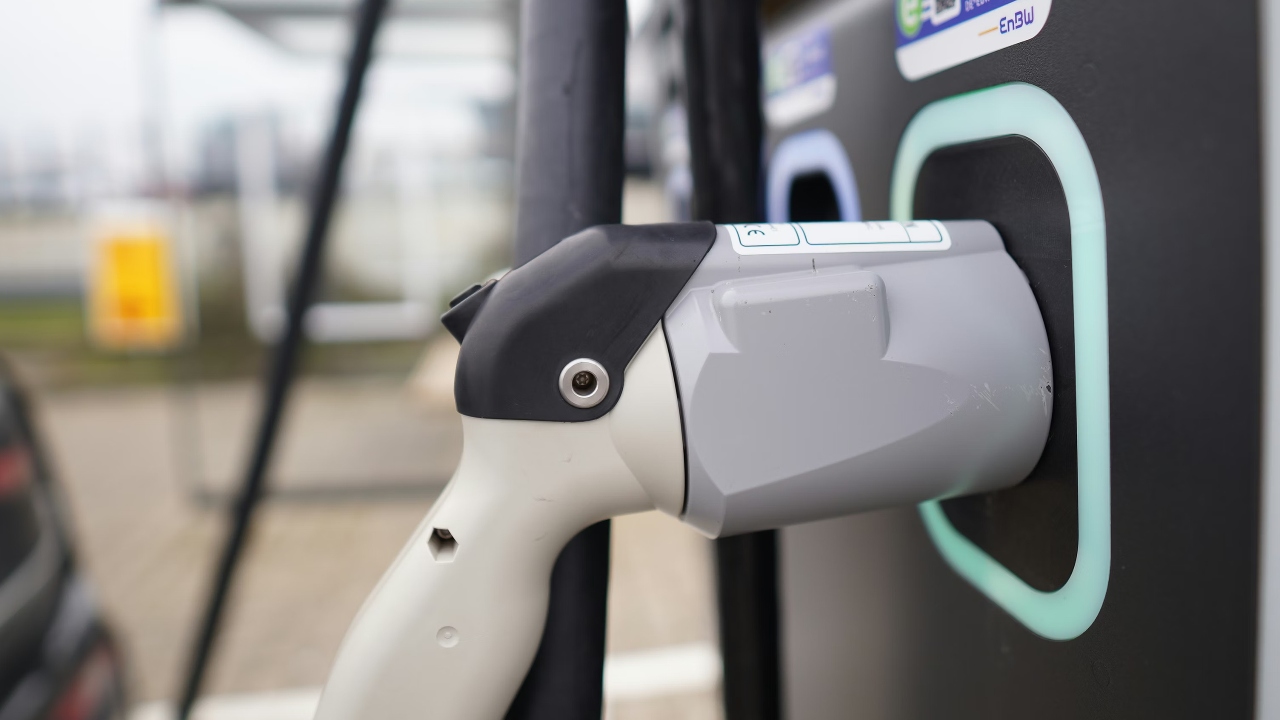
The new stations are not appearing in a vacuum, they are landing just as Connecticut tightens its own rules around state vehicle fleets and electric infrastructure. Under state law, Alternative fuel vehicles that the government purchases must be capable of operating on an EPA approved alternative fuel, and beginning in early 2026, cars and light duty trucks that the state buys are expected to meet specific electric or plug in hybrid thresholds. Those requirements, detailed in the state’s electricity laws and incentives, are meant to push agencies toward cleaner fleets and to normalize charging equipment at public facilities.
By putting chargers at DMV branches, the state is effectively turning its own parking lots into test beds for that policy. The Department of Motor Vehicles can now support both public users and any future state owned EVs that need to charge during the workday, which aligns with the broader requirement that Alternative fuel vehicles be practical to operate. It also helps Connecticut show progress at a time when experts have warned that the state still has more work to do on charging coverage and when there have not been any reductions in funding for EV infrastructure despite political fights over national programs. In that context, the DMV rollout is a visible, easy to understand example of state level policy turning into hardware on the ground.
A small buildout in a state that still needs more plugs
Even supporters of the DMV project acknowledge that 36 chargers, while welcome, are a modest addition in a state that wants to see tens of thousands of electric vehicles on the road. Analysts who track the network have pointed out that Connecticut’s charging map still has gaps, particularly outside the Interstate corridors and in lower income neighborhoods where private investment has been slower. Reporting on the DMV buildout has noted that experts say the state still has more work to do, a reminder that a handful of new stations at six branches will not by itself erase range anxiety for someone driving from Winsted to the shoreline in winter.
The context is complicated further by national fights over EV funding, including a lawsuit in which 16 states have challenged the Trump administration over a federal freeze on certain charging funds. That dispute centers on Funding streams that are separate from the $5 billion National Electric Vehicle Infrastructure program, but the effect is the same, uncertainty about how quickly large corridors will be built out. Against that backdrop, Connecticut’s decision to move ahead with DMV chargers using its own authority looks less like a one off perk and more like a hedge against federal delays, a way to keep momentum even if Washington money arrives slowly.
What this signals for everyday EV adoption
The symbolism of putting chargers at the DMV matters almost as much as the kilowatts. When a driver sees a row of EVs plugged in outside the same building where they take a road test or renew a registration, it sends a quiet signal that electric is becoming part of the default driving experience. I see that as a subtle but important shift from treating EVs as niche technology to treating them as just another kind of car that the state expects to serve, inspect, and regulate. It is the same logic that has led some municipalities to add chargers at libraries, parks, and commuter lots, places that anchor daily routines rather than special trips.
There is also a behavioral nudge built into the DMV rollout. If a driver in a gasoline powered Honda Civic spends an hour in a waiting room watching EV owners walk back to cars that have gained useful range, the idea of switching to a plug in model may feel less abstract. Over time, that kind of exposure can complement more formal incentives, such as state rebates or fleet purchase rules tied to EPA standards, by making the technology visible and convenient. The DMV chargers will not decide Connecticut’s emissions trajectory on their own, but they do show how a single agency can turn a dreaded errand into a small, practical reason to consider going electric.
More from Fast Lane Only: