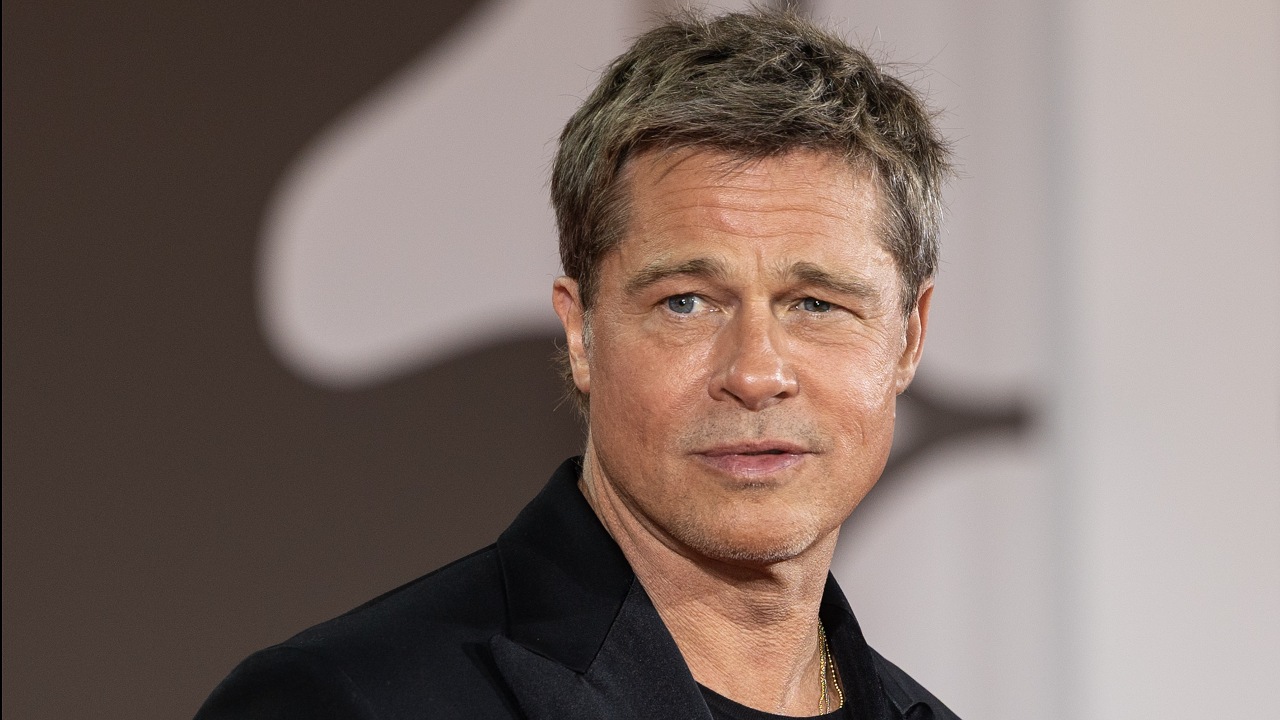
Brad Pitt has spent decades performing under pressure, but he says nothing quite matched the intensity of filming his Formula 1 drama in the middle of real grand prix weekends. Instead of a closed set, the production dropped into live race schedules, surrounded by teams, drivers, and fans who treat the paddock as sacred ground. For Pitt, that choice raised the stakes on every lap and every take, turning a movie shoot into something that felt like an actual sporting event.
‘Hallowed ground’ and a production that had to earn its place
Pitt has been clear that the first hurdle was simply convincing Formula 1 that a Hollywood crew could coexist with a world championship in full flight. He described the circuits as “hallowed ground” and said the team had to demonstrate they could fit into a race weekend “without cocking up their programming,” a blunt acknowledgment that any mistake could disrupt a global broadcast and the work of ten teams fighting for points. That meant building trust with the series, from the paddock bosses to the marshals, before cameras ever rolled on the grid or in the pit lane, and treating every minute of track time as borrowed.
Once that access was granted, the pressure shifted to execution. Pitt has said the production felt it “had to be perfect” when it rolled out on track, because any misstep would not only waste precious laps but also risk the relationship with Formula 1 that made the film possible in the first place. Director Joseph Kosinski, coming off the success of “Top Gun: Maverick,” brought the same obsession with authenticity to the project, using the real race environment as both backdrop and stress test for the cast and crew. That approach, supported by reporting on the film’s collaboration with Formula 1 and its presence at circuits like Silverstone, Spa, and Yas Marina, turned the shoot into a live audition in front of the sport’s most demanding insiders.
Driving at speed while the world watched
The decision to run cars on track during actual grand prix weekends meant Pitt was not just acting, he was driving at serious speed with real consequences. He has spoken about the experience of lapping circuits on the same weekends that Formula 1 cars were running, describing how the production’s fictional team slotted into the schedule between official sessions. At Spa, he recalled that “that was that same weekend we were driving,” underlining how closely the movie’s track time sat alongside the real Belgian Grand Prix program. The result was a strange dual reality, with Pitt both portraying a veteran racer and sharing the asphalt with the sport’s current stars.
That blend of fiction and reality created some of the film’s most intense days. Kosinski has described Las Vegas as the “scariest” shoot, with Pitt and his stunt team working on the front straight after qualifying at the Las Vegas Grand Prix. The director has spoken about the risk of cars crashing into the barriers and the need to choreograph every move so that the production’s modified machines could run safely on a street circuit still set up for a night race. Those sequences, captured with cameras mounted on the cars, were designed to produce footage that Kosinski has said is even more immersive than what viewers see in a standard Formula 1 broadcast, a claim that underscores how aggressively the film tried to exploit its rare access to live race conditions.
From feeling ‘like a horse’s a**’ to owning the paddock
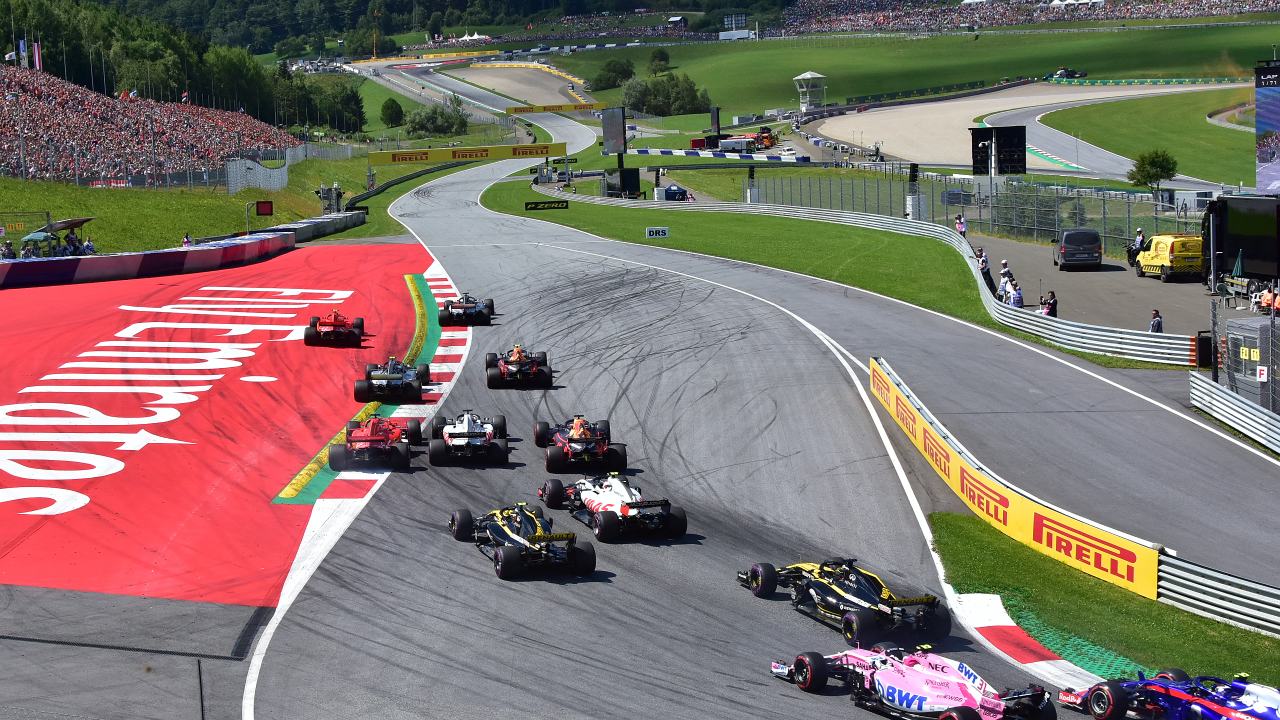
For all his experience, Pitt has admitted that stepping into the Formula 1 paddock as a quasi-driver was initially humbling. He recalled a moment early in the shoot when he felt “like a horse’s a**,” a candid way of describing the awkwardness of playing racer in front of people who do the job for real. The early days at events like the 2023 British Grand Prix were a learning curve, as he and his co-stars adjusted to the rhythms of a race weekend, the scrutiny of cameras, and the quiet judgment of mechanics and engineers who know exactly how a driver should carry himself.
Over time, that discomfort gave way to a sense of belonging. Pitt has said that “certainly by the end of it, we felt like we were in our own backyard,” suggesting that repeated weekends embedded with the paddock turned the film unit into a familiar presence. That shift was not just emotional, it was practical: the crew had to refine how quickly they could move cars, reset shots, and clear the pit lane so they did not interfere with teams preparing for sessions. By the later races, the fictional team’s garage and pit wall looked and operated enough like the real thing that the boundary between movie set and championship round blurred for everyone involved.
Reinventing racing on screen with Kosinski and Hamilton
The stakes of filming on live race weekends were not only about logistics, they were about ambition. Pitt and Kosinski set out to raise the bar for racing cinema in the same way “Top Gun: Maverick” redefined aerial action, and they leaned on Formula 1’s full cooperation to do it. The production created a fictional eleventh team, complete with its own livery and garage space, and integrated it into the paddock at circuits such as Silverstone, Spa, and Yas Marina. That embedded approach, combined with high resolution cameras mounted on the cars, produced what Kosinski has described as footage that surpasses standard Formula 1 coverage, promising a level of cockpit immersion that traditional race broadcasts cannot match.
Lewis Hamilton’s involvement as a producer and creative voice added another layer of authenticity. Reporting on the project has highlighted how Hamilton and Pitt worked together to shape the film’s depiction of drivers, teams, and the politics of the grid, ensuring that the story respected the realities of the sport even as it followed a fictional narrative. The official title, “F1,” signals how closely the movie is tied to the championship’s branding, and the production’s presence at multiple grands prix shows how far the series was willing to go to support a project that could bring new audiences to the sport. In that context, the pressure Pitt describes is not just personal, it reflects the expectations of a global franchise betting that a feature film can capture the intensity of modern Formula 1.
How ‘F1’ reinvigorated Pitt and reframed his career
For Pitt, the experience of making “F1” was not only a technical challenge, it was a creative jolt. He has called the shoot “extraordinary” and said that the driving days were so demanding that the pure acting scenes almost felt like a break, a reversal of the usual hierarchy on a film set. In a separate conversation, he described the project as something that reinvigorated him, suggesting that the combination of physical risk, high level collaboration, and immersion in a new world gave him fresh energy for the work. That sense of renewal is striking for an actor who has already collected major awards and led some of the most acclaimed films of the past three decades.
Asked whether this surge of motivation meant he would keep going for years, Pitt answered with an easy “Yeah,” hinting that “F1” has extended his horizon rather than bringing him closer to retirement. The way he talks about the film, from the “hallowed ground” of the paddock to the “unbelievable” experience of driving at Spa, suggests that the project has become a personal milestone as much as a professional one. By choosing to shoot in the middle of live race weekends, he and his collaborators accepted a level of scrutiny and risk that few film productions ever face. The payoff, if the finished movie matches the ambition of its making, could be a racing drama that feels as tense and alive as a real grand prix, and a late career chapter for Pitt defined by the roar of hybrid engines and the narrow margins of a sport that leaves no room for error.
More from Fast Lane Only: