The first Continental Cabriolet started as one man’s vacation car. In 1938, Lincoln’s chief stylist Bob Gregorie built a one-off for Edsel Ford to drive in Florida the following March. Once it arrived, Edsel reportedly told Michigan he could sell about 1,000 of them.
That name has lived a long life since then. Lincoln used it on and off until 2020, and across the Atlantic, Bentley used it on its high-performance models. So the badge has covered hand-built prewar convertibles, four-door ragtops, turbocharged coupes and a stretched modern sedan with rear-hinged doors.
These nine are our picks, starting with that Continental Cabriolet. They’re a mix of Lincolns and Bentleys that we admire for their design, their engineering or simply their nerve. The verdict is our opinion. The years, engines and production figures come from maker records, period releases and reference sources we read for this story.
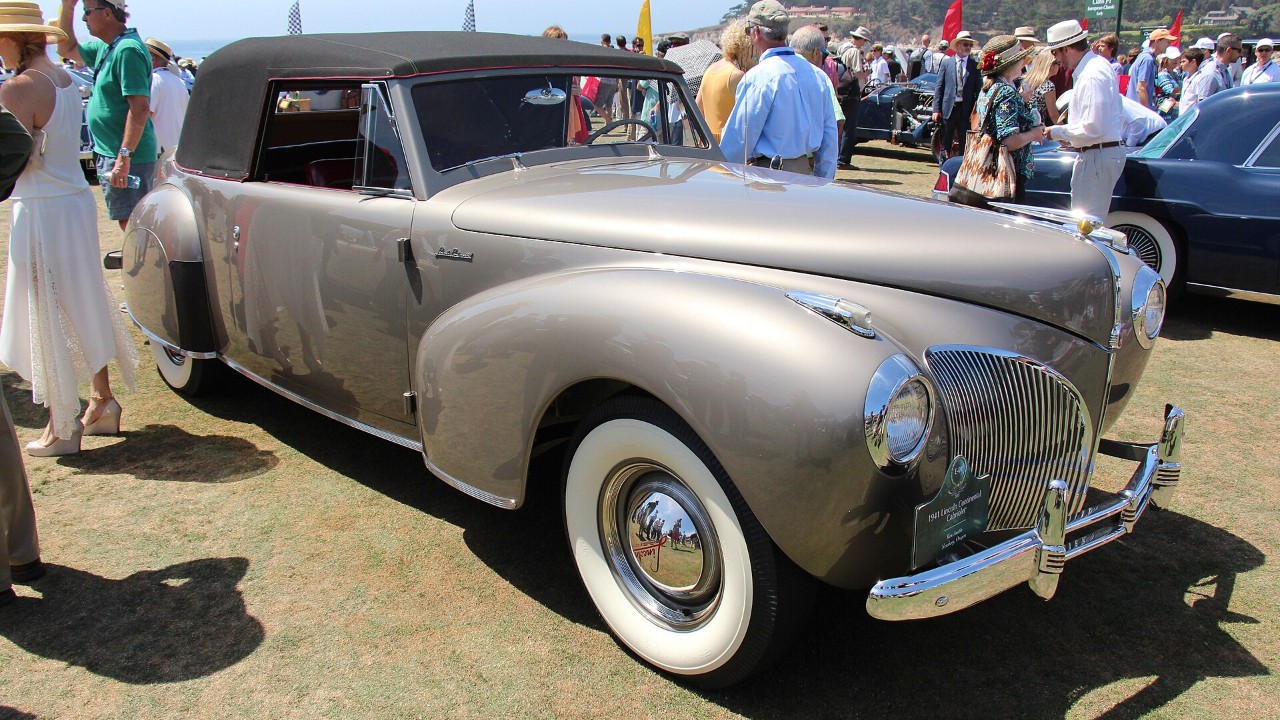
1. 1941 Lincoln Continental Cabriolet
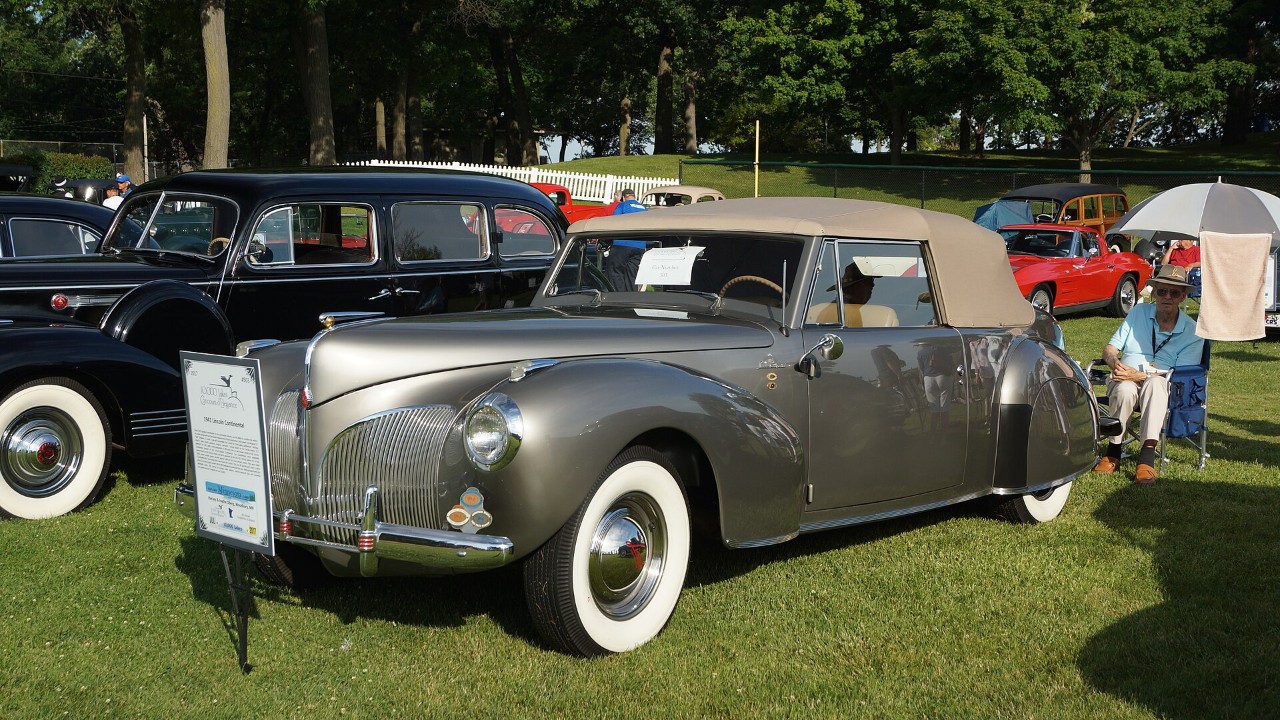
Gregorie started from Lincoln-Zephyr blueprints. He lowered and sectioned a Zephyr convertible until it sat nearly 7 inches lower than a standard Lincoln, and he removed the running boards. A 267-cubic-inch V12 sat up front. Meanwhile, the spare tire moved outside onto the rear, a European touch that helped inspire the Continental name.
Production began almost at once, mostly as Continental Cabriolets with a handful of coupes. At first, Lincoln built the cars largely by hand. About two dozen 1939-built cars and some 400 of the 1940 models had hand-hammered body panels, because the dies for pressed panels weren’t ready. Those finally arrived for 1941. Fans often call the 1939-built cars “1940 Continentals,” which adds to the confusion about early years.
That makes the 1941 Continental Cabriolet a turning point. It was the first year with pressed body panels, yet it kept the long hood, short deck and outside spare of Gregorie’s original. In our view, few American cars of the era look so balanced, and the V12 adds to the sense of occasion. The design started as a favor to the boss, and it ended up defining a brand. If you ever see a 1941 Continental Cabriolet at a show, look at it from the side first.
2. 1957 Bentley S1 Continental
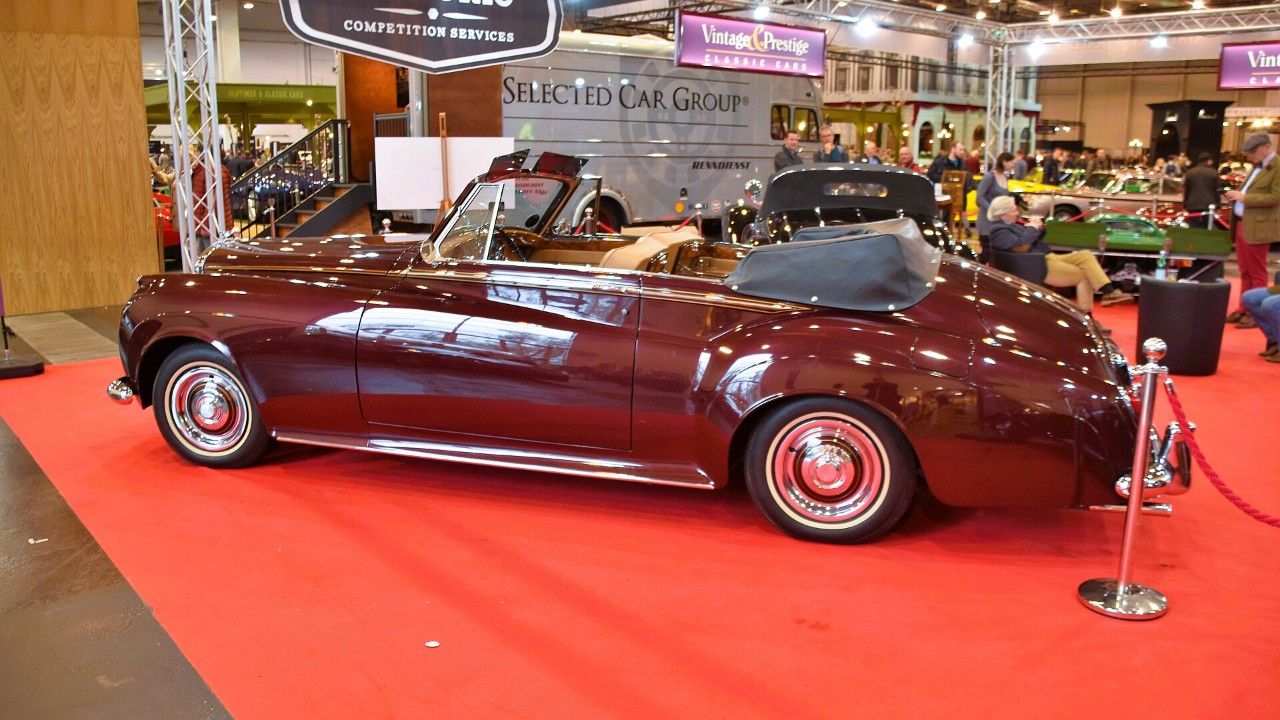
Bentley announced the S1 in April 1955. It was closely related to the Rolls-Royce Silver Cloud, and it replaced the R Type saloon with a longer, lower body and a larger trunk. A 4.9-liter straight-six and a four-speed automatic came as standard.
About six months later, Bentley added the high-performance S Continental. The factory sold it as a rolling chassis only, so buyers then picked a coachbuilder. H. J. Mulliner, Park Ward, James Young and Freestone & Webb all offered lighter two-door coupe and drophead bodies. The catch was price. Those special bodies cost roughly 50% more than a standard car. Pininfarina even built a pre-production two-seat coupe for the factory.
For that money, owners got a fast, hand-finished grand tourer with an engine shared with the saloon but a body built to carry less weight. We admire the S1 Continental because it shows how Bentley still thought like a sporting brand in the 1950s. Each car reflects the taste of the person who ordered it. As a result, the cars vary from one coachbuilder to the next, and that makes every one a small surprise.
3. 1960 Bentley S2 Continental Flying Spur
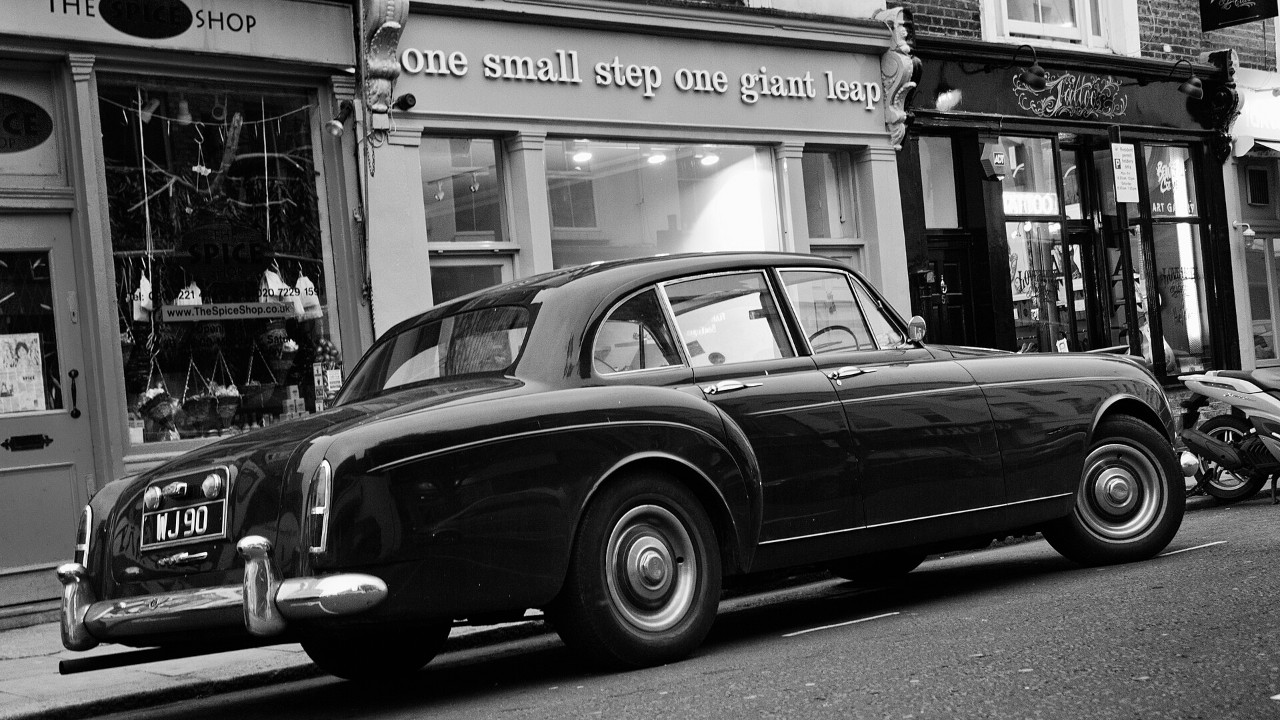
The S2 arrived in October 1959 with the biggest change under the hood. Gone was the straight-six. In its place sat a 6.2-liter aluminum V8, the L410, with twin carburetors and an 8:1 compression ratio. Rolls-Royce used the same engine in the Silver Cloud II, a pairing we compared in our Silver Cloud vs. Bentley S2 piece.
As before, the Continental was the sporting version. Bentley gave it a higher-performance engine and taller gearing to suit lighter coachwork. Only 388 S2 Continentals were built between 1959 and 1962. Coachbuilders included Park Ward, Hooper, James Young and H. J. Mulliner. Meanwhile, the standard S2 saloon added power steering as part of a broad update.
H. J. Mulliner’s Flying Spur is the one we’d pick. It is a four-door body on the Continental chassis, so it gave a family the performance of the coupe without squeezing anyone into the back. That idea was unusual for the time, and Bentley later reused the Flying Spur name on its modern four-door. In our view, the 1960 car is the more graceful of the two. Its long, low roofline makes a big sedan look light.
4. 1966 Lincoln Continental convertible
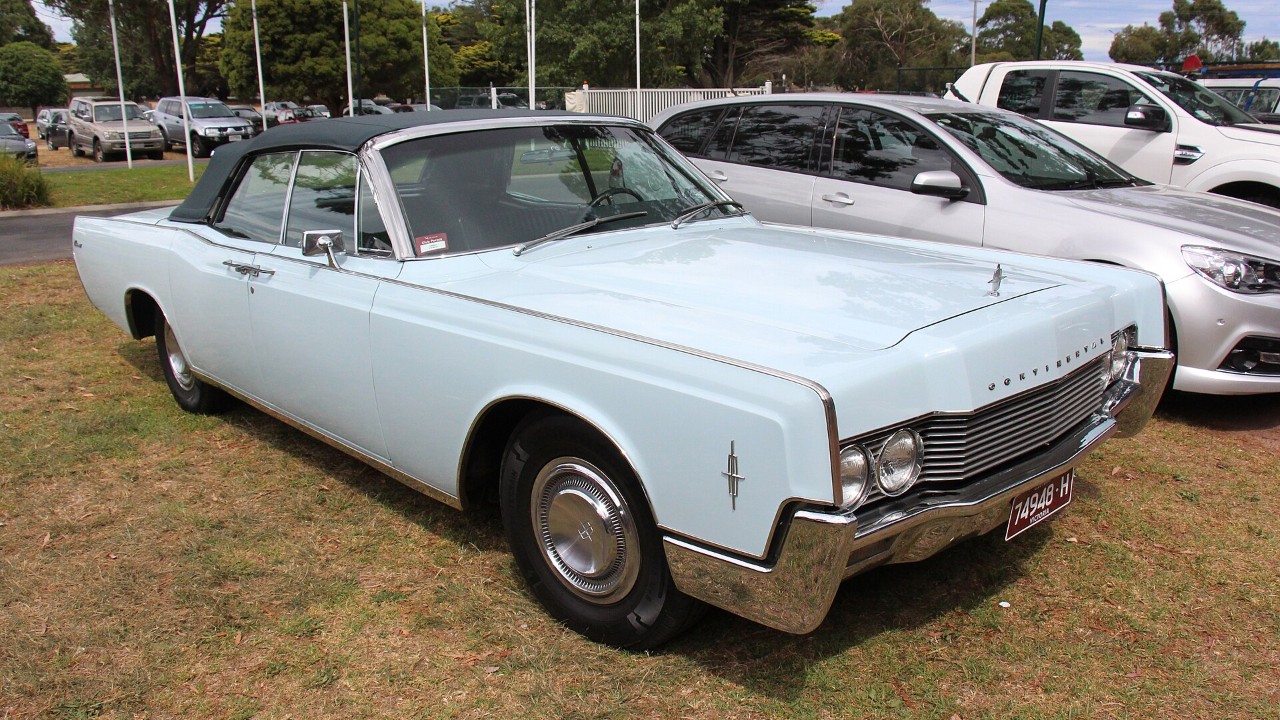
Lincoln reinvented the Continental for 1961 as a slab-sided four-door. Its rear-hinged back doors were the first on a Lincoln since 1951, and we covered how the 1961 Continental made those doors the main event. A power-operated four-door convertible joined the sedan from the start.
For 1966, Lincoln reworked the car. The body grew about 5 inches longer, and a two-door hardtop joined the range. Lincoln also cut prices by nearly $600. Under the hood went a 462-cubic-inch V8, the largest engine in any Ford passenger car at the time. As a result, sales rose 36%. Meanwhile, a 1961 Continental limousine served as a presidential state car until 1977.
The convertible didn’t last much longer. Lincoln sold 2,276 of them for 1967, the final year. That car was also the last four-door convertible from an American maker. We admire the 1966 version because it is the most refined of the open cars. Watching that roof fold away behind four doors is a party trick nobody else offers, so it never fails to draw a crowd. Next to a modern sedan, it looks enormous, too.
5. 1976 Lincoln Continental Mark IV Givenchy
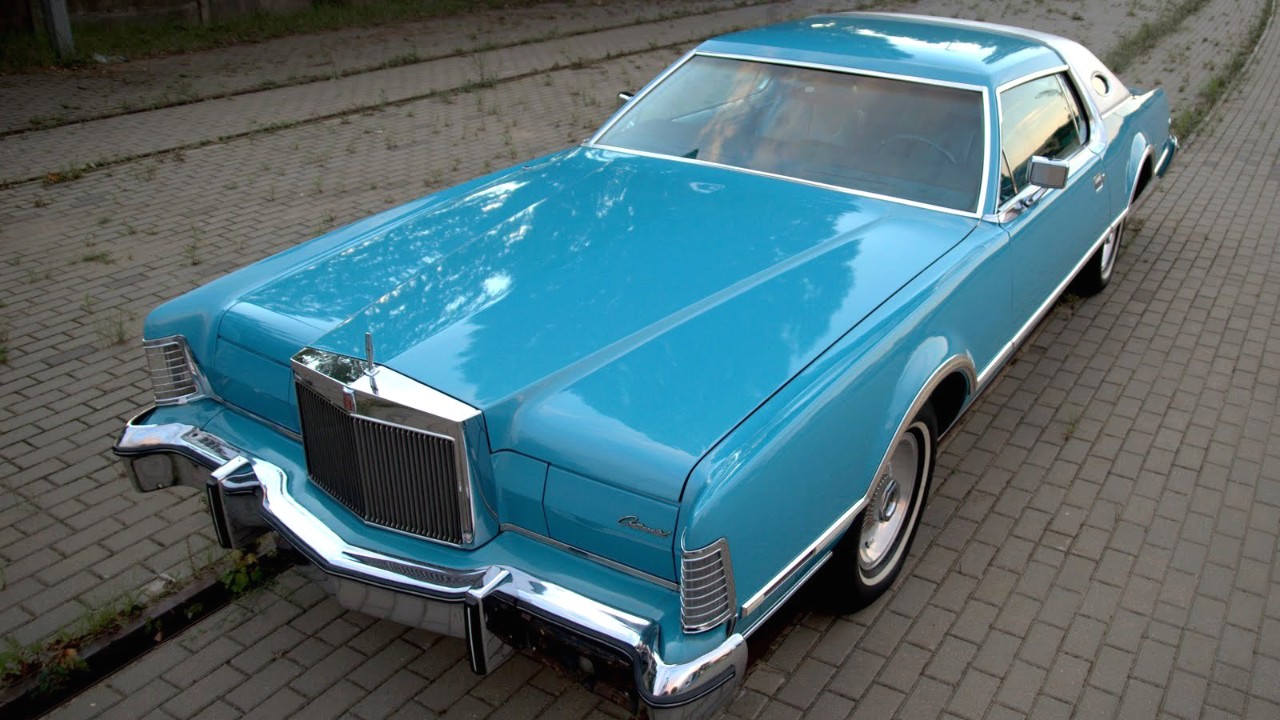
The Mark IV was a big seller for a luxury coupe. Lincoln built 278,599 of them from 1972 to 1976, all with a 460-cubic-inch V8. The car also introduced the opera window, the small oval pane in the rear roof pillar that spread across the industry in the 1970s.
For 1976, Lincoln tried something new. It offered Designer Series packages with trim chosen by Bill Blass, Cartier, Givenchy and Pucci. Each had its own coordinated paint and interior, and the designer’s signature appeared on the opera window. The Givenchy car wore aqua blue “diamond fire” paint with a white vinyl roof. Inside, buyers got matching aqua blue cloth or leather.
Lincoln built 56,110 Mark IVs that final year, at a list price of $11,060. Only a share of them carried a designer package, although the exact split isn’t in the records we read. We admire the Givenchy because it commits fully to its color, which few luxury cars dared to do. It is pure mid-1970s, yet it feels cheerful rather than gaudy. Today, a clean one stands out among the black and silver cars at any show.
6. 1987 Bentley Continental convertible
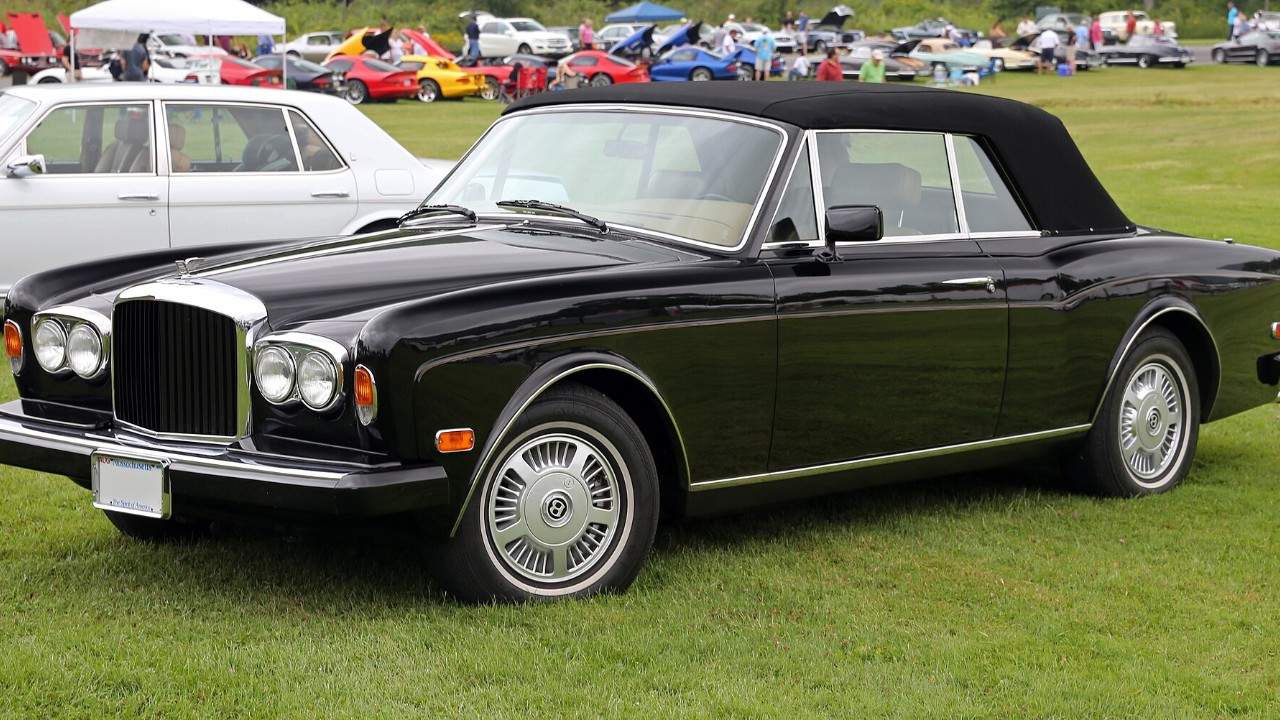
For years, Bentley’s version of the Rolls-Royce Corniche convertible was just the Bentley Corniche. Then, in July 1984, Bentley updated it and revived an old name. As a result, the car became the Bentley Continental.
Those changes weren’t only on paper. In fact, the Bentley got color-coded bumpers, new mirrors, a new dashboard and better seats. Those touches gave it a sportier, more modern look than its Rolls-Royce twin. Even so, it remained a four-seat convertible built in small numbers. Reference figures show 421 Bentley Continentals from 1984 to 1994, plus eight Continental Turbos from 1992 to 1995.
That’s a tiny total for a car sold over a decade. In our view, the 1987 Continental is the understated way to own a 1980s Crewe convertible. At a glance, it’s easy to mistake for a Rolls-Royce. The winged B and the body-color trim reveal the difference, and owners who know will notice. For anyone shopping, a full service history matters more than the badge, because these are complex cars to maintain. We’d also favor one with its original color-coded trim, since those details are what set it apart from the Rolls.
7. 1992 Bentley Continental R
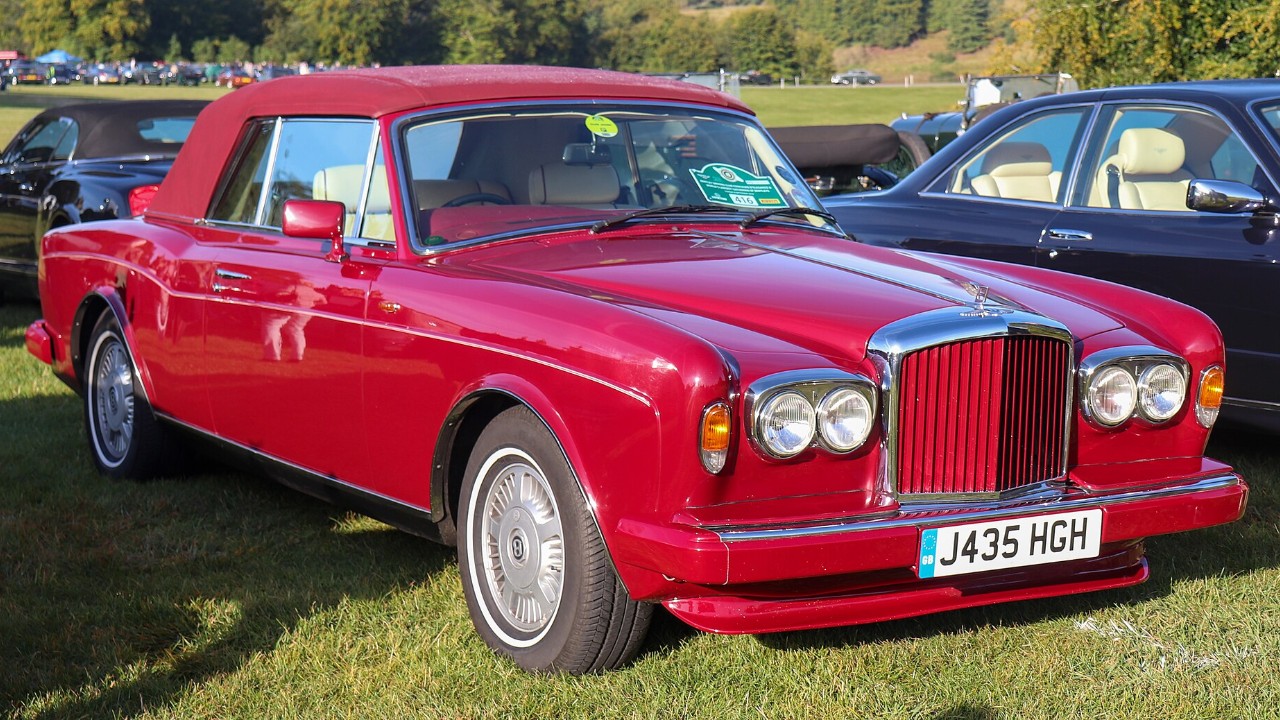
Bentley surprised everyone at the 1991 Geneva Motor Show. It pulled the cover off the Continental R, a big two-door coupe with a body all its own. According to My Car Quest’s history of the R and T, Crewe built the car around a turbocharged 6.75-liter V8. The show car reportedly went to the Sultan of Brunei.
John Heffernan and Ken Greenley designed it, working from an earlier rendering by Graham Hull. The turbocharged engine came from the Turbo R saloon. Early cars made about 325 horsepower, but torque was the real story, and the output kept rising through the 1990s. Bentley built 1,236 standard Continental Rs between 1991 and 2002. Later cars made up to 385 horsepower, so the car kept getting faster as it aged.
We think the Continental R saved Bentley’s reputation as a driver’s brand. For years, Bentleys had shared their bodies with Rolls-Royce models. This one finally looked like its own car. A 1992 example is among the earliest, so it shows the design as Heffernan and Greenley first intended it, before the later T added flared rear fenders.
8. 2002 Bentley Continental T Mulliner
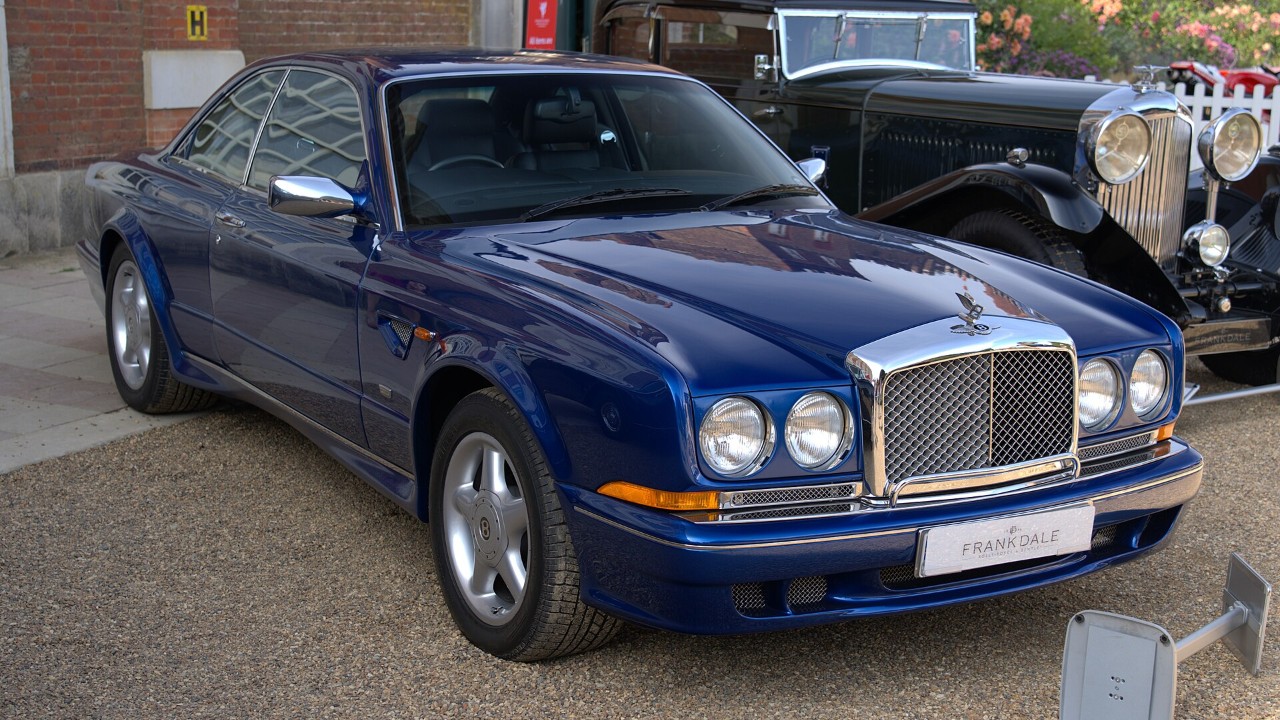
The Continental T arrived in 1996 as a shorter, tougher version of the R. Bentley cut the wheelbase from 120.5 to 116.5 inches, which took legroom from the back seat. However, it also made the car lighter by about 200 pounds and sharper to drive. Bigger brake discs and ABS came along, too.
The engine grew stronger over time. At launch, the T made 400 horsepower. From 1998, it delivered 420 horsepower and 650 lb-ft of torque, a huge figure for the era. Then, in 1999, Bentley added the T Mulliner. It had modified dampers and stiffer torsion bars, 40% firmer at the front and 20% at the rear.
Only 23 T Mulliners were built, according to reference figures. That makes it the rarest car on this list. In our view, it is also the most purposeful. It looks like a gentleman’s club chair and drives like a much smaller car. The 2002 example pictured comes from the very end of the run, after nearly a decade of fine-tuning. If you ever find one for sale, expect a long wait for the next.
9. 2019 Lincoln Continental 80th Anniversary Coach Door Edition
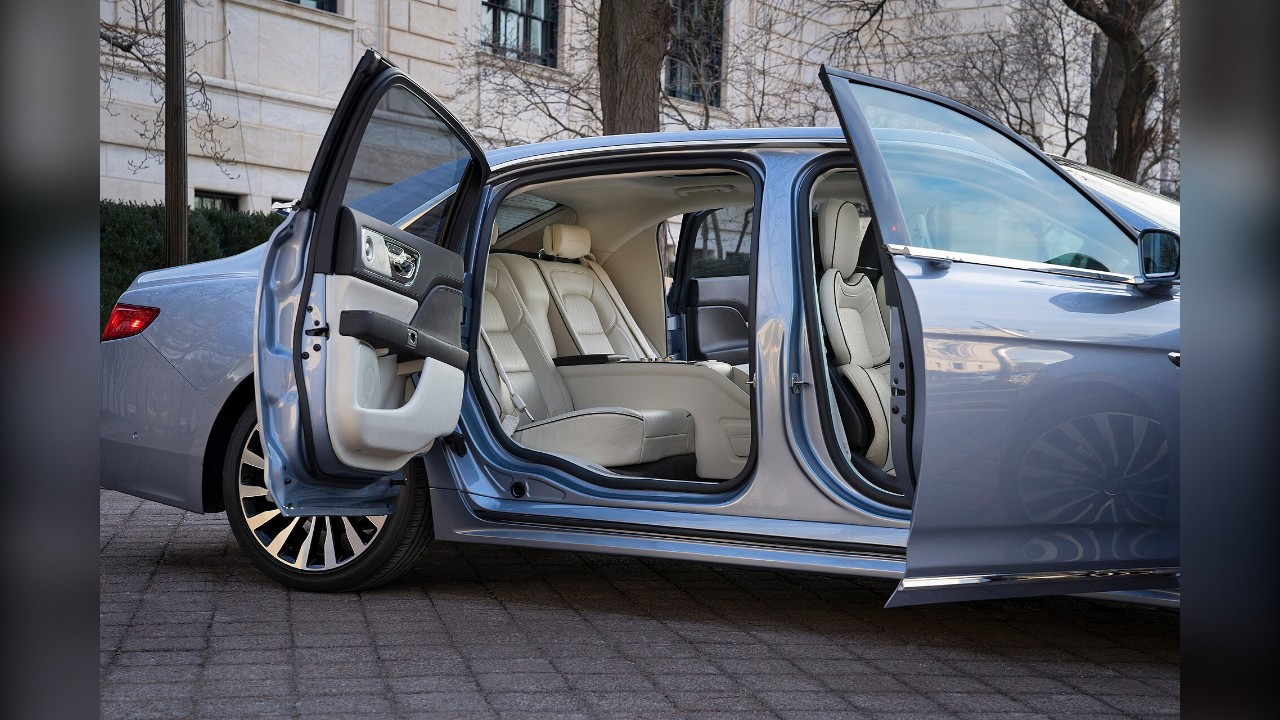
Lincoln marked the Continental’s 80th birthday with a nod to the 1960s cars. It handed regular Continentals to Cabot Coach Builders in Massachusetts. Cabot then stretched the wheelbase by six inches and fitted rear-hinged back doors.
As The Drive reported, Lincoln planned just 80 cars, each starting above $110,000. Every one used the Black Label trim and a 3.0-liter twin-turbo V6 with 400 horsepower and all-wheel drive. The back seat had two chairs, a fixed console with climate and audio controls, a tablet holder and fold-out tray tables. Demand outran supply, and within weeks of the announcement, Lincoln said all 80 buyers had been found.
The regular Continental ended production on October 30, 2020. So this car became one of the last chapters of an 81-year name. We admire it because it took a real risk. The coach doors open wide, and the stretched rear cabin feels like a private lounge. For a modern car, that’s a genuinely special way to arrive. Lincoln later built a non-anniversary Coach Door Edition for 2020, but the 80 originals came first, and they carry the anniversary badge.
More from Fast Lane Only