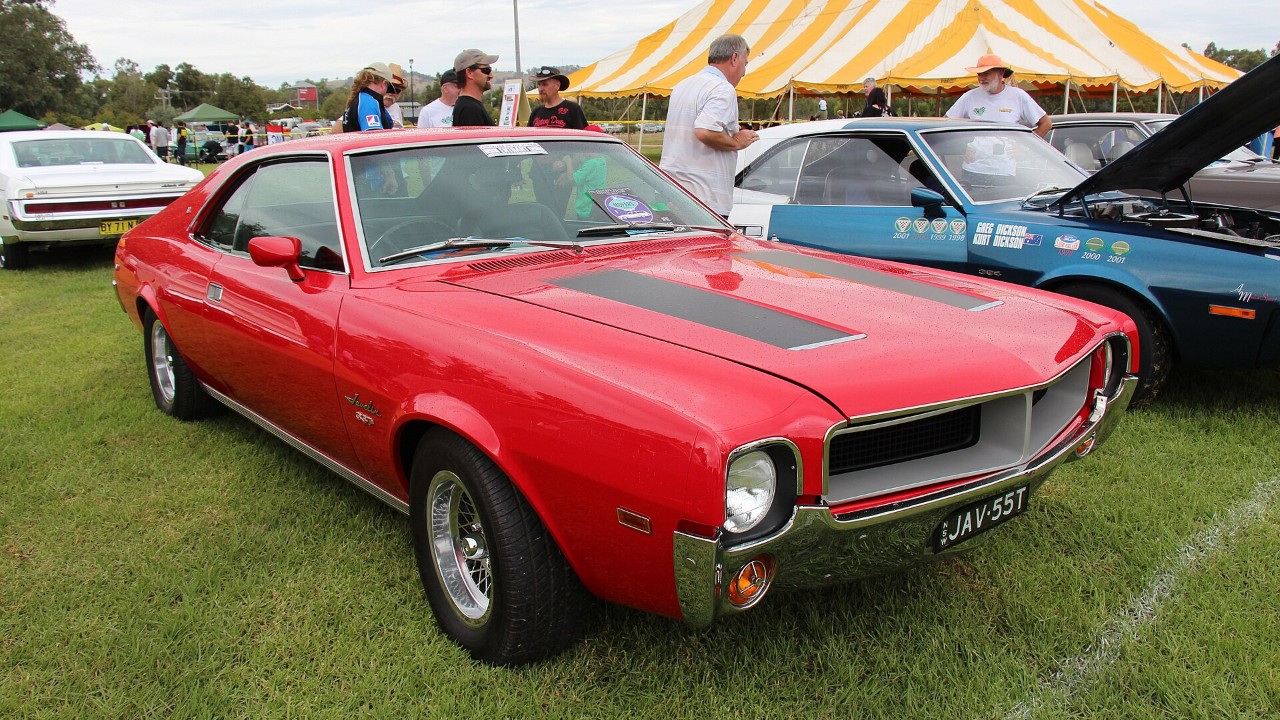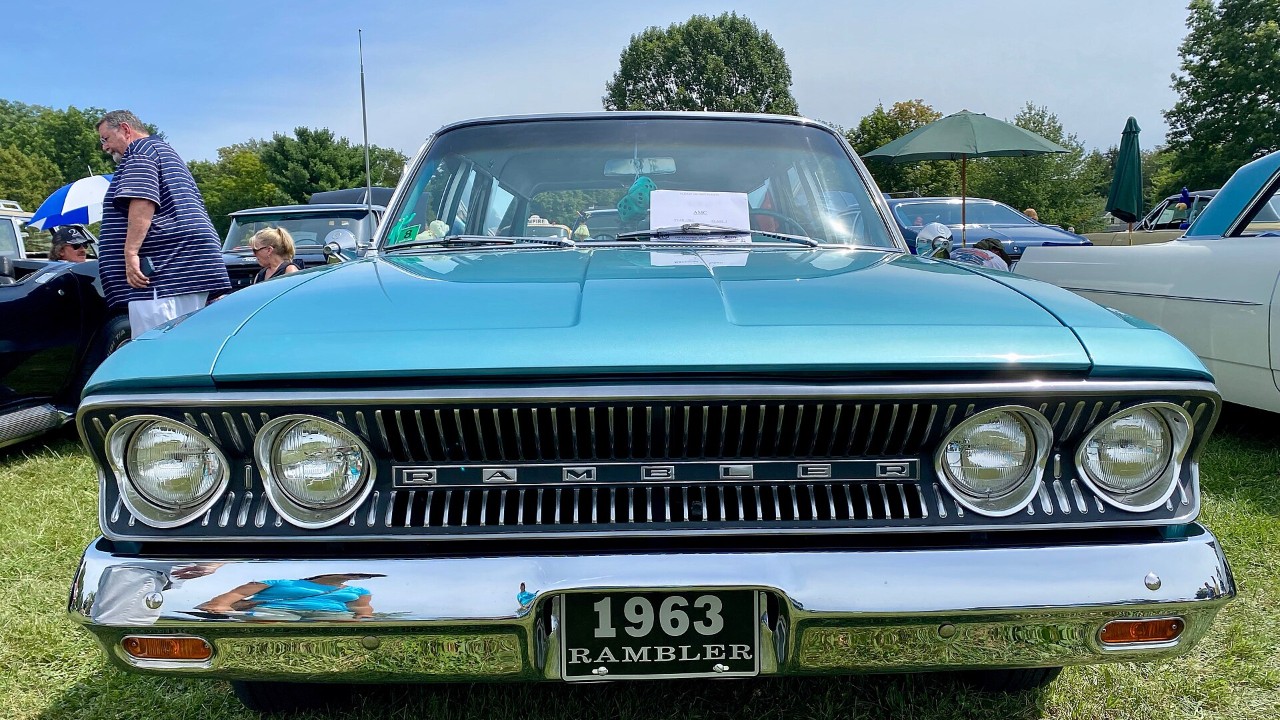
In 1961, the year the Rambler Classic arrived, Rambler sold 370,600 vehicles and climbed to third place in the sales charts, behind only Chevrolet and Ford. For a small independent automaker, that was a remarkable run. American Motors had built its success on sensible cars, not on flash.
Ramblers rarely get the spotlight now. Most were economy sedans and family wagons with six-cylinder engines, and only a few had real performance. Still, they brought ideas into the mainstream that bigger brands later copied. They also gave millions of families an affordable, well-built car at a time when Detroit mostly sold size.
These are our picks, ten Ramblers we think are worth remembering, from the mid-1950s wagons to the 1966 Rebel. The choices are our opinion. However, the engines, prices and sales numbers below come from sources we checked, and we’ve left out any figure we couldn’t confirm.
1. 1955 Rambler Cross Country
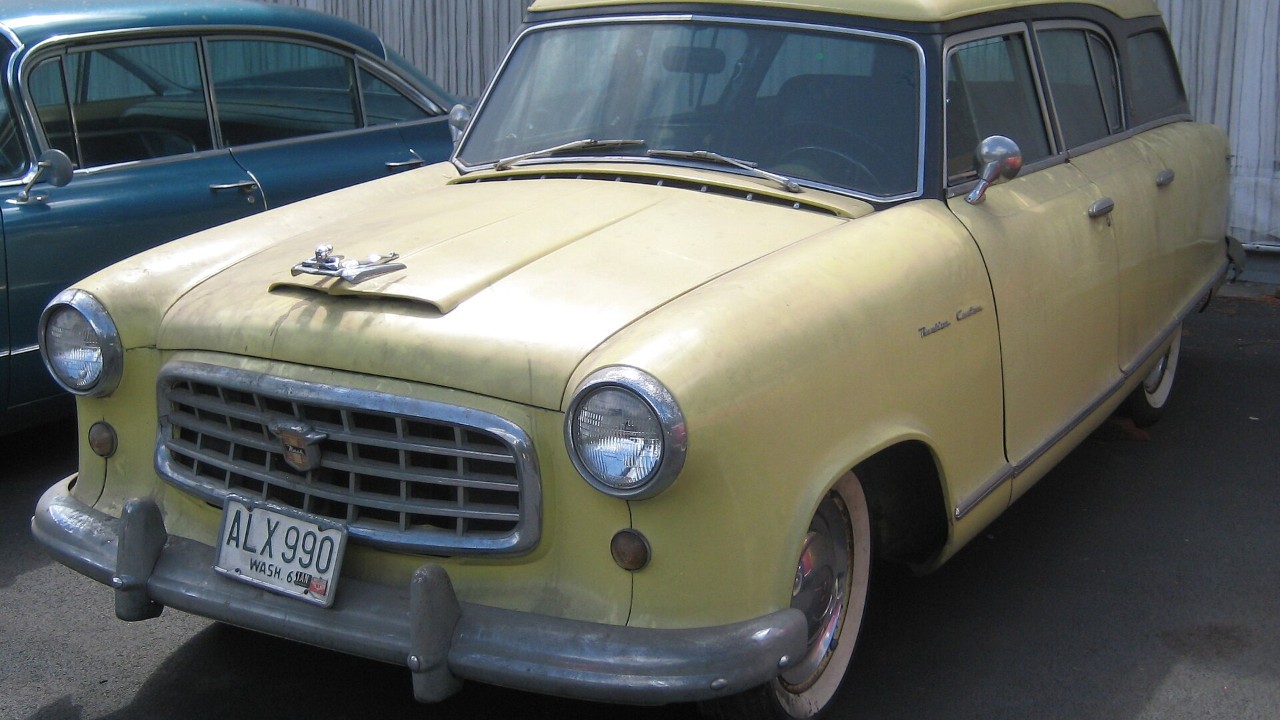
Nash added four-door Ramblers for 1954 to win over bigger families, and the four-door wagon took the Cross Country name. Its roof had a distinctive dip, and a roof rack came as standard equipment. Four-door models rode a 108-inch wheelbase, while the two-doors kept the original 100-inch chassis.
By 1955, Nash and Hudson had merged, so Hudson dealers sold Ramblers too. As Mac’s Motor City Garage explains, the only difference between a Nash Rambler and a Hudson Rambler was the medallion in the grille. Power came from Nash’s 195.6-cubic-inch L-head six, rated at 90 horsepower. Hudson dealers moved more than 25,000 Ramblers that year, while the big Hudsons sold fewer than 20,000.
Our take: the 1955 Cross Country is the wagon that set the tone for everything Rambler did next. It was small outside, roomy inside and practical down to its standard roof rack. If you want one, decide early whether you prefer the Nash or Hudson badge, because otherwise the cars are the same.
2. 1957 Nash Rambler Super
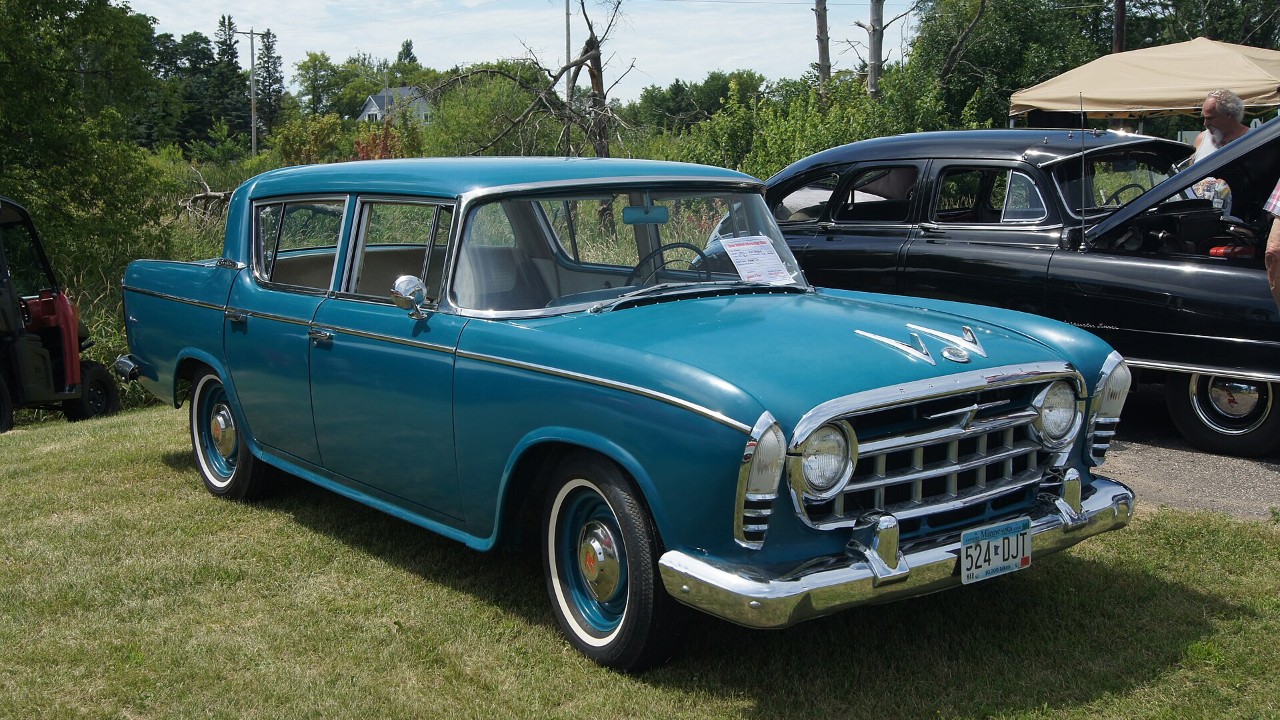
For 1956, the Rambler line was redesigned and offered only as four-door models on the 108-inch wheelbase. That year brought an industry first, a four-door hardtop station wagon. An overhead-valve version of the 195.6-cubic-inch six replaced the old L-head engine, and it was the only motor offered for 1956.
Then 1957 changed the story. AMC’s new V8 arrived, and Curbside Classic’s look at the 1957 Rambler Super notes that the Super’s 250-cubic-inch V8 was rated at 190 horsepower. AMC also planned to sell the cars under the Rambler brand that year. As of 1958, there would be no more Nash or Hudson automobiles. For the sportiest Rambler of that year, see our story on the 1957 Rambler Rebel.
We think the 1957 Super is a key transition car. It still carries the old Nash identity, yet it points toward the independent Rambler brand. With a V8 under the hood, it’s also one of the livelier ways to enjoy a 1950s Rambler. Buyer advice: confirm which engine a car has, since the six and the V8 drive very differently.
3. 1960 Rambler American two-door sedan
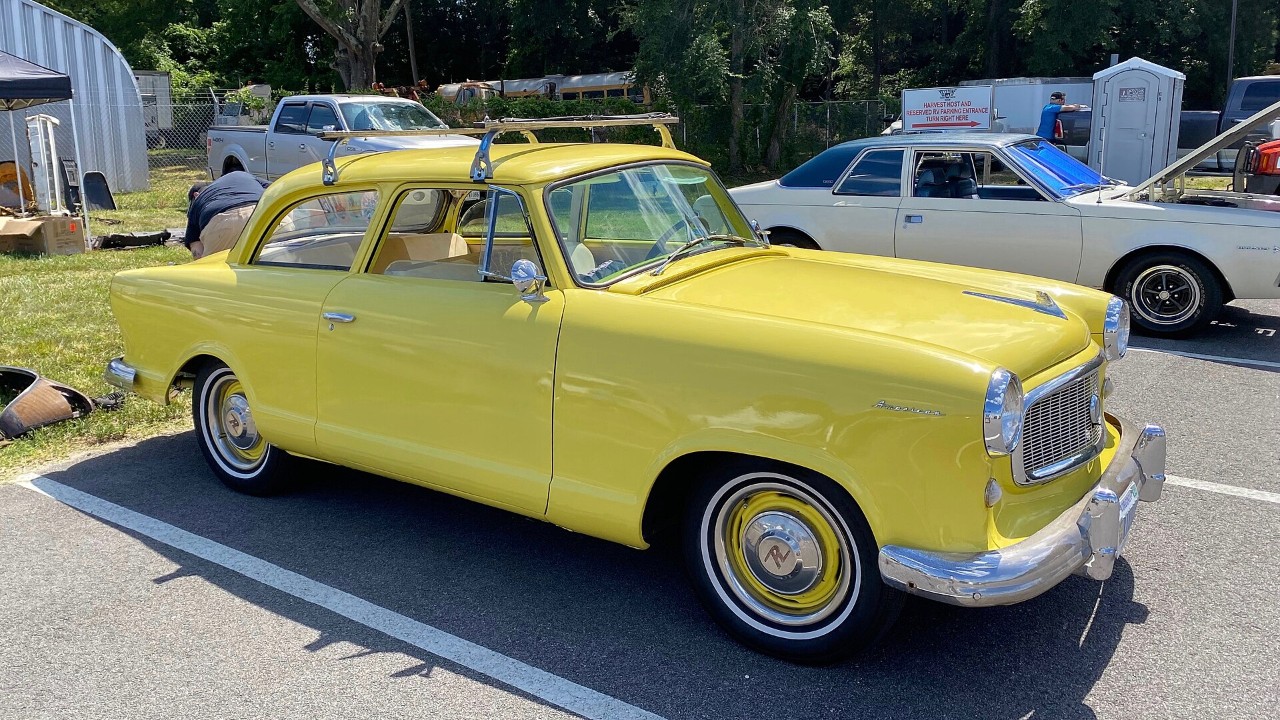
AMC did something unusual for 1958. It brought back the 1955 Nash Rambler body, modified it slightly and sold it as the Rambler American. The car rode a 100-inch wheelbase. At first it came only as a two-door sedan with a 195.6-cubic-inch flathead six of 90 horsepower. The idea traced back to the original compact, which we explored in our story on the 1951 Nash Rambler.
By 1960, the American had grown into a full range. A four-door sedan joined the lineup, and a new Custom trim got an overhead-valve version of the six with 125 horsepower. Meanwhile, the Deluxe two-door listed at a suggested delivered price of $1,795. Buyers responded. The American sold 120,603 units in 1960, including 44,817 two-door sedans.
Our view: reviving an old body sounds like a shortcut, but here it was a smart business move. AMC had a cheap, proven compact ready just as buyers wanted smaller cars. A 1960 two-door is the simplest, most honest Rambler you can own, and parts for the six are well understood.
4. 1961 Rambler American Custom convertible
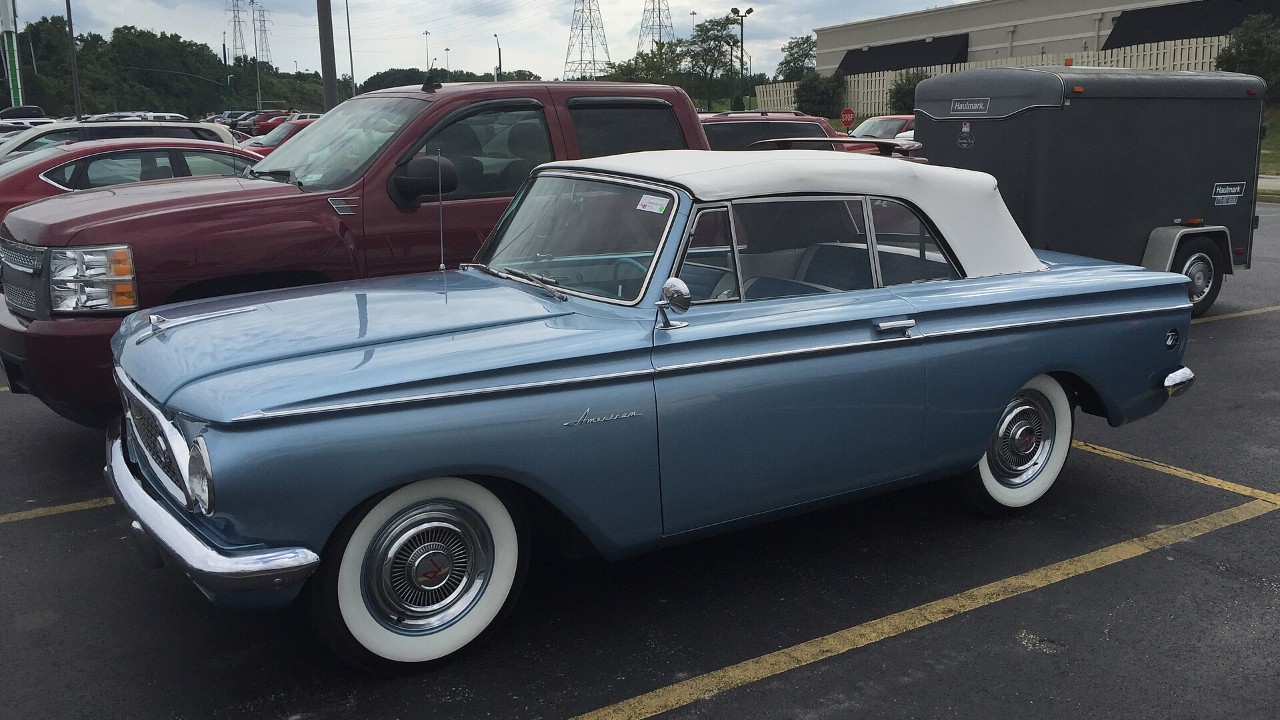
AMC gave the American a heavy restyle for 1961. The new body was three inches narrower and shorter than before, with an overall length of 173.1 inches. The wheelbase stayed at 100 inches. Along with the redesign came a four-door wagon and something Rambler buyers hadn’t seen in years, a two-door convertible.
That convertible was the first since 1954, and it came with a power-operated folding top. For a small economy car, that was a generous feature. The open car caught on, too. In 1962, total American production reached 125,678 cars, and almost 13,500 of them were convertibles. Meanwhile, the Custom badge marked the top of the 1961 range.
We’d call the 1961 American Custom convertible one of the most charming small cars of its era. It’s compact enough to park anywhere, yet the power top makes it feel more expensive than it was. Buyer advice: test the top through several full cycles, because a tired power mechanism is the first thing to check on any old convertible.
5. 1962 Rambler Classic Custom Cross Country
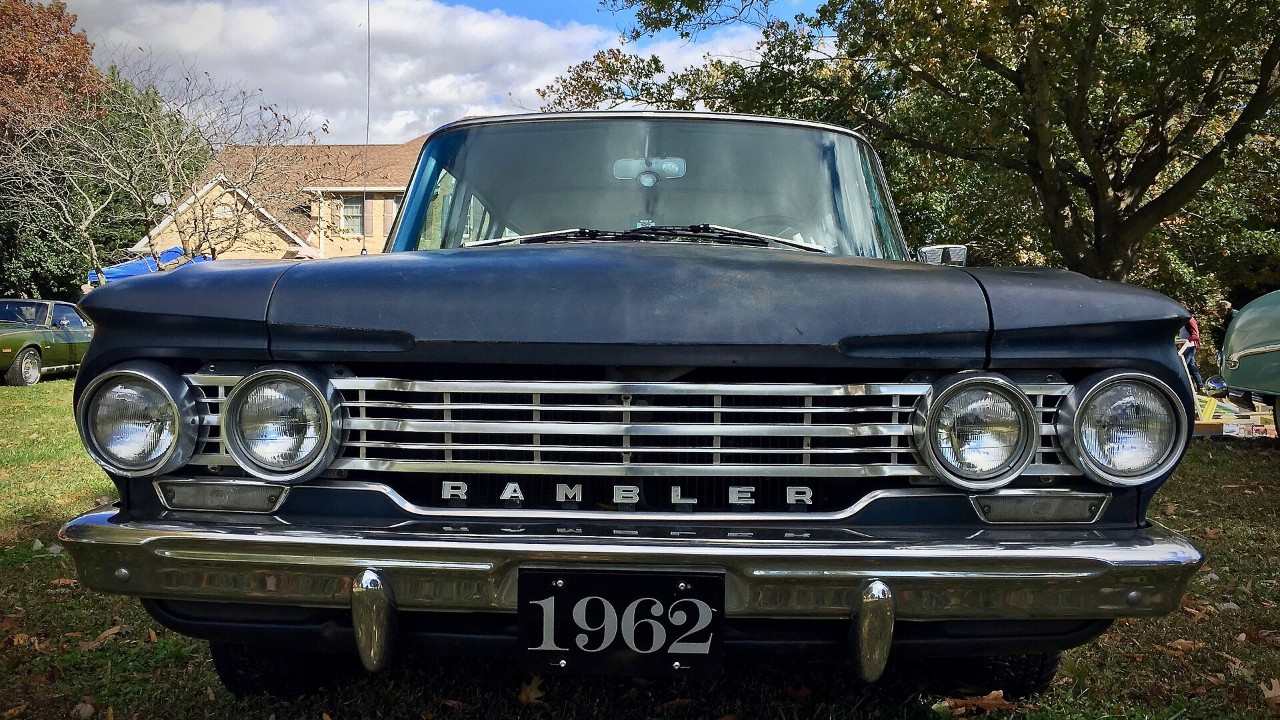
The Classic name arrived in 1961, replacing the Rambler Six and Rambler Rebel V8 badges. It rode a 108-inch wheelbase. For 1962, AMC shaved off the tail fins and cleaned up the lines. The Super models disappeared, and a new 400 trim took over at the top of the range.
The bigger change was underneath. Starting in 1962, every Rambler came with twin-circuit brakes. If one half of the hydraulic system failed, the other half could still stop the car. AMC also cut the price of the Custom Classic sedan by $176 that year. Sales grew, too, with more than 56,000 extra cars sold in the first six months compared with the same period in 1961.
In our opinion, the 1962 Classic wagon deserves credit as a safety pioneer that nobody talks about. Split brake circuits are normal today, and Rambler families had them in 1962. A Custom Cross Country also gives you the full wagon practicality. Buyer advice: rebuild the brake system properly rather than patching it, so you keep the dual-circuit protection.
6. 1963 Rambler Ambassador 990 Cross Country
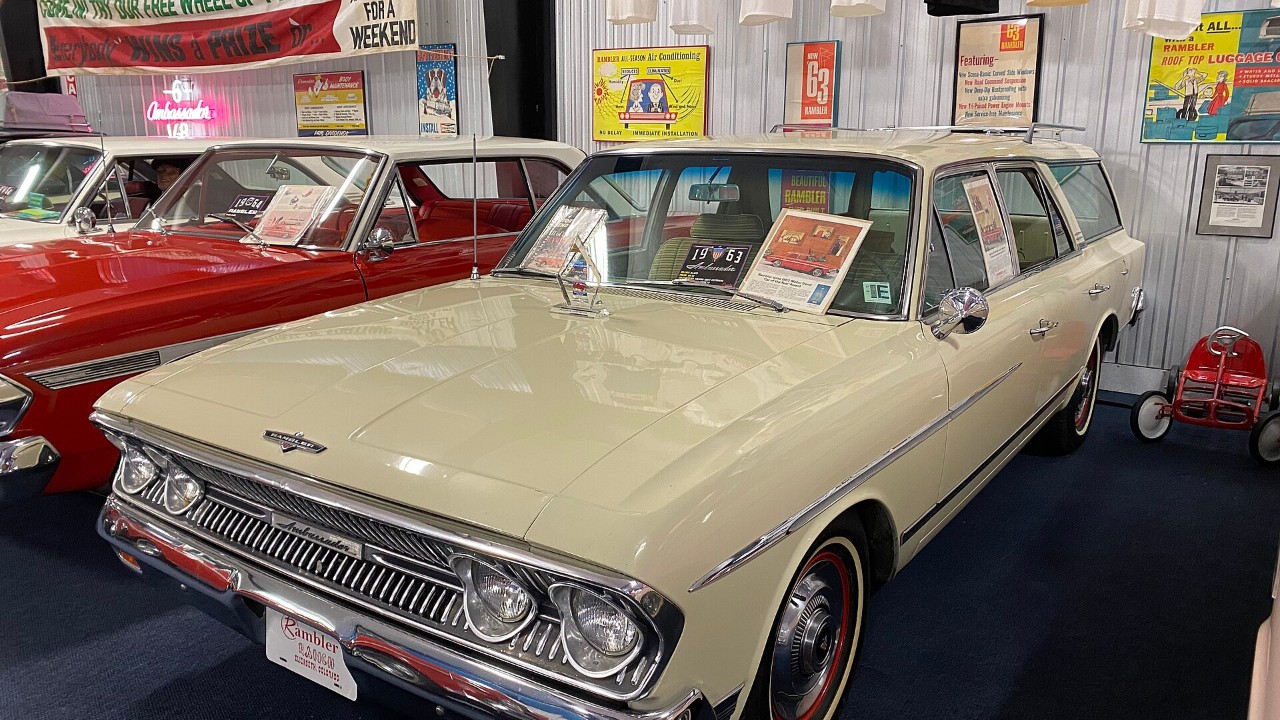
AMC redesigned its larger cars for 1963 on a new 112-inch wheelbase, shared by the Ambassador and the Classic. The Ambassador sat at the top, and the up-level 990 trim replaced the previous 400 models. Under the hood, the 327-cubic-inch V8 made 250 horsepower with a two-barrel or 270 with a four-barrel.
The body was clever. AMC’s “uniside” stampings formed the outer panels, door frames and outer rocker panels from single pieces of steel. On the Classic, for example, one door-surround stamping replaced 52 separate parts. As a result, the body went together with far fewer seams. Motor Trend was impressed enough to name the entire 1963 Rambler line, including the Ambassador, its Car of the Year.
Our take: the 990 wagon is the Rambler for buyers who want comfort and real V8 power. It brings the award-winning body, the bigger engine and plenty of room for luggage. If you shop for one, look closely at the lower body, because the one-piece side stampings are hard to replace.
7. 1964 Rambler American 440 convertible
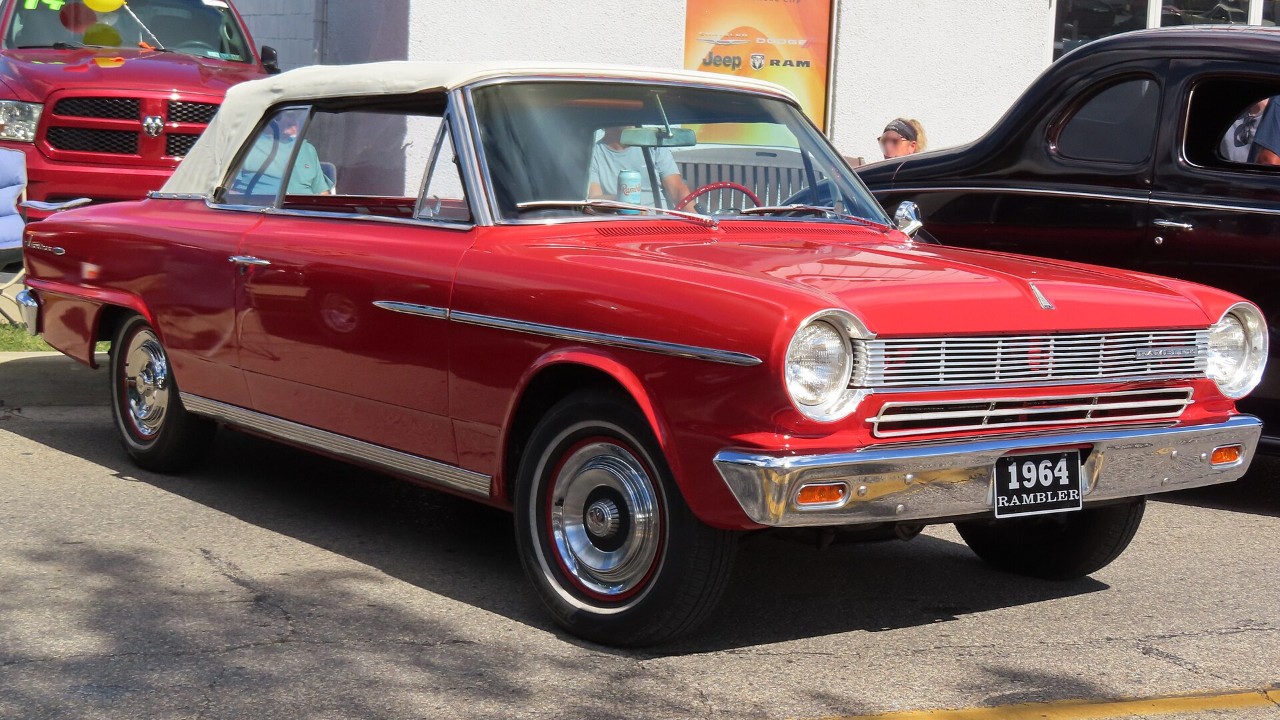
Richard Teague, AMC’s new styling vice president, led the all-new 1964 American, and stylist Bob Nixon drew the front end. The result looked so clean that Pininfarina, later restyling the car for IKA in Argentina, largely left it alone. The wheelbase grew from 100 to 106 inches, which made room for a full-width rear seat.
According to Mac’s Motor City Garage, three versions of the 195.6-cubic-inch six were offered, rated at 90, 125 and 138 horsepower. Buyers loved the new shape, and sales nearly tripled from about 58,000 in 1963 to nearly 164,000 in 1964. The 440 convertible started at $2,418, making it the most affordable open car built in the United States.
In our view, the 440 convertible delivers style that punches far above its price. Teague’s simple lines have aged better than many flashier rivals from 1964. Car and Driver disliked the American mainly because no V8 was offered, but that matters less for a relaxed weekend cruiser. Pick the 138-horsepower six if you can find one.
8. 1964 Rambler Classic 770
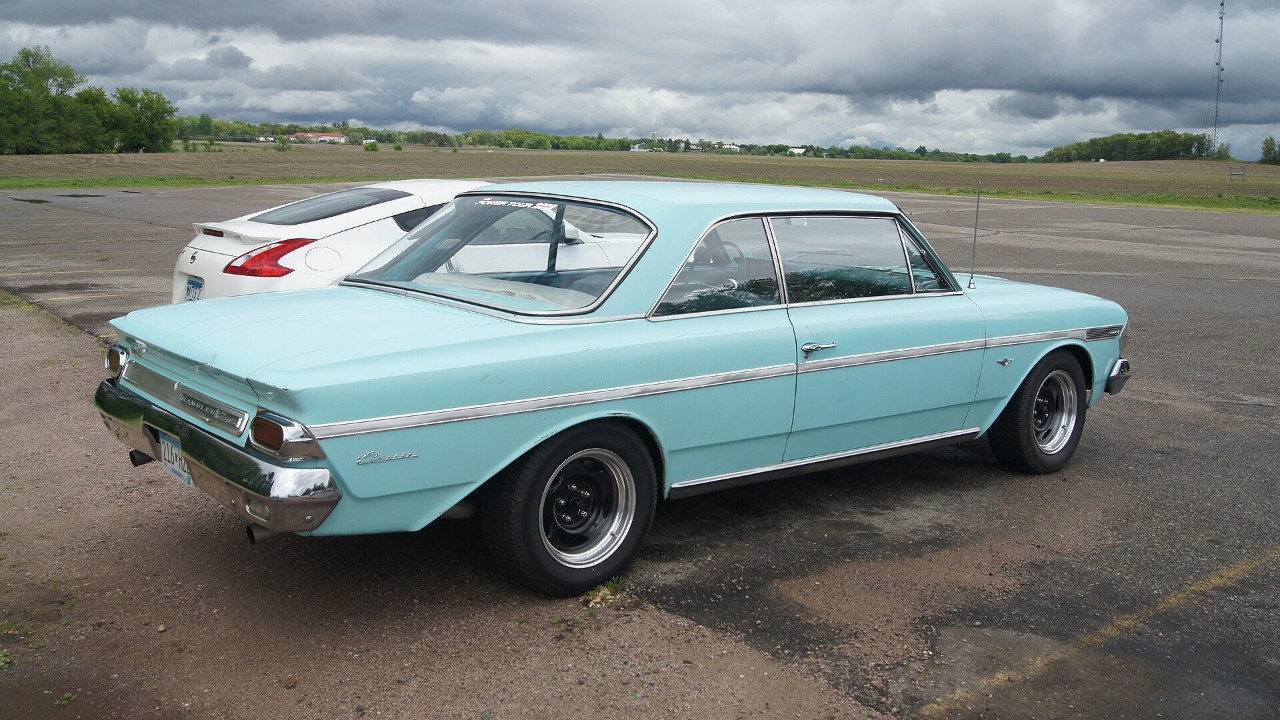
For 1964, the 770 was the top trim of the Rambler Classic line. It was also the only Classic offered as a pillarless two-door hardtop. That mattered, because the 770 hardtop gave AMC a stylish car to sell against more expensive rivals without leaving its value pricing behind.
AMC also added a special model that year. The Typhoon was a Classic hardtop that introduced a new 232-cubic-inch six with 145 horsepower. Production was limited to 2,520 cars, and the list price was $2,509. So the 1964 Classic is where the story of AMC’s 232 six begins.
Our view: a 1964 Classic 770 is the dressy Rambler that still makes sense on a budget. It builds on the 1963 Car of the Year design with a bit more polish. The Typhoon version is the collector’s choice. Buyer advice: if a seller claims Typhoon status, check the paperwork, because the special was built in small numbers.
9. 1965 Rambler Classic 550 Cross Country
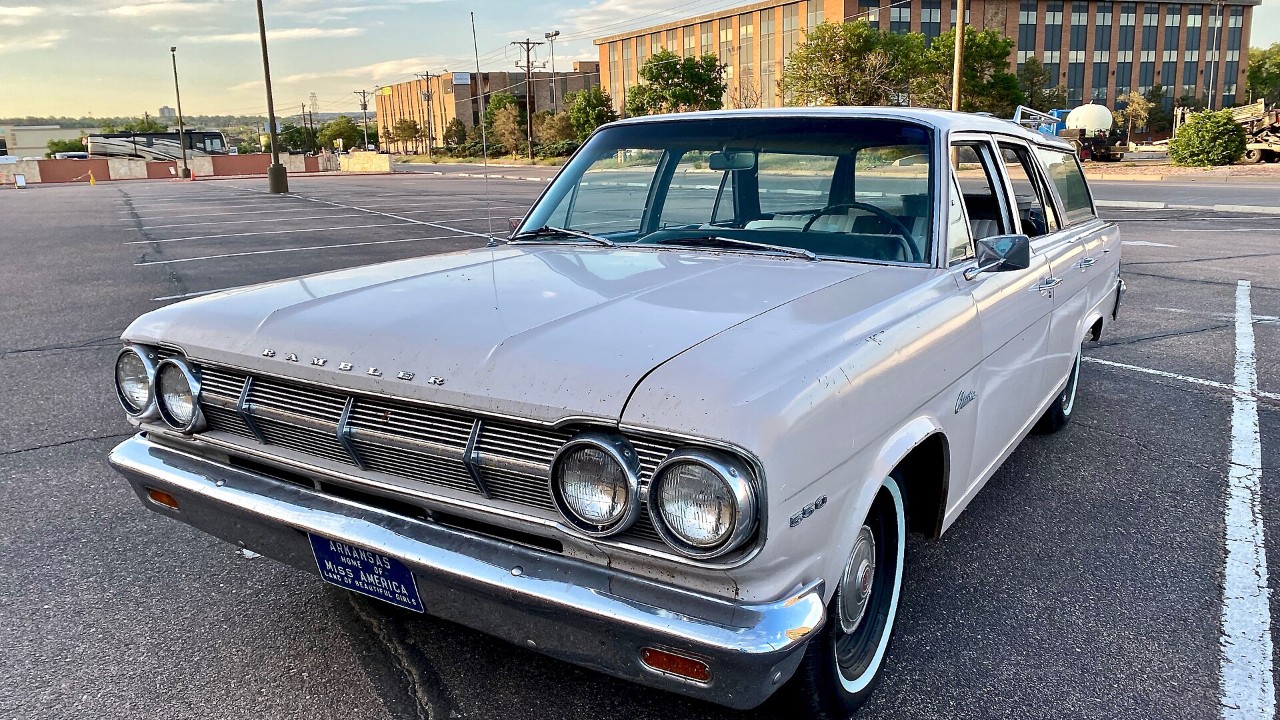
For 1965, AMC stretched the Classic’s engine range in both directions. At the bottom sat the 550, the base model, with a 199-cubic-inch six making 128 horsepower. The 660 and 770 used the 232-cubic-inch six with 145 horsepower. At the top, a 327-cubic-inch V8 with 270 horsepower was optional.
The 550 Cross Country wagon was the plain workhorse of that range. It skipped the chrome and extras, yet it kept the same practical body and family space as the costlier trims. That year, AMC also added a convertible to the 770 lineup and dropped the two-door sedan from it, so the range was moving upmarket around the base wagon.
We think the 550 wagon is the most honest Rambler of the mid-1960s. It does exactly what a family wagon should, with little to break. Most survivors were used hard, so a clean one is a real find today. Buyer advice: check the rear floor and tailgate area for rust, since wagons hauled everything.
10. 1966 Rambler Rebel hardtop
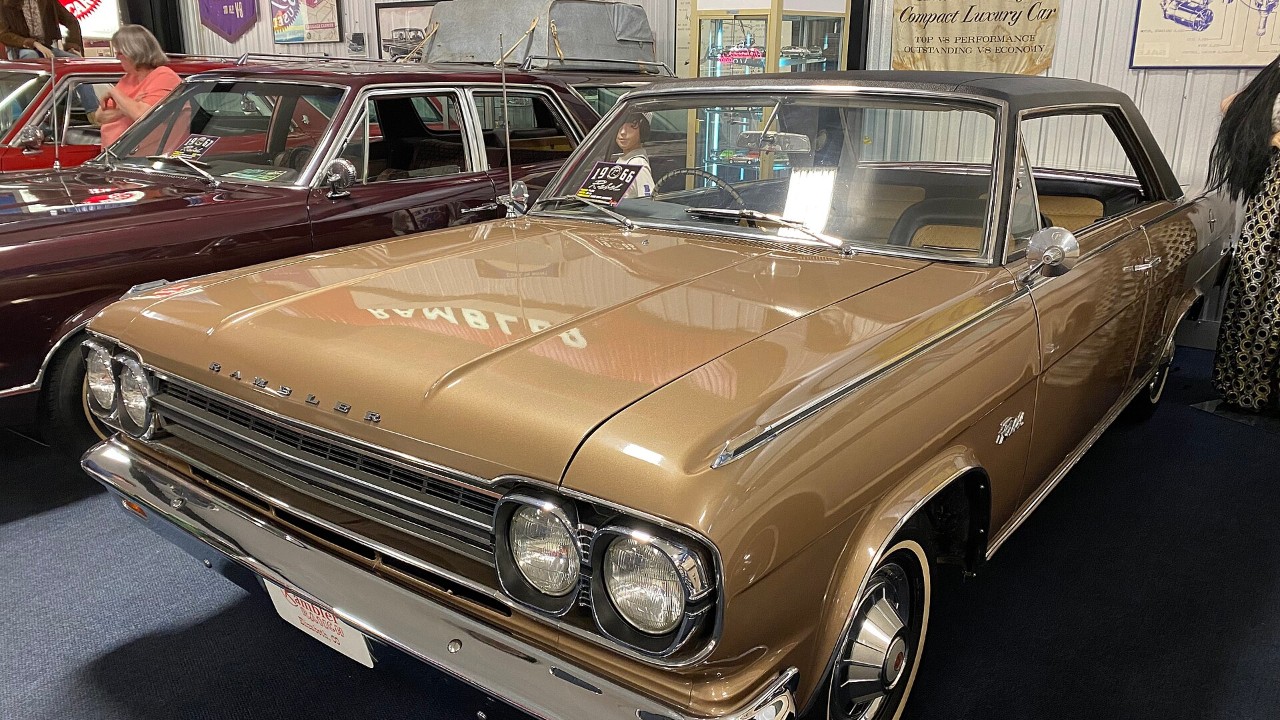
The Rebel name returned for 1966 as the top two-door hardtop in the Rambler Classic family. It replaced the 770-H and came with slim bucket seats as standard. AMC sold 7,592 Rebels that year, out of 1966 Classic production of 126,006. The car in our photo is a right-hand-drive example.
The Rebel was AMC’s first step toward a sportier image for its midsize car. It still used the practical Classic body, but buckets, trim and the hardtop roof gave it a sharper look. That year, AMC also dropped the 660 trim, leaving the 550 and 770 below the Rebel. AMC’s performance push grew from there, and it peaked with cars like the SC/Rambler in our forgotten muscle cars list.
Our take: the 1966 Rebel hardtop is where the economical Rambler started to flirt with muscle. In our view, it’s the closest thing on this list to a muscle car. Buyer advice: with fewer than 7,600 built, trim parts can be hard to source, so buy the most complete car you can find.
More from Fast Lane Only