The Convair B-36 Peacemaker was an iconic symbol of the Cold War era, representing both technological ambition and geopolitical tension. As the largest mass-produced piston-engine aircraft ever built, it played a crucial role in America’s Strategic Air Command. Exploring the history, development, and legacy of the B-36 Peacemaker reveals its significant impact on military aviation and Cold War dynamics.
Development and Design Innovations
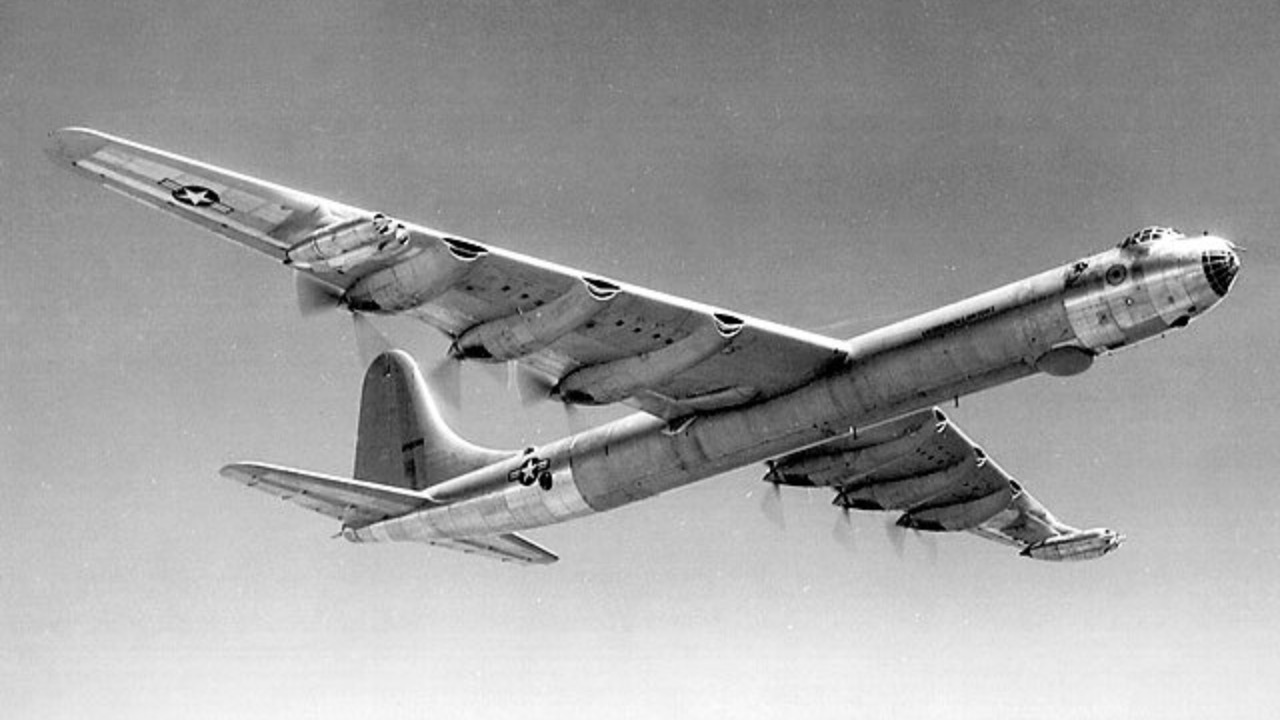
The early conceptualization of the B-36 Peacemaker was driven by the need for a long-range bomber capable of reaching distant targets, a critical requirement during World War II and the ensuing Cold War. Engineers faced significant challenges in designing an aircraft that could meet these demands, particularly in terms of size and range. The solution was a massive wingspan and a unique propulsion system that combined traditional piston engines with jet engines, an engineering feat that pushed the boundaries of aviation technology at the time. The B-36 featured several technological advancements that set it apart from other aircraft of its era. Its combination of six piston engines and four jet engines provided an unprecedented level of power and range, allowing it to fly missions that were previously impossible. Additionally, innovations in avionics and aerodynamics ensured the B-36 maintained stability and control, despite its size, solidifying its role as a strategic bomber.
Operational History and Strategic Role

Once deployed in the Strategic Air Command, the B-36 Peacemaker became a cornerstone of the United States’ nuclear deterrent strategy. It was designed to carry a significant payload over long distances, making it an ideal platform for delivering nuclear weapons. Throughout its operational history, the B-36 participated in numerous missions and exercises that showcased its capabilities, reinforcing its role in maintaining peace through deterrence. Despite its strategic importance, the B-36 faced several challenges and limitations. Maintenance was particularly complex due to its size and the intricacies of its hybrid engine system. Additionally, the increasing prevalence of jet-powered bombers during the Cold War era posed a competitive threat, as these newer aircraft offered improved speed and efficiency. Nevertheless, the Peacemaker remained a key component of U.S. military strategy until the end of its service.
Political and Military Significance

The B-36’s influence on U.S. military policy was profound. It played a pivotal role in shaping strategic bombing strategies and the broader nuclear arms race. Its ability to carry a nuclear payload over intercontinental distances made it a central element in U.S. deterrence theories, symbolizing American air superiority during a time of heightened geopolitical tension. Throughout its service, the Peacemaker was at the heart of several incidents and controversies that underscored its strategic importance. These events highlighted the bomber’s role in the balance of power during the Cold War, as it often served as a visible reminder of the United States’ military capabilities. The B-36 was not only a technological marvel but also a potent symbol of American resolve in the face of global challenges.
Cancellation Attempts and Survival

The B-36 program faced numerous political and financial pressures, with several attempts made to cancel its production due to high costs. Debates around the Peacemaker’s expense and the shifting priorities of military strategy led to intense scrutiny from both political and military leaders. Despite these challenges, the B-36 survived multiple cancellation attempts, thanks to its strategic value and support from influential figures in both the military and government. Ultimately, the aircraft’s proven capability as a strategic deterrent ensured its continuation. The B-36’s survival through five cancellation attempts reflects its significance in the U.S. military arsenal during the Cold War, as well as the commitment of those who recognized its importance in maintaining national security.
Legacy and Cultural Impact

The Convair B-36 Peacemaker left an indelible mark on popular culture and public perception. Its sheer size and capability captured the imagination of filmmakers and authors, leading to its inclusion in various films, literature, and media. The B-36 became a symbol of Cold War-era technology, embodying the spirit of innovation and the constant drive for military superiority.
Today, efforts to preserve existing aircraft highlight the Peacemaker’s historical significance. Aviation history museums and exhibitions around the world showcase the B-36, ensuring that future generations understand its role in shaping modern military aviation. The Peacemaker remains a testament to an era defined by both technological advancement and geopolitical tension, securing its place in the annals of aviation history.