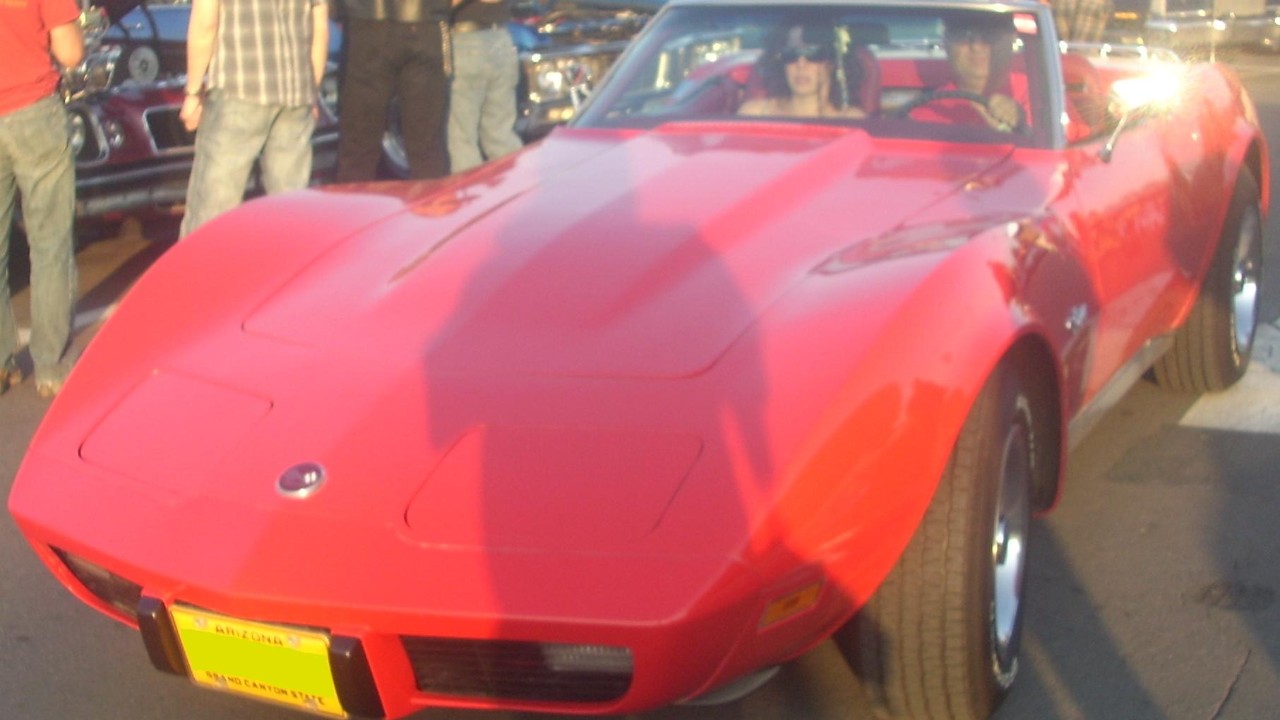
A 1975 Corvette Stingray convertible was the last open C3 Chevrolet sold, and buyers barely noticed at the time. In fact, only 12 percent of that year’s Corvettes left the plant as convertibles. That kind of shrug from the original market is exactly what makes a car interesting decades later.
Corvettes have never been truly cheap, of course. Even so, several generations sat for years in the shadow of the split-window coupes and big-block cars. Some of them are finally moving up. Others look like bargains that won’t last, because the people who wanted them as teenagers can now afford them.
These are our picks, and the verdict is our opinion. We think each of these nine Corvettes is worth a hard look before the market catches up. The years, ratings and production counts come from factory figures, price guides and model histories. So the facts are solid, even if you’d rank the cars differently.
1. 1975 Chevrolet Corvette Stingray convertible
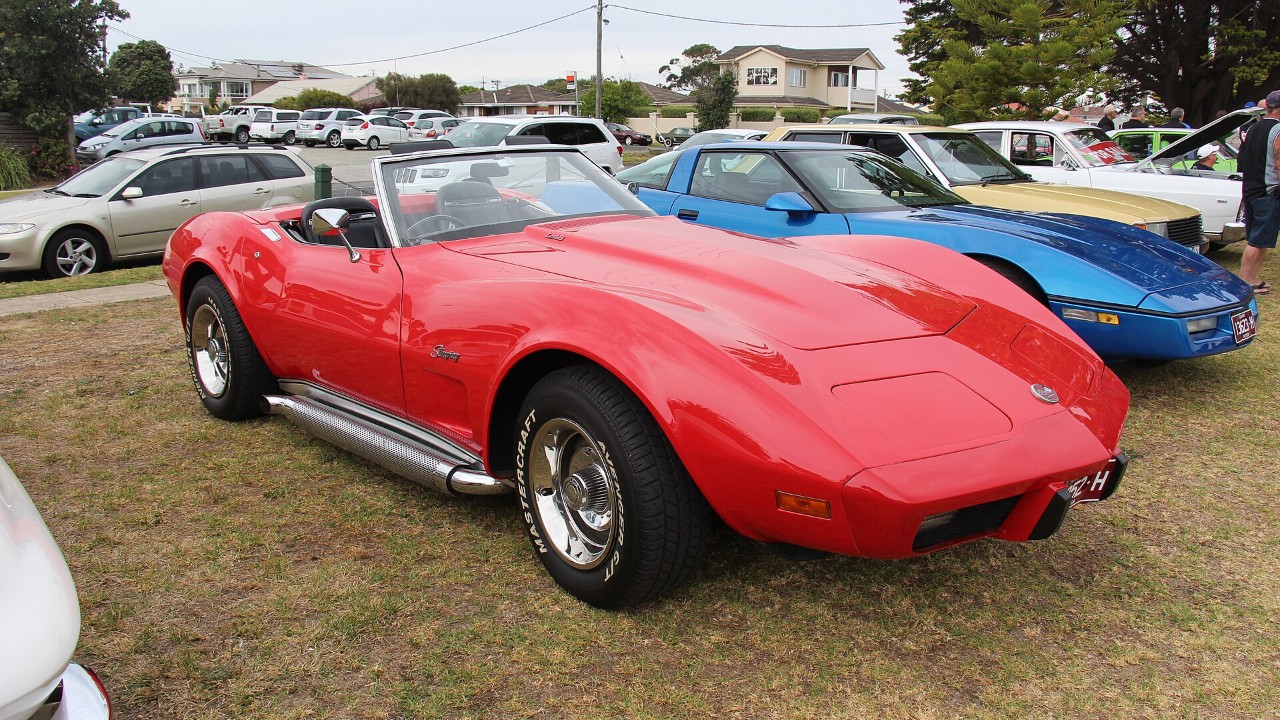
For 1975, Chevrolet sold 38,645 Corvettes at a base price of $6,810. Then the convertible disappeared for more than a decade. That alone gives the 1975 Corvette Stingray convertible a footnote that no other mid-1970s Corvette can claim. Do the math on that 12 percent, and it works out to roughly 4,600 convertibles.
It was also a year of change under the skin. The 1975 cars were the first Corvettes with a catalytic converter and electronic ignition, and they wore “unleaded fuel only” warnings. The base 350 made 165 hp at 3,800 rpm. Meanwhile, the optional L82 offered 205 hp at 4,800 rpm. Those numbers look soft today, but they tell you exactly where the industry stood that year.
Our take: the last-of-the-line story matters more here than the spec sheet. A fiberglass roadster with a folding top makes a pleasant cruiser. On top of that, it’s the bookend of an era, because no Corvette convertible followed until 1986. In our view, that makes a clean, documented L82 car the one to chase. If you shop for one, pay for a specialist inspection of the frame and body mounts first.
2. 1978 Chevrolet Corvette Indy 500 Pace Car Edition
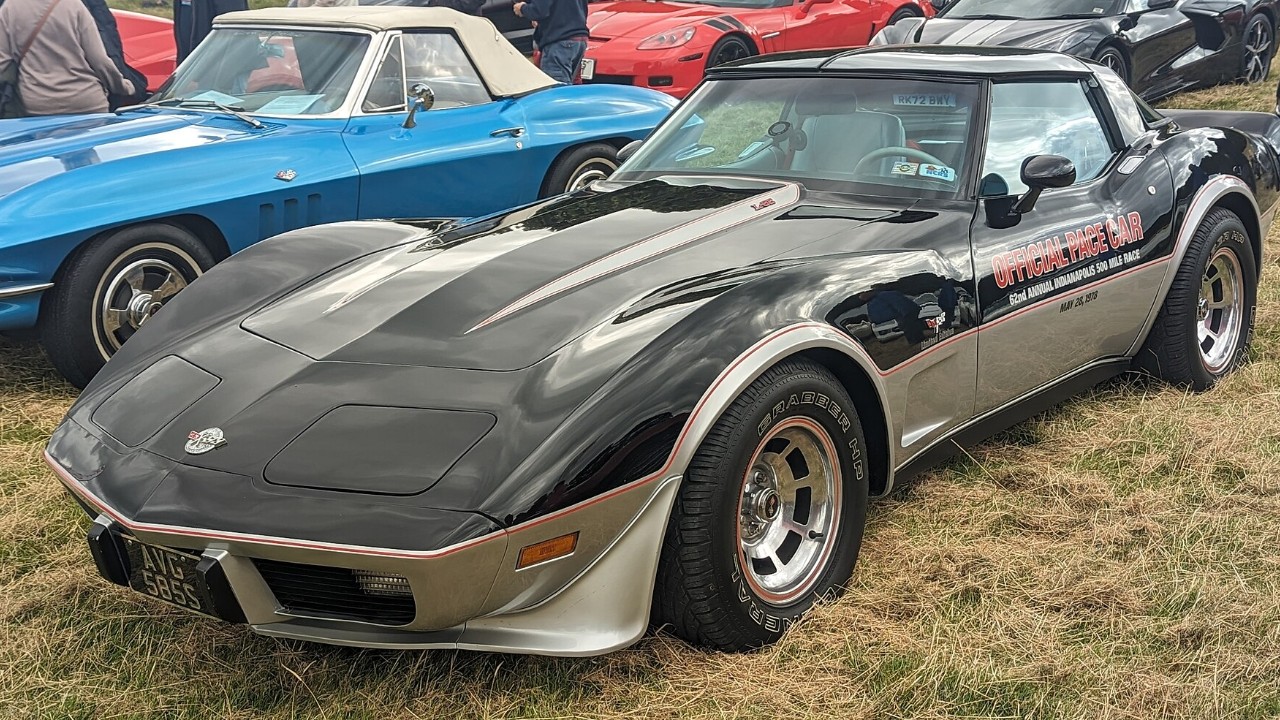
Chevrolet meant the 1978 pace car replica to be a small batch. Instead, it grew to roughly one car per Chevrolet dealer, and GM built 6,502 of them. That came to about 15 percent of Corvette output for the 25th-anniversary year, according to Hagerty’s look at Corvette pace cars.
The story around it is better than the hardware. After a Wall Street Journal piece talked up its collector potential, buyers paid over sticker and stored the cars away. However, the changes from a regular 1978 coupe were mostly cosmetic: black-and-silver paint, a silver interior, better seats, glass T-tops and alloy wheels. Every 1978 Corvette also got the new fastback rear glass that replaced the old sugar-scoop roof.
Here’s why we like it now. Hagerty put an L82-equipped replica in #2 condition at $41,300 in May 2024. That figure sat more than 60 percent above a base 1978 car. In other words, the market already pays for the pace car story, and we think that premium has room to grow. We’d look for an L82 car with its original decals and paperwork, because the documentation is what holds the premium.
3. 1980 Chevrolet Corvette C3 coupe
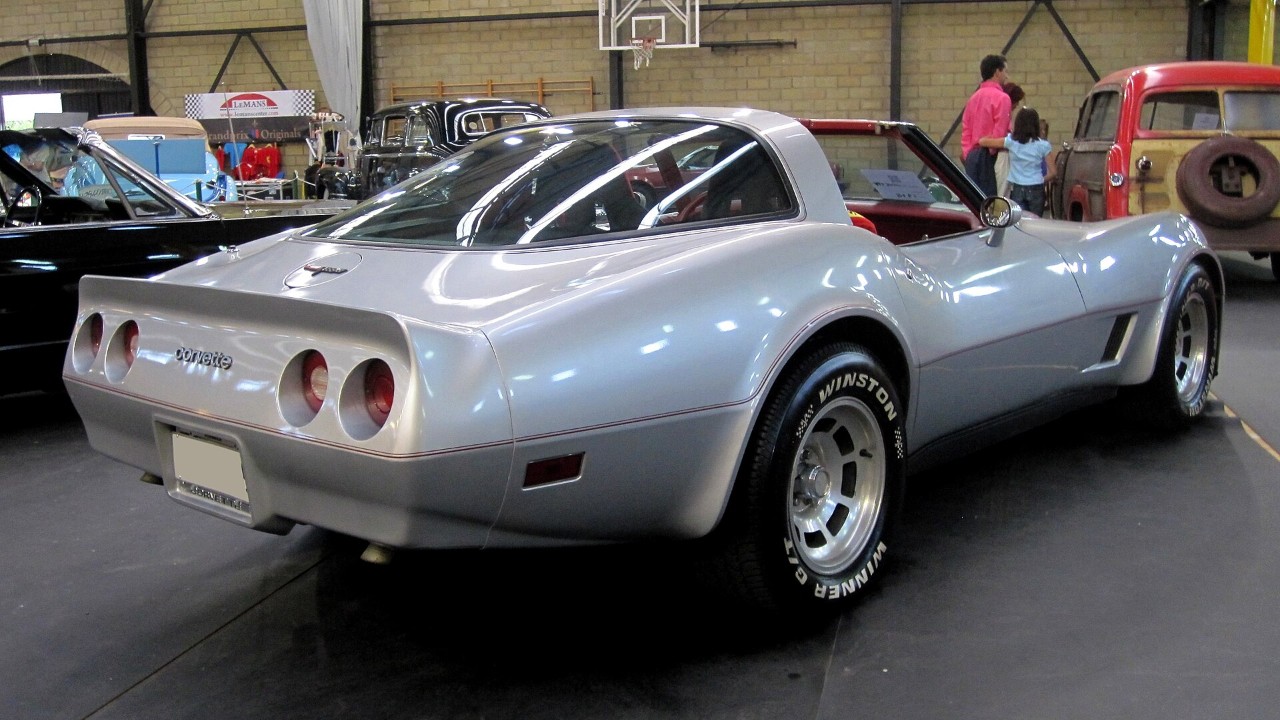
By 1980 the C3 had been around for 12 model years, so Chevrolet went looking for weight savings. It thinned the body panels and swapped the cast-iron rear differential for an aluminum Dana 44 unit. It also fitted an aluminum intake manifold to every car. As a result, the 1980 coupe carried less weight than the cars before it.
The engine lineup tells a split story. In California, buyers got a 305-cubic-inch V8 rated at 180 hp, and only with the automatic. Elsewhere, the base 350 made 190 hp at 4,400 rpm. Meanwhile, the L82 reached 230 hp at 5,200 rpm in its final year. There’s one more period detail too: a new federal rule capped the speedometer at 85 mph. Chevrolet built 40,614 Corvettes for 1980.
Why do we think late C3s won’t stay cheap? Hagerty tracked one close relative, the 1976 coupe, at an average #2 sale price of $19,500 in late 2023. It also noted those cars had gained nearly 64 percent since 2018. In our view, a 1980 L82 four-speed is the late shark to want, because it pairs the lighter body with the last high-output engine. Avoid California 305 cars if you want the full experience.
4. 1986 Chevrolet Corvette C4 convertible
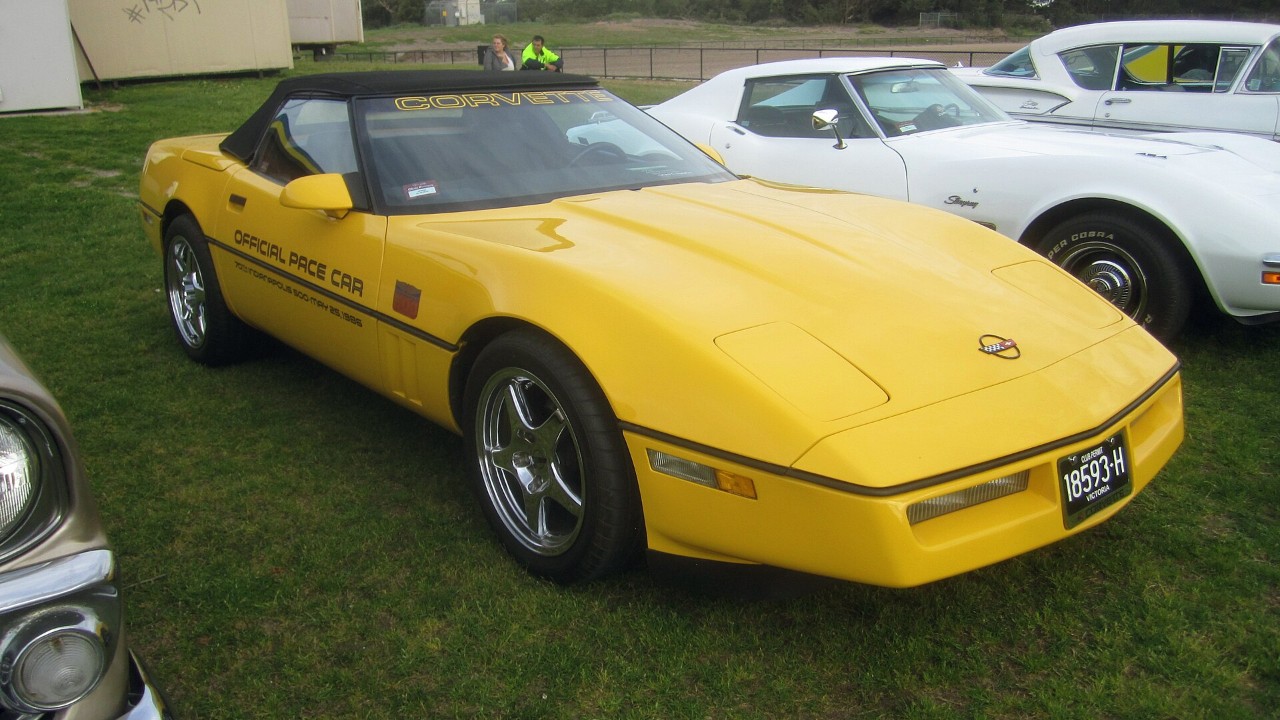
The convertible came back in 1986 after an 11-year absence. Every one of the 7,315 convertibles Chevrolet sold that year carried “Indy 500 Pace Car” identification on the console. That’s because a yellow 1986 convertible paced the Indianapolis 500.
Don’t let a seller oversell that badge, though. Hagerty notes that Chevrolet shipped the Indy decals with all of those convertibles and let owners decide whether to apply them. So the car is not a true limited edition. Hagerty valued 1986 convertibles at $23,500 in #2 condition, a slight premium over the 1987 cars. Under the hood, the L98 small-block made 230 hp and 330 lb-ft. The 1986 cars also added anti-lock brakes.
Our take: C4s remain the entry ticket to Corvette ownership. Hagerty called the 1986 coupe “the cheapest Corvette of them all” in 2023, at around $17,900. It also said the five-year trend showed a 50 percent gain. If you’d like a deeper read on low-cost picks, our list of sleeper Corvettes you can get cheap covers more of them. We’d buy the convertible now, before the coupes pull the open cars up with them.
5. 1990 Chevrolet Corvette ZR-1
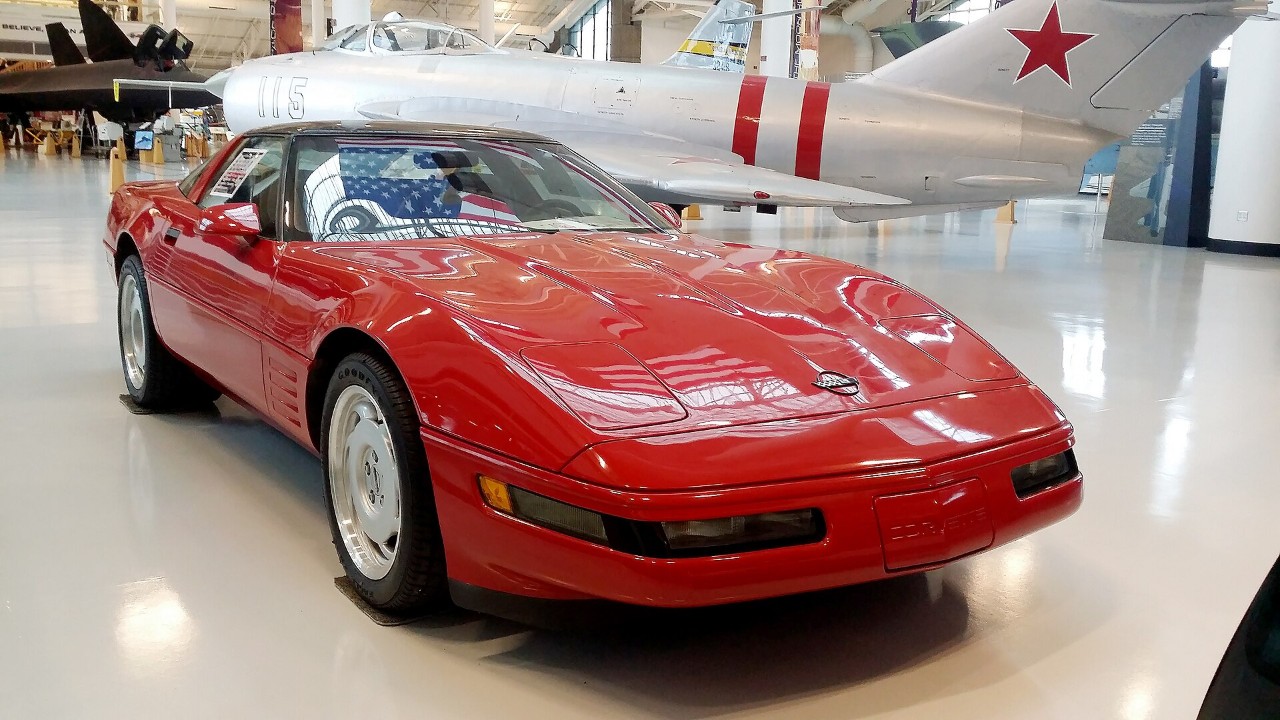
The ZR-1’s engine had an unusual birthplace for a Chevrolet. GM and Lotus engineered the LT5, a 5.7-liter, 32-valve, double-overhead-cam V8 in aluminum. Then Mercury Marine’s MerCruiser division machined and assembled it in Stillwater, Oklahoma, according to GM Authority. Finished engines then went to the Bowling Green plant.
For 1990, the LT5 made 375 hp and 370 lb-ft. Later, the 1993 update raised it to 405 hp. Before the car even reached buyers, a stock ZR-1 set FIA-verified records at Fort Stockton, Texas, on March 1, 1990. Among them was a 24-hour average of 175.885 mph. Chevrolet built 6,939 ZR-1s from 1990 through 1995.
So why include such a well-known Corvette? Because in our view, the first-year car is the one people overlook. The later 405-hp cars tend to grab the spotlight. However, the 1990 car was the debut of the whole program, and it wears that history. We cover the engine story in more depth in how the LT5 ZR-1 made Corvette a global threat. Budget for specialist service, because an LT5 rebuild is not a weekend job.
6. 1999 Chevrolet Corvette hardtop
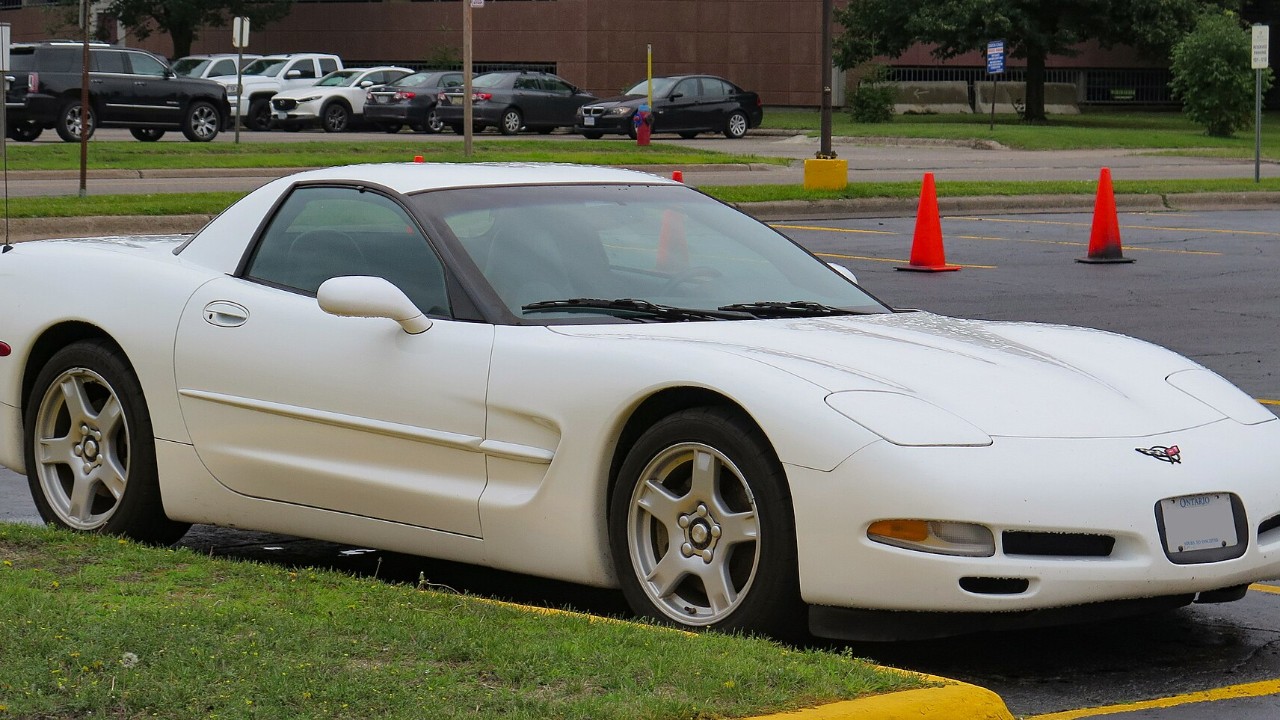
Chevrolet added a fixed-roof coupe to the C5 range for 1999. It never sold in big numbers. According to Hagerty’s look at C5 values, the hardtop made up 6 percent of 1999 production and 12 percent of 2000 production. Overall, Chevrolet built 33,270 Corvettes for 1999.
On paper the hardtop looks like the stripped model, because it came only with the manual gearbox. In practice, it was the stiffest C5 body. Hagerty says the fixed roof gave it 12 percent more structural rigidity than the regular hatchback coupe. That’s also why Chevrolet used it as the basis for the Z06 that followed in 2001. The LS1 under the hood made 345 hp in 1999.
Our take: the hardtop is the C5 for people who know the family tree. It shares its body with the Z06, the C5 that Hagerty says has gained the most. We’d expect the hardtop to follow as more buyers learn the story. Look for a stock example with its original wheels and no aftermarket wing, since modified cars lose the appeal that makes the hardtop special.
7. 1999 Chevrolet Corvette C5 convertible
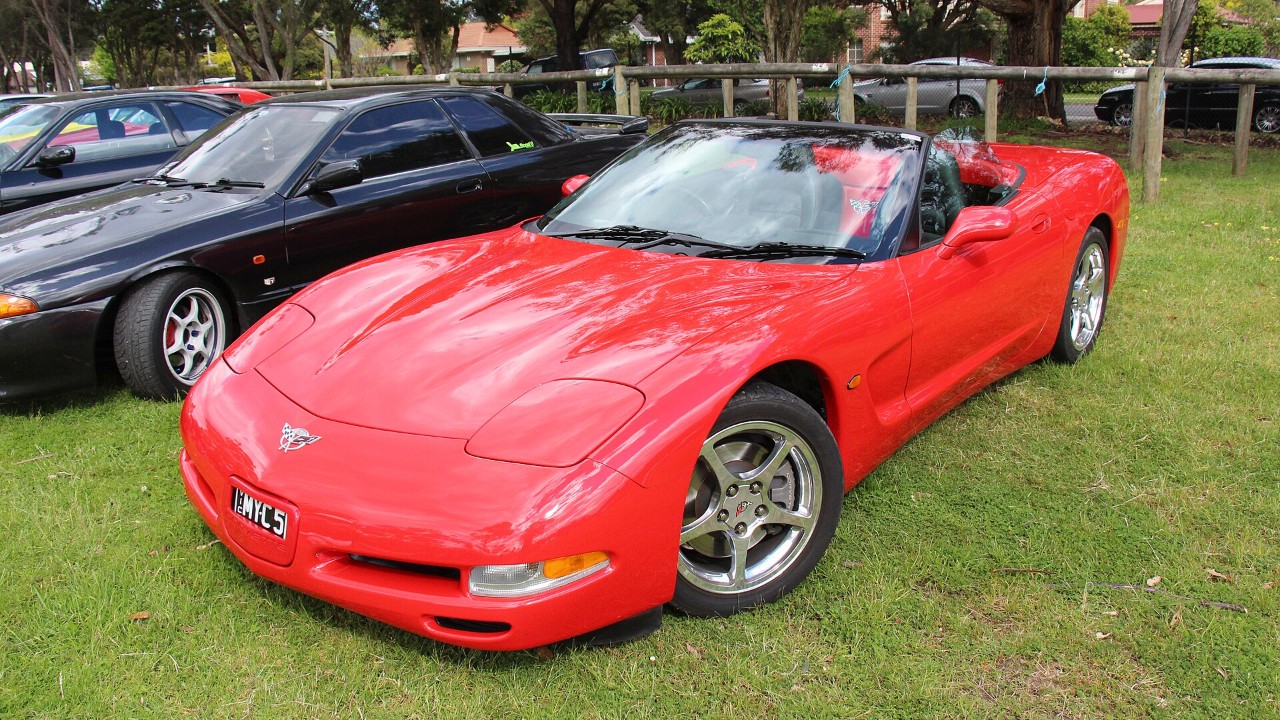
The C5 convertible arrived for 1998, and it brought back a feature Corvette owners had missed for decades. It had a real trunk. That made it the first Corvette convertible with one since 1962. By 1999 it was a settled part of the lineup.
The engineering underneath is what gives the C5 its reputation. Chevrolet built it on a hydroformed box frame. It also moved the transmission to the back, in a rear-mounted transaxle tied to the engine by a torque tube. As a result, the C5 felt like a clean-sheet car rather than an update. The LS1 small-block made 345 hp in 1999.
Here’s the value angle. Hagerty has said C5 convertibles are worth more than the hatchback coupes. It also found that cars with the four-speed automatic typically sell for about 10 percent less than six-speed manual cars. Back in 2017, Hagerty also found C5 values falling only slowly, by about 2 percent in a year. In our view, that’s your shopping list in one line: a six-speed convertible with records. Open-top Corvettes with a usable trunk are rare in the bargain bracket, and we don’t think that will last.
8. 2004 Chevrolet Corvette Z06 Commemorative Edition
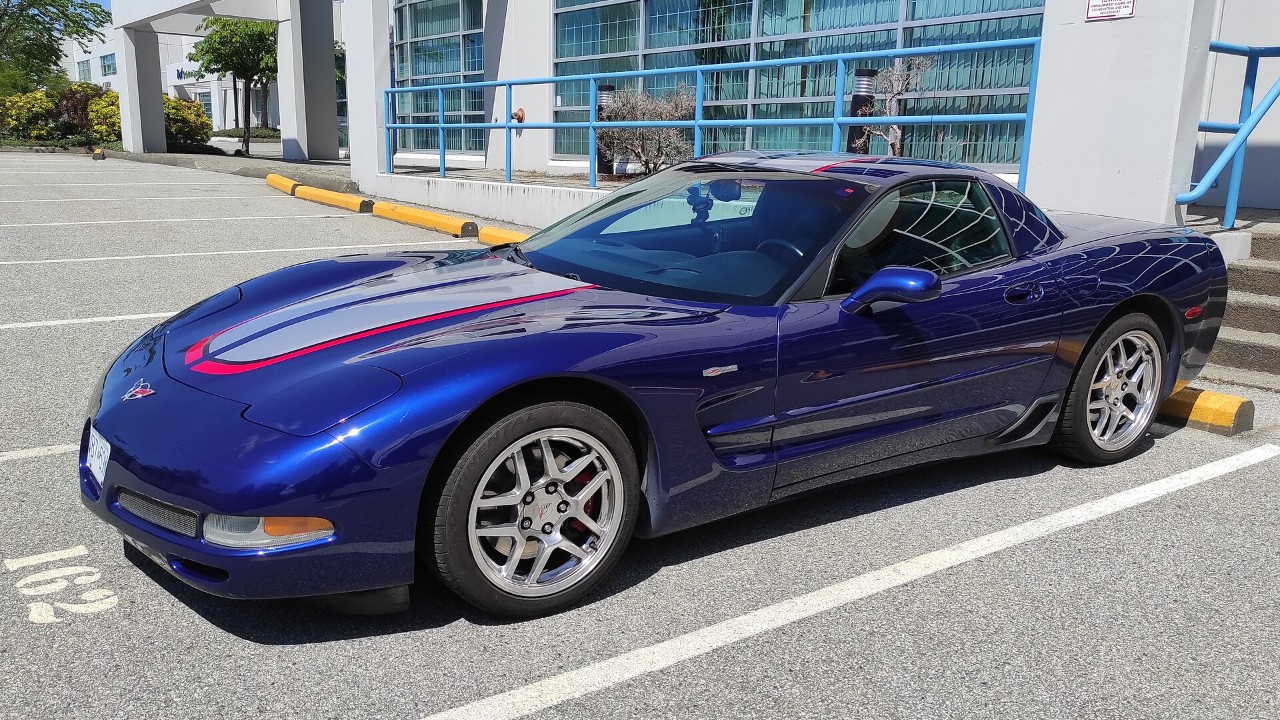
Chevrolet built 2,025 of these final-year Z06s. They wore Le Mans Blue Metallic paint and a carbon-fiber hood that saved about 10 pounds. That was a small saving on a Z06 that weighed 3,118 pounds, yet it made the hood a talking point.
The base hardware was already serious. From 2002, the Z06’s LS6 V8 made 405 hp. The Z06 also used the stiff fixed-roof body from the 1999 hardtop. When Hagerty assessed C5 collectibility in 2017, it called the Commemorative arguably the most collectible C5 of all. It also said the Z06 had shown the most value growth of any C5. By contrast, Hagerty said base C5s made up the bulk of production and were the least valuable.
Our take: this is the C5 that already has a following, so it isn’t a secret. Even so, it sells for a fraction of what newer Z06s bring. For background on the original model, see our piece on why the 2001 Corvette C5 Z06 turns heads. We’d insist on the original paint and hood, because a repainted Commemorative loses the details that define it.
9. 2005 Chevrolet Corvette C6 coupe
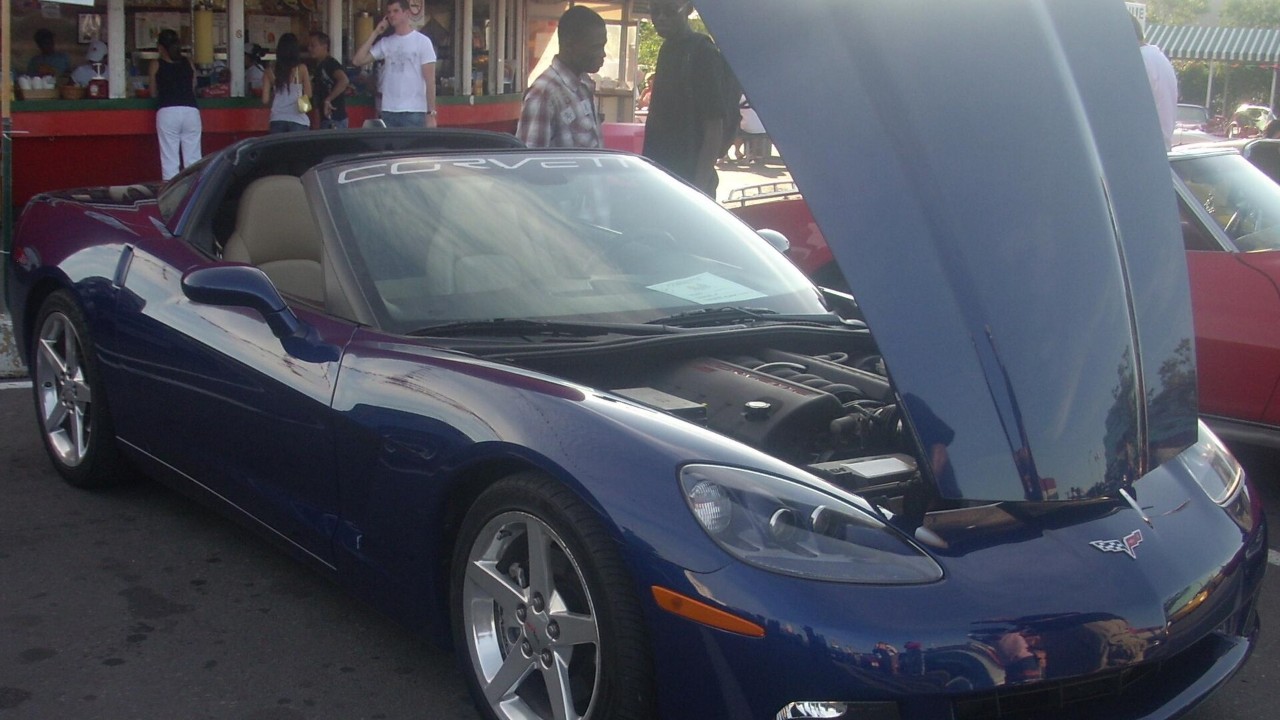
The C6 made one change you can see from a block away. It was the first Corvette with exposed headlamps since the 1962 model. Chevrolet also made it 5.1 inches shorter than the C5, while the wheelbase grew by 1.2 inches.
Power came from the new 6.0-liter LS2 V8, rated at 400 hp at 6,000 rpm and 400 lb-ft at 4,400 rpm. In other words, the base 2005 Corvette nearly matched the outgoing Z06’s 405 hp. Chevrolet built 37,372 Corvettes for the 2005 model year. So buyers have plenty of first-year cars to choose from.
Why do we think the window is closing? Hagerty said a 2005 convertible at $32,000 was “a stellar deal” in late 2023. It added that prices had cooled that year on all but the very best 2005 cars. Hagerty put that convertible on its list of the seven cheapest Corvettes, next to the 1986 coupe and the 1997 C5. That last point is the tell. In our view, the best low-mile, unmodified coupes will pull away first. Buy the cleanest one you can afford, and get a pre-purchase inspection from a Corvette specialist.
More from Fast Lane Only