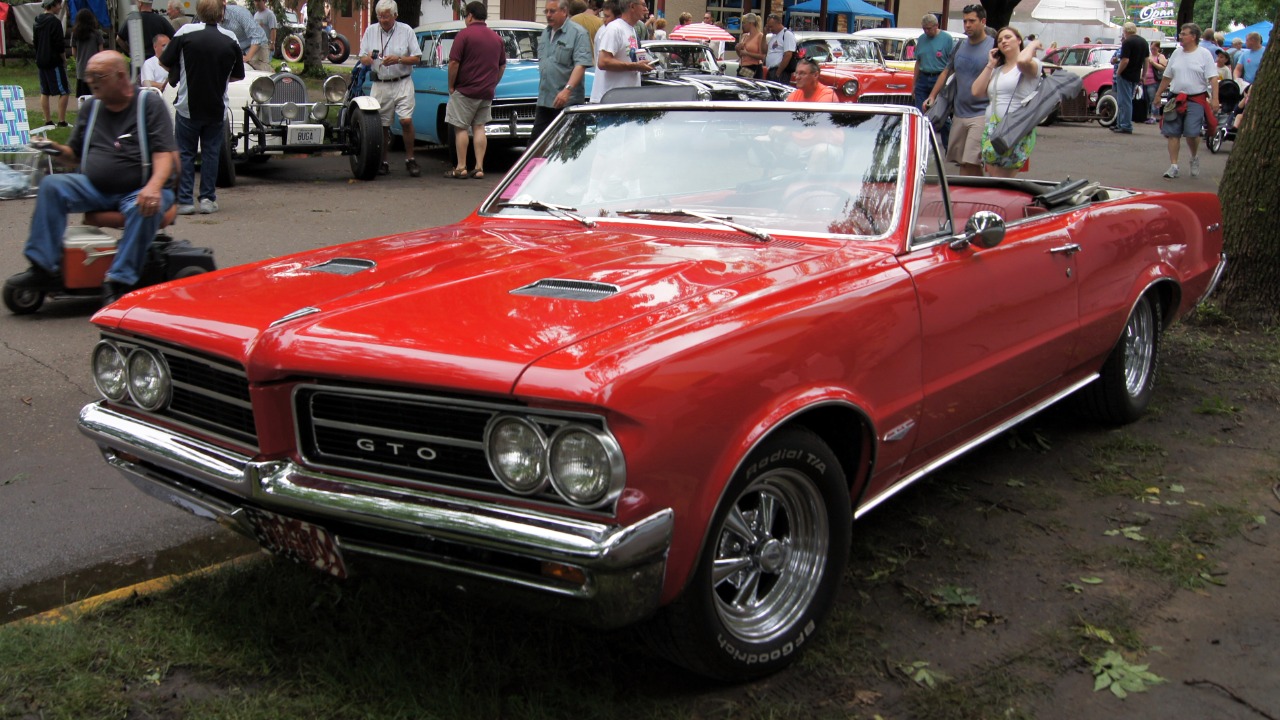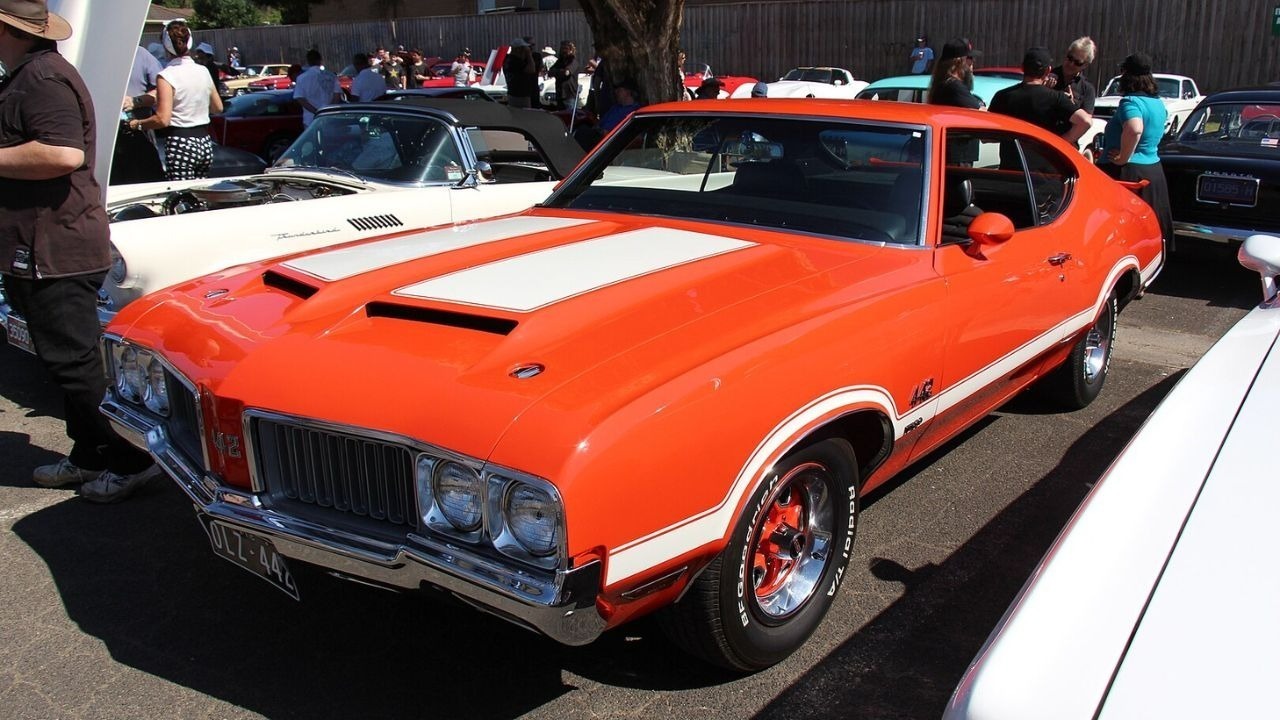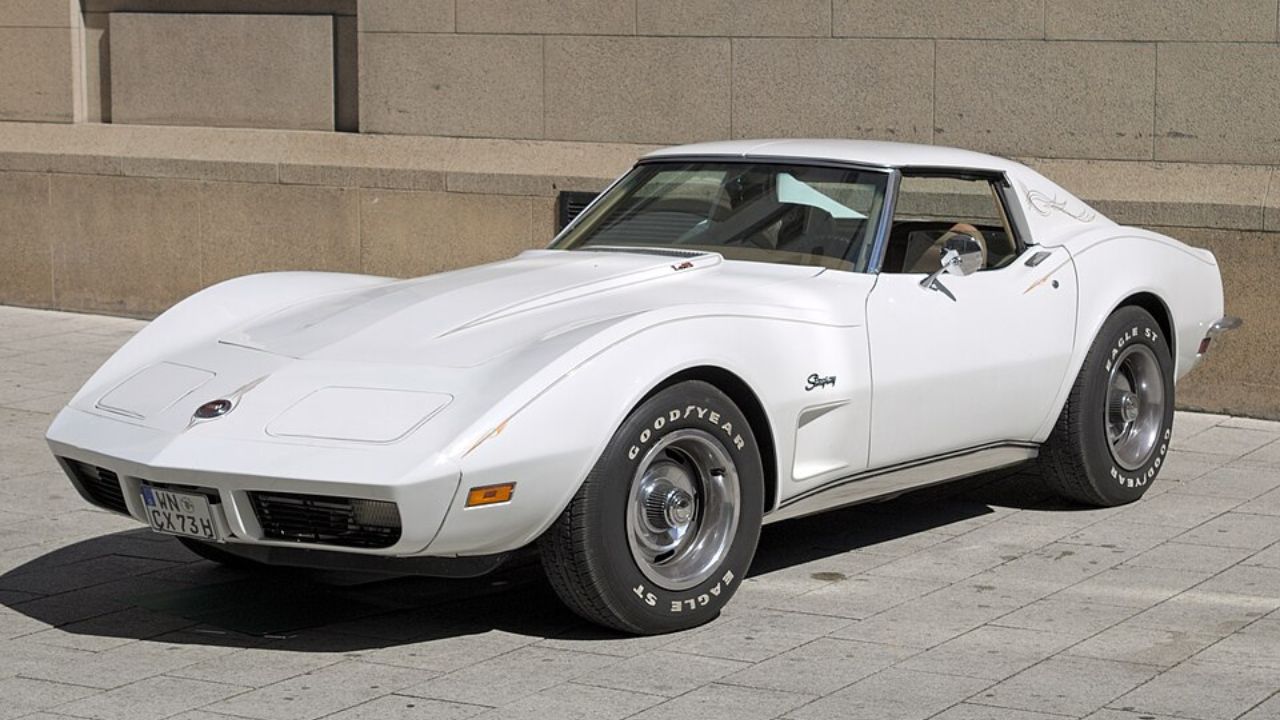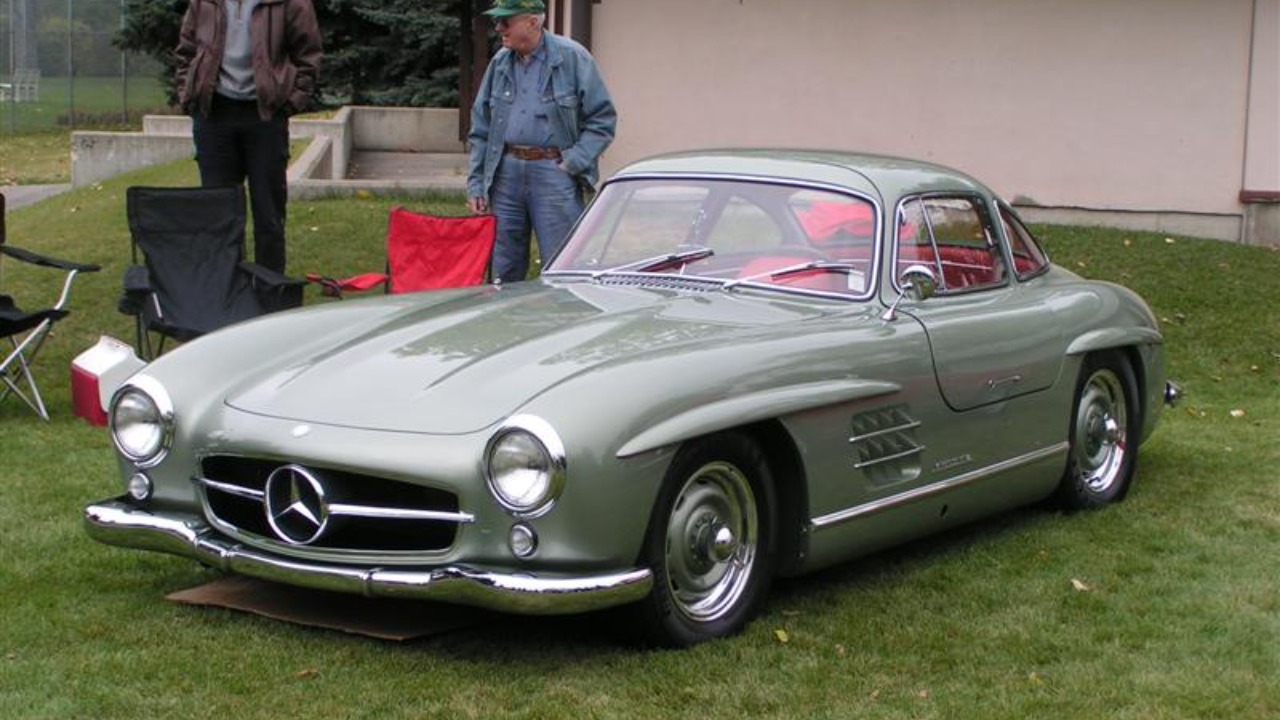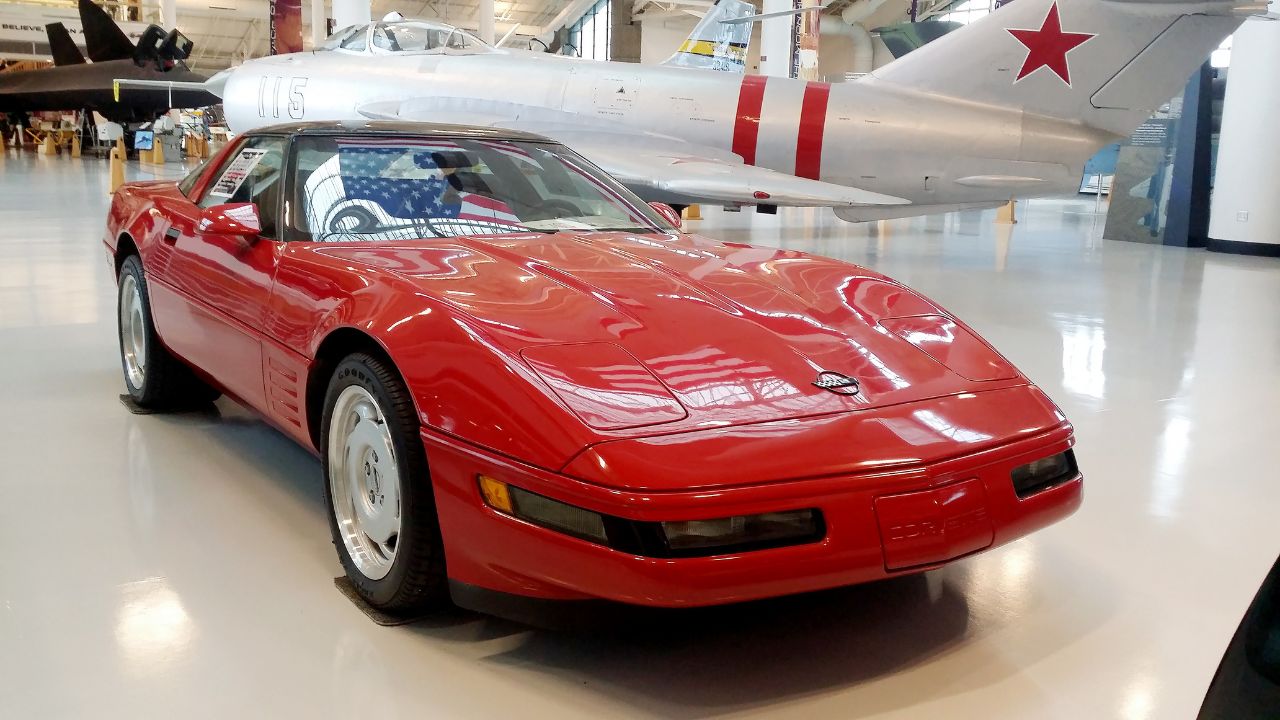
The Corvette ZR-1 LT5 arrived at the start of the 1990s as a statement that Chevrolet could build a world-class supercar with American styling and European engineering. Today, that same car sits in a fascinating corner of the collector market, with values that reward originality and condition more than outright rarity. I want to trace how the ZR-1 LT5 came to be, what made it special, and how the current price data shapes whether it looks like a smart buy or a fully priced icon.
How the LT5 ZR-1 project came to life
The ZR-1 story starts well before the first customer car, with Chevrolet chasing a halo model that could reset expectations for the Corvette. The ambitious program was green-lit in August of 1985, and the first LT5 engine reportedly fired on May 1, 1986, a timeline that shows how much engineering went into the car before it ever reached showrooms. That early commitment to a bespoke powerplant, rather than a warmed-over small-block, is what set the ZR-1 apart from the rest of the C4 range and justified its later reputation as an American supercar, a point underscored in detailed histories of the 1990–1995 ZR-1 Corvette.
By the time the production ZR-1 arrived in 1990, the broader C4 platform had already evolved into a capable sports car, but the LT5 engine and chassis upgrades pushed it into a different league. Reporting on the C4 era notes that the Corvette received a mid-cycle interior refresh in 1990 that modernized the cabin, which meant the ZR-1 launched with a cockpit that felt more in line with its cutting-edge drivetrain. That combination of a freshened interior and a highly engineered powertrain is central to why later commentators describe the early 1990s ZR-1 as the dawn of a modern American supercar, a theme that runs through long-form coverage of C4 Corvette ZR-1 history.
What made the Corvette ZR-1 LT5 different
At the heart of the ZR-1’s appeal is the LT5, a multi-valve V8 that broke from traditional pushrod Corvette engines and delivered the kind of high-rev performance buyers associated with European exotics. Contemporary and retrospective coverage emphasizes that the LT5 gave the Corvette C4 ZR-1 Porsche-beating speed, with acceleration and top-end performance that put it squarely in supercar territory at the beginning of the 1990s. That capability is highlighted in analysis that notes how the Corvette had “Had Porsche Beating Speed,” a phrase that captures how disruptive the car looked in period performance charts.
The ZR-1 package was more than just an engine swap, and that depth of engineering is part of what collectors pay for today. Chassis tuning, wider rear bodywork, and specific wheels and tires all signaled that this was not a cosmetic trim level but a comprehensive performance model. A detailed retrospective on the 1991 Chevrolet Corvette ZR1 LT5 notes that with the arrival of the ZR-1 in 1990, the Corvette had once more been elevated into a serious high-performance benchmark, and that the 1991 model year carried that momentum forward with refinements to styling and equipment. That perspective, laid out in a look back at the 1991 model, reinforces how the LT5 and its supporting hardware created a distinct identity within the C4 lineup.
Production run and evolution from 1990 to 1995
The ZR-1’s production window from 1990 through 1995 is short by Corvette standards, and that limited run is a key part of its modern appeal. Historical overviews of the C4 ZR-1 frame those six model years as a discrete chapter, with the car debuting at the start of the decade and exiting just as the C5 era approached. Within that span, the car did not stand still: performance-focused reporting points out that the C4 Corvette ZR-1 received a power boost in 1993, a change that sharpened its already formidable acceleration and helped keep it competitive against rapidly improving rivals, a detail highlighted in coverage of C4 Corvette ZR-1 performance.
That evolution matters for collectors because it creates a hierarchy within the ZR-1 family, with later cars often commanding a premium for their higher output and incremental refinements. A focused look at the 1991 Chevrolet Corvette ZR1 LT5, for example, underscores how quickly Chevrolet moved to polish the package after the 1990 launch, updating styling and details a year later in 1991 to keep the car visually and dynamically fresh. When I weigh those changes against the broader C4 timeline, including the 1990 interior refresh noted in a used-car market overview, it is clear that the ZR-1’s short, continuously improved run is one reason it stands apart from more common C4 variants.
How the ZR-1 LT5 compares to the broader C4 market
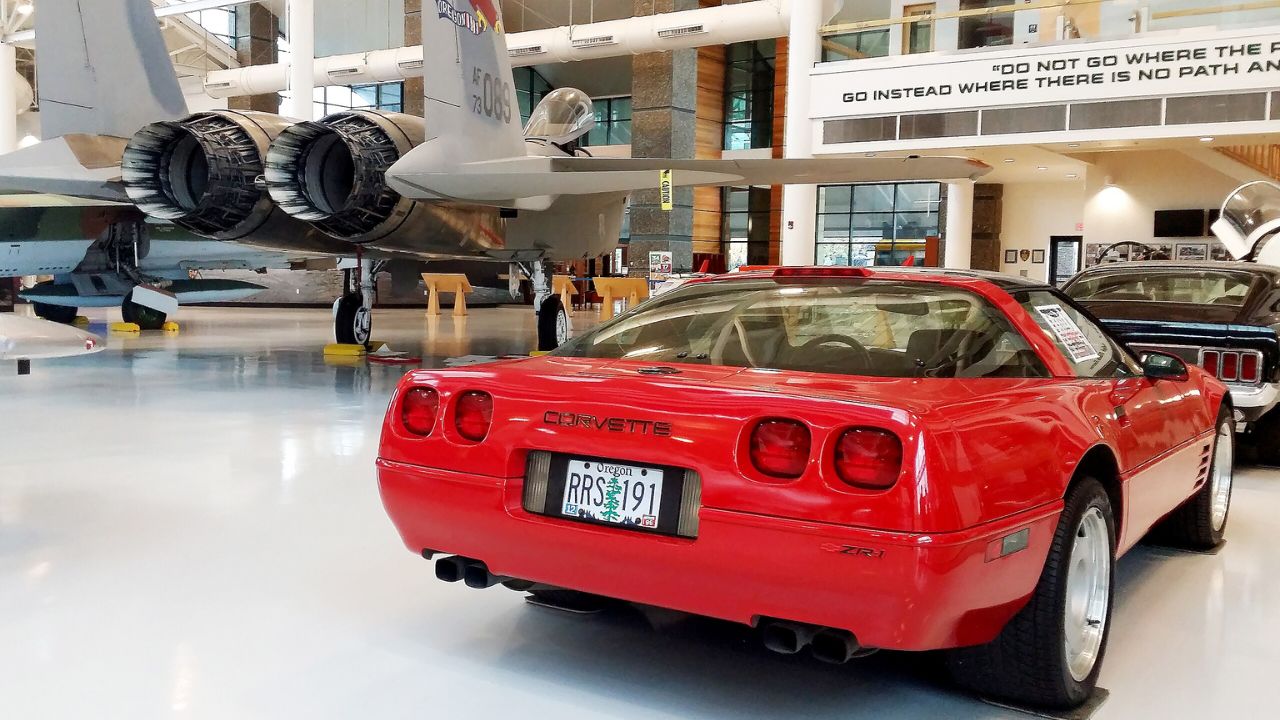
To understand current ZR-1 values, I first look at where ordinary C4 Corvettes sit in the used market. A detailed used-car market watch on the 1984–1996 Chevrolet C4 Corvette pegs average values in a relatively modest band, reflecting how plentiful and affordable standard cars remain. That same analysis notes that the Corvette received a major interior update in 1990, which helps explain why later C4s, including the ZR-1, tend to be more desirable than early digital-dash cars, but the baseline numbers still show that most C4s are accessible entry points into classic Corvette ownership, as summarized in the C4 used-car price guide.
Against that backdrop, the ZR-1 LT5 sits in a different pricing universe, even if it remains cheaper than some European contemporaries. A valuation snapshot for the 1990 Chevrolet Corvette ZR-1 shows that condition-sensitive price guides treat it as a distinct model with significantly higher figures than a standard C4, reflecting both its engineering content and its limited production. That separation is reinforced by transaction data aggregated for the C4 ZR-1, which tracks sales across model years and conditions and consistently places the ZR-1 at a premium to base cars, a pattern visible in the market charts for the 1990 ZR-1 and the broader C4 ZR-1 cohort.
Current market values and what buyers are paying
Recent reporting on actual sales gives a clearer picture of what enthusiasts are spending on ZR-1s today. One detailed market analysis notes that you can get a Good Original Corvette ZR-1 for $22,300, a figure that reflects real-world transactions rather than just guidebook estimates. That same piece, drawing on Classic.com transactions, highlights that the most desirable 1995 models can reach about $52,500, showing how late-production cars with the full suite of improvements and lower production numbers command a substantial premium, as laid out in a July 4, 2024 look at what the C4 ZR-1 is worth today.
Another perspective frames the ZR-1 as a car that has already crossed into serious collectible territory. A March 10, 2023 analysis argues that the Corvette C4 ZR-1 is now very much worth a fortune, particularly for low-mileage examples with around 40,000 miles on the clock, and ties that value directly to its performance credentials and historical significance. That piece leans on the same core idea that the C4 ZR-1 had Porsche-beating speed when it arrived, and that this performance halo continues to support strong prices, a point reinforced in the discussion of how much the C4 ZR-1 Corvette is worth.
Where the ZR-1 LT5 fits in the Corvette legacy now
Looking across the reporting, I see the ZR-1 LT5 occupying a sweet spot between attainable classic and blue-chip collectible. It is far more expensive than a typical C4, yet still priced below many European supercars that it could match or beat in period performance tests. Video retrospectives that walk through the ZR1 lineage from 1990 to 2019 underline how the original C4-based car still commands respect among later, more powerful models, with commentators returning to the early 1990s ZR-1 as the “OG” that set the template for every ZR1 that followed, a sentiment captured in a November 30, 2023 overview of Corvette ZR1 through the ages.
For buyers today, the decision comes down to whether the LT5’s engineering story and the car’s place in Corvette history justify the premium over a standard C4. The development timeline that began in August of 1985, the first LT5 firing on May 1, 1986, the launch in 1990 with a refreshed interior, and the later power boost in 1993 all add up to a narrative of a carefully honed flagship rather than a short-lived experiment. When I weigh that against current price data, from the $22,300 range for solid drivers to about $52,500 for top late cars, the ZR-1 LT5 looks like a model whose values reflect both its rarity and its enduring reputation as the car that turned the early 1990s Corvette into a genuine American supercar, a status supported across detailed histories of the C4 ZR-1 and focused retrospectives on the Chevrolet Corvette ZR1 LT5.