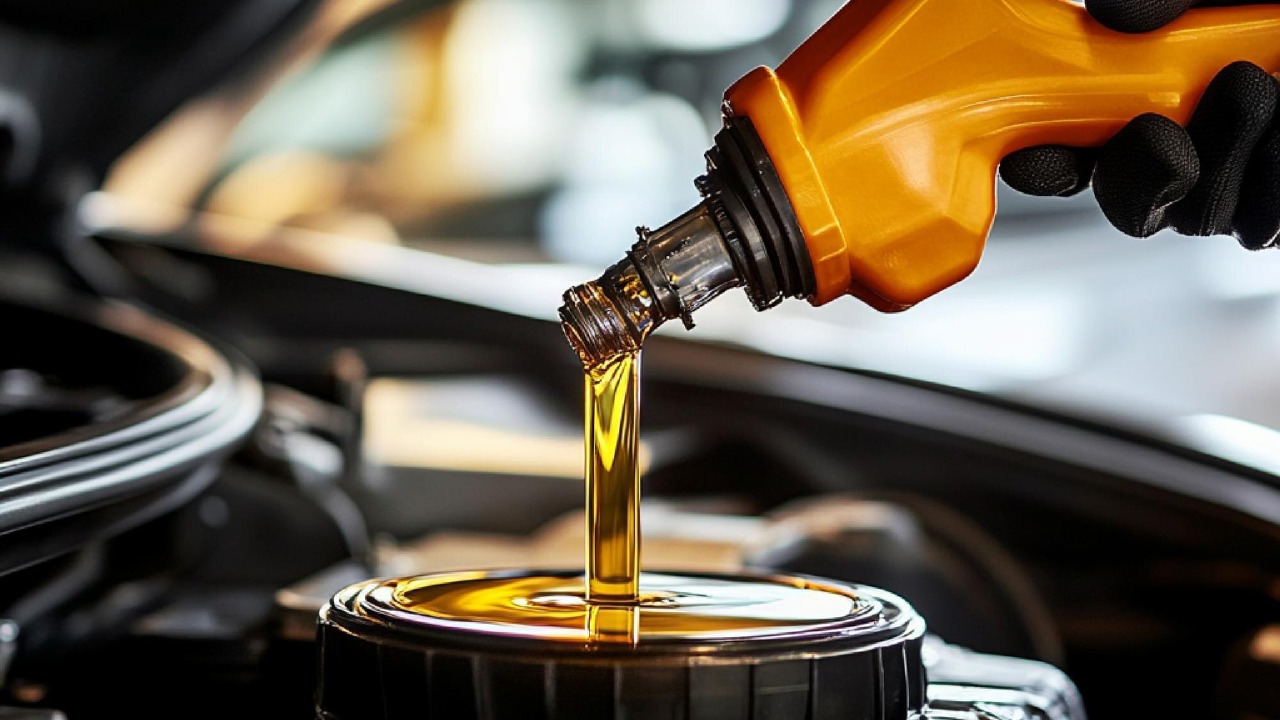
What should have been a routine full synthetic oil change turned into a nightmare just miles down the road. According to the driver, the vehicle suddenly began losing oil pressure before the drain plug reportedly fell out while traveling on the freeway.
Incidents like this can lead to catastrophic engine damage within minutes, especially at highway speeds where oil loss happens rapidly. Stories involving loose drain plugs, stripped threads, and rushed maintenance work have fueled growing concerns about quality control at some repair shops and quick-service centers.
A routine oil change turned into a blinking dashboard and a sinking feeling
It started like the most normal car errand imaginable: pull in, pay for a full synthetic oil change, grab a receipt, and head back to real life. A little more expensive than conventional, sure, but the promise is peace of mind and a cleaner-running engine. Instead, a few miles into the drive—right in the middle of freeway speeds—the oil pressure light popped on and everything got loud in the worst way.
Then came the smell. Hot metal, a faint burnt scent, and the kind of dread that makes you turn the radio down as if that’ll help. By the time the driver got onto the shoulder, the engine was already sounding unhappy, and a quick look underneath told the story: oil was everywhere, and the drain plug was gone.
What does it mean when a drain plug “falls out”?
The drain plug is a small bolt at the bottom of the oil pan, and it’s basically the gatekeeper for your engine oil. During an oil change, a technician removes it, lets the old oil drain, and then reinstalls it with the right torque (tightness). If it isn’t tightened properly—or if the threads are damaged—it can back out over time and eventually drop out completely.
When that happens, oil doesn’t just “leak.” It pours out. At freeway speed, you can lose most of your oil in moments, and the engine can go from fine to dangerously under-lubricated before you even have time to fully process what’s happening.
How this usually happens (and why it’s not always obvious)
Most of the time, this isn’t a dramatic sabotage story—it’s a small mistake with big consequences. Sometimes the plug is left a bit loose, sometimes the washer (a little gasket-like ring) is reused when it shouldn’t be, and sometimes an overtightened plug strips the oil pan threads so it feels “tight” but won’t actually hold. In quick-lube environments, a rushed final check can be the difference between a normal day and a tow truck.
There’s also the “wrong plug” problem. Some vehicles use specific thread patterns or plug lengths, and a plug that seems to fit can still be incorrect. It may thread in partially, hold for a short drive, and then vibrate loose like it was never meant to be there in the first place.
The freeway moment: what drivers notice first
The first clue is often the oil pressure warning light, not a puddle on the driveway. Oil pressure drops fast when the oil level drops, and modern cars are pretty good at yelling at you when that happens. Some drivers also hear ticking, knocking, or a harsh mechanical sound—basically, the engine complaining that it’s trying to run without its protective film of oil.
If you ever see that oil light come on while you’re driving, the safest mindset is: “This is an emergency until proven otherwise.” Pull over as soon as it’s safe and shut the engine off. It’s one of the rare times in car ownership when “just a few more miles” can turn a fixable issue into a full engine replacement.
What happens to an engine when the oil leaves the chat
Engine oil does more than “lubricate.” It helps cool internal parts, reduces friction, and keeps metal surfaces from grinding into each other. Without oil, heat and friction skyrocket, and components like bearings and camshafts can be damaged quickly.
Sometimes you get lucky and shut it down in time. Other times, even a short drive at speed is enough to cause wear that doesn’t show up until later—like new noises, low compression, or metal particles in the oil. That’s why this kind of failure can be both immediate and sneaky.
Responsibility, receipts, and what shops typically do next
When a drain plug falls out soon after service, the big question becomes: was it installed correctly, and can it be shown? Many shops will first want to inspect the vehicle, document what they see, and determine whether the plug was missing, loose, or if the oil pan threads are damaged. If the car was towed back, that helps keep the timeline clean, since driving it around after the warning light came on can muddy the waters.
In a straightforward situation—fresh oil change, immediate failure, clear evidence—shops often cover the tow, repair, and any engine-related damage. But results can vary depending on documentation, what the inspection shows, and local consumer protection rules. That’s why keeping the invoice, taking photos, and writing down the timeline matters more than people realize.
If this happens to you, here’s what to do (in the moment)
First: pull over safely and turn the engine off. Don’t restart it “just to move it a little” unless you’ve confirmed there’s oil in the engine and the leak is addressed. If you see oil pouring out, restarting can do real damage in seconds.
Second: take a few quick photos. A shot of the dashboard warning lights, the oil on the ground, and the underside area can be surprisingly helpful later. Then call for a tow—ideally back to the shop that performed the service or to a trusted mechanic if you’re worried about bias.
What to ask for after the tow
Ask for a written inspection report that notes the missing drain plug (or loose plug), the condition of the oil pan threads, and the amount of oil remaining. If the oil pan is stripped, ask whether it can be repaired with a thread insert, requires a new pan, or needs an oversized self-tapping plug (which some mechanics consider a last-resort fix). Also ask whether the filter and drain plug washer were replaced and which parts were used.
If the engine ran without oil pressure, request an oil and filter change after repairs, plus documentation of any metal found in the oil or filter. In more serious cases, a shop might recommend an oil pressure test or even internal inspection. It’s not about being dramatic—it’s about not discovering the damage three months later when the warranty conversation gets awkward.
Could the driver have prevented it?
Honestly, most people wouldn’t catch this before it happens. You can’t see the drain plug from the driver’s seat, and you shouldn’t have to crawl under a car after paying for a professional service. That said, checking the driveway for fresh drips and glancing at the oil level on the dipstick a day or two after service can catch smaller leaks early.
And here’s a tiny habit that actually helps: pay attention to new smells and new sounds right after maintenance. If something feels off, it probably is. Cars aren’t subtle when they’re unhappy; we’re just busy and optimistic.
Why this story hits a nerve
People buy full synthetic oil changes because they’re trying to do the right thing for their car. It’s maintenance as self-care, just with a dipstick. So when something as basic as a drain plug becomes the weak link, it feels like betrayal—especially because the consequences can be so expensive.
The upside is that clear documentation, quick action, and a calm-but-firm approach usually lead to a resolution. Nobody wants an engine failure story tied to their shop, and most businesses would rather make it right than argue with physics. The drain plug may be tiny, but when it goes missing at 70 mph, it turns into the biggest part on the car.
More from Fast Lane Only
- Unboxing the WWII Jeep in a Crate
- 15 rare Chevys collectors are quietly buying
- 10 underrated V8s still worth hunting down
- Police notice this before you even roll window down
*Research for this article included AI assistance, with all final content reviewed by human editors.