Dallas is quietly turning its streets into a vast network of automated eyes, and drivers are starting to feel the difference at every intersection. With police now tapping into more than 600 AI-powered traffic cameras, the city has moved from pilot projects to full scale deployment, reshaping how speeding, stolen cars and even broader public safety issues are monitored. The rollout is part of a wider embrace of artificial intelligence across city services, from sanitation trucks to code enforcement, and it is forcing residents to rethink what it means to drive through a modern American city.
From traffic lights to a citywide AI grid
The core shift in Dallas is not that cameras exist, but that they are now intelligent, networked and everywhere. According to public records, police have access to more than 600 AI-enabled traffic cameras that can read license plates, flag suspicious vehicles and feed real time alerts to officers. I see that scale as the turning point: what used to be a handful of red light cameras has become a dense digital mesh that can follow a car across large parts of the city.
Supporters inside law enforcement argue that this network is an incredibly powerful tool for solving crime and responding faster when something goes wrong on the road. Reporting on the system notes that Supporters credit the cameras with helping track stolen vehicles and identify suspects that might otherwise slip away in traffic. The technology is supplied by Flock, and one officer described being impressed by the clarity of the images and how the company’s AI capabilities go far beyond plates, a sign that the system can analyze more than just letters and numbers on a tag.
How AI cameras actually watch drivers
On paper, the cameras are simple: they sit on poles or at intersections, capture passing vehicles and run the images through software that looks for patterns. In practice, the sophistication is in the back end. Flock’s system does not just log a plate, it can tag vehicle characteristics and behaviors, which is why internal descriptions emphasize that its Capabilities Go Far Beyond Plates. That means a car involved in a hit and run can be searched later by color or body type, not only by a number sequence that a witness might not remember.
City documents show that Dallas is already comfortable letting outside vendors tune these systems. In a memorandum about another AI camera program, officials explained that City Detect programs and configures cameras and the AI system based on city priorities, a model that mirrors how traffic cameras are likely managed. That arrangement gives Dallas flexibility to adjust what the algorithms look for, but it also means residents must trust both the city and its contractors to set the right limits on what is tracked and how long it is stored.
Drivers change habits when every move is recorded
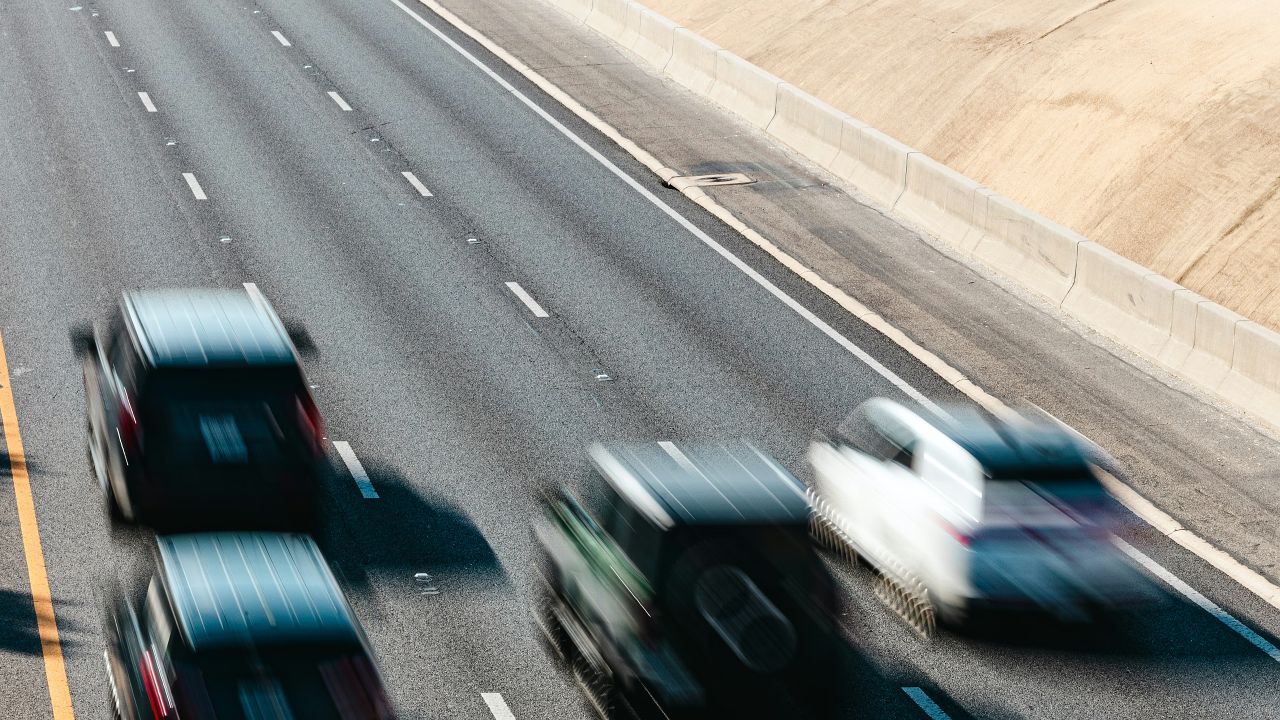
When drivers realize that hundreds of cameras can follow their route, behavior starts to shift in subtle but real ways. In Dallas, the knowledge that police can pull up a vehicle’s path across more than 600 locations is already prompting more cautious driving in high visibility corridors, according to officers who see fewer drivers racing through known camera zones. I hear a similar theme in conversations with residents: people talk about thinking twice before rolling through a yellow light or making a quick illegal turn, not because of a patrol car in the mirror, but because they assume a lens is watching.
That awareness is not limited to human drivers. Dallas is also one of the cities where autonomous and semi autonomous vehicles are drawing scrutiny, and local attorneys have warned that videos from Cities Where These Vehicles Operate Raise Serious Safety Concerns. When AI traffic cameras share the road with driverless test fleets, every incident is captured from multiple angles, which can be a powerful accountability tool but also raises the stakes for any mistake. The result is a driving culture that feels more surveilled and, in some cases, more defensive, as people assume that any misstep could be replayed and analyzed later.
Dallas folds traffic surveillance into a broader AI city strategy
What is striking in Dallas is that traffic cameras are not a one off experiment, they are part of a broader strategy to embed AI into everyday city operations. The Dallas City Council has already backed a plan titled Dallas City Council Approves the Use of Innovative AI Technology to Improve Neighborhood Cleanliness and Service Effici, which authorizes AI enabled cameras on sanitation trucks. Those cameras are designed to spot high weeds, illegal dumping and other code issues as crews drive their routes, effectively turning garbage trucks into roving inspectors.
City leaders have followed up by approving AI powered cameras for sanitation trucks more specifically, with plans that Next year will see two cameras each mounted on trucks in early to mid 2026. Reporting on code enforcement notes that the Department of Code Complia expects a likely increase in reported violations once its contract with City Detect is finalized, even as Christian, a city official, has tried to reassure residents about privacy. When I connect those dots, the pattern is clear: if a vehicle moves through Dallas on official business, there is a good chance an AI camera is riding along.
North Texas experiments show where traffic AI is headed next
Dallas is not alone in using roadside technology to manage risk, and its neighbors offer a glimpse of where traffic AI might go next. In Fort Worth, transportation officials have been testing new systems that warn drivers in real time when roads are flooded, aiming, as one report put it, to change how the city communicates with drivers so they are not just seeing flashers in the field but also getting alerts before they reach a flooded roadway. The pilot, described in coverage of new flood warning technology, uses sensors and connected signs to close dangerous low water crossings automatically.
Another report on the same effort notes that Fort Worth is trying to combat deadly flooding by testing technology on roads that are known trouble spots, with officials in Fort Worth framing it as a way to prevent drivers from entering high water in the first place. I see a direct parallel to Dallas: if AI cameras can already read plates and track vehicles, it is not a stretch to imagine them feeding into similar real time hazard systems, warning drivers about crashes, debris or even sudden storms ahead. The region is effectively building a layered digital safety net over its roads, and Dallas’s traffic cameras are one of the most visible, and controversial, strands in that web.
More from Fast Lane Only: