Hundreds of thousands of Californians who thought they were set for future air travel and federal building access are suddenly being told their identification cards are not good enough. A software mistake at the state’s motor vehicle agency has triggered a mass reissue of Real ID licenses, leaving affected drivers and residents scrambling to secure new cards before they need to fly or prove their identity.
The scale of the problem is striking even in a state used to big numbers, and the burden is falling on a particularly vulnerable slice of the population. Instead of a quiet bureaucratic fix, the error has exposed how fragile the Real ID system can be when technology, immigration rules, and everyday life collide.
How a software glitch unraveled Real ID security checks
The core of the problem is not a printing error or a missing hologram, but a breakdown in how California’s Department of Motor Vehicles verifies immigration status for Real ID applicants. The DMV has acknowledged that a software glitch meant some licenses and identification cards were issued or renewed without correctly tying the card’s expiration date to the end of an immigrant’s authorized stay in the United States. That gap matters because Real ID rules require the physical card to expire when a person’s legal permission to remain in the country runs out, and the state’s system did not always enforce that link.
Once the issue surfaced during an internal review, The DMV concluded that a large batch of cards might not meet federal standards and would need to be replaced. One report describes the agency contacting roughly 325,000 people whose documents could be affected, while another account puts the figure at 325,000 Californians flagged by the Department of Motor Vehicles. Other coverage describes “Over 300,000 California Real ID holders” and “More than 300,000 Californians” needing new cards, while one summary of the problem cites exactly 300,000 affected licenses. Taken together, the reporting points to a statewide failure that swept up well over three hundred thousand people.
Who is affected and why immigrants are at the center
The glitch does not hit every Real ID holder equally. Reporting indicates that the issue is concentrated among certain immigrants whose Real ID cards were issued or renewed without properly syncing the card’s expiration with federal immigration records. One analysis notes that the problem “only affects certain immigrants who were issued Real IDs,” underscoring that this is not a blanket recall of every enhanced license in the state but a targeted, if very large, subset of cardholders. These are people who already had to navigate complex paperwork to prove lawful presence, only to discover that the state’s own systems undermined that effort.
For those caught in the error, the stakes are higher than a routine trip to the DMV. Many rely on their Real ID to board domestic flights, enter secure workplaces, or complete background checks, and they may already face language barriers, limited transportation, or inflexible work schedules. When coverage describes “More Than 300000 Californians” needing new Real IDs and emphasizes that the issue is tied to an immigrant’s authorized stay, it highlights how a technical misstep can quickly become a civil rights and access problem for people whose legal status is already heavily scrutinized.
From quiet rule change to mass inconvenience
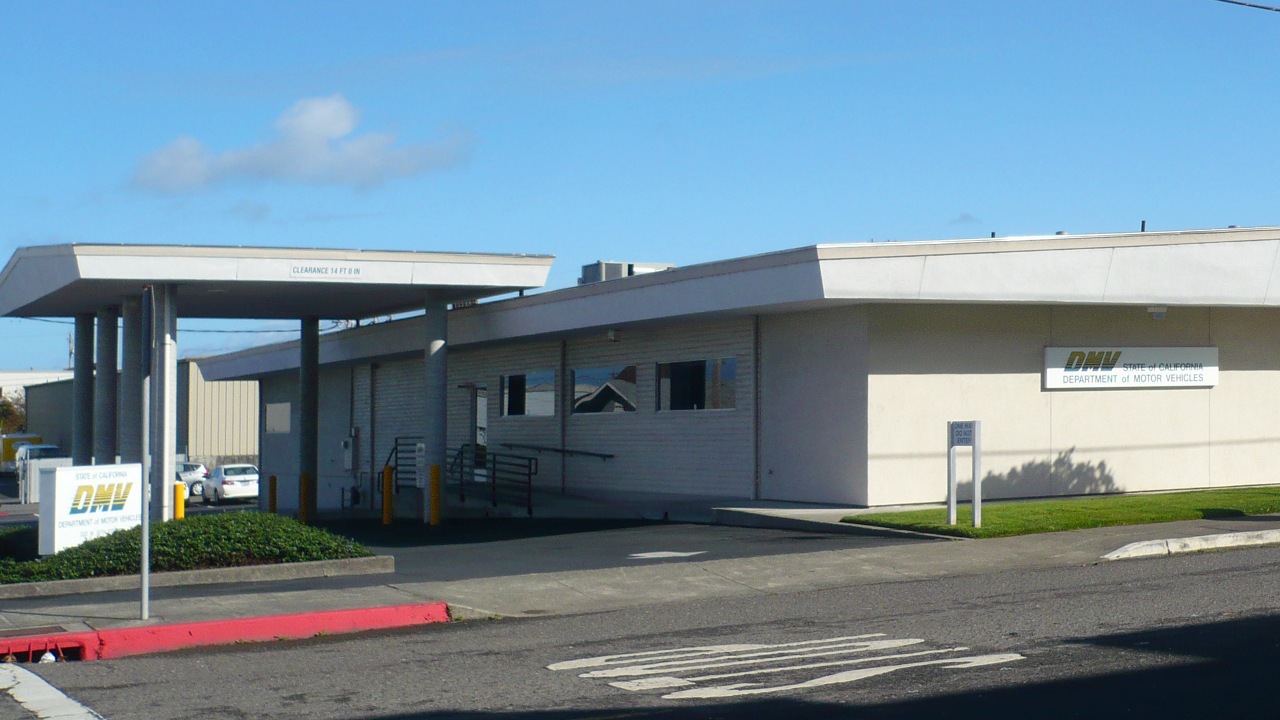
To understand why this glitch matters so much, it helps to remember how Real ID arrived in everyday life. The federal requirement that travelers use compliant identification for domestic flights was delayed multiple times, and one report notes that the rule finally took effect in May of 2025. Californians spent years being urged to upgrade to Real ID, often enduring long lines and repeated document checks to avoid being turned away at airport security once the deadline arrived. By the time the new rules kicked in, many residents believed they had finally cleared that hurdle.
The DMV’s software failure has effectively moved the goalposts for a large group of those people. Instead of enjoying the promised stability of a long term Real ID, they are being told to come back, reapply, and in some cases prove their immigration status again. One summary describes the DMV error as forcing 300,000 Californians to replace their cards, while another notes that California’s Department of Motor Vehicles is requiring 325,000 people to update their Real ID. For anyone who rearranged work shifts or childcare to secure their original card, the idea of repeating that process because of a back end mistake feels less like a minor inconvenience and more like a broken promise.
What affected Californians are being told to do now
In response to the discovery, the DMV has begun notifying those whose cards may not comply with federal rules. According to the agency’s own description of the problem, The DMV identified the glitch through an internal review and is now reaching out to roughly 325,000 people to explain that their Real ID may need to be reissued. Other accounts describe the department telling “Over 300,000 California Real ID holders” that they must update their licenses because of the error. The message is consistent: if you are in the affected group, your current card may not be accepted for Real ID purposes in the future, even if it looks valid today.
For those receiving letters or emails, the practical question is what happens next. Reporting indicates that the DMV is instructing people to obtain new cards that correctly reflect the end of their authorized stay, which can mean gathering immigration documents again and scheduling another visit to a field office. Some summaries suggest that the department is trying to streamline the process, but the scale of the recall, whether described as 300,000 or About 325,000 people, means that even a well organized fix will strain appointment systems and customer service lines. For travelers with upcoming flights, the safest move is to pay close attention to any DMV notice and plan for extra time to secure a compliant ID.
What this glitch reveals about Real ID and digital bureaucracy
Beyond the immediate disruption, the Real ID error exposes how dependent modern identification systems have become on software that most people never see. The entire premise of Real ID is that state agencies will rigorously verify identity and legal status, then encode that assurance into a card that federal authorities can trust. When a programming mistake allows cards to be issued without properly matching an immigrant’s authorized stay, it undercuts the promise that these documents are more secure than the licenses they replaced. The fact that multiple reports describe “More than 300,000 Californians” or “Over 300,000 California Real ID holders” needing new cards shows how a single flaw can ripple through an entire state’s identity infrastructure.
I see this episode as a warning about how easily digital bureaucracy can shift risk from institutions to individuals. The DMV’s systems failed to enforce a rule that applicants themselves cannot see or control, yet it is those applicants who must now take time off work, gather documents, and navigate crowded offices to fix the record. When coverage notes that California’s Department of Motor Vehicles is requiring 325,000 Californians to update their Real ID, or that “More Than 300000 Californians Must Get New Real IDs,” it captures a broader truth: when government technology breaks, the fix is rarely as simple as a software patch. It is lived out in airport lines, missed shifts, and the uneasy feeling that even when you follow the rules, the system can still fail you.
More from Fast Lane Only: