A pickup truck was advertised as “certified,” complete with the kind of confidence that usually implies a rigorous inspection, a fresh set of checkmarks, and some professional accountability. But when paperwork for the truck was reviewed, the inspection sheet meant to back up that certified claim didn’t have a signature from anyone. No tech name, no service manager sign-off, not even a hurried scribble that says, “Yep, I looked at it.”
It’s the kind of detail that sounds small until you realize the signature is the whole point: it ties a real person (or at least a real department) to the inspection. Without it, “certified” starts to look less like a promise and more like a marketing sticker. And that’s where the story gets interesting—and a little uncomfortable.
What “certified” is supposed to mean (and why people pay for it)
Most shoppers hear “certified” and translate it into: “Someone checked this thing thoroughly, fixed what needed fixing, and it’s safer than the average used vehicle.” That’s not a wild assumption—certification programs typically advertise multi-point inspections, reconditioning standards, and sometimes an extended warranty. In plain terms, you’re paying extra for peace of mind.
The catch is that “certified” can mean different things depending on who’s saying it. Sometimes it’s a manufacturer-backed certified program with strict rules and documentation. Other times it’s a dealer’s own “certified” label, which can range from legitimately thorough to… well, more vibes-based than evidence-based.
The missing signature that raised eyebrows
The inspection sheet tied to this truck reportedly listed the usual categories—brakes, tires, fluids, lights, suspension—along with boxes indicating pass/fail or measurements. But the area reserved for the inspector’s signature was blank. Not “illegible.” Not “stamped.” Just empty, like it was printed and filed before anyone officially owned the result.
That matters because a signature isn’t just ceremonial. It’s the point where the checklist stops being an internal note and becomes a document that can be relied on by the customer. If something goes wrong later, signed paperwork helps answer a very basic question: who verified this, and when?
How this happens (without assuming a grand conspiracy)
In a busy dealership, paperwork can lag behind the actual work. A truck might get inspected, then moved to the front line, then photographed, then listed online—while the final documentation sits in a stack waiting for someone’s attention. It’s also possible the inspection sheet was generated automatically by software, and the signature step was skipped because someone was rushed.
There’s also the more awkward possibility: the inspection wasn’t completed in the way the “certified” label implied. A checklist can be filled out quickly, especially if it’s treated like a formality instead of a real process. And when nobody signs it, it’s hard to tell whether the issue is sloppy admin work or something more significant.
Why the signature isn’t just a technicality
“Certified” claims can influence how much a vehicle sells for and how quickly it moves. When that word is on a listing, it nudges buyers to trust the dealer’s promise and skip some of their own skepticism. That trust is exactly why the supporting documents need to be tight.
A signature is also a traceable accountability marker. It suggests the inspection was performed by a qualified person, under a defined standard, at a particular time. Without it, the inspection sheet reads more like a rough draft than a certification record.
What shoppers can do when something feels off
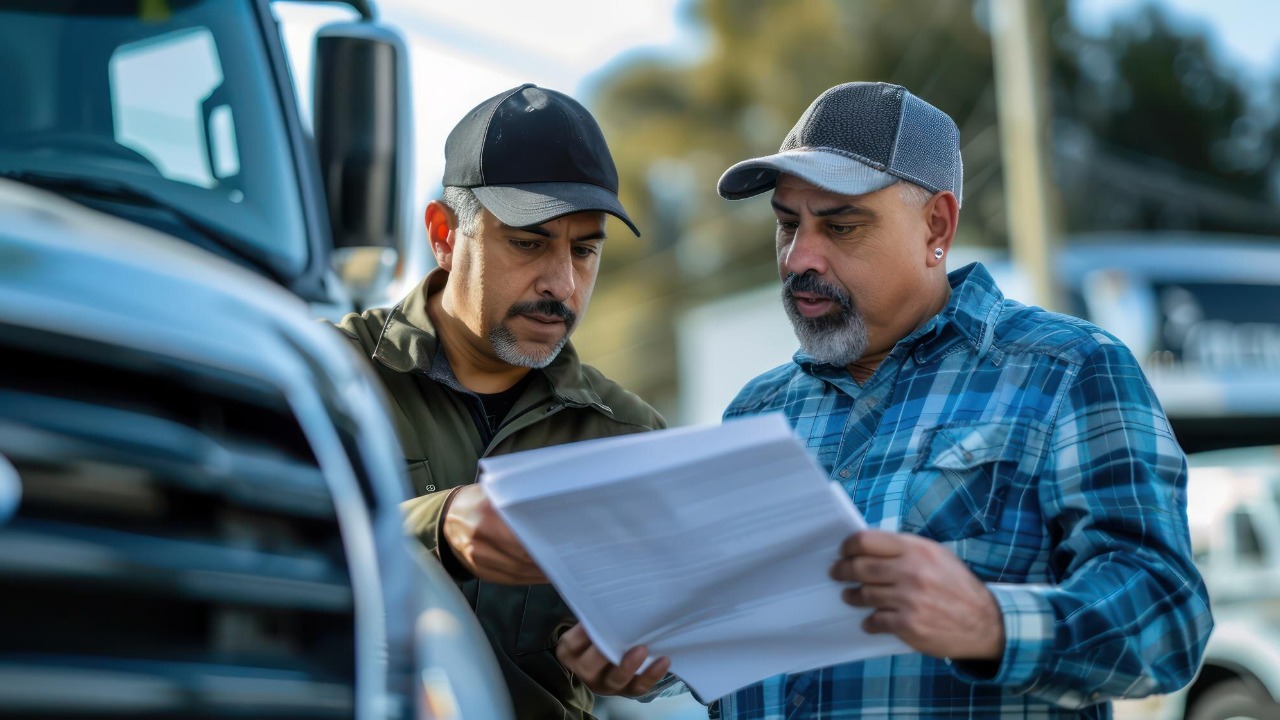
If you’re buying a used vehicle and see “certified,” ask to see the certification paperwork before you sign anything. Not later, not “we’ll email it,” not “it’s somewhere in the system.” You want the actual inspection report, the reconditioning items (if any), and the warranty details, all in writing.
Look for dates, mileage, and names or identifiers. If the inspection sheet isn’t signed, ask who performed the inspection and who approved certification, and request that they provide a signed copy. A reputable store shouldn’t get defensive about basic documentation—it’s like asking for the receipt after you pay.
Questions worth asking at the dealership
Start with the simple one: “Is this certified through the manufacturer or the dealership?” That single question often clears up a lot, because manufacturer-backed programs usually have stricter rules and a paper trail. If it’s dealer-certified, ask what standards were used and what the certification actually includes.
Then get practical: “What was repaired or replaced to meet certification?” A clean vehicle isn’t the same thing as a certified one, and “we inspected it” isn’t the same as “we corrected issues found during inspection.” If they can’t show you documented work—parts, labor lines, or service notes—you’re not being picky; you’re being normal.
What this could mean for pricing and negotiations
A “certified” label often adds a premium, either directly in the price or indirectly by limiting how much a dealer is willing to negotiate. If the paperwork doesn’t support the claim, that premium becomes fair game. You can ask for the price to be adjusted to match a comparable non-certified truck, or for the dealer to complete the missing documentation properly.
It’s also reasonable to request an independent pre-purchase inspection, especially if the certification process looks shaky. A third-party shop doesn’t care about the listing language; they care about tire tread, brake thickness, leaks, codes, and wear. If the truck truly is in great shape, an outside inspection should confirm it.
Why consumer watchdogs pay attention to “certified” language
Advertising claims matter because they shape decisions. When a dealer uses terms like “certified,” “inspected,” or “quality checked,” it suggests there’s a verifiable process behind the promise. If that process can’t be documented—or if the documentation looks incomplete—regulators and consumer advocates tend to get interested.
This isn’t about nitpicking forms for fun. It’s about whether the customer received what was represented: a vehicle that met a defined standard at the time of sale. The more money attached to the claim, the more important it is that the proof isn’t just implied.
The bigger takeaway: trust is built on boring details
Most people don’t buy a truck because they love paperwork. But paperwork is where promises live, especially for used vehicles. A missing signature might be a simple oversight—or it might be the canary in the coal mine telling you the dealer’s “certified” label is more sales pitch than substance.
If you run into something like this, stay calm and curious. Ask for the documents, ask who’s accountable, and don’t be afraid to walk if the answers don’t add up. The best deals aren’t just about price; they’re about clarity—preferably with a signature at the bottom.
More from Fast Lane Only
- Unboxing the WWII Jeep in a Crate
- 15 rare Chevys collectors are quietly buying
- 10 underrated V8s still worth hunting down
- Police notice this before you even roll window down
*Research for this article included AI assistance, with all final content reviewed by human editors.