New-car lots are starting to look like time capsules, with rows of untouched 2024 models sitting under strings of faded balloons while shoppers walk straight past them. Dealers are staring at metal they cannot move, and the longer those cars sit, the more leverage shifts to buyers who are willing to play the waiting game. The headline story here is simple: there are specific 2024 models that shoppers will not touch at current prices, and dealers are running out of room, patience, and excuses.
By late in the model year, some leftovers are normal. What is happening now is not normal. We are talking about a glut of 2024 vehicles that were built for a pandemic-era market of desperate buyers, but are now stranded in a world where people are keeping cars longer, cross-shopping used, and refusing to overpay for the wrong vehicle.
How we ended up with a 2024 pileup
The core problem is simple: automakers and retailers kept building and ordering like it was still the frenzy of 2021, but demand cooled off while prices stayed high. Analysts have flagged that new vehicle sales are slowing as shoppers hold onto their cars longer or look at cheaper options, even as transaction prices keep rising, a mismatch that leaves more new vehicles sitting unsold on lots. That slowdown is colliding with a huge wave of 2024 inventory that needs to be cleared before the next model year fully takes over.
By Sep, there were still 2.2 m cars and trucks from the 2024 model year parked at dealerships, even as 2025 models were already arriving. Earlier in the year, some stores were already described as drastically overstocked, with days of supply climbing far above what dealers are comfortable carrying. When you combine that kind of overhang with shoppers who are more cautious and payment sensitive, you get a market where the old playbook of “hold the line on price and wait” simply stops working.
The specific 2024 models nobody wants at sticker
Not every 2024 is a problem child. The trouble is concentrated in a roster of models that either missed the mark on value, arrived just as tastes shifted, or were priced for a very different economy. Data on dealer lots shows that some nameplates have far more 2024 units left than others, which is another way of saying shoppers are voting with their feet. When a vehicle is still stacked deep on the back row while rivals are turning quickly, that is a clear signal that something is off.
One of the starkest examples is the Dodge Hornet PHEV, where Approximately 82.1 percent of the total 2024 inventory is still unsold. That is not a rounding error, it is a red flag that pricing, positioning, or both are badly out of sync with what plug-in hybrid shoppers want. Broader inventory data highlights other slow movers too, with guides to 2024 models with the most remaining inventory calling out vehicles that have piled up in far greater numbers than their peers.
Ford’s Escape problem and the SUV hangover
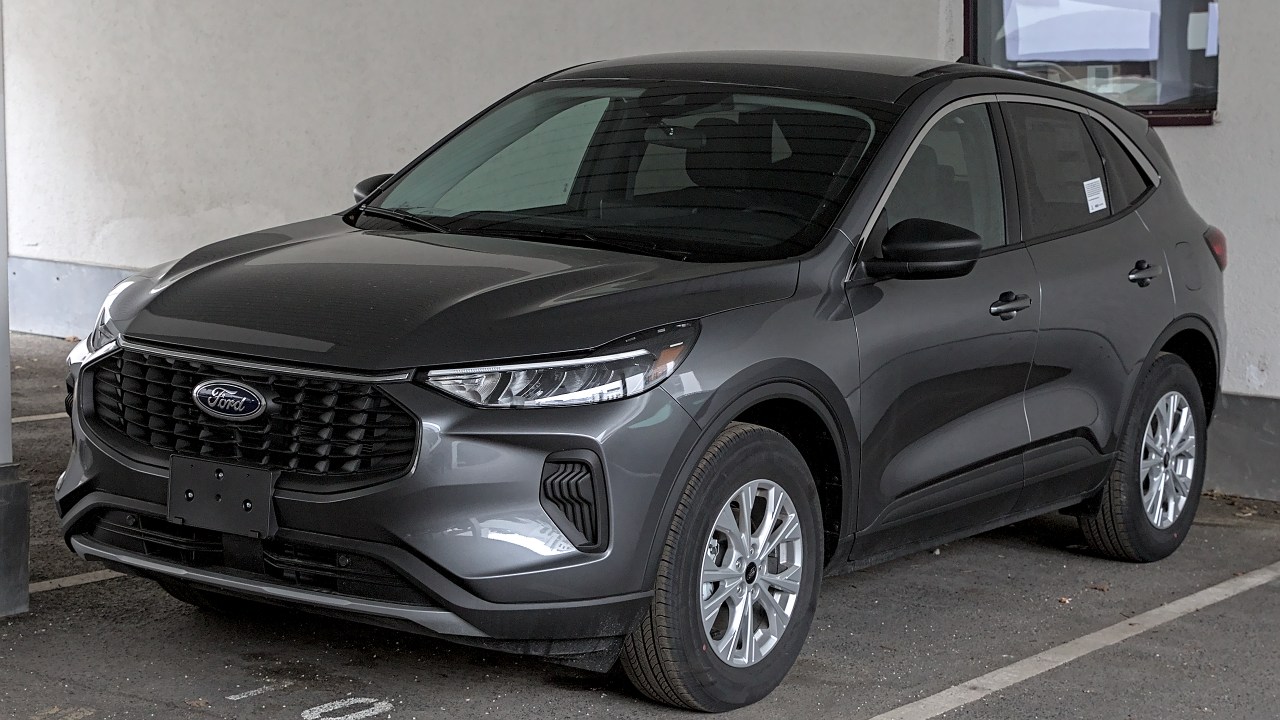
If you want a snapshot of how quickly the market turned, look at Ford’s compact SUV strategy. Ford is grappling with a severe oversupply of 2024 Escapes as the year races to its conclusion, even though 2025 versions have already started to roll in. Dealers are staring at rows of nearly identical crossovers, all with the wrong model year on the window sticker, and they know every week that passes makes those units harder to sell at anything close to the original ask.
Video breakdowns of the Ford situation describe Dealerships full of old inventory and a brand that has to “get rid of them now,” while later updates on Ford in 2025 talk about a market that has shifted away from the easy-profit days of the pandemic. On top of that, some 2024 Ford models have been criticized for lacking the range or capabilities buyers expect, even when the Blue Oval Company throws big discounts at them. When shoppers can see fresher rivals with better specs for similar money, they are not going to bail Ford out of its Escape backlog out of loyalty.
Why shoppers are holding out instead of “helping” dealers
From the buyer’s side, the logic is brutally rational. If you know dealers are overloaded with last year’s models, why rush in at the first hint of a rebate when waiting a bit longer might unlock thousands more in savings? Earlier in the summer, shoppers were already asking When Car Dealers would be desperate to move their 2024 NEW CARS and openly strategizing about timing their purchase to catch the moment of maximum dealer pain. That kind of conversation used to happen quietly; now it is out in the open, and it reflects a broader shift in power.
Industry analysts have pointed out that these high leftovers give buyers more bargaining power, with Dealers now sitting on significant 2024 inventory that has to be cleared. Guides to the best time to buy a car note that During the final months of the year, dealerships are especially keen to blow out old stock with bigger discounts, attractive financing, and generous trade-in values. When shoppers know that pattern and can see the inventory glut in real time, they are not going to feel guilty about walking away from a weak deal in October if they think December will be better.
What this standoff means for pricing and negotiation
For anyone in the market, the current stalemate between stubborn pricing and reluctant buyers is actually an opportunity. Over more than a century, Over Americans got used to haggling over the sticker, then the pandemic briefly flipped the script and made “take it or leave it” pricing feel normal. Now the pendulum is swinging back. With so many 2024s aging on the lot, especially in segments like compact SUVs and plug-in hybrids that missed the sweet spot, dealers are being pushed to negotiate harder than they have in years.
Fresh inventory data tools highlight New Cars With The Most Inventory These days, and You can use that kind of information to target models with the highest days’ supply, where dealers are most likely to bend. Video explainers on why Dealers Can’t Sell These Cars & SUVs dig into the same theme, explaining that American buyers are simply not willing to accept outdated tech, mediocre range, or inflated pricing just because the vehicle is technically “new.” When you walk into a store armed with that context, you are not just kicking tires, you are negotiating from a position of strength.
At the same time, Auto industry voices are warning that new car prices keep rising even as sales dip, a combination that will keep this tug-of-war going into next year unless automakers and retailers adjust. If manufacturers keep building at a pace that outstrips realistic demand, and if they insist on holding the line on MSRPs that no longer make sense, we will see more situations where 2024s and even 2025s linger untouched. Unverified based on available sources whether every brand will blink, but the pressure is clearly building on those stuck with the most stubborn inventory.