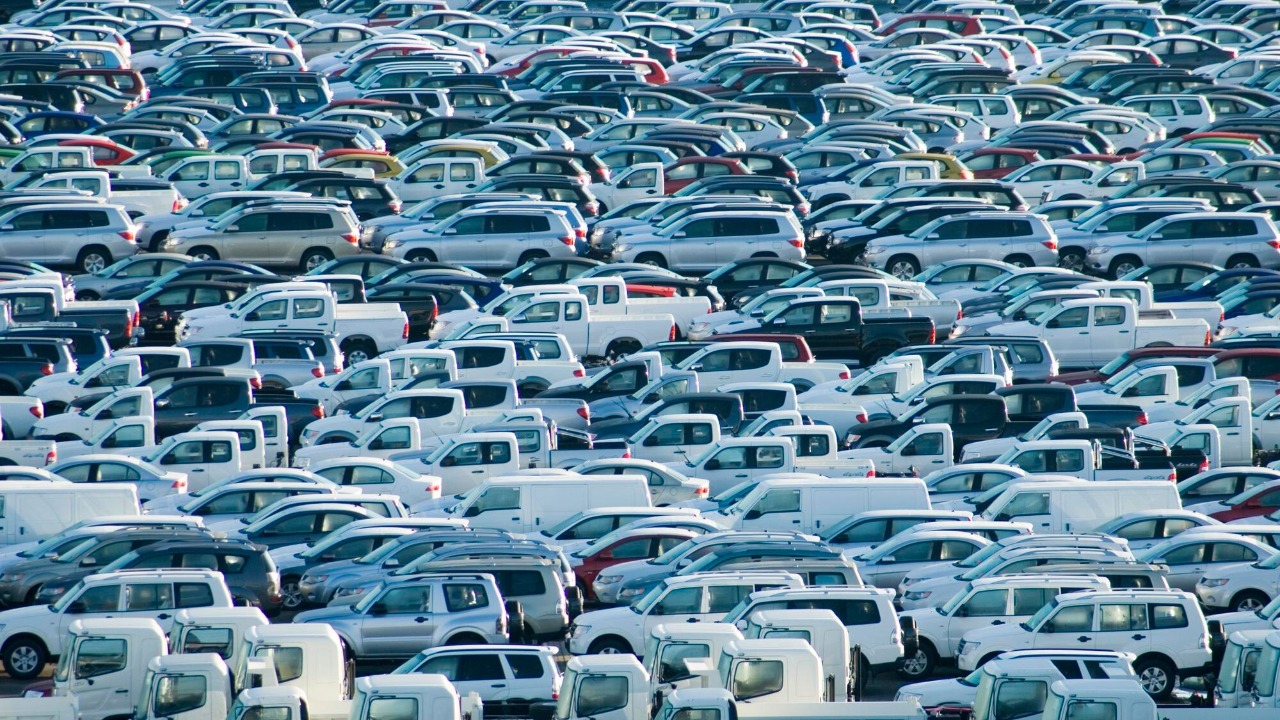
India’s powerful auto lobby is warning that an escalating conflict involving Iran could hit the country’s car factories where it hurts most: fuel and critical components. The alarm is sounding just as India’s vehicle sales and output climb to record levels, leaving the sector more exposed to any disruption in energy or shipping routes than at any point in its recent history. For a country that has staked a big part of its growth story on affordable cars and scooters, the prospect of a war-induced supply shock is no longer a distant geopolitical risk but a live business concern.
Executives and dealers are now gaming out scenarios that range from higher input costs to outright shortages of compressed natural gas and imported parts. Their message to policymakers and investors is blunt: if a wider Iran conflict chokes off fuel or trade flows through the Gulf, India’s auto boom could stall faster than many expect.
What happened
The immediate trigger for the industry’s anxiety is the possibility that fighting involving Iran could spill across the Gulf and disrupt energy shipments that India’s transport sector depends on. The country imports a large share of its crude and natural gas from the Middle East, and a significant volume of that supply travels along sea lanes near Iran. According to one analysis, an Iran-linked conflict that restricts gas flows would put India’s fast-growing market for compressed natural gas vehicles at particular risk, since city bus fleets, taxis and a rising number of private cars rely on CNG for cheaper running costs and lower emissions. That concern has been amplified by warnings that an Iran Israel war could choke gas supplies and strain India’s broader energy balance.
Car dealers have begun flagging the threat in more concrete terms. Trade groups representing showrooms across India have told members that a prolonged conflict could affect deliveries of imported models and parts, particularly for brands that ship vehicles or major components through Gulf ports. In their alerts, dealers have stressed that an Iran war may of both finished vehicles and key spares, raising the risk of longer waiting periods for popular cars and SUVs.
Global energy producers are at the same time trying to manage expectations. The Organization of the Petroleum Exporting Countries has already adjusted production plans in response to the conflict, increasing output quotas by 206,000 barrels per day from May while warning that a widening Middle East war could still trigger serious supply risks. In its latest communication, OPEC highlighted that higher quotas do not fully offset potential disruptions if hostilities involving Iran affect shipping or infrastructure, and it explicitly cited supply risks due as a key concern.
Global auto suppliers are also mapping out their exposure. Several major component makers ship parts through Gulf routes or source raw materials from countries that could be pulled into an Iran-centered conflict. Industry analysts have pointed out that even if factories in India remain physically untouched, disruptions to logistics hubs, insurance costs for shipping through high-risk zones, or sanctions affecting Iranian-linked entities could all ripple into production schedules. One detailed review of automotive supply chains noted that an Iran conflict impact would likely be felt first in specialized components and chemicals before spreading into more visible shortages.
The warning from India’s auto association reflects these converging pressures. The group has told members that while domestic demand remains strong, the sector’s dependence on imported energy and specific high-value parts leaves it vulnerable if Iranian territory or adjacent sea lanes become active war zones. That message has started to filter down to showroom floors, where sales staff are being briefed on how to handle customer questions about delivery timelines and potential price changes.
Why it matters
The stakes for India’s auto industry are unusually high because the sector sits at the intersection of energy security, employment and consumer demand. Passenger vehicle sales have been climbing as rising incomes and easier credit bring first-time buyers into the market, while two-wheelers and small commercial vehicles remain vital for daily mobility and small businesses. Any sustained shock to fuel availability or prices would therefore hit both household budgets and the broader economy.
Compressed natural gas has become a critical part of this story. Cities such as Delhi, Mumbai and Ahmedabad have encouraged CNG adoption to reduce air pollution, and carmakers have responded with a growing lineup of CNG variants, from compact hatchbacks to entry-level SUVs. If an Iran-related conflict disrupts gas imports or raises LNG prices, city gas distributors could struggle to maintain supplies at current tariffs. That would undermine the economics of CNG vehicles and could force fleet operators, including ride-hailing cars and delivery vans, to reconsider expansion plans. The earlier warning that an Iran Israel confrontation might strain gas supplies therefore has direct implications for India’s clean transport push.
Petrol and diesel are just as exposed. India already faces periodic pressure on pump prices when global crude spikes, and the government often absorbs part of the shock through tax adjustments or state-owned oil marketing companies. If the Iran conflict escalates into attacks on tankers or infrastructure, traders could price in a risk premium that pushes crude benchmarks higher for an extended period. That would raise operating costs for automakers, from powering factories to shipping vehicles, and could eventually lift sticker prices for buyers. The sector’s recent gains in affordability, especially for entry-level cars and motorcycles, would be at risk.
The supply chain angle is more complex but equally significant. Modern vehicles rely on a web of suppliers that stretches across Asia, Europe and the Middle East. Components such as wiring harnesses, specialty steels, aluminum alloys, electronics and rubber-based products often pass through multiple countries before reaching an Indian assembly line. Analysts tracking the region’s manufacturing networks have warned that an Iran related shock could disrupt not just direct shipments from the Gulf but also the flow of parts that transit regional hubs or depend on raw materials sourced from countries near Iran.
There is also a competitive dimension. While Indian automakers face risks from higher energy and logistics costs, some global rivals could be even more exposed. Research cited by investors has identified at least five Chinese automakers with significant dependence on markets or supply routes that could be affected by an Iran conflict. One assessment argued that five Chinese automakers face the greatest exposure because of their sales mix and shipping patterns. If those companies are forced to divert shipments or absorb higher costs, it could reshape competition in export markets where Indian brands and Chinese brands currently go head to head, such as Africa and parts of Latin America.
Domestically, the auto sector is a major employer and a bellwether for manufacturing. Large plants in states like Maharashtra, Tamil Nadu, Gujarat and Haryana anchor supplier ecosystems that include thousands of small and medium enterprises. A slowdown in production caused by fuel constraints or part shortages would quickly affect jobs, overtime pay and contract work in these clusters. It would also hit ancillary services, from logistics and warehousing to roadside repair shops that rely on steady vehicle sales and usage.
For policymakers, the warnings from the auto lobby add to broader concerns about how a protracted Middle East conflict could affect India’s inflation and growth targets. Higher fuel prices feed into transport costs for food and other essentials, while uncertainty around supply chains can deter investment. The fact that OPEC has already raised quotas by 206,000 barrels per day yet still flagged supply risks from underlines how fragile the balance remains.
The warning also intersects with India’s ambitions in electric vehicles. While EV sales are growing from a small base, the bulk of the market still runs on fossil fuels or CNG. At the same time, EVs depend on imported battery cells, critical minerals and power electronics, many of which move through the same global shipping networks that could be disrupted by conflict. A war that affects Iran and nearby sea lanes would therefore test both sides of India’s transition, fossil fuel-based transport and the nascent electric ecosystem.
What to watch next
The first set of indicators to monitor sits in the energy market. Traders and analysts will be watching for any attacks or incidents involving tankers near the Strait of Hormuz, as well as changes in shipping insurance premiums for routes that pass close to Iran. A sustained rise in freight or insurance costs would eventually filter into delivered prices for crude and LNG in India, even if physical supplies remain available. Any further adjustments by OPEC to its production quotas, beyond the already announced 206,000 barrels per day increase, will also signal how producers view the risk of prolonged disruption linked to the Middle East war.
On the industrial side, automakers are likely to update investors on contingency plans during upcoming earnings calls and industry conferences. Key questions include how much fuel inventory plants hold on site, whether they have alternative sourcing options for CNG or LNG, and how flexible their logistics contracts are in terms of rerouting shipments away from high-risk zones. Supplier diversification will be another focus, especially for components that currently move through Gulf ports or rely on raw materials from countries near Iran. Analysts will pay close attention to any mention of rerouting through ports on India’s east coast or via alternative hubs in Southeast Asia.
Dealers and customers will feel the earliest signs of stress in delivery timelines and pricing. Extended waiting periods for certain imported models, or sudden changes in promotional offers and discounts, would suggest that manufacturers are struggling to secure consistent supplies. Trade groups that previously warned that an Iran war may are expected to keep surveying members for data on stock levels and lead times, which can act as an early barometer for the wider market.
Government policy will be another area to watch. If fuel prices start to climb sharply, authorities could respond with temporary tax tweaks or targeted subsidies to cushion public transport operators and low-income consumers. For the auto sector, any move to adjust goods and services tax rates on vehicles, especially smaller and more fuel-efficient models, would be closely scrutinized. Policymakers might also accelerate plans to expand strategic petroleum reserves or secure longer-term LNG contracts that reduce exposure to spot market volatility linked to an Iran conflict.
Global supply chain shifts will play out over a longer horizon. Some manufacturers are already exploring ways to reduce dependence on routes that pass close to Iran by using alternative shipping corridors and investing in additional inventory for critical parts. Industry studies have described how an Iran related disruption could prompt companies to regionalize production even further, with more components made closer to end markets to avoid chokepoints. For India, that could translate into fresh investment in local component manufacturing if companies decide that deeper localization is cheaper than bearing repeated geopolitical shocks.
More from Fast Lane Only