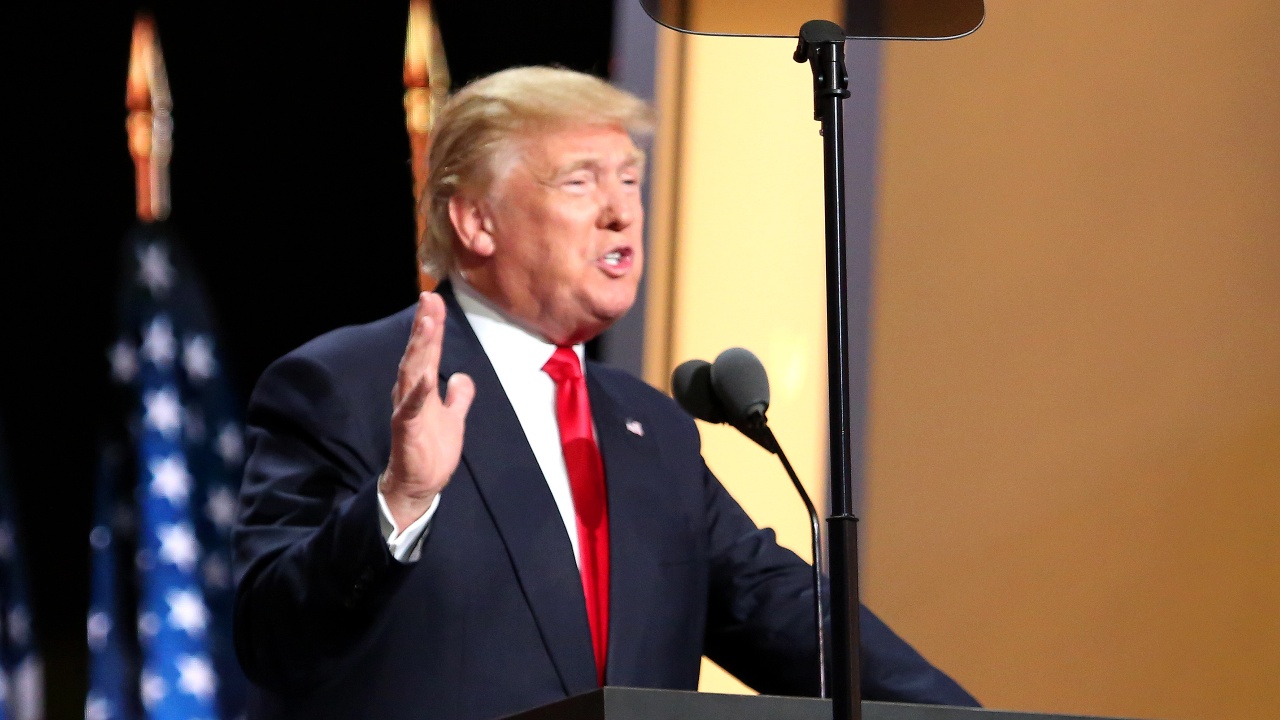
Donald Trump is telling Americans that even if the war in Iran winds down, they should not expect quick relief at the gas pump. The message blends battlefield optimism with economic pessimism and lands at a moment when fuel costs are already shaping how voters feel about their wallets and their president.
His comments echo a reality energy analysts have been warning about for weeks: a cease-fire or negotiated settlement in Iran might calm global markets, but the structural forces lifting oil and gasoline prices will not disappear overnight.
What happened
In recent days, Trump has begun pairing talk of progress in the Iran war with a warning that gasoline prices could remain elevated even if the conflict ends. In a televised appearance, he suggested that fighting could be over “soon,” while a senior official appearing alongside him cautioned that the damage to energy markets would linger and that drivers should not expect an immediate drop in prices at the pump once the shooting stops. That exchange, captured in a segment on a national morning broadcast, highlighted the gap between hopes for peace and the stubborn reality of fuel costs linked to disrupted oil flows from the region, according to televised remarks.
Trump has carried that message into his political events, where he mixes attacks on Iran with criticism of domestic energy policy. At rallies and town halls, he has argued that sanctions, shipping risks and refinery bottlenecks will keep prices high even if a cease-fire holds. He has also framed high gas prices as a consequence of what he calls weak leadership at home, even as his own administration’s choices on sanctions and military escalation helped tighten global oil supplies, according to recent reporting.
Energy specialists and market analysts have repeatedly explained why prices have been so sticky. The war in Iran has taken a significant share of the country’s exports offline, disrupted tanker traffic through key chokepoints and raised insurance costs for ships that still transit the region. Traders have priced in a risk premium that reflects the possibility of further attacks on infrastructure or shipping. Even if a cease-fire holds, those risk calculations do not reverse overnight, and some lost production capacity will take time to restore, according to economic and energy experts cited in recent analysis.
Trump’s own advisers have acknowledged that the administration’s sanctions regime and military posture have contributed to that premium. Officials have defended those choices as necessary to contain Iran, while conceding that they have made oil markets tighter. Some economists argue that the combination of sanctions and conflict has produced a double shock: constrained supply from Iran and heightened uncertainty that affects investment decisions by other producers, as described in policy assessments.
At the same time, households are already feeling the strain. National averages for regular gasoline have climbed well above prewar levels, and in some regions prices have surged past four dollars per gallon. For drivers with long commutes or older, less efficient vehicles such as a 2012 Ford F-150 or a 2010 Chevrolet Suburban, the increase translates into hundreds of extra dollars a year. Consumer advocates have warned that those higher fuel bills are colliding with other cost pressures, including rent and food, amplifying public frustration with economic conditions, as reflected in recent coverage.
Automotive and energy commentators have also emphasized that the current price spike is not just about crude oil. Refinery outages, seasonal maintenance and limited spare capacity in key facilities have pushed up wholesale gasoline prices, a dynamic that will not vanish the moment a peace deal is signed. Analysts writing for an industry-focused outlet have argued that even in a best-case scenario, drivers should expect a slower, uneven decline in prices rather than a rapid return to prewar levels, as explained in industry analysis.
Why it matters
Trump’s message about stubbornly high gas prices matters on several fronts: economic, political and strategic. Economically, gasoline is one of the most visible prices in American life. It flashes from digital signs on every major road and updates daily. When those numbers climb, consumers feel poorer, even if their wages are rising. Higher fuel costs filter into delivery fees, airline tickets and the price of anything that travels by truck, including groceries. For lower-income households that spend a larger share of their budget on energy, the impact is especially sharp.
The pain is colliding with the political calendar. With midterm elections approaching, both parties see fuel prices as a central battlefield. Republicans have seized on the cost of gas as shorthand for broader economic discontent and as a way to attack Trump’s opponents for what they describe as regulatory overreach and hostility to domestic drilling. Democrats, for their part, have tried to frame the issue as a consequence of war choices and international instability rather than solely domestic policy, according to reporting on how midterm strategists are reading the Iran conflict.
Trump’s own framing, that peace in Iran will not immediately fix gas prices, gives him a way to manage expectations. If prices stay high, he can argue that he warned voters. If they fall, he can claim credit for delivering relief sooner than predicted. Either way, the narrative keeps attention focused on his role in both the war and the economy. Political analysts note that presidents often get more blame than credit for fuel costs, since voters tend to punish leaders for spikes but rarely reward them for declines.
The stakes are not just national. European and Asian economies are grappling with similar pressures, and their responses affect global markets. In Europe, a combination of reduced Iranian supply, competition for alternative barrels and structural shifts away from Russian energy has left wholesale gas and diesel prices elevated. Analysts have warned that even with a durable cease-fire, European consumers could face persistently high energy bills because of long-term supply contracts and infrastructure constraints, according to a review of why European prices may remain elevated.
For the United States, the Iran war has also become a test of how foreign policy decisions ricochet through domestic life. Trump has argued that a tough stance on Iran enhances national security. Critics counter that the administration did not fully weigh the economic fallout of a prolonged conflict in a major oil-producing region. Policy analysts have pointed to the war’s impact on business investment, consumer confidence and inflation expectations, warning that even a short conflict can leave behind a longer economic shadow, as detailed in economic critiques.
Public opinion data suggest that views on the war and on gas prices are increasingly filtered through partisan lenses. In Florida, for example, surveys and local reporting indicate that attitudes toward Trump strongly shape how residents interpret both the conflict in Iran and the cost of filling up their tanks. Supporters are more likely to blame foreign adversaries or environmental regulations for high prices, while opponents tend to fault Trump’s decisions and rhetoric, according to coverage of how Florida voters connect foreign policy and fuel costs.
Financial markets are watching the same dynamics. Oil futures, energy stocks and shipping companies have all reacted sharply to headlines about cease-fire talks, new sanctions or attacks on infrastructure. Traders are trying to gauge not just the progress of diplomacy, but also how long it will take for disrupted supply chains to normalize. Market coverage has highlighted the way a potential cease-fire or negotiated settlement could trigger an initial drop in crude prices, followed by a slower adjustment as real-world production and transport catch up with expectations, according to reporting on how an Iran cease-fire might move markets.
Trump’s warning that high gas prices may outlast the war also interacts with longer-term energy debates. Environmental advocates argue that the current shock illustrates the vulnerability of a system built on oil and that the best insulation against future conflicts is a faster shift to electric vehicles, public transit and renewable power. Industry groups counter that the answer lies in more domestic drilling, new pipelines and eased permitting for refineries. The administration has tried to straddle those positions, promoting some clean energy incentives while also urging domestic producers to increase output, according to policy coverage in recent reports.
In the meantime, households are adjusting in smaller ways. Auto dealers report more interest in hybrid models like the Toyota Prius and Ford Escape Hybrid, as well as compact crossovers that promise better mileage than full-size trucks and SUVs. Commuters are experimenting with carpool apps, transit passes and flexible work schedules to cut back on driving. Those shifts may not transform the energy system overnight, but they reflect how sustained high prices can slowly change behavior, a pattern energy economists have tracked in previous oil shocks, as discussed in historical comparisons.
What to watch next
Several threads will determine whether Trump’s warning about stubbornly high gas prices becomes a lasting political reality or a short-lived talking point.
The first is the trajectory of the Iran conflict itself. Negotiations over cease-fire terms, sanctions relief and security guarantees will shape how quickly Iranian oil can return to global markets. If a deal includes phased sanctions relief tied to verification steps, supply may come back slowly, reinforcing Trump’s argument that prices will remain elevated. If, instead, a broader agreement opens the door to faster export growth, markets could respond more quickly, undercutting his more pessimistic timeline, according to diplomatic and market analysis of how Iran-related decisions feed into oil prices.
Second, domestic policy choices on energy will matter. The administration faces pressure from Republicans to loosen drilling restrictions, approve new pipelines and roll back environmental rules that industry groups say limit production. At the same time, climate advocates are pushing for stronger emissions standards for vehicles, more support for electric cars and continued investment in clean energy. Any moves in either direction will signal to markets how much future supply or demand might shift and could influence long-term price expectations, as described in coverage of Trump’s.
Third, the political response will continue to evolve. Democrats are testing ways to talk about gas prices that acknowledge voters’ frustration while tying the problem to war, corporate profits and global volatility rather than solely to White House policy. Republicans are refining their attacks, linking every uptick in prices to Trump’s opponents and portraying the Iran conflict as a consequence of weak deterrence. How those narratives land in swing districts and among independent voters will help shape the outcome of the next round of elections, according to analysis of how campaigns are messaging around Iran and energy.
Fourth, the behavior of energy companies will be under scrutiny. Investors have pushed major oil firms to maintain capital discipline, favoring dividends and share buybacks over aggressive new drilling. If companies believe high prices will persist, they may slowly ramp up investment in new wells and refinery upgrades. If they expect a quicker normalization, they may hold back, which would keep supplies tighter for longer. Market watchers are tracking quarterly earnings calls for clues about how executives see the balance between short-term profits and long-term capacity, as discussed in recent market reporting.
More from Fast Lane Only