The Dodge Dart sat in North American showrooms from the 1960 model year through 1976. Then it returned from 2013 to 2016. Over that span it changed size three times. It started as a full-size car, shrank to a mid-size for 1962 and then settled into the compact role it held until 1976.
That kind of shape-shifting usually kills a nameplate. Instead, the Dart kept finding buyers, from fleet managers to drag racers. Dodge tried plenty of ideas on it, such as a cheap car with a hot engine or a plain sedan built to last. Many of those ideas look smart all over again today.
These are our picks, and the verdict is our opinion. We chose 12 Darts that we think hold up today, and every fact comes from the record. Some are famous, a few are oddballs, and one came from Brazil.
1. 1960 Dodge Dart Phoenix hardtop
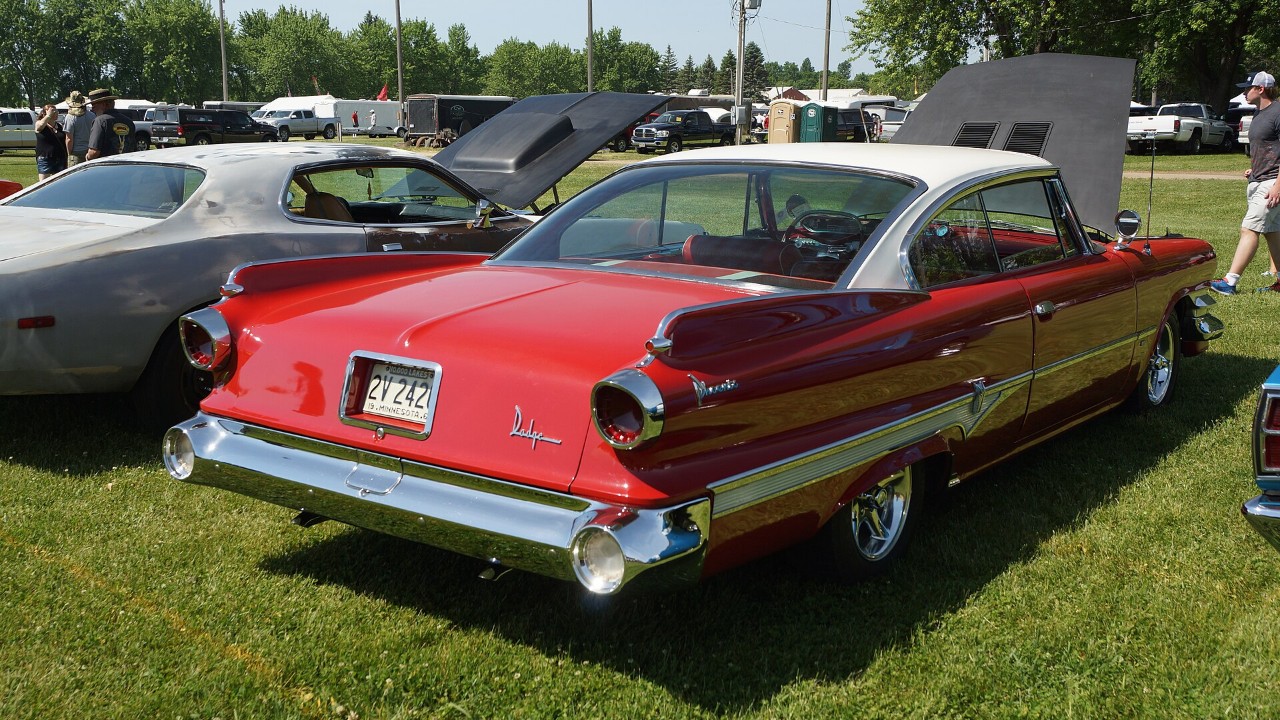
The first Dodge Dart existed because of a dealer problem. When Chrysler ended the Dodge-Plymouth pairing for 1960, more than 3,000 Dodge-only franchises suddenly had nothing at a Plymouth price. Dodge introduced the Dart in October 1959 to fill that hole, after rejecting the name “Zipp,” according to Mac’s Motor City Garage.
The recipe was clever. Dodge styling sat on the Plymouth 118-inch wheelbase, with Chrysler’s new unibody construction underneath. Seneca was the base trim, Pioneer the middle and Phoenix the top, and the Phoenix came as a two- or four-door hardtop. The new Slant Six was standard, while 318 and 361 V8s cost extra. Prices started at $2,330, about $600 below the senior Dodge.
It worked so well that the Dart outsold the bigger Dodges and also beat Plymouth that year. Our take: the Phoenix hardtop is why the Dart feels relevant now. It proved buyers will take a well-styled car at a fair price over a fancier badge. That same logic sells top-trim compacts today.
2. 1961 Dodge Dart Seneca patrol car
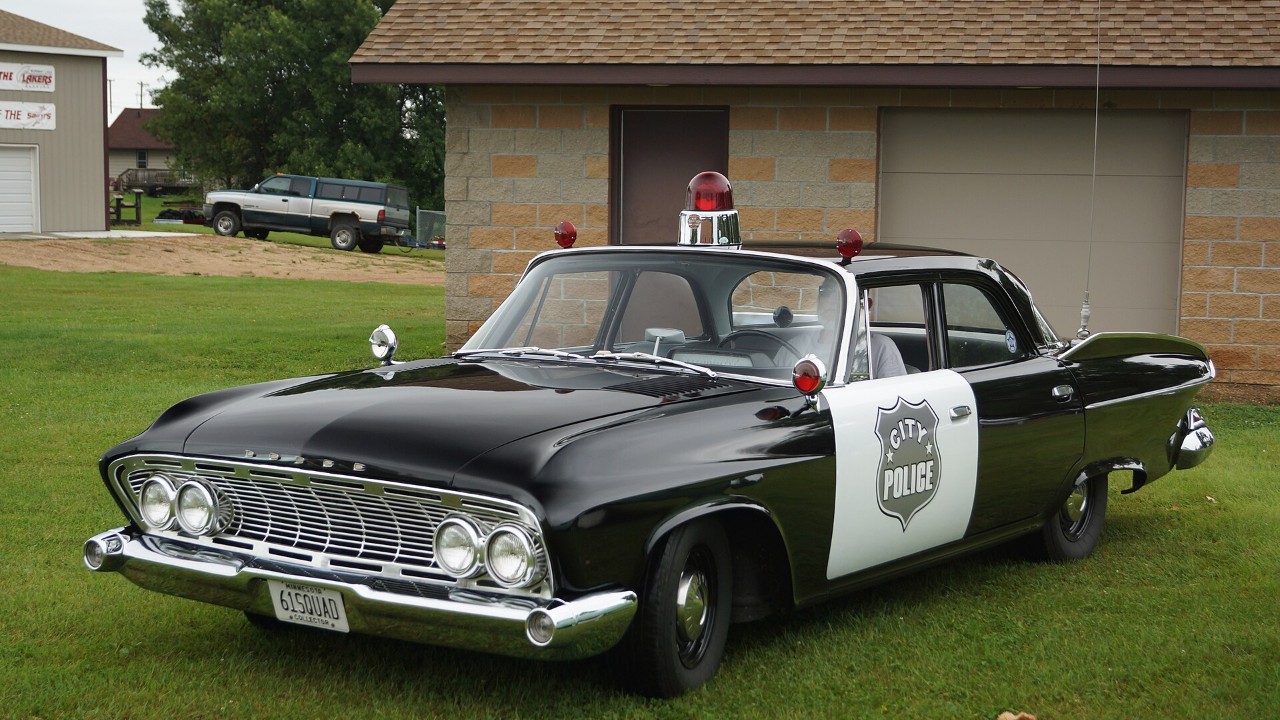
If the Phoenix was the dressy Dart, the Seneca was the one that went to work. It was the entry trim on the 118-inch wheelbase for 1961, and it carried the same engine menu as the rest of the line. That meant the 225 Slant Six as standard, with 318 and 361 V8s available. For 1961, Dodge also added a 383 V8 to the options sheet.
The year itself was rough. Dodge built 269,367 cars for 1961, and 142,708 of them were Darts. Seneca sales fell to 66,100 from 111,600 the year before. Even so, a plain, roomy sedan with strong V8 choices made sense for patrol duty. This preserved car wears that role proudly.
In our view, the Seneca matters because base cars almost never survive. Most were worked hard and scrapped. As a result, a clean one tells you more about everyday 1961 driving than any Phoenix can. We’d take a stripped Seneca with a V8 over a loaded car with tired chrome. After all, honest base cars are the ones nobody saved.
3. 1962 Dodge Dart FDNY fire department car
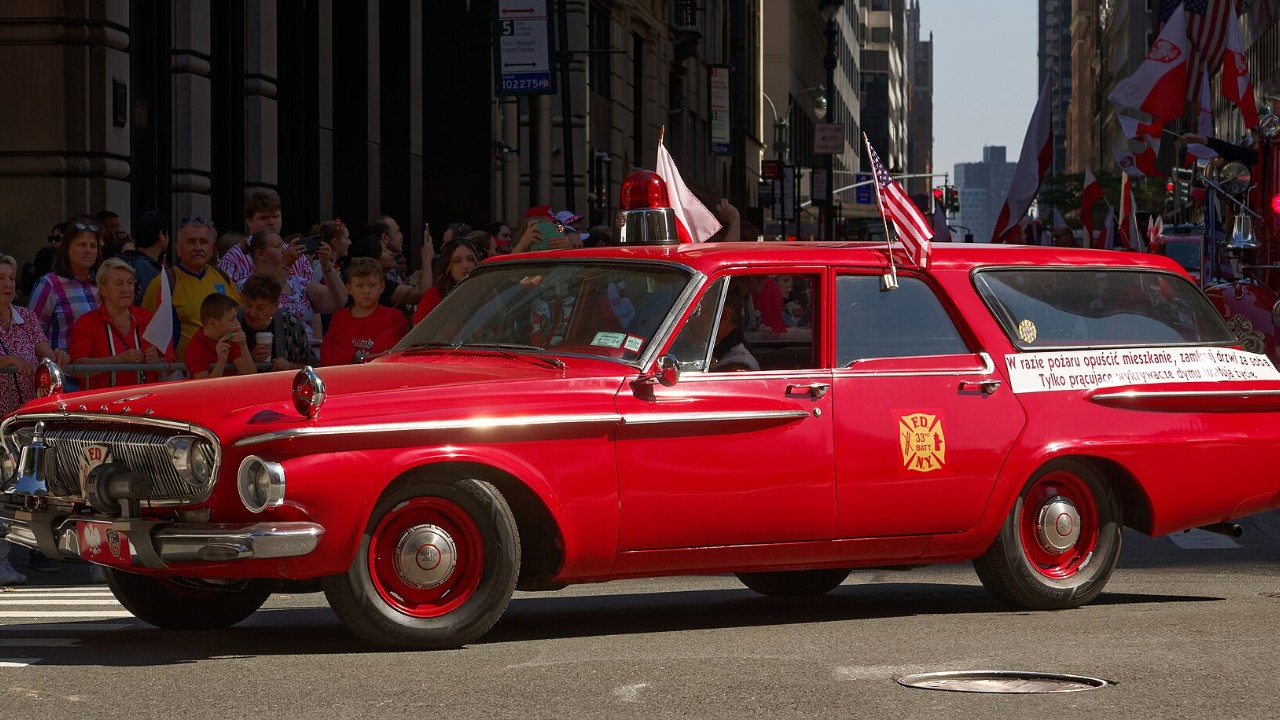
For 1962, Dodge made a bold bet. It shrank the Dart into a mid-size car and reshuffled the names into Dart, Dart 330, Dart 440 and Polara 500. In Canada, the base model became the Dart 220. The styling was odd enough that buyers shied away. However, the engineering underneath was serious.
The V8 list ran from the 318 to the 361 and up to a 413. Then, partway through the year, Dodge released the 413 “Ramcharger” rated at 415 horsepower. That turned a downsized family car into one of the early factory drag weapons. In other words, the lighter body did exactly what Dodge intended, even if the looks did not.
The FDNY car shows the other side of the 1962 Dart. A preserved department car makes a simple point. A lighter, smaller body was useful on crowded city streets as well as at the strip. Our take: the 1962 Dart was a car that guessed right about downsizing a decade before the industry caught on.
4. 1963 Dodge Dart GT convertible
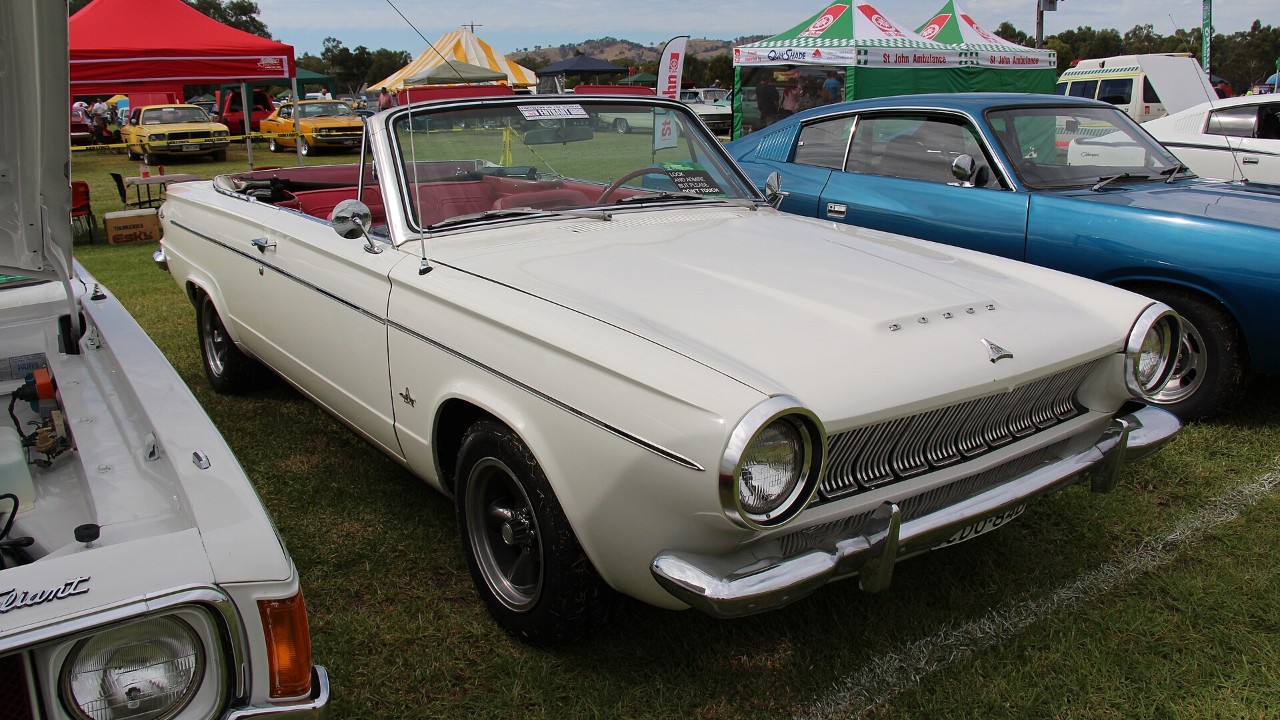
The 1963 Dart is where the name found its long-term home. Dodge moved it to a compact “senior” body on a 111-inch wheelbase, replacing the Lancer. There were three trims, called 170, 270 and GT. The GT came only as a hardtop or a convertible, with bucket seats to set it apart from the family sedans.
Power came from two Slant Sixes. The 170-cubic-inch engine made 101 horsepower as standard, and the 225 made 145 horsepower as an option. There was no V8 at all for 1963, because the one-year firewall would not easily take one, according to the Classic Industries Dart history. Push buttons on the dash worked the TorqueFlite automatic.
So why does a six-cylinder convertible make a list about relevance? Because it sold style without pretending to be fast. A GT convertible with a 225 is a relaxed, honest cruiser. In fact, that formula is exactly what buyers want from an affordable droptop today. If you shop one, the 225 is the engine we’d look for.
5. 1964 Dodge Dart GT
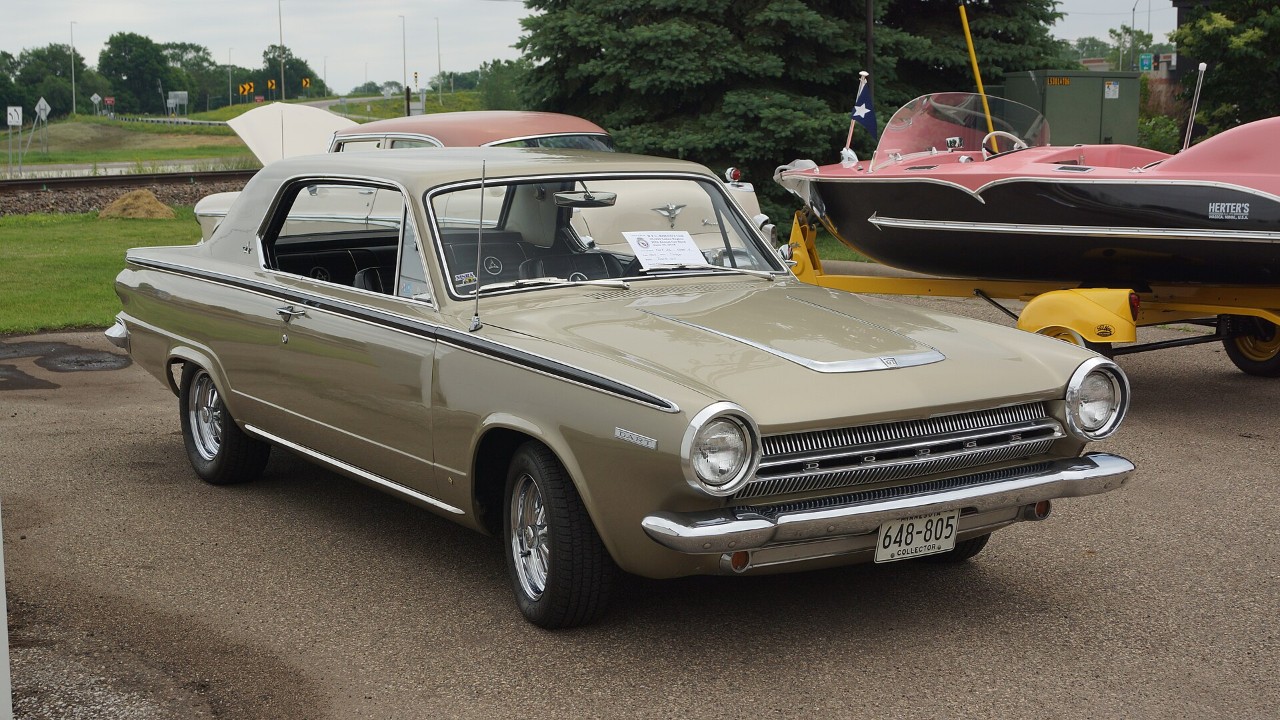
One engine makes the 1964 GT important. That year Dodge added the new 273-cubic-inch LA V8, rated at 180 horsepower with a two-barrel carburetor, as the top engine in the Dart. It started a small-block family that later grew into the 340 and the 360. Those engines powered the hottest Darts of the 1970s.
The 1964 car was also a last of its kind. It was the final year for pushbutton TorqueFlite control, a quirky Chrysler signature that many owners loved. A year later, the 273 got a four-barrel carburetor and 235 horsepower, and Dodge launched the Dart Charger package around it.
In our view, the 1964 GT is the hinge of the whole Dart story. Before it, the compact was a stylish economy car. After it, the compact became a small, light body waiting for more engine. That idea then defined American performance for the rest of the decade. A 1964 GT with the original 273 is the version we’d chase. Besides, the pushbuttons alone make every drive feel like an event.
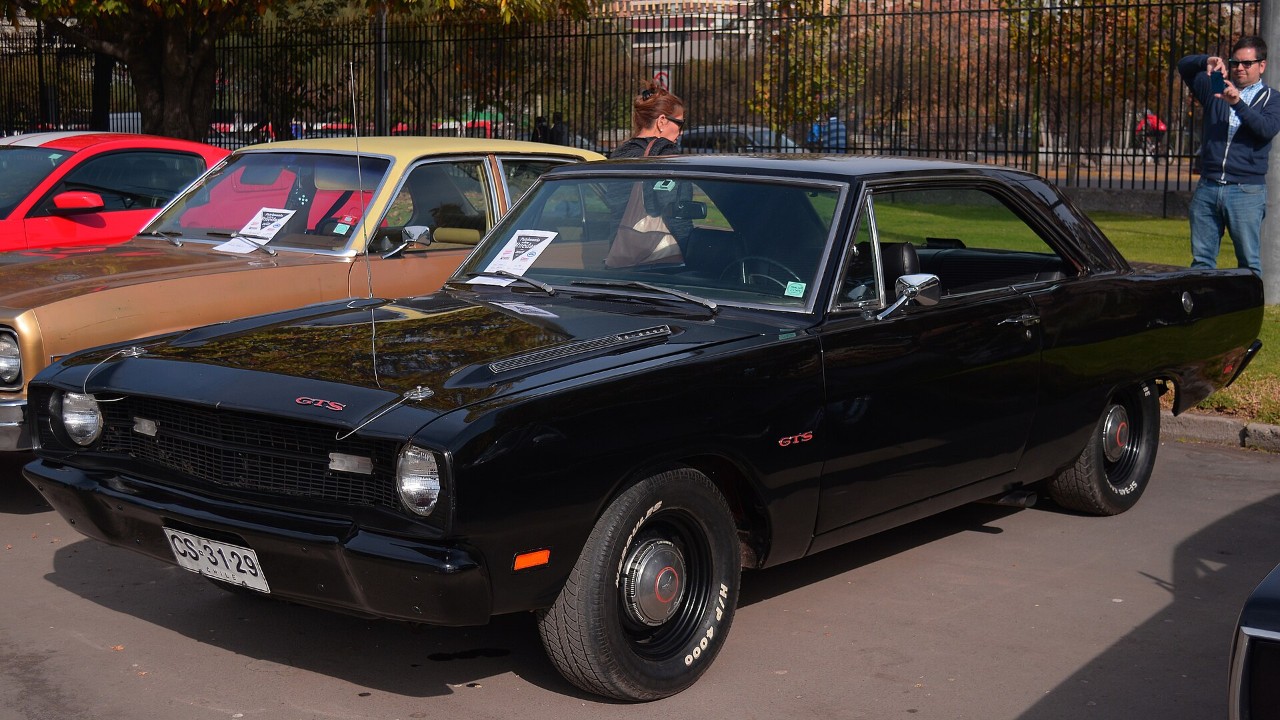
6. 1968 Dodge Dart GTS coupe
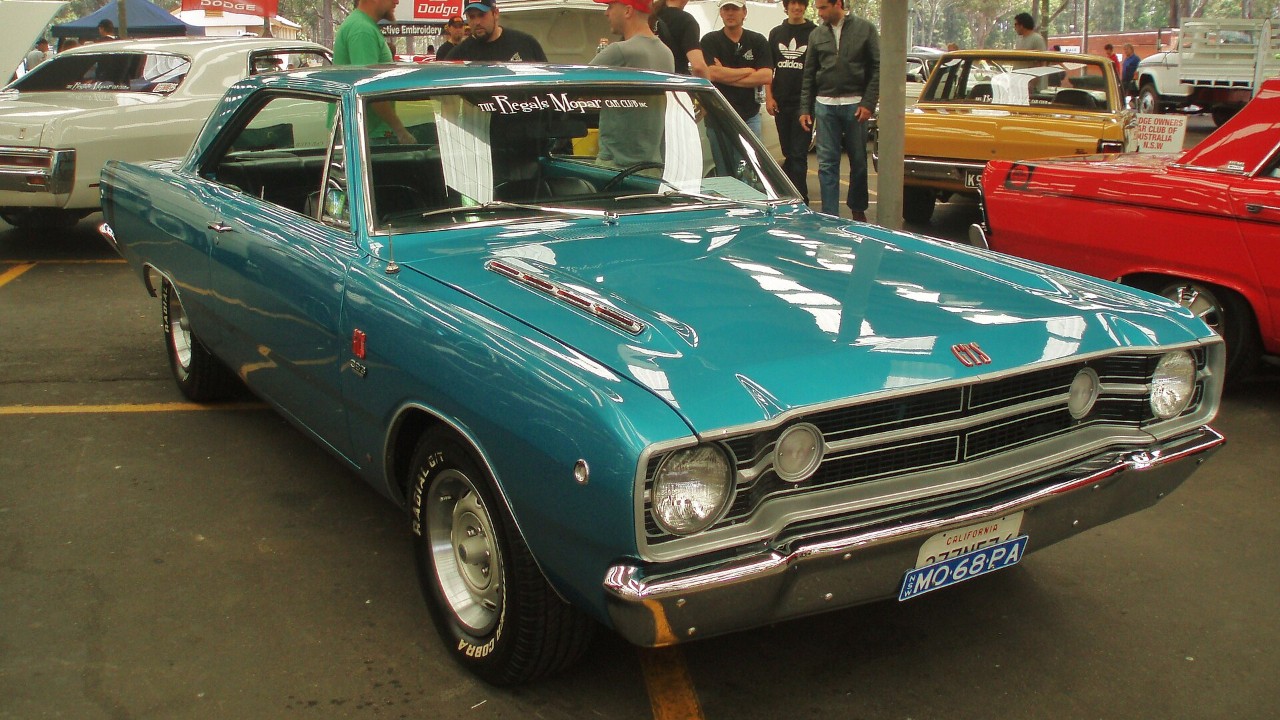
By 1968 the Dart had become a genuine muscle car. The GTS sat at the top of four trim lines. Its standard engine was a 340-cubic-inch V8 rated at 275 horsepower and 340 lb-ft of torque. A 383 big-block rated at 300 horsepower was optional, according to Old Cars Weekly. A GTS hardtop listed at $2,611.
The numbers on the road backed that up. Old Cars Weekly reports a 340 hardtop ran 0 to 60 mph in 6 seconds and the quarter-mile in 15.2 seconds. A Hot Rod test car with the TorqueFlite did 14.38 seconds at 97 mph. Meanwhile, Dodge and Hurst built 80 Hemi Darts that year with the 426 Hemi rated at 425 horsepower.
Our take: the 340 GTS is the most relevant performance Dart because it balanced the car. The 383 added 89 pounds with a four-speed, so in our view the small-block is the sweeter-handling choice. Today’s best sporty cars chase the same balance, and the GTS found it in 1968 with a bumblebee stripe as a no-cost option.
7. 1970 Dodge Dart Swinger
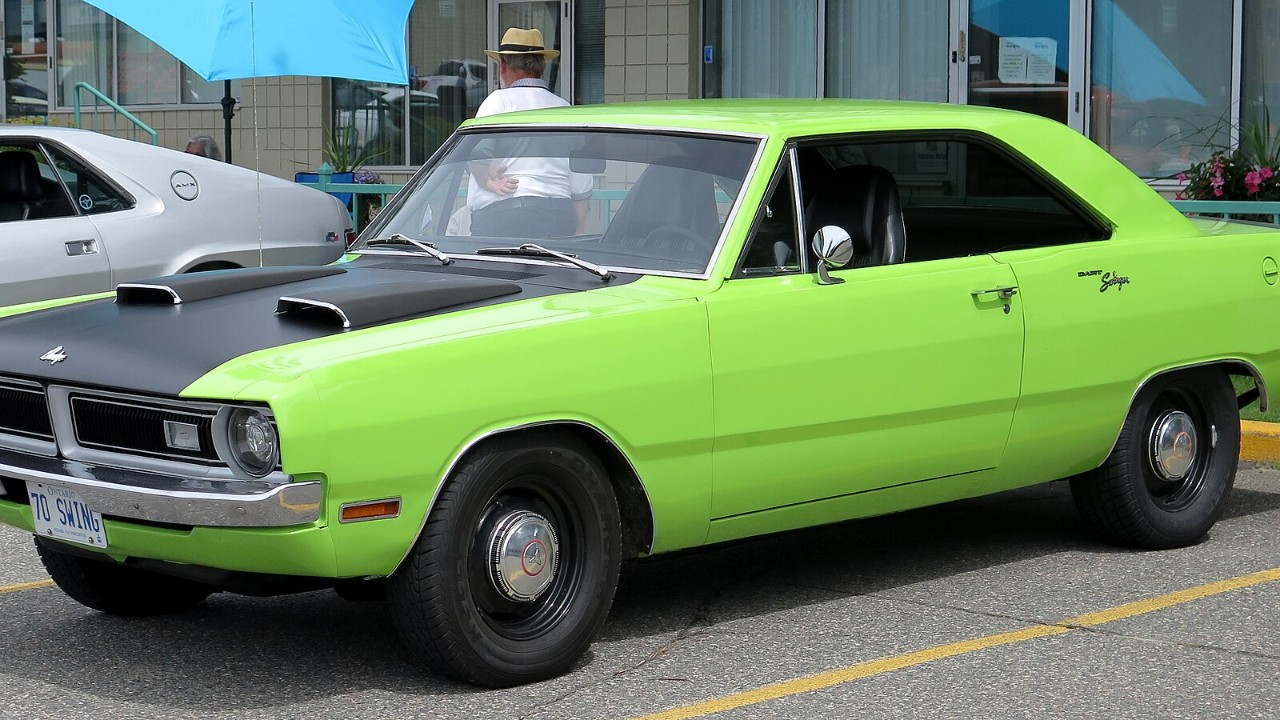
The Swinger arrived for 1969 as a two-door hardtop, and by 1970 Dodge had narrowed its focus. That year the convertible and the 383 option disappeared, and a 198-cubic-inch Slant Six replaced the old 170. As a result, the lineup split cleanly into thrifty sixes and one serious performer, the Swinger 340.
That performer used the 340 V8, rated at 275 horsepower for 1970. Put simply, buyers could have the same engine as the earlier GTS in a cheaper, simpler package. The base Swinger gave everyone else the hardtop look without a muscle car badge. In our view, that made it the sensible pick of the line.
In our opinion, the 1970 Swinger is the Dart that best explains the value end of the muscle car era. It offered a pillarless hardtop at an economy price, plus a real performance model for the same body. If you want a Dart to drive often and fix cheaply, a six-cylinder Swinger is the smart buy. The 340, by comparison, is the fun one.
8. 1971 Dodge Demon
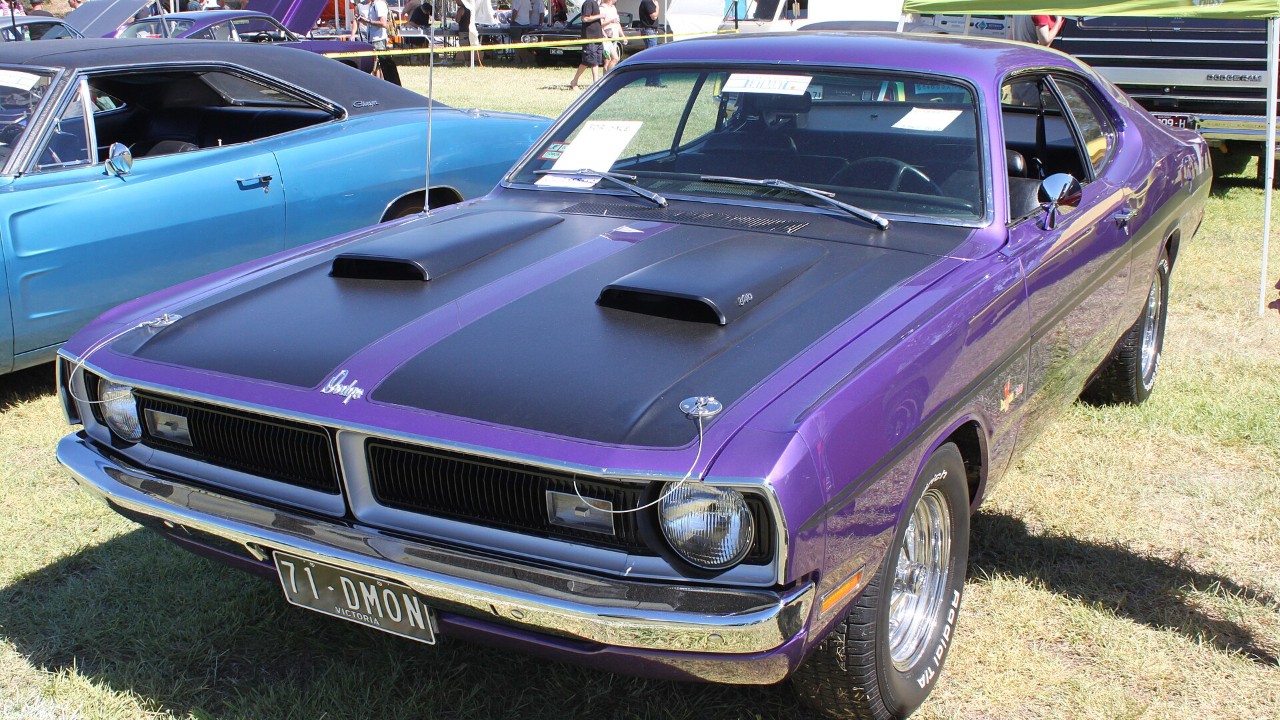
Dodge needed a fastback fast, so it borrowed one. The 1971 Demon shared its body with Plymouth’s Duster, and Dodge reportedly considered calling it the Beaver before settling on Dart Demon. Buyers could choose a 225 Slant Six or a 318 V8 in the regular car, or step up to the Demon 340.
The Demon 340 used a 340 V8 rated at 275 horsepower. Options included a four-speed manual, hood scoops and a blacked-out hood treatment. However, the party was short. For 1972 the 340 lost much of its output to emissions tuning. Then, for 1973, Dodge dropped the Demon name after complaints about the name and its pitchfork logo.
We think the 1971 car is the one to own because it caught the 340 before the detune. It is a light fastback with a strong small-block, and that recipe makes as much sense now as it did then. The controversy over the name only adds to the story you get to tell at a cruise night.
9. 1972 Dodge Dart sedan (Brazil)
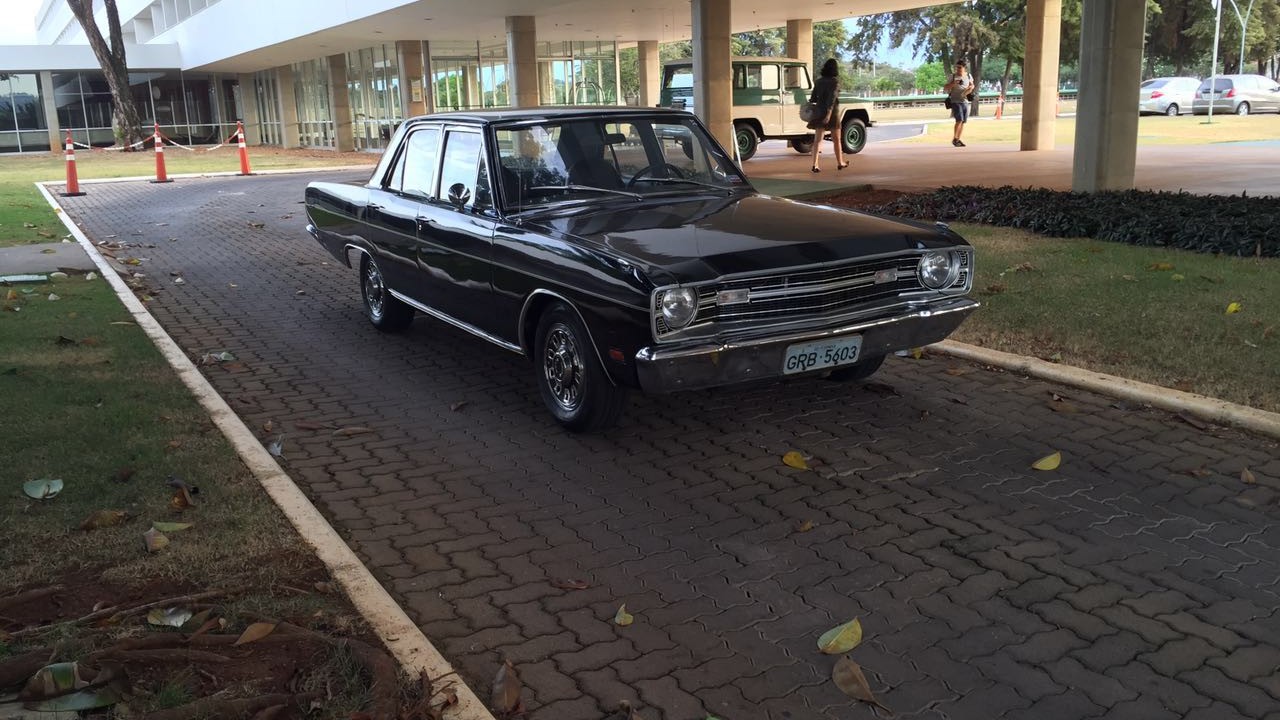
The Dart had a second life south of the equator. Brazilian production began in October 1969, using knock-down kits, and the compact A-body ran there far longer than in the United States. The last true A-body came off the line in the summer of 1981.
Brazil did things its own way. From 1970, its Darts used the 111-inch wheelbase, and they always came with the 318-cubic-inch V8. There was no thrifty six for that market. Meanwhile, the A-body Dart lasted in Colombia through 1977 and in Argentina through 1979. The car kept working in places where it had to be tough.
Our take: the 1972 Brazilian sedan is the Dart that best shows how adaptable the basic design was. A V8 in every car and a decade-plus production run say a lot. Clearly, the A-body was tough enough to keep working long after Detroit moved on. For collectors, it is also a fresh twist on a familiar shape. Better yet, it gives a Mopar fan a story few others at a cruise night can tell.
10. 1973 Dodge Dart Sport
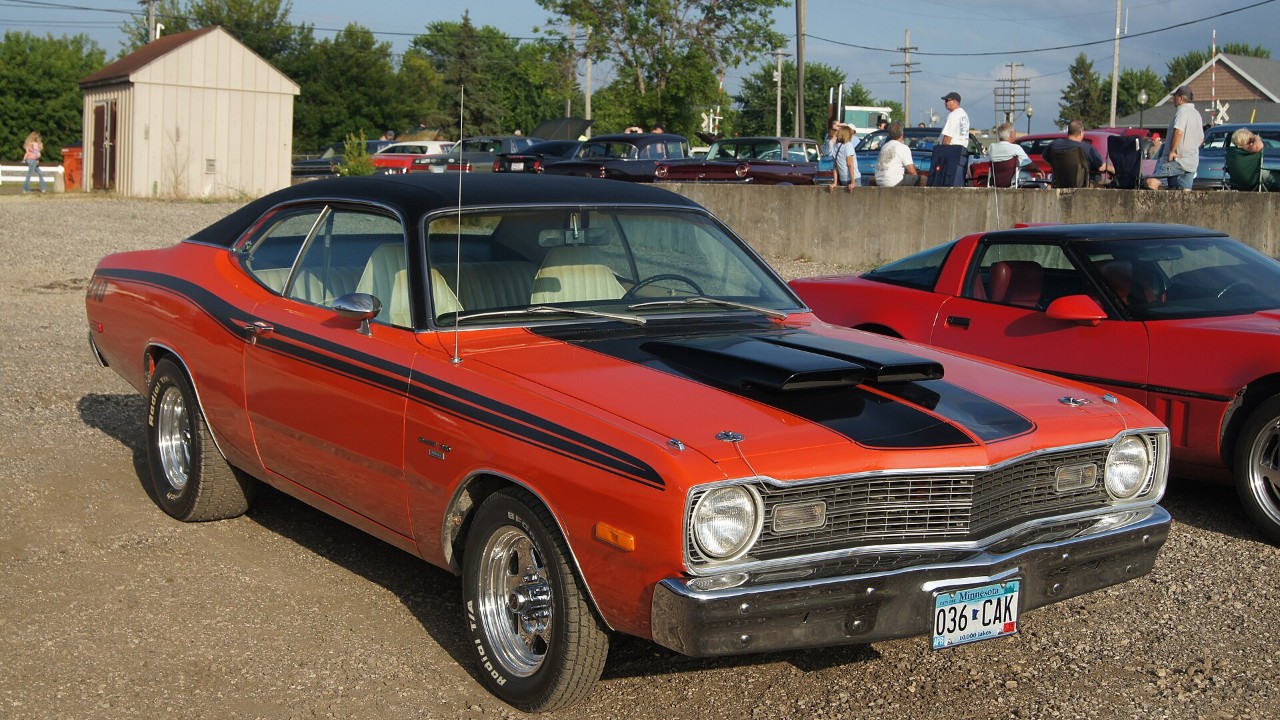
When the Demon name became a problem, Dodge simply renamed the car Dart Sport for 1973. The fastback carried on with a new front end shared with other 1973 Darts. It also got quad taillamps with chrome bezels that stayed through 1976, and the performance model became the Dart Sport 340.
That 340 V8 lasted only one more year. For 1974, Dodge replaced it with the 360, and the Dart Sport 360 carried a rating of 245 horsepower. The line kept selling. In 1974, Dodge built 285,672 Darts, and 63,518 of them were Dart Sport models.
We like the 1973 Dart Sport because it shows the smart side of the malaise years. Dodge kept a light, practical fastback alive and found a way to keep a real V8 in it as rules tightened. If you want a 1970s Mopar that drives well without show-car prices, this is the body we’d look at first.
11. 1973 Dodge Dart Sport GT
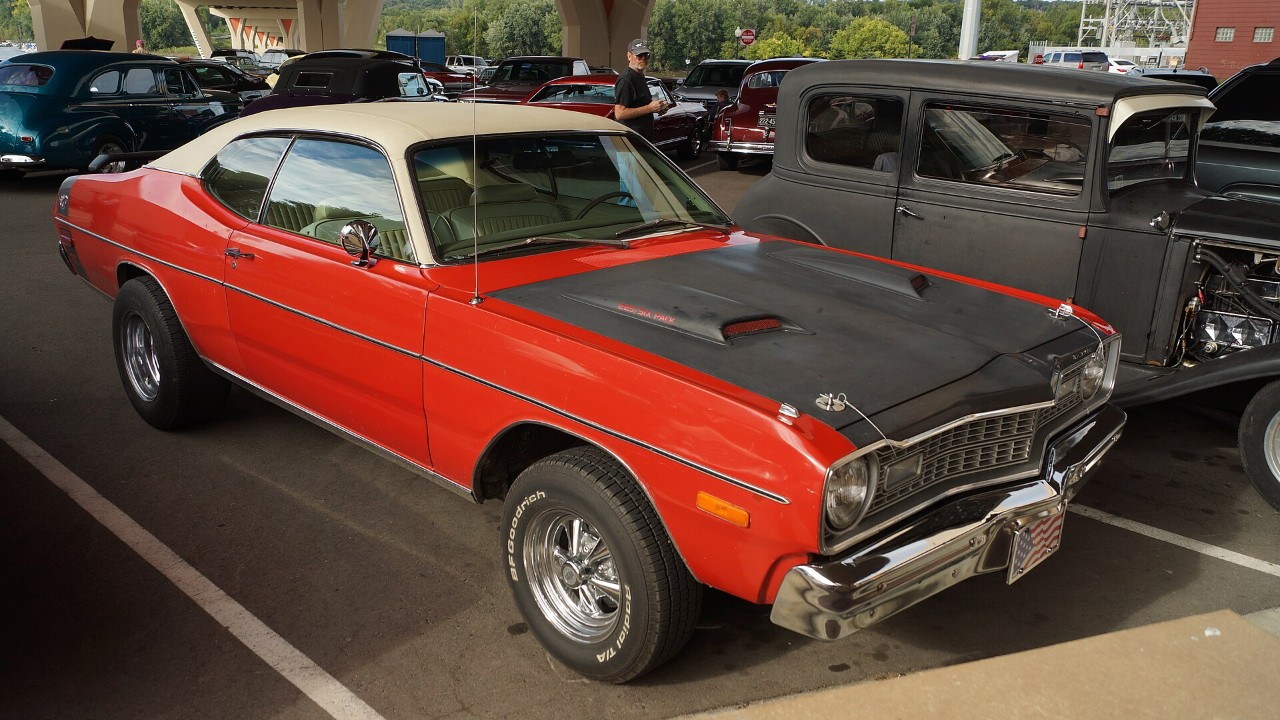
The Dart Sport GT dressed up the same fastback for buyers who wanted the look as well as the practicality. Underneath, it was the familiar A-body. From 1973 through 1976, the Dart Sport even shared its hood with the 1969 Plymouth Barracuda, according to Classic Industries. Few people notice that link, but Mopar fans enjoy it.
A Dart Sport in 1973 could also carry a rare factory hand-crank sunroof. In addition, the model kept the quad taillamp design that marked every Dart Sport for four years. By then, emissions rules were trimming horsepower ratings across the industry, so trim and comfort mattered more to buyers.
In our view, the GT-trimmed Dart Sport is a reminder that a sporty compact does not need huge power to be fun. A light body, a decent V8 option and a bit of style made a car people enjoyed every day. That is a lesson today’s carmakers keep relearning. This Dart, however, learned it in 1973.
12. 2014 Dodge Dart Rallye
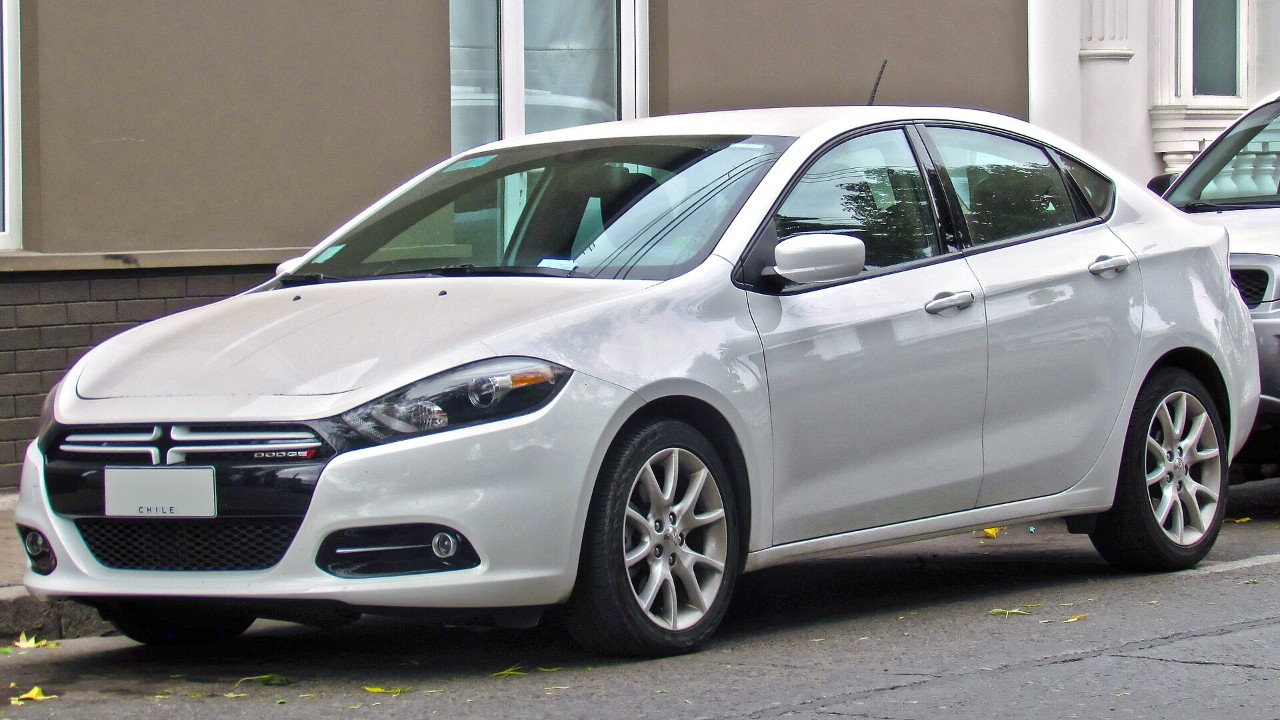
The modern Dart had an Italian heart. It rode on a version of the Fiat Compact platform shared with the Alfa Romeo Giulietta. Chrysler widened it by 1.5 inches and stretched the wheelbase by 3.7 inches. Chrysler built it at its Belvidere Assembly Plant in Illinois, and every Dart engine came from Dundee, Michigan.
The Rallye was an option package on the SXT, and it paired with the 1.4-liter MultiAir turbo four. That engine made 160 horsepower and 184 lb-ft of torque. For 2014, Dodge sold 83,858 Darts in the United States. Even so, production ended on September 2, 2016, after the car failed to meet sales expectations. Because the run was short, clean examples are worth seeking out now.
Our take: the 2014 Dart Rallye is the most underrated Dart of all. A turbo compact with a sporty package fits right in with today’s hot hatches and sport sedans. If you find a well-kept 1.4 turbo Rallye, it is an affordable way to own the last car to wear the Dart name.
More from Fast Lane Only