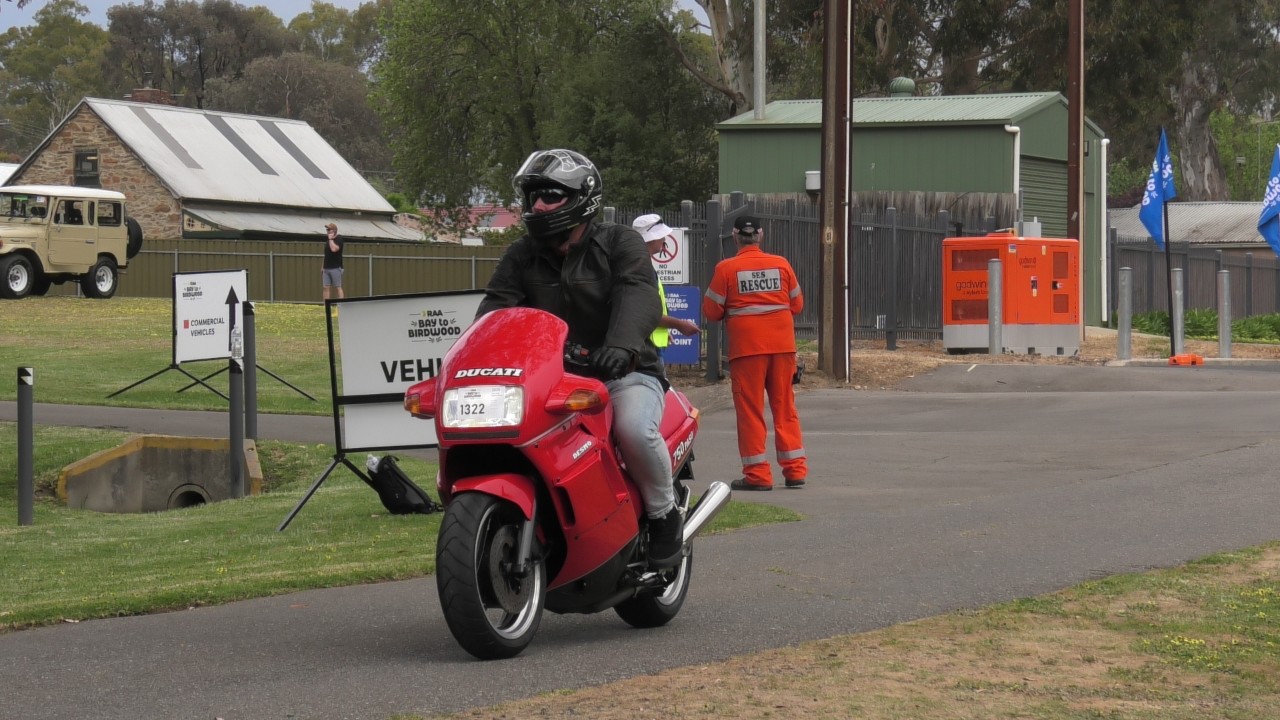
Ducati’s first engine was a 48 cc motor that clipped onto a bicycle. Four decades later, the Ducati Paso hid its whole engine under bodywork. Between and after those two, the Bologna firm built several bikes that sold modestly at first and later shaped everything the brand made.
These eight are our picks. Some saved the company, while others introduced a part Ducati still uses, such as the trellis frame or the belt-driven cams. Every spec and production figure below comes from Ducati’s heritage pages, museum notes, auction records or specialist histories.
1. 1946 Ducati Cucciolo
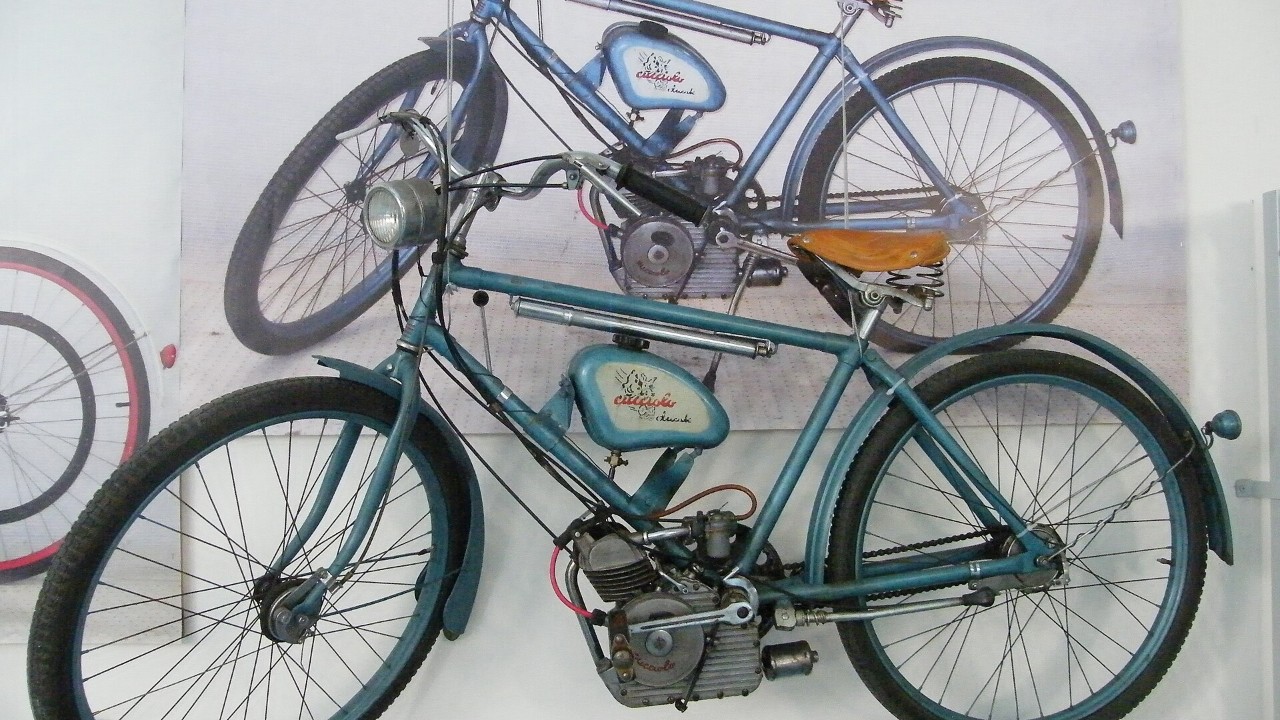
Aldo Farinelli, a lawyer and writer in Turin, sketched the Cucciolo in 1943. The name means “little pup.” By 1944 he had a running prototype, and the racing-engine firm SIATA started building it in 1945. Unlike most bicycle motors of the day, it was a four-stroke with a two-speed gearbox.
Ducati then joined production in June 1946. According to MCNews’ Cucciolo history, the T1 made 1.25 hp at 5,200 rpm and weighed 7.8 kg on its own. It used about one liter of fuel every 100 kilometers, which mattered in postwar Italy. By the time the last version ended in 1958, makers had built more than 400,000 of them.
2. 1962 Ducati Scrambler 250
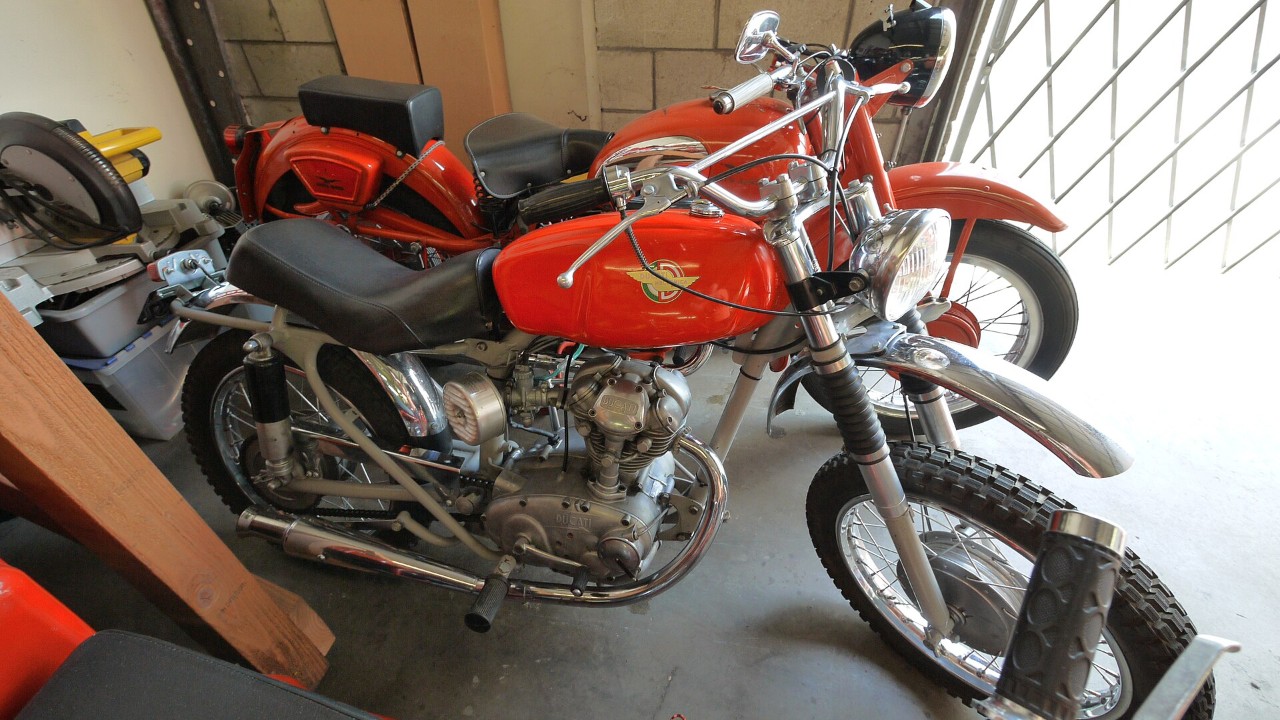
The Scrambler began as a favor to Ducati’s American importers. Joseph and Michael Berliner of the Berliner Motor Company asked the factory for an enduro-style bike their customers would buy. Ducati answered in 1962 with a 250 built around Fabio Taglioni’s single-cylinder engine.
The line grew from there. As auction house Wannenes records, a 350 joined in 1967 and a wide-case 450 followed in 1969, and that 450 is now the most sought-after version. Wannenes estimated a 1973 Scrambler 450 at €8,000 to €12,000. In fact, the idea grew out of Ducati’s 175 and 200 Motocross models, which had already sold reasonably well in the United States.
3. 1964–1966 Ducati Mach 1
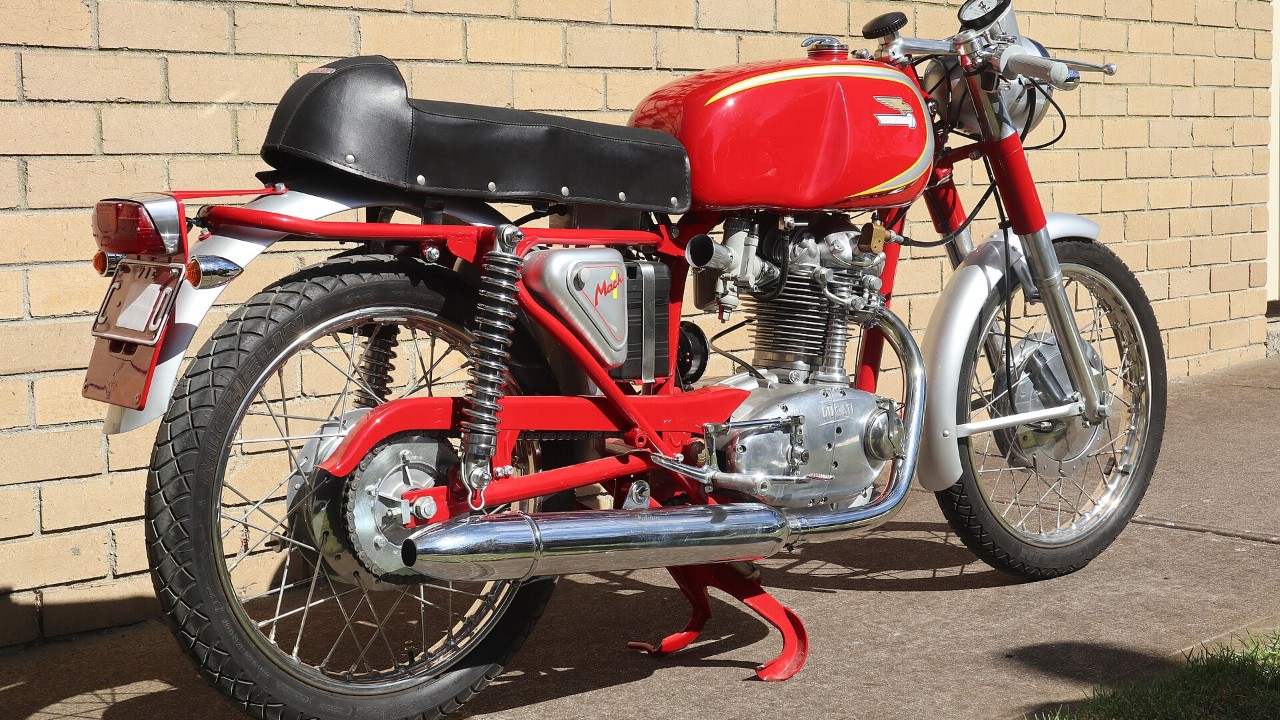
Ducati released the Mach 1 at the end of 1964, and it ran through 1966. It was a more highly tuned version of the 250 Mark 3. The engine used a 29 mm Dell’Orto carburetor and 10:1 compression, so it was hard to start and fussy at low speed.
In return, it went fast. MCNews lists 27.6 hp at 8,500 rpm and a five-speed gearbox with a rear-set shift. The bike weighed 116 kg dry and wore a red frame. Ducati claimed 170 km/h, which period tests never confirmed. Production totaled just 838, and privateer racers kept favoring it because it was lighter than the wide-case single that replaced it.
4. 1971–1974 Ducati 750 GT
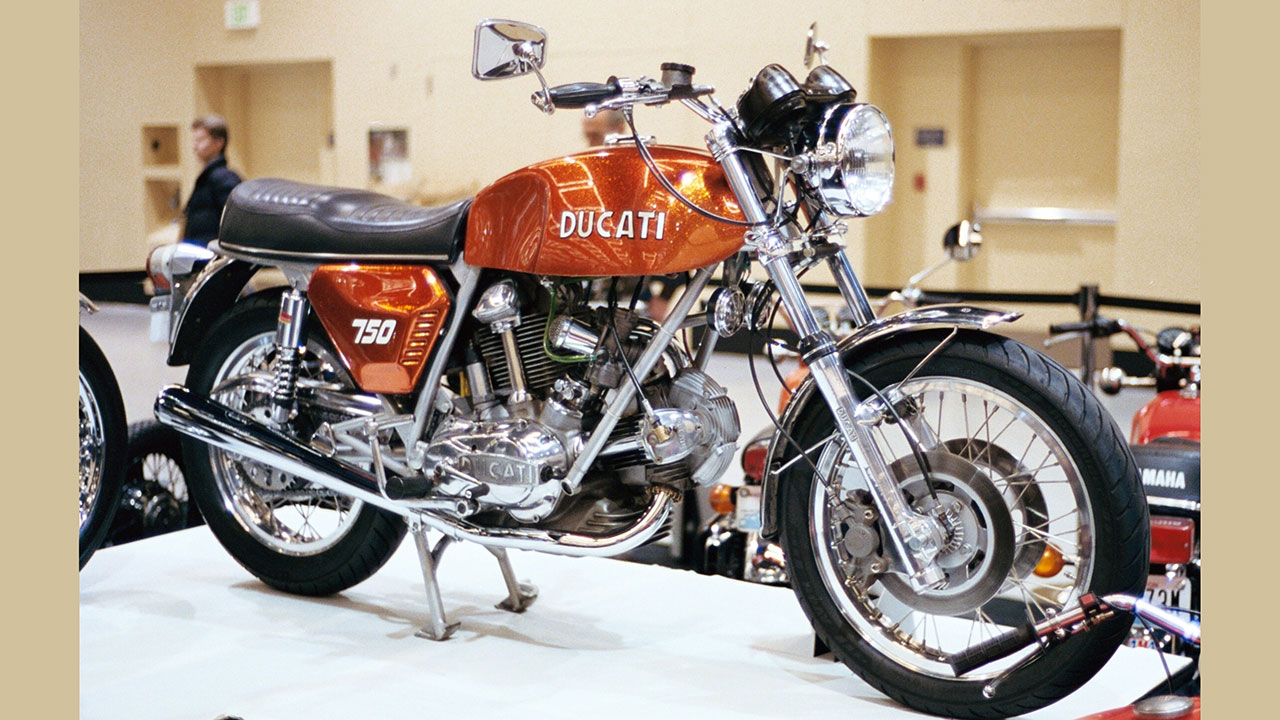
Ducati was in trouble when the 750 GT arrived. The Italian government had taken over the struggling firm in 1969. Earlier parallel-twin prototypes had failed to impress American dealers. Fabio Taglioni, chief designer since 1954, then tried a different layout.
His answer was a 748 cc 90-degree V-twin, essentially two 350 singles on one crankcase. Hagerty UK notes that it used bevel-driven overhead cams but ordinary valve springs, not desmo. Ducati claimed 60 bhp at 8,000 rpm. By contrast, Hagerty’s writer suspects that number was optimistic, though a run-in bike reached a genuine 125 mph. Hagerty now values a good one at about £25,000.
5. 1980 Ducati Pantah 500SL
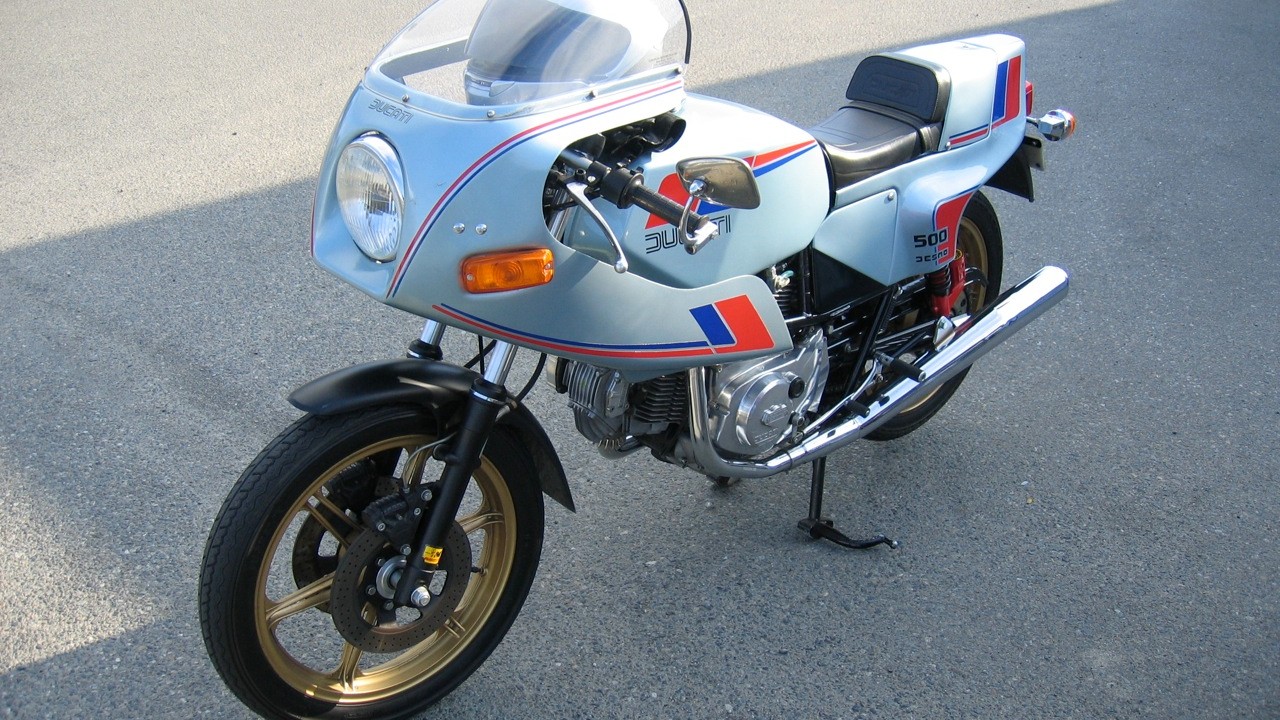
Ducati’s 1976 parallel twins sold badly, so the factory needed a smaller V-twin. The Pantah appeared at the Milan show in December 1979. Then it reached buyers in 1980 as the red-and-silver 500SL.
Its 497 cc engine used toothed rubber belts to drive the overhead cams, instead of the bevel gears on the bigger twins. BikeReview describes the trellis frame that hung the engine as a stressed member. Production heads used a 60-degree included valve angle. The prototype claimed 50 hp at 8,500 rpm, and BikeReview says the factory sold many of the 500s.
6. 1986–1988 Ducati Paso 750
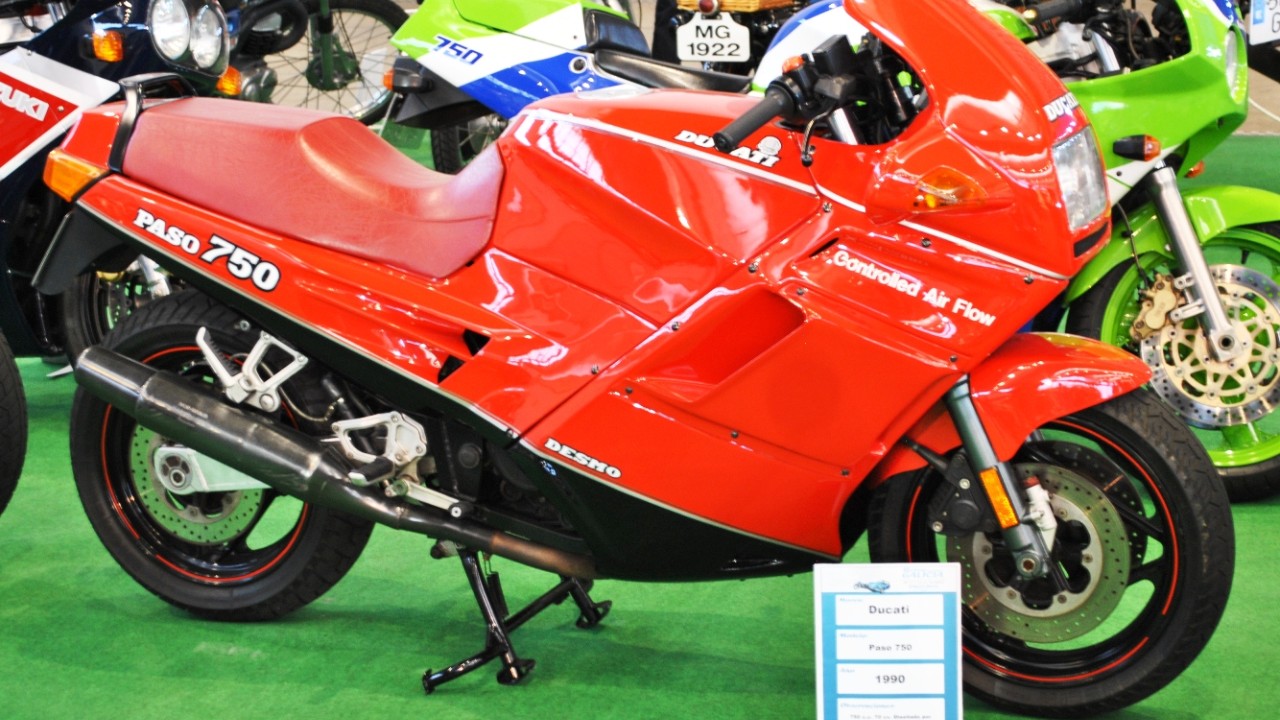
Cagiva bought Ducati in 1985 and hurriedly hired Massimo Tamburini to design a more comfortable successor to the Pantah. Tamburini named the Paso after racer Renzo Pasolini, who died at Monza in 1973. He then wrapped the whole bike in bodywork, two years before Honda’s fully enclosed CBR600 Hurricane.
MCNews’ Paso profile lists a 748 cc air-cooled desmo twin making 72.5 hp. Tamburini also chose 16-inch wheels to quicken the steering. However, the Weber carburetor sat between the cylinders under the bodywork and could overheat in traffic. In all, Ducati built 4,863 Ducati Paso 750s from 1986 to 1988. In our view, its enclosed shape pointed straight at the sport-touring Ducatis that came later.
7. 1988 Ducati 851
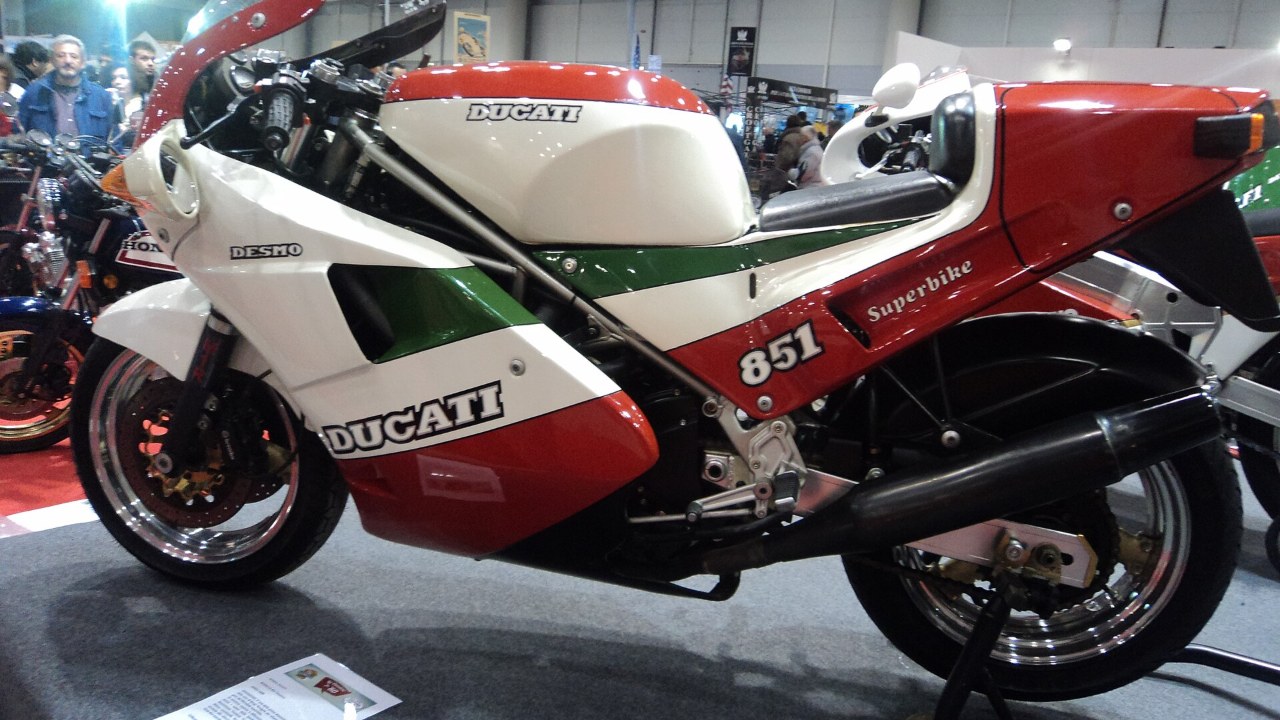
After Fabio Taglioni retired, Ducati’s new owners gave his understudy, Massimo Bordi, the job of designing a new engine. Bordi then worked with Cosworth on a four-valve head from September 1985 to January 1986. As Motorcyclist explains, the result was the first Ducati engine with water cooling, electronic fuel injection and four-valve desmo heads.
At first, the numbers were small. Bikesales reports that Ducati built 304 road-going 851 Strada models in April 1988, with 102 hp at 9,000 rpm. Its Weber Marelli injection had first served the Ferrari F40. On April 3, 1988, Marco Lucchinelli won the first World Superbike race at Donington on the factory bike. Bordi had wanted to call it the 850, but colleague Gianluigi Mengoli talked him into 851.
8. 1993 Ducati Monster M900
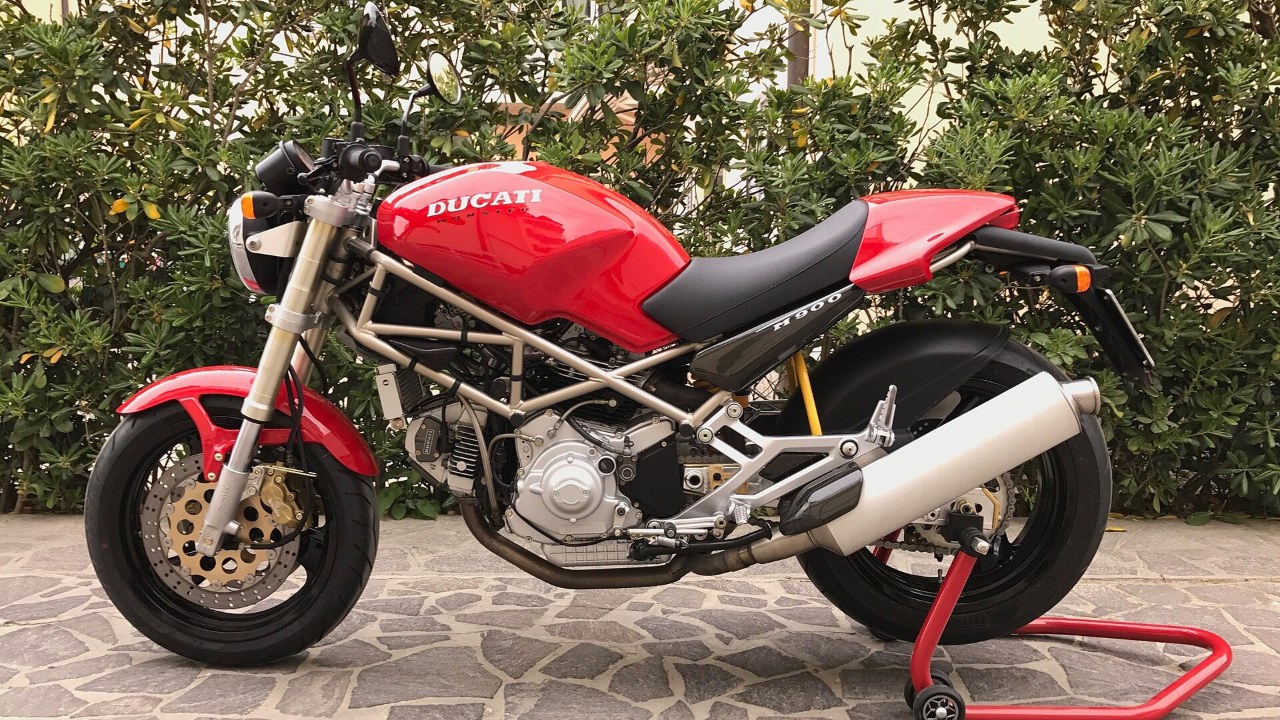
Miguel Galluzzi was a junior designer at Cagiva when he began a pet project in the summer of 1991. He took a 900SS engine, the frame from the 888 superbike and a 750SS front end. Then he stripped away almost everything else.
The prototype drew a strong welcome at the 1992 Cologne show, and the bike went on sale in 1993 at £7,500. According to Visordown’s Monster history, the 904 cc twin made 67 bhp. Even more telling, the Monster family accounted for 42 percent of Ducati’s sales from 1993 to 2000. Galluzzi said the name came from the rubber monster toys his sons collected.
More from Fast Lane Only