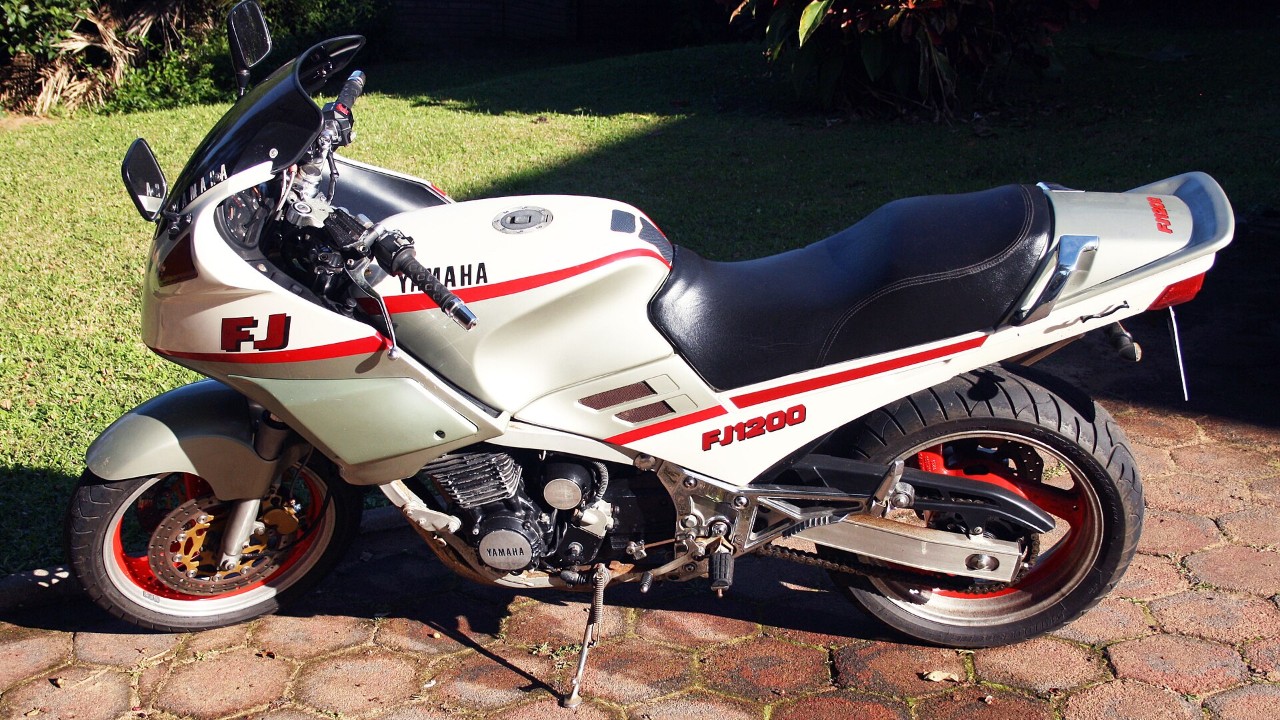
The Yamaha FJ1200 has an odometer that rolls back to zero after 100,000, so buyers judge its real mileage by the wear on the footrests and controls. That detail tells you how far these bikes are expected to go. Four-cylinder engines have a reputation for running smoothly, but only some models kept going long after their rivals were parked.
These seven are our picks, and the verdicts are our opinion. What backs them up is on the record: production runs, owner surveys, mileage reports and the engineering choices that kept these engines alive. Every figure below comes from road tests, buyer’s guides or specialist histories.
1. 1974–1978 Honda CB550 Four
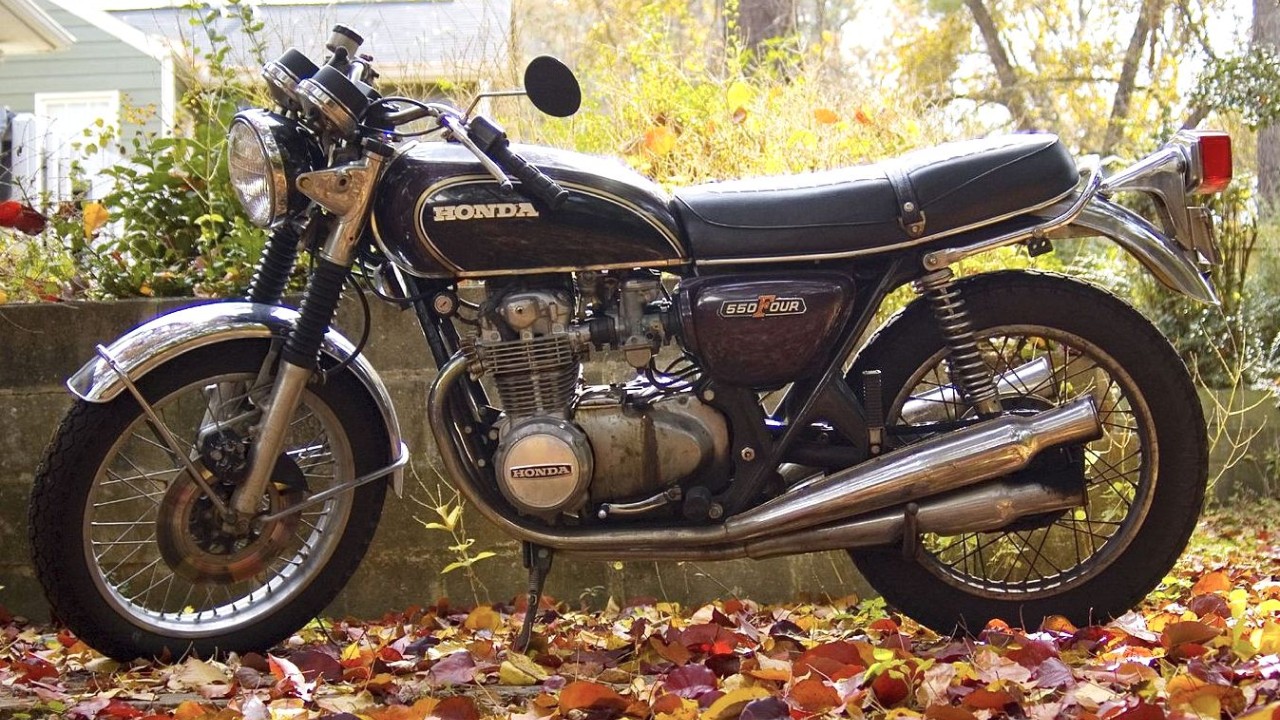
Honda built the CB550 by boring out the CB500 Four to 544 cc. The first American bikes even used the 500’s frame and cycle parts. It was a single-overhead-cam four with two valves per cylinder and a five-speed gearbox, and tests put its top speed at 105 mph.
In our view, its strength was simplicity. Classic Bike Guide calls the engine good, solid and uncomplicated, with few special tools needed to work on it. The guide also rates Honda’s electrics as robust. Cam chains suffered on bikes that missed their maintenance, though. For that reason, the guide recommends oil changes every 1,500 miles and says a well-kept four should last well.
2. 1977 Kawasaki Z650
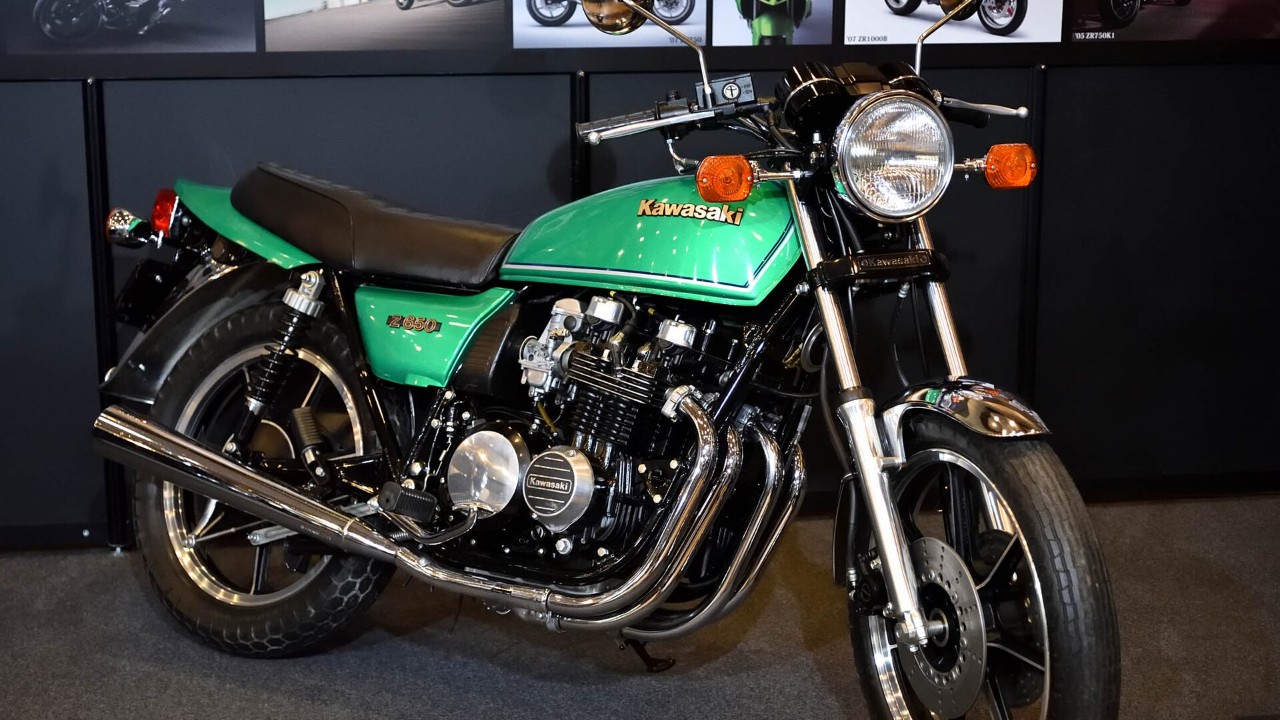
Kawasaki sold this bike in America as the KZ650, starting with the 1977 KZ650B1. Gyoichi “Ben” Inamura, who also led the Z1, designed it as a large middleweight. Rather than shrink the Z1 engine, his team drew a new double-overhead-cam four that Kawasaki claimed made 64 hp at 8,500 rpm.
One detail explains why so many survive. According to Common Tread’s retrospective, Kawasaki placed the valve shims under the buckets, which reduced the chance of a catastrophic engine failure near redline. The engine later grew to 750 cc and lived on until the ZR-7 ended in 2004. It cost $2,000 new in 1977. Our take: few middleweights of the era aged this well.
3. 1991–2003 Honda CB750 Nighthawk
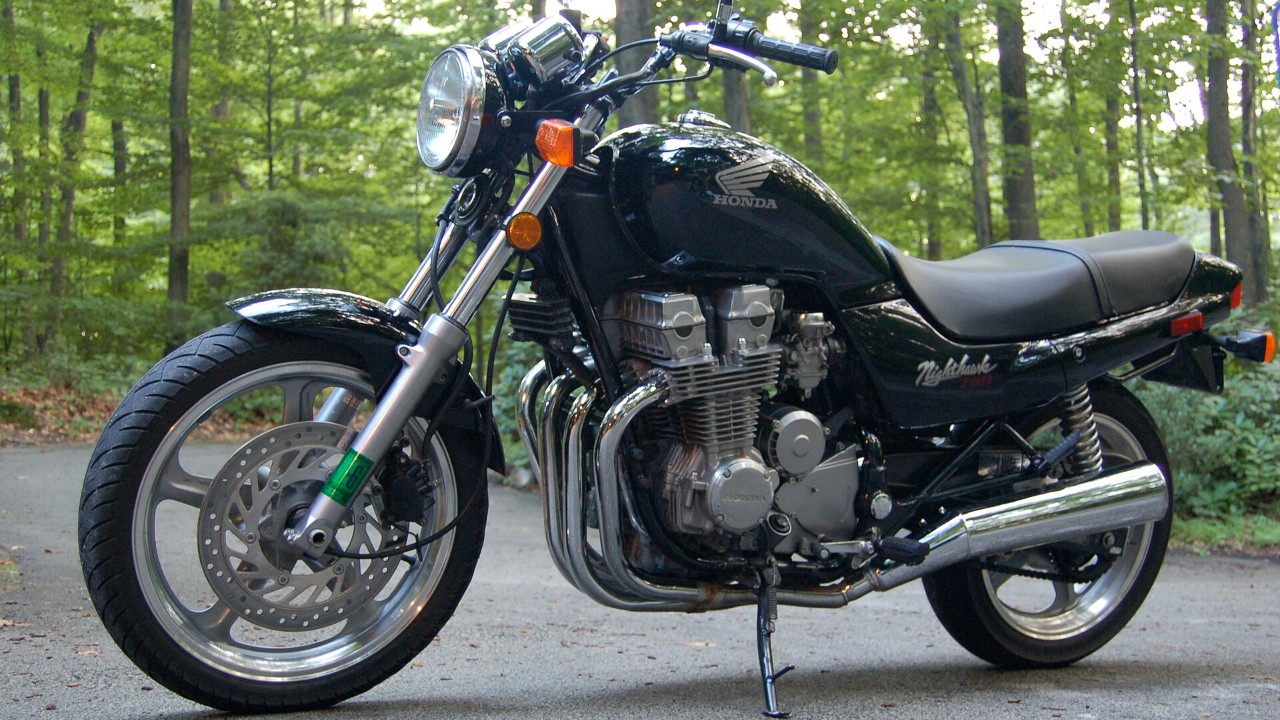
Honda built the CB750 Nighthawk from 1991 to 2003 as a plain standard bike. It changed very little in those 13 years, according to Suncoast Cycle Sports. Its 747 cc air-cooled inline-four uses double overhead cams and four valves per cylinder.
The clever part is in the valvetrain. Honda’s 2003 specifications, reproduced by Total Motorcycle, list maintenance-free hydraulic valve-lash adjusters, so owners never set valve clearances. The 2003 model listed at $5,799. In our view, that simple, low-upkeep design is exactly why it earns a place here. Meanwhile, the dealer says the usual age issue is a weeping valve-cover gasket, which it calls a straightforward fix.
4. 1986 Yamaha FJ1200
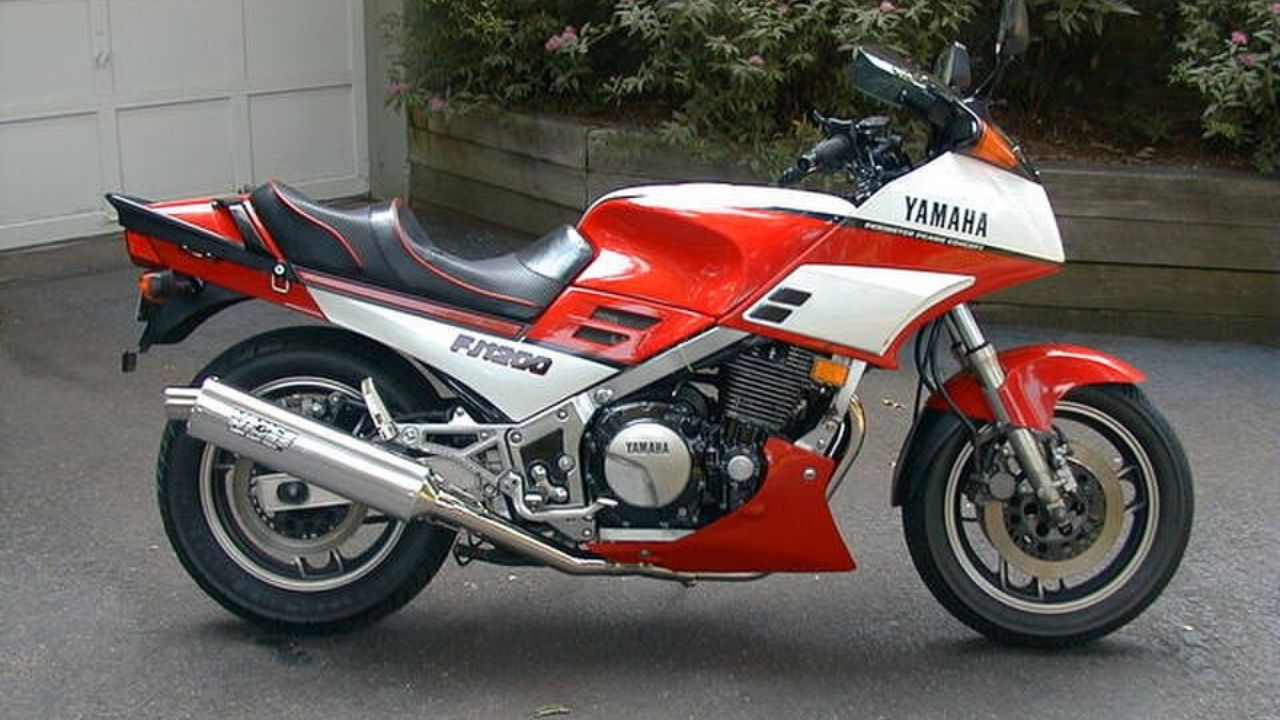
The FJ started in 1984 as the FJ1100 sport-tourer. For 1986, Yamaha bored the air-cooled 16-valve four out to 1,188 cc and rated it at 130 hp. It also fitted a stronger gearbox and clutch. Yamaha moved the starter and alternator behind the cylinders, so the engine stayed narrow.
Bikesales’ FJ buyer’s guide says the Yamaha FJ1200 continued almost unchanged from 1988 to 1992, apart from an ABS option and firmer suspension. Even so, the guide warns that high kilometers don’t mean the engine is finished. Instead, it says, a worn chain and sprockets can make the engine feel rough. In our opinion, the FJ1200 is one of the best high-mileage buys of its era.
5. 1986–1997 Honda VFR750F
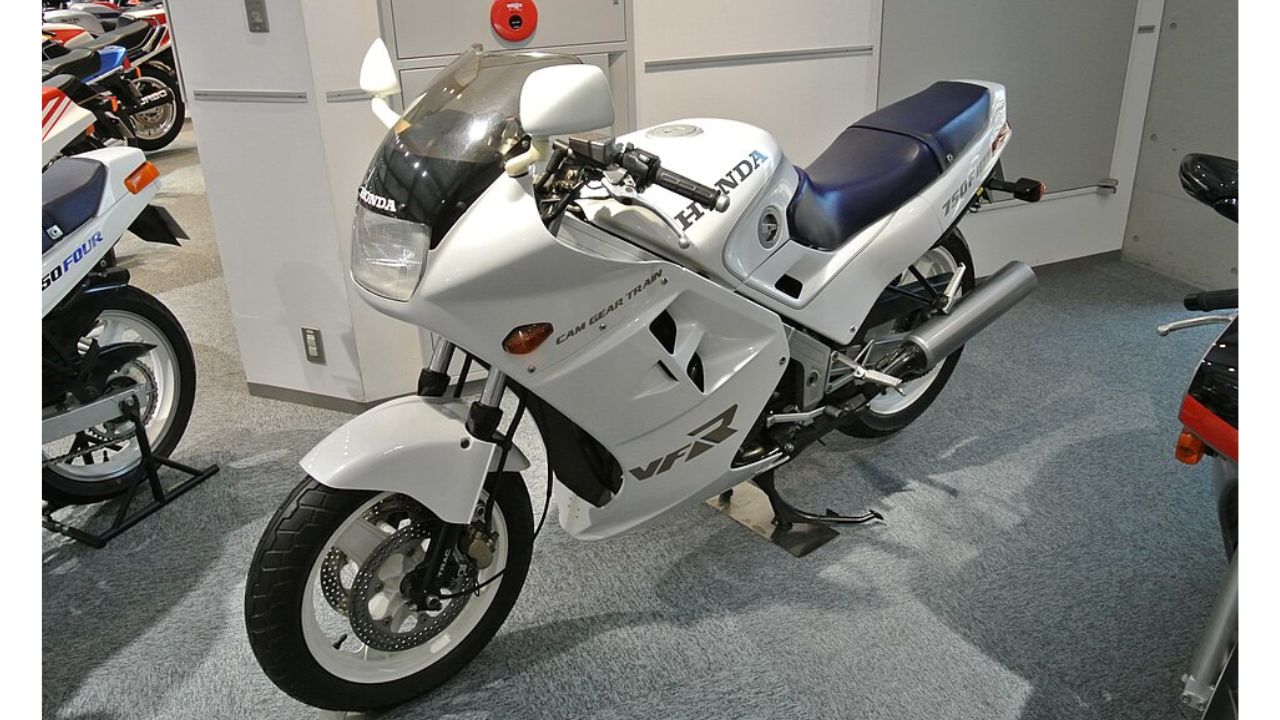
Honda needed the VFR750F to repair its name. The earlier VF750 models had suffered rapid cam-lobe wear. MCNews’ VFR history traces that wear to lobes that were not hardened correctly in manufacturing.
For the VFR, Honda used gear-driven overhead cams on its 748 cc V4, and it kept that layout until the 2002 model year. Then the 750 ran through four generations, from 1986 to 1997. MCNews writer Phil Hall bought his VFR with just over 100,000 km for $1,600. At about 138,000 km, he expected it to keep going without major issues. We’d agree, provided the regulator-rectifier, a known weak point, gets an upgrade.
6. 1990–2001 Kawasaki ZZ-R1100
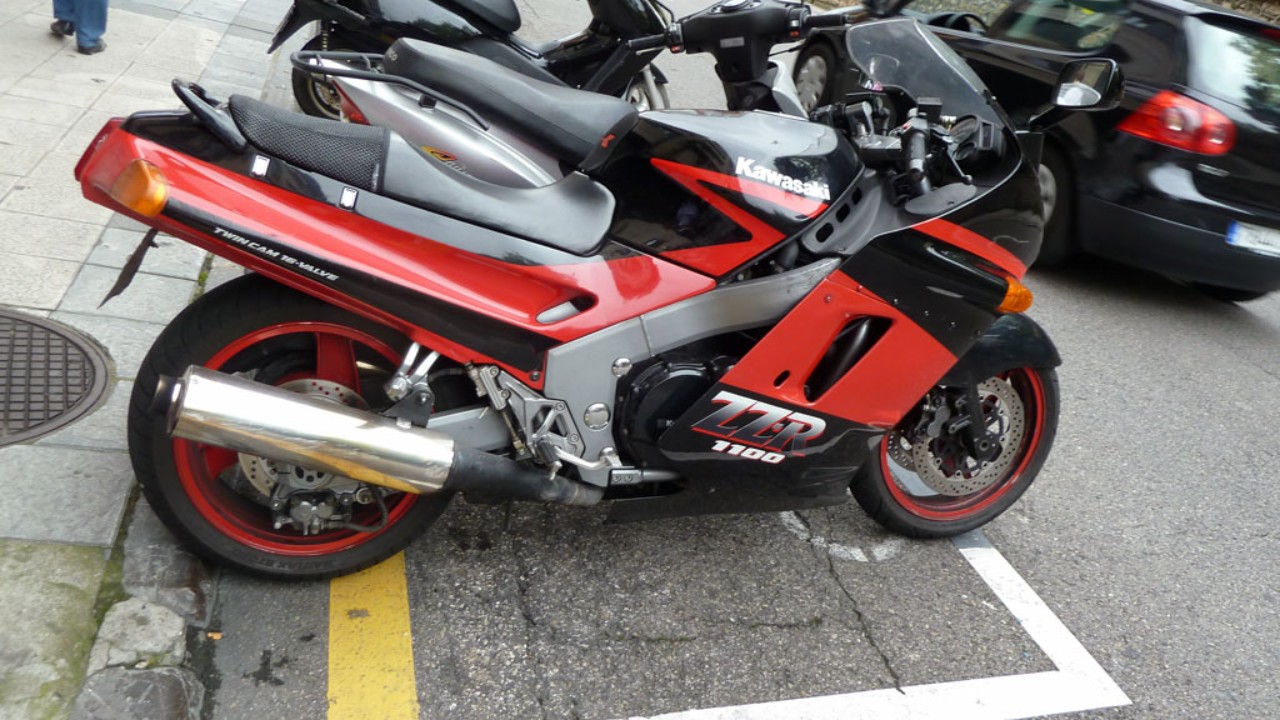
The ZZ-R1100 was the fastest production bike in the world when it arrived. Its 1,052 cc four used ram-air induction to feed the airbox at speed. Early bikes made just under 130 bhp, and BikeSocial puts top speed at almost 175 mph.
Kawasaki then raised power to a claimed 147 bhp for 1993 with the D model. After that, it barely changed the bike until 2001. BikeSocial’s used guide calls the engine generally bombproof and says high mileages are common. Its reasoning is simple: owners rarely use the full performance. In our view, that makes the ZZ-R1100 a superbike that aged into a dependable long-distance tourer.
7. 1995 Suzuki GSF600 Bandit
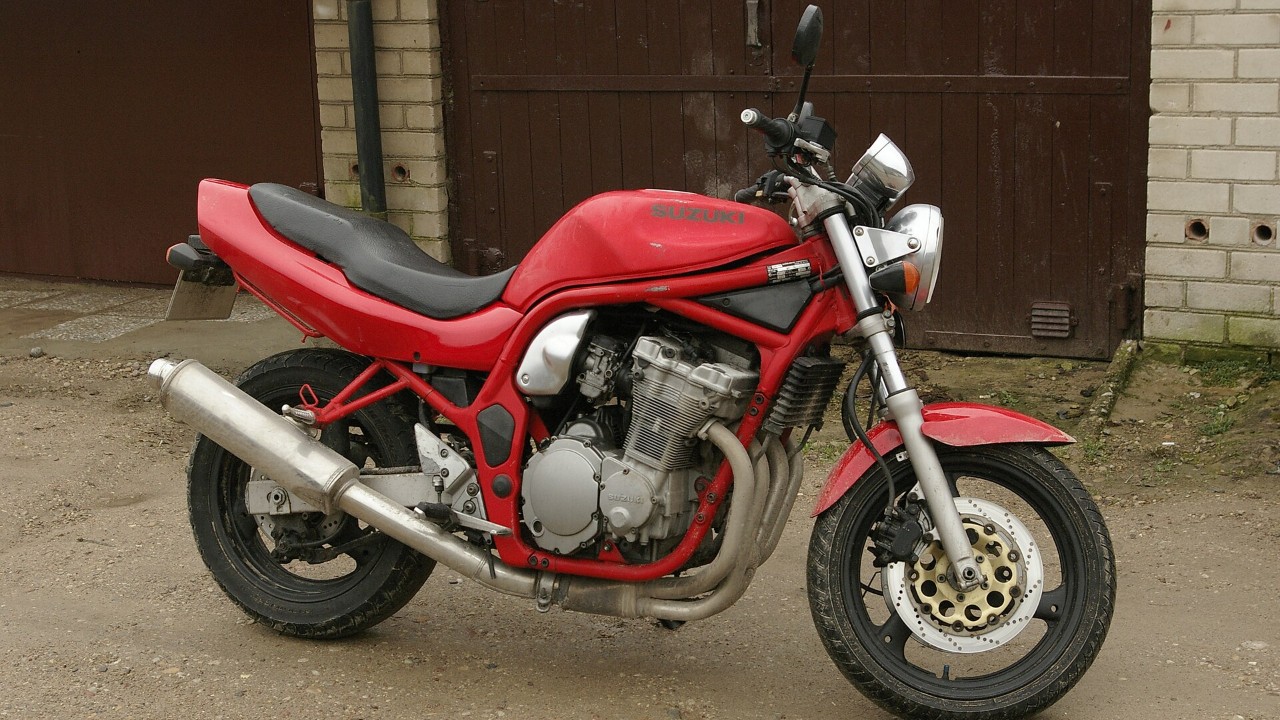
Suzuki launched the Bandit 600 in 1995 at £3,999. Visordown describes it as an old engine in a basic chassis. That engine was a 599 cc air- and oil-cooled 16-valve four making 77 bhp at 10,500 rpm.
The owners’ verdict matters more here. In Visordown’s owner survey, 86 percent reported no problems at all. Only one owner reported a major failure, a main bearing at 35,000 miles. Meanwhile, the guide says 100,000-plus miles is achievable with regular oil changes. Our take: few cheap middleweights have earned a record this clean.
More from Fast Lane Only