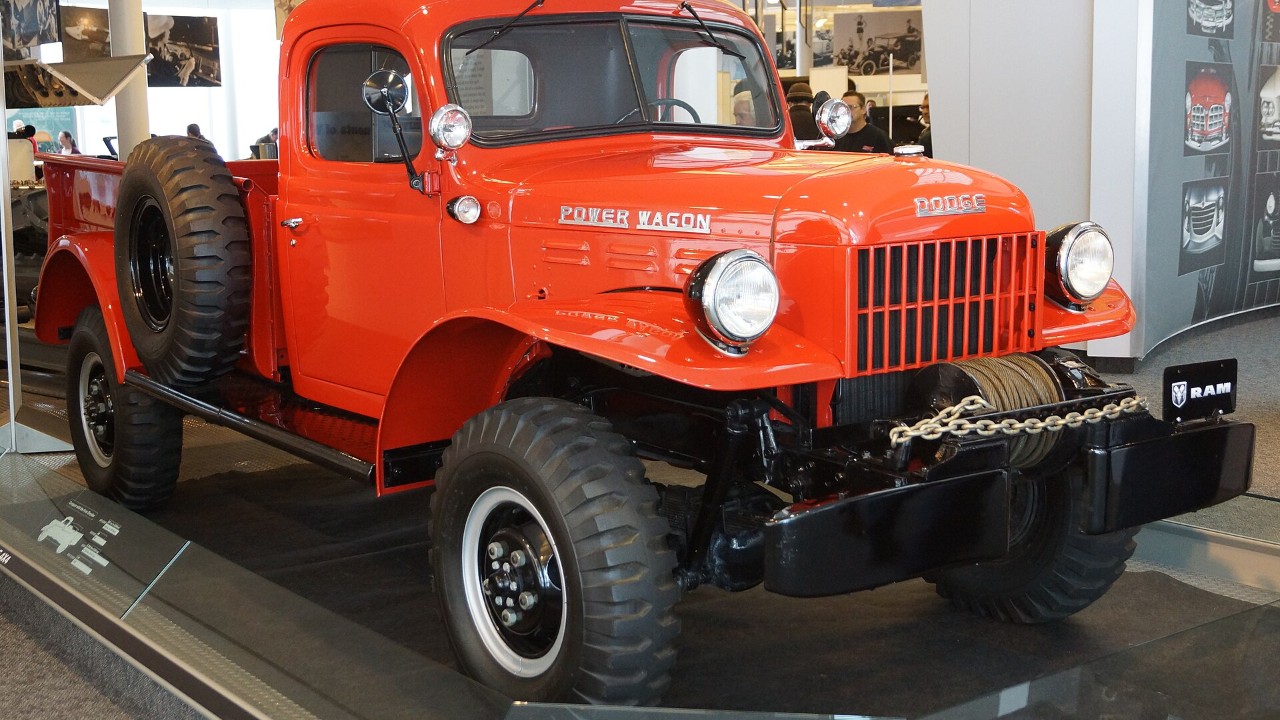
The Dodge Power Wagon was born in World War II, when Dodge built thousands of four-wheel-drive trucks for the U.S. Army. After the war, the company turned that hardware into a civilian pickup in 1946, and the name has come back to Dodge and Ram trucks more than once since.
That history gave the name a reputation for toughness that few pickups can match. Still, not every Power Wagon is the same truck, and some versions feel tougher than others.
These eight are our picks for the toughest of the family, and the verdict is our opinion. Some are military trucks, some are farm and ranch workhorses, and two are modern Ram pickups that carry the name today. The facts come from military vehicle guides, Power Wagon registries, road tests and Hagerty.
1. 1942 Dodge WC-51 Weapons Carrier
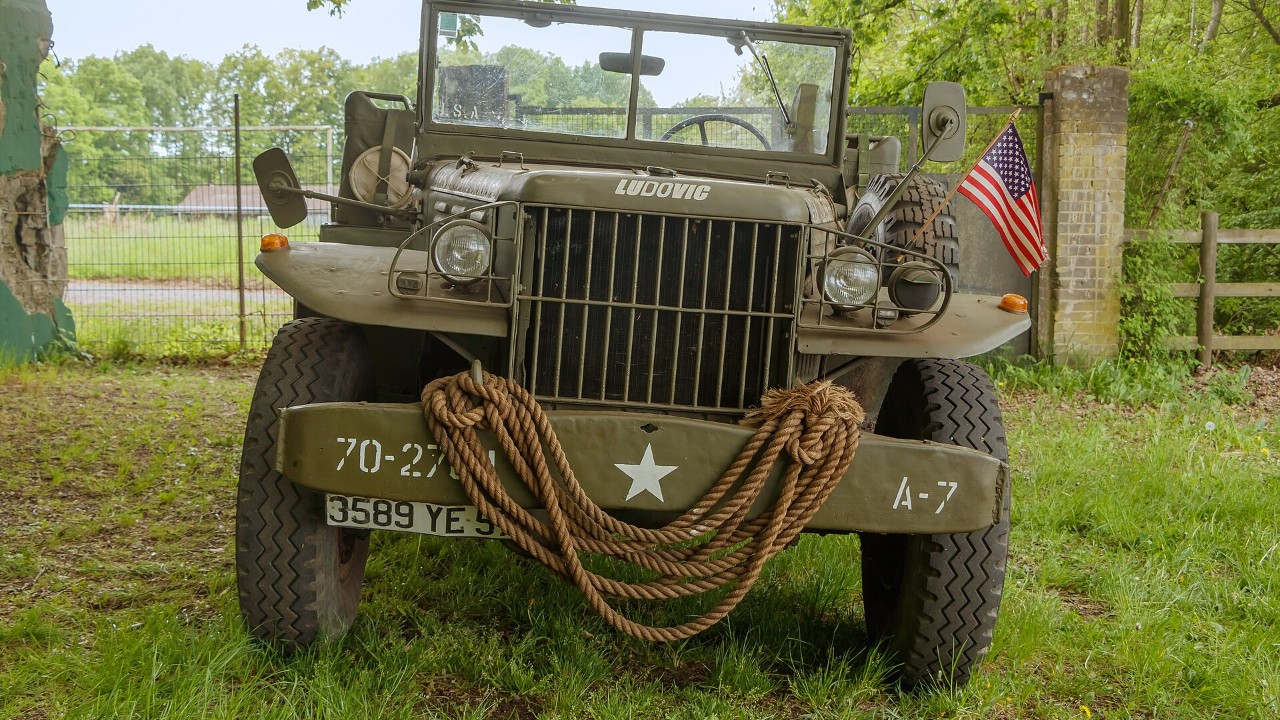
The WC-51 is where the story really starts. Dodge’s WC series came in dozens of versions during the war, and Silodrome notes that the family shared roughly 80 percent of its parts. That made the trucks easy to fix in the field, because a broken one could feed parts to another.
According to Military Trader, production began in 1942 and Dodge built 123,541 WC-51s. The open-bed body could carry about eight people, and the truck could tow light loads. It had no winch, which set it apart from its sibling. Silodrome counts 38 WC variations during the war. Because so many share the same mechanical parts, keeping a WC-51 running is easier than it is for many military vehicles of that era.
In our view, the WC-51 earns its place because so many survive and run, decades after they were built for hard use. If you want one, follow Military Trader’s advice and buy the manual before you buy the truck. Then plan for axle shafts and drivetrain parts that may be tired from age and metal fatigue.
2. 1945 Dodge WC-52 Weapons Carrier
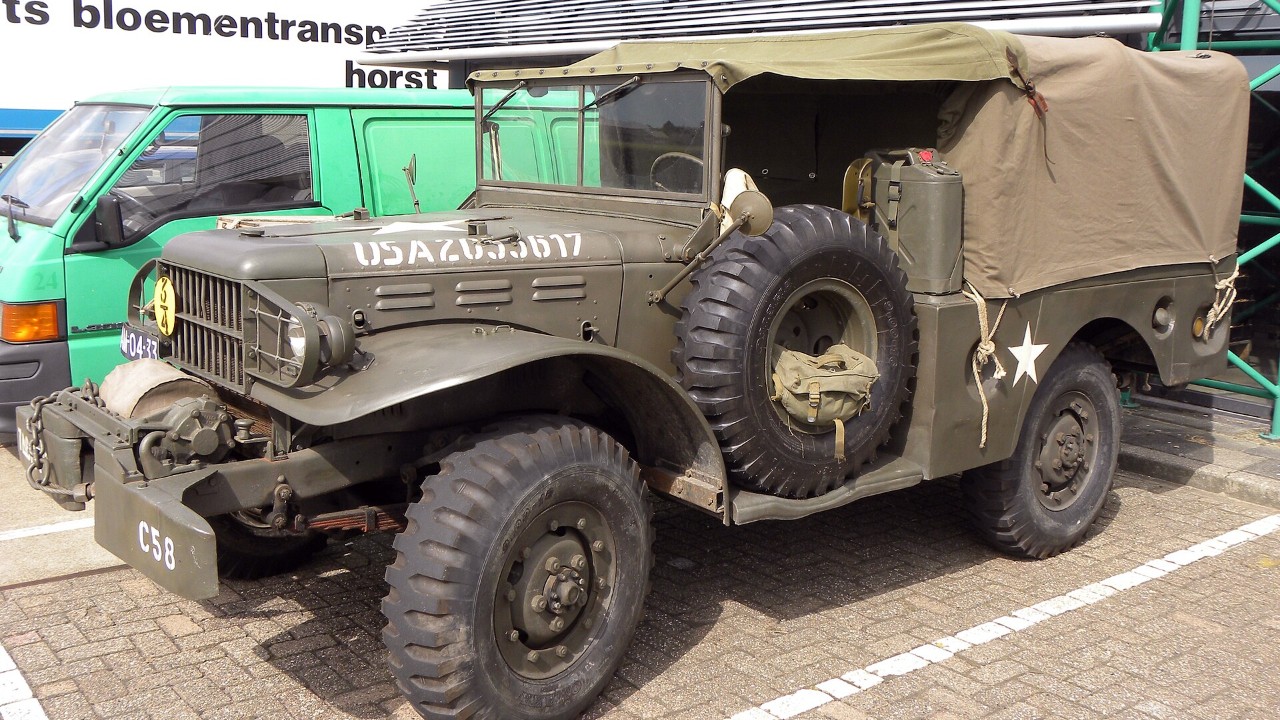
The WC-52 looked almost identical to the WC-51, but it carried one important addition. Dodge fitted a front-mounted winch and lengthened the frame to make room for it. That turned a troop and cargo carrier into a truck that could pull itself, and others, out of trouble.
Military Trader puts WC-52 production at 59,114, with a 7,500-pound winch up front. With the canvas top in place, the body stands about 85 inches tall. The guide also recommends a cruising speed of about 45 mph, so these trucks are happier on back roads than on the interstate. Military Trader also grades these trucks on a six-step scale from Excellent to Parts Vehicle, and it says condition drives price more than anything else.
We’d pick the WC-52 over the WC-51 for one simple reason: the winch makes it more useful today. It also explains why the civilian Power Wagon that followed came with a winch option. When you shop, ask about the winch’s condition, because rebuilding one adds real cost to a restoration.
3. 1954 Dodge Power Wagon C-1-PW
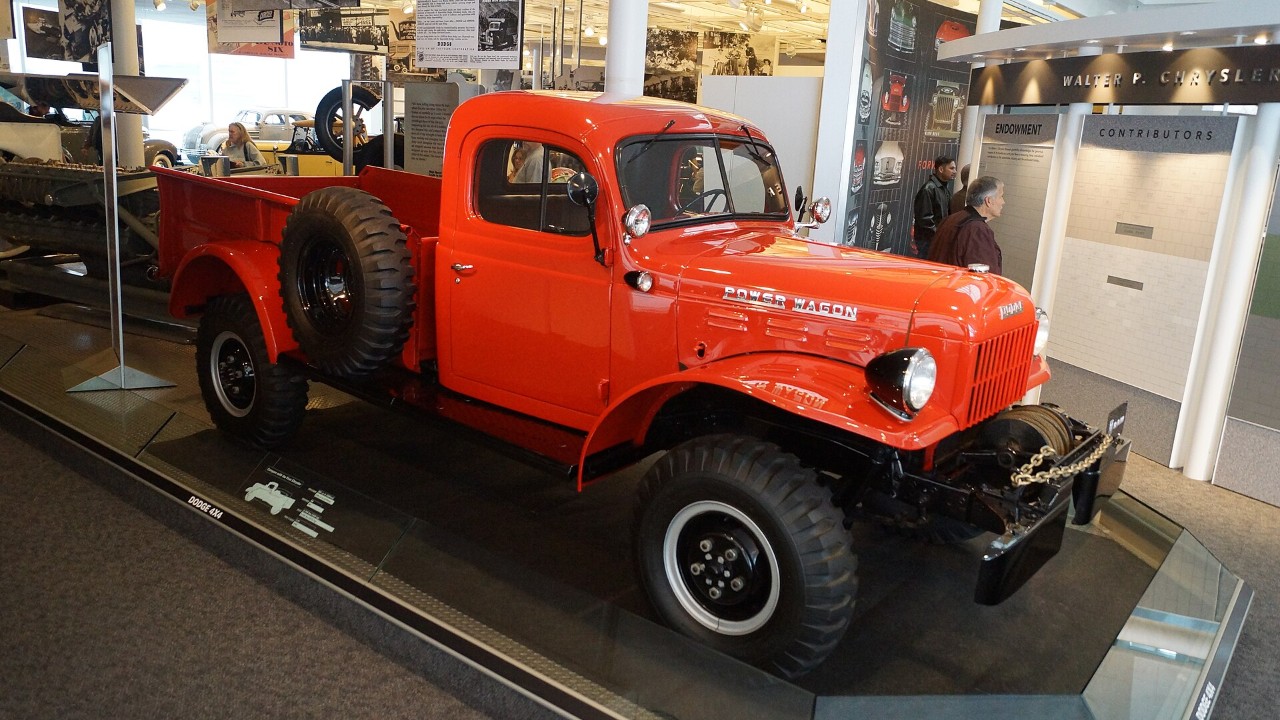
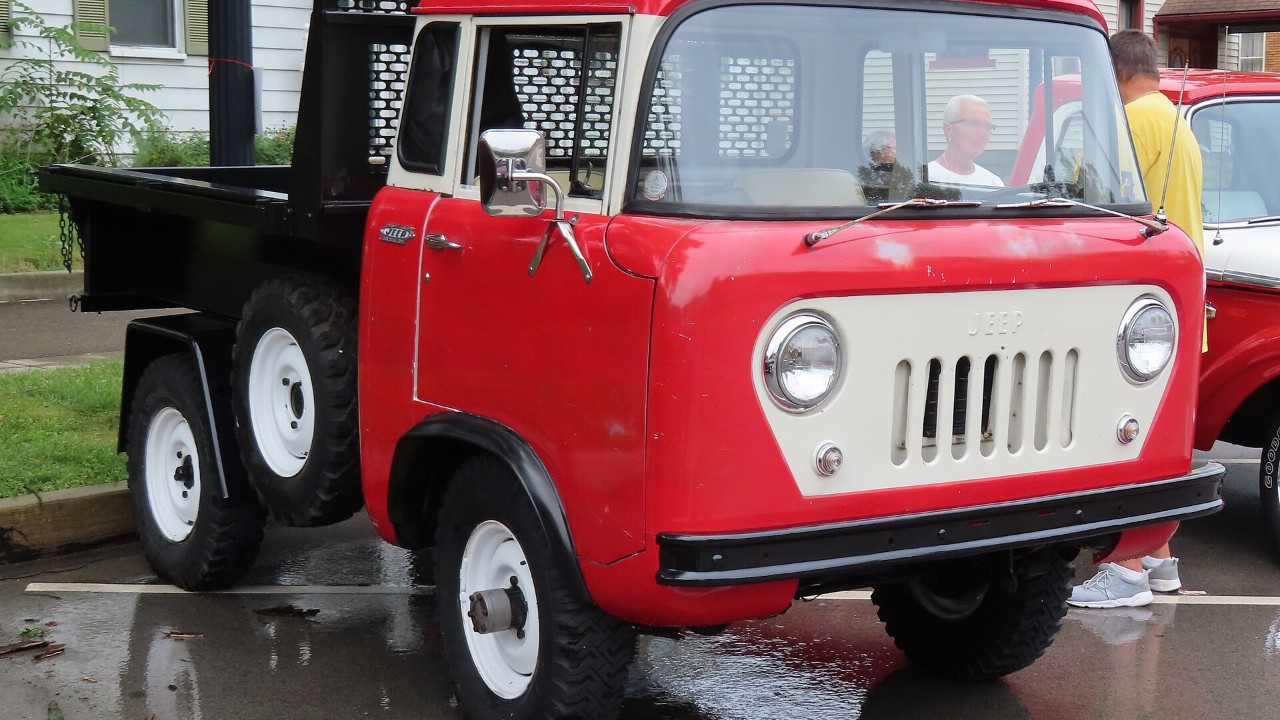
By the early 1950s, the civilian Power Wagon had settled into its role on farms, ranches and job sites. The Vintage Power Wagons registry lists the C-1-PW as the 1954 model in the second series, which ran from 1951 to early 1956. Dodge also sold the same truck as a Fargo and a DeSoto. The registry lists spotting details too, such as three slightly curved stake pockets per side and four gauges grouped in the center of the dash.
Power came from the 230-cubic-inch flathead six, which the registry notes Dodge used from 1945 through 1960. Silodrome adds that these trucks had a four-speed gearbox, a two-speed transfer case and front and rear power take-offs. In fact, an optional front winch ran directly off that power take-off system.
Our take is that a 1954 truck shows the Power Wagon at its simplest and strongest. A low-revving flathead six and a power take-off are hard to break. For more on where it came from, see our story on how the Dodge Power Wagon carried military roots into civilian life.
4. 1963 Dodge W200 Power Wagon Crew Cab
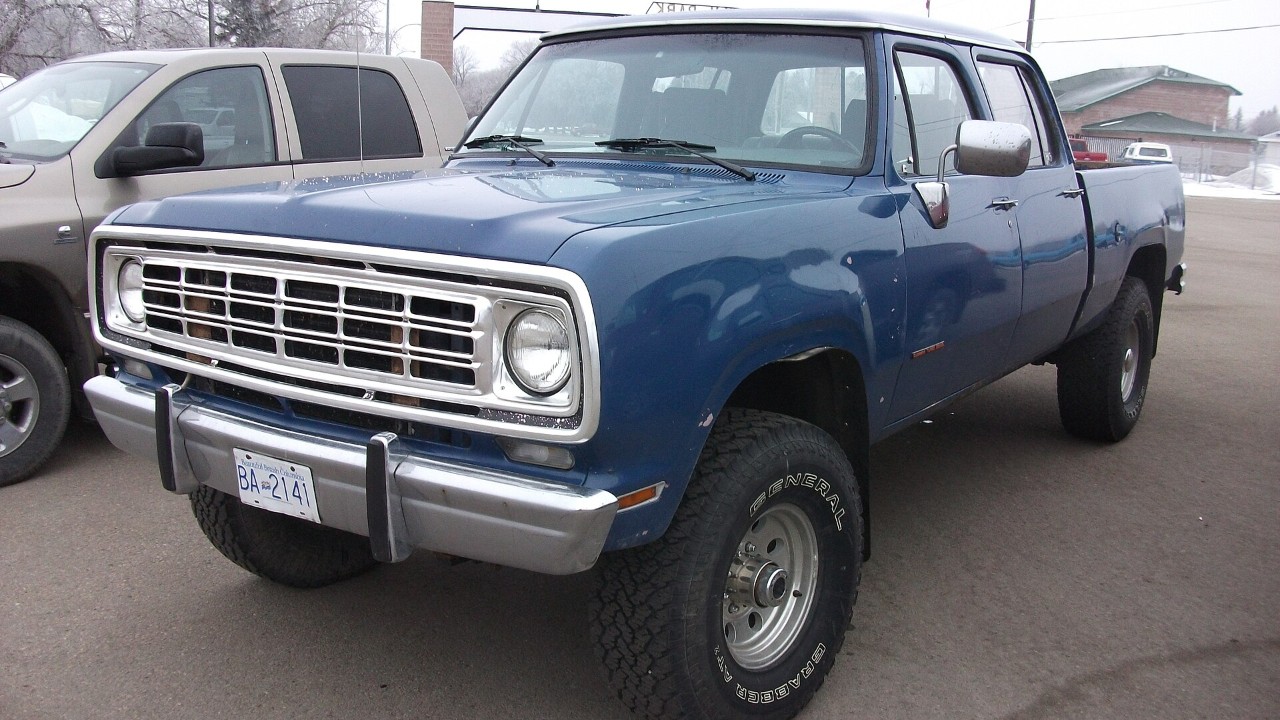
From 1957, Dodge also put the Power Wagon badge on its four-wheel-drive W-series pickups. That meant buyers could get Power Wagon toughness in a more modern truck. Then, for 1963, Dodge added a four-door crew cab to the range.
Curbside Classic notes that Dodge beat Ford and Chevrolet to market with its crew cab in 1963, although International had offered one in 1961. A period ad promised room to carry six burly men. Most of these trucks went to commercial and government users rather than private buyers. We like the idea of a four-wheel-drive pickup that could take a full crew to a job site in 1963. It solved a problem every work crew had, long before four-door pickups became family transport.
That’s why we’d call a four-wheel-drive crew cab one of the most wanted vintage Dodge trucks today. The four-door W200 was far less common than the regular cab, and many lived hard working lives. If you find one, inspect the cab corners and rockers carefully, because rust repair on a long four-door cab adds up fast.
5. 1968 Dodge WM300 Power Wagon
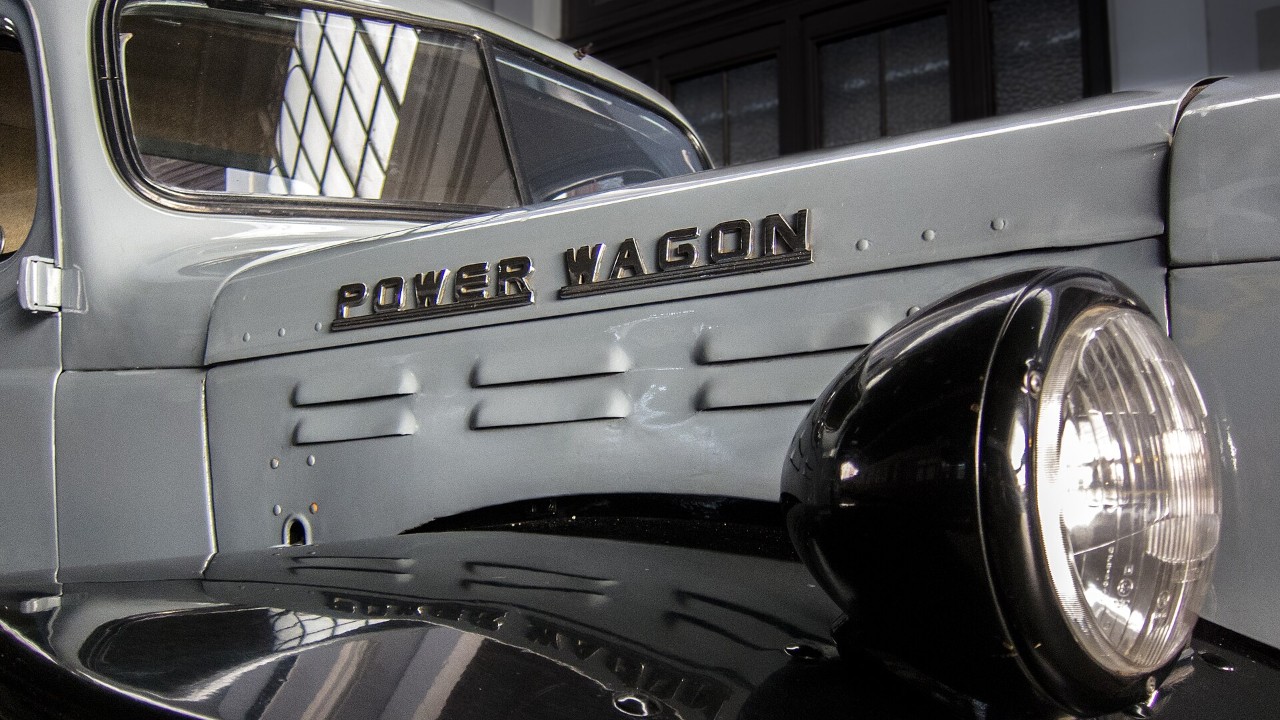
While the W-series got more modern, Dodge kept building the old flat-fender Power Wagon alongside it. The Vintage Power Wagons registry lists the WM300 from 1960 to 1971. It used a 251-cubic-inch flathead six from 1961 on, and export versions ran until 1978. The registry also lists Danish WM300s built from 1962 to 1971 in 12-volt and 24-volt form. That long export life says a lot about how well the basic design held up in rough places.
A restored 1968 WM300 offered by RK Motors shows what these trucks are about. It has that 251 six with a small Carter carburetor, a four-speed manual, a separate lever for four-wheel drive, manual steering and drum brakes. It also wears a Braden winch and split-rim wheels.
We think the WM300 is the purest Power Wagon of all, because it barely changed from the 1940s formula. Dodge kept it simple, so there’s very little to fail. If you want a newer W-series instead, our look at the 1968 Dodge W-200 covers the other side of the lineup.
6. 1974 Dodge W200 Power Wagon Club Cab
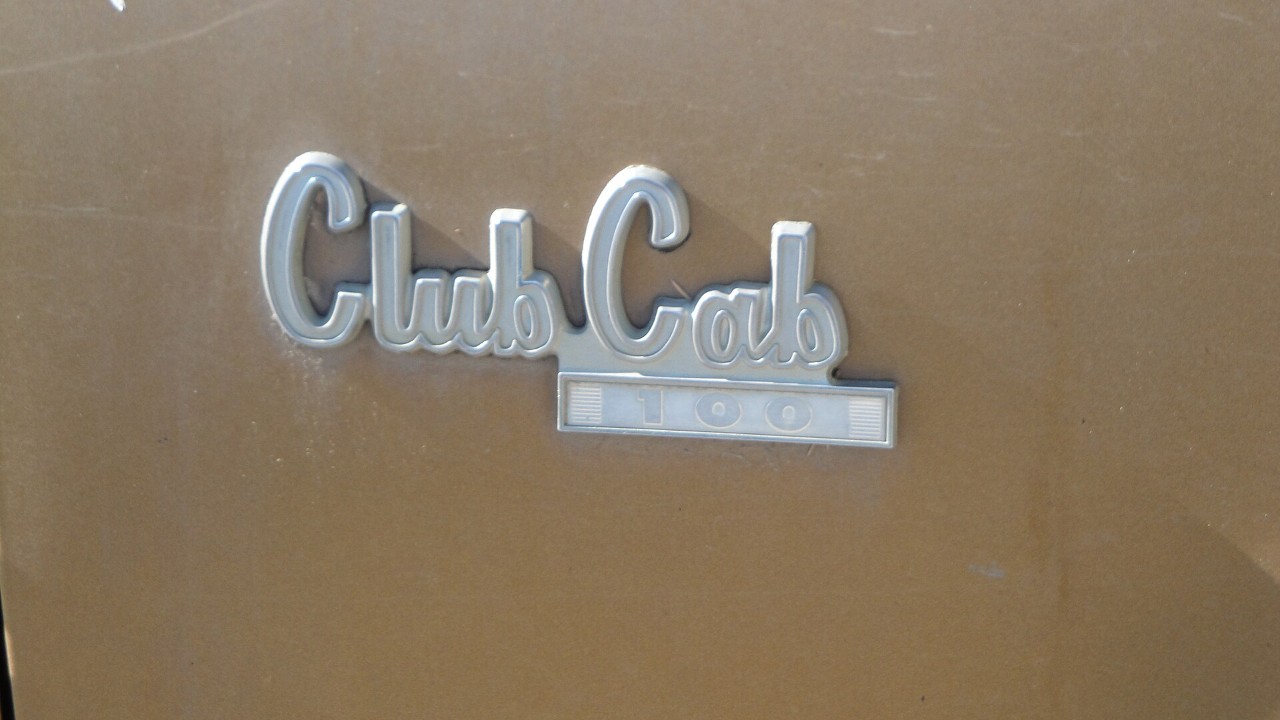
Dodge changed the pickup world in the 1970s with the Club Cab. SlashGear credits it as the first extended-cab two-door pickup, introduced for 1973. Ford followed with its SuperCab in 1974. SlashGear adds that Ford’s early SuperCab also had two doors, much like the Dodge. Even so, Dodge got there first, and the extended cab soon became a fixture on American pickups.
The extra space behind the seats came with small side windows and rear jump seats for two more passengers. When folded against the cab walls, those seats left room for gear that you’d rather keep out of the weather. On a four-wheel-drive W200, that made the truck a better tool for hunters, ranchers and crews who carried tools and people at the same time.
In our view, a Club Cab W200 is one of the best-kept secrets among vintage four-by-fours. It has the practicality of a modern truck with the simple mechanicals of the 1970s. When shopping, check the cab floors and the frame behind the cab, since these trucks often hauled heavy loads for years.
7. 2017 Ram 2500 Power Wagon Laramie

The Power Wagon name returned as an off-road version of the Ram 2500, after production of the original had ceased for 25 years. By 2014 it had the 6.4-liter Hemi V8, which Consumer Guide rated at 410 horsepower. It also had locking front and rear axles, a disconnecting front stabilizer bar and a built-in electric winch. The magazine’s test truck was a Laramie crew cab with a 6-foot bed, priced at $59,580 as tested. It used a six-speed automatic, a rear coil-spring setup based on the Ram 1500’s and three-link front geometry borrowed from the 3500.
For 2017, Ram offered a Laramie version of the revamped truck. SEMA News describes chrome mesh in the grille, chrome wheels and upgraded leather with thick stitching and wood-look trim. It also dropped the Macho Power Wagon graphics for a cleaner look.
We like the Laramie because it proves the Power Wagon doesn’t have to be spartan to be tough. Underneath the leather, the hardware is the same heavy-duty package. If you shop for a used one, check the winch, the lockers and the underbody for trail damage.
8. 2021 Ram Power Wagon 75th Anniversary Edition
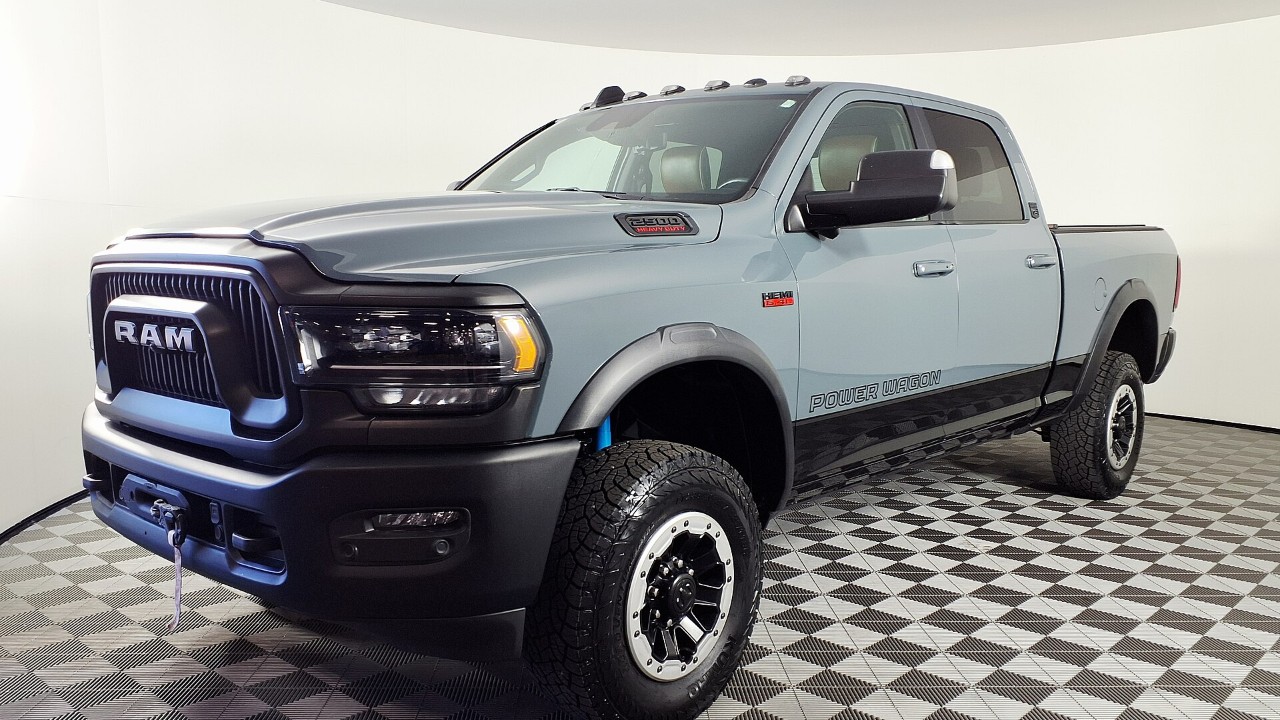
Ram marked 75 years of the Power Wagon with a special package for 2021. Hagerty notes the name dates to 1946, when Chrysler first offered buyers a factory four-by-four pickup. The anniversary truck kept the 6.4-liter Hemi, now rated at 410 horsepower and 429 lb-ft and paired with a ZF eight-speed automatic.
The hardware list is serious. It has electronic locking differentials front and rear, solid axles with coil springs and 33-inch Goodyear Wrangler tires. Up front sits a 12,000-pound Warn Zeon winch with synthetic rope. Meanwhile, the anniversary package itself cost $11,715 and added Harman Kardon audio, a forward-facing camera and special badges. Hagerty’s test truck also had the Rambox and a bed utility group, which brought it to an as-tested price of $71,185. That’s serious money, though much of it goes into hardware you’ll use on a trail.
Our take is that this is the best modern tribute to the original. It keeps a winch, solid axles and a big engine, much like the trucks of the 1940s. For the next chapter, read about how the 2027 Ram Power Wagon gets Cummins diesel torque.
More from Fast Lane Only