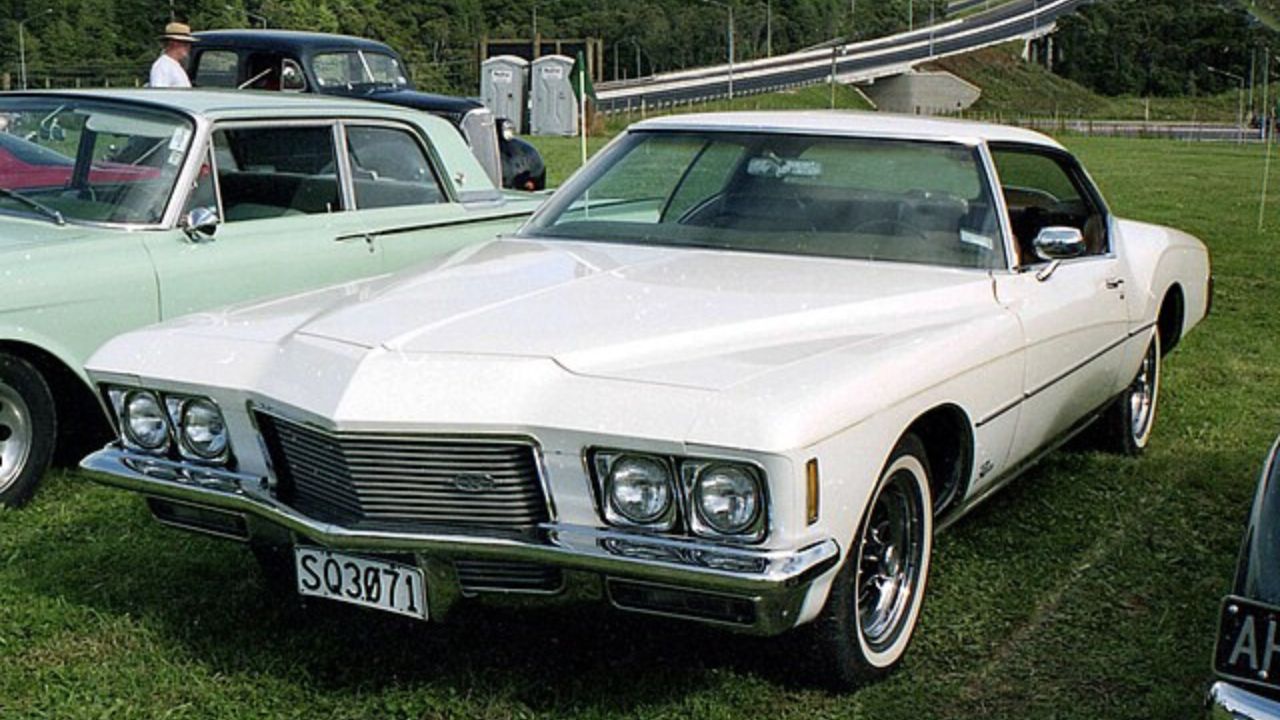
The Buick Riviera boattail turned up on American highways in 1971, and nothing else on the road looked like it. That fits the decade. Gas got expensive, speed limits came down, and yet Detroit kept building long, soft, wildly styled cars for the interstate.
Not all of them were fast, of course. Most were happiest at a steady cruise with the air on and the radio up. However, the best ones gave a road trip its own character, from a pointed tail to an opera window or a velour bench seat.
These eight are our picks for the American cars that made 1970s highways memorable. The choices and verdicts are our opinion. We leaned toward cars that looked and felt like nothing else of their time, and the facts behind them come from model histories, period figures and market reports.
1. 1971 Buick Riviera Boattail
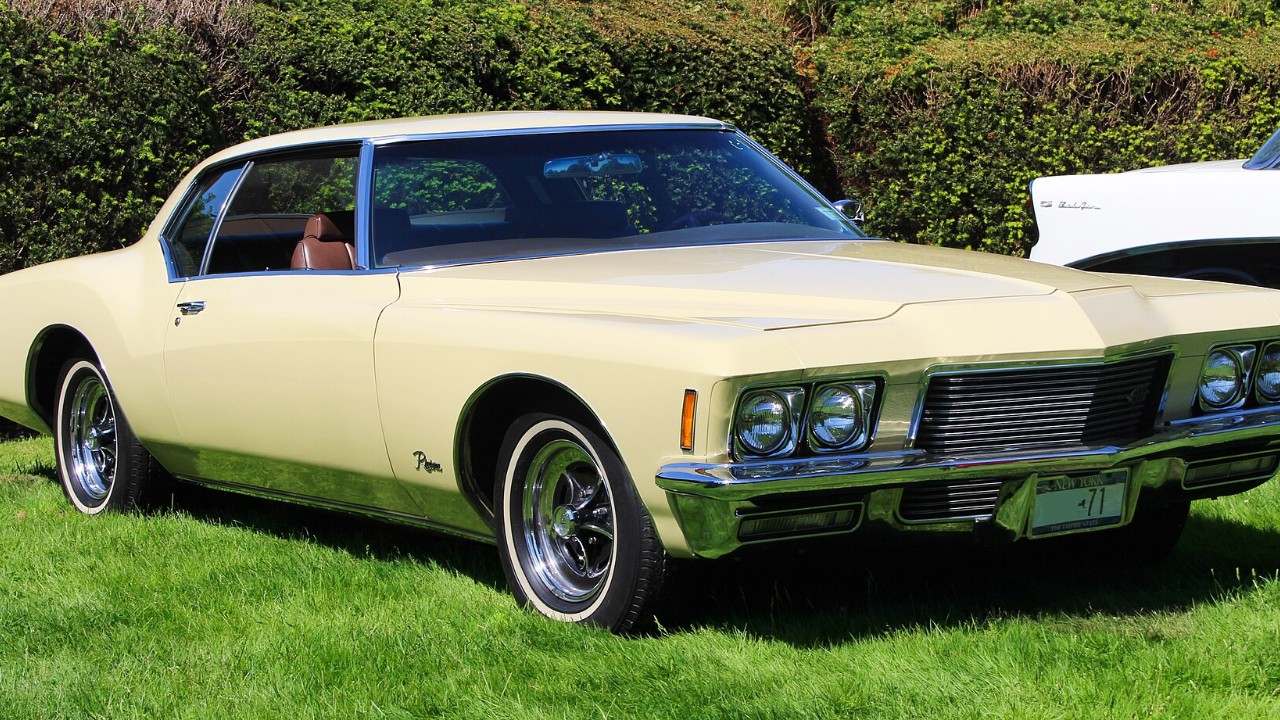
The 1971 Riviera began as a concept by Don DaHarsh, and Jerry Hirshberg’s Buick studio then refined it. GM styling chief Bill Mitchell set the direction. According to Ate Up With Motor’s model history, the car ran 217.4 inches long on a 122-inch wheelbase. Its standard 455 V8 made 315 gross or 255 net horsepower, while the GS option raised that to 330 gross. Buick also offered an early electronic traction system called Max Trac, listed at $91.57 when it launched.
Buyers didn’t rush in at first, because first-year sales fell about 10% from 1970. Then Buick dropped the boattail look after 1973. Today, though, the market sees it differently. In one Hagerty market report, the 1971–73 Riviera scored a Hagerty Vehicle Rating of 92, with values at an all-time high when it was written.
Our take: no car of the decade looked better from behind on an open highway. The curved rear glass and pointed tail recall the Mid-Year Corvette, yet the Buick Riviera boattail is a full-size cruiser. If you want the full story of the restyle, our earlier piece on why the 1971 Riviera changed so dramatically covers it.
2. 1973 Mercury Cougar XR-7 Convertible
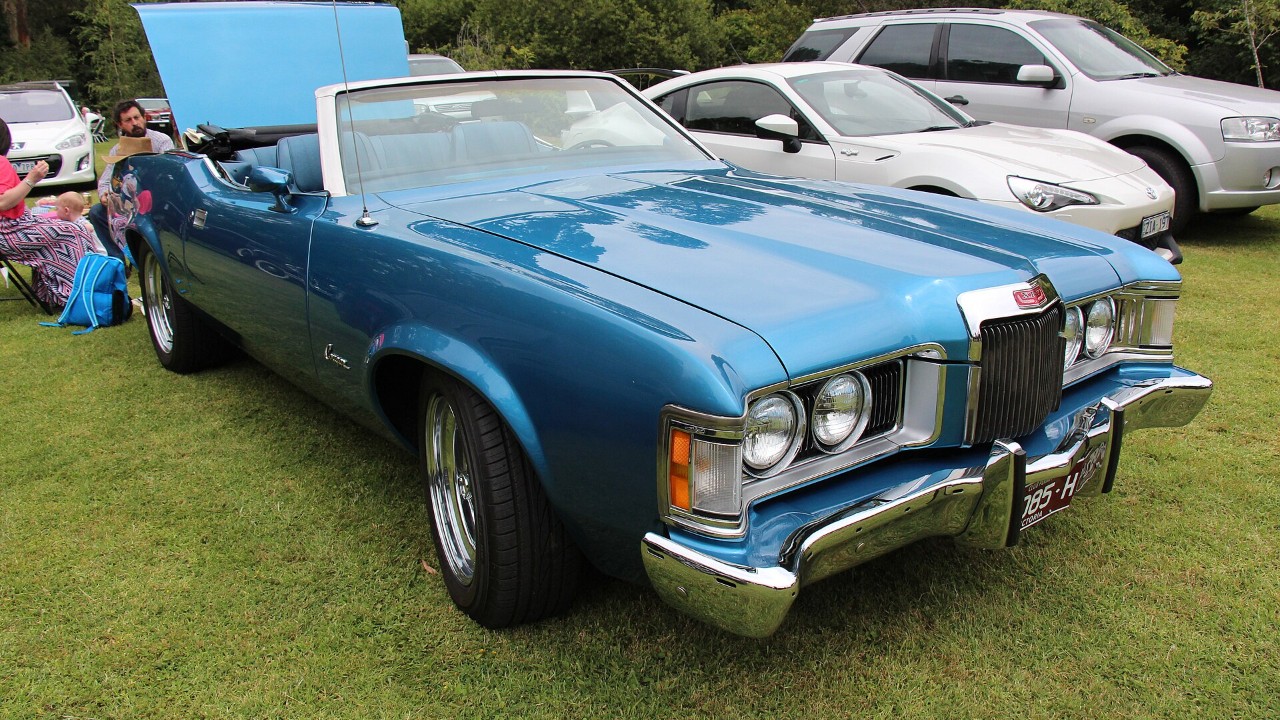
For 1973, the Cougar was a Mustang underneath for the last time. It was also the last Cougar sold with a factory convertible top. According to Curbside Classic, Mercury built 4,449 Cougar convertibles that year, more than in either 1971 or 1972.
The standard engine was a 168-horsepower 351 two-barrel. Meanwhile, the optional 351 Cobra Jet four-barrel made 264 horsepower with dual exhausts. On that car, the XR-7 package added $177 to the sticker. For 1974, the Cougar moved to the bigger Torino and Montego platform, so the open Mustang-based car was gone. Of all 1973 Cougars, 3,288 had the Cobra Jet engine, and just 78 of the four-speed CJ cars were convertibles.
In our view, this is the right Cougar for a summer highway. It has the upscale feel of a small luxury car, plus a top that folds away. Mercury’s upscale pitch dates back to the original, as our look at how the 1967 Cougar set itself apart from the Mustang explains. The 1973 convertible was the last chapter of that idea with the sun on your shoulders.
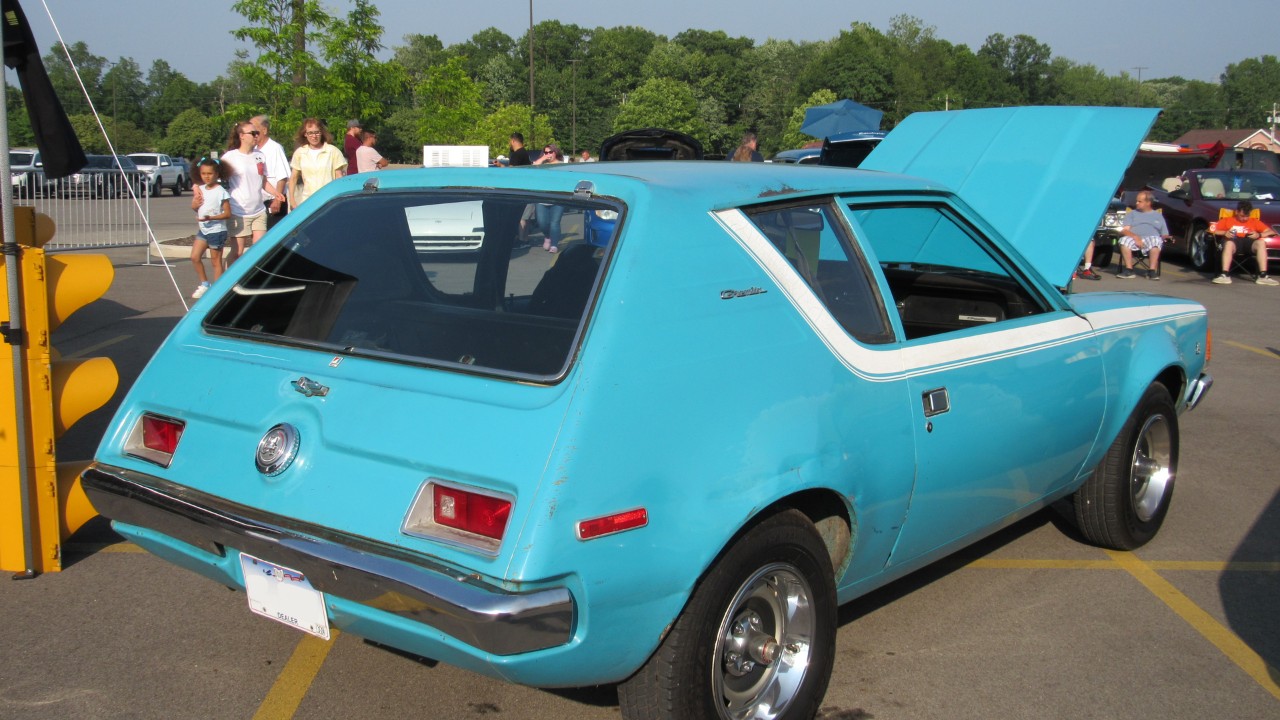
3. 1974 AMC Matador Oleg Cassini Coupe
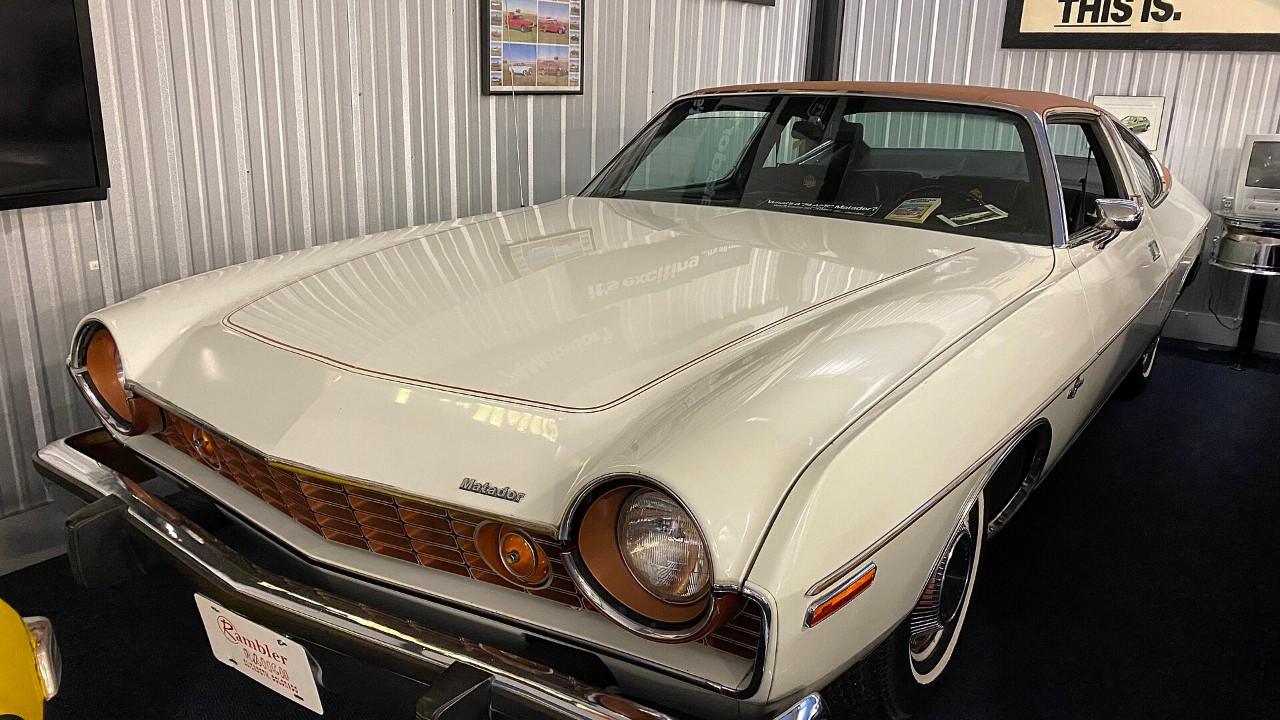
AMC launched the Matador coupe in September 1973 in base, sporty X and premium Brougham form. Then it added an Oleg Cassini package, named for the fashion designer, to dress up the cabin. The car’s swoopy shape got noticed fast. According to Mac’s Motor City Garage, Car and Driver put it on its November 1973 cover and called it “1974’s Best Styled Car.”
The coupe also went racing. In fact, Roger Penske’s NASCAR team switched to the Matador body for 1974, and Bobby Allison won three races in a Matador in 1975. Sales told a harder story, however. AMC delivered more than 62,000 coupes in 1974, then barely 2,000 in 1978, its final year. Under the hood, buyers could choose 232 or 258 sixes or 304, 360 and 401 V8s. However, AMC never offered a four-speed manual.
Our take: the Cassini coupe is the most stylish thing AMC sold in the 1970s, and almost nobody remembers it. That shape made it look like nothing else in a motel parking lot. If one ever appears at a show, give it a long look.
4. 1972 Ford Gran Torino Sport
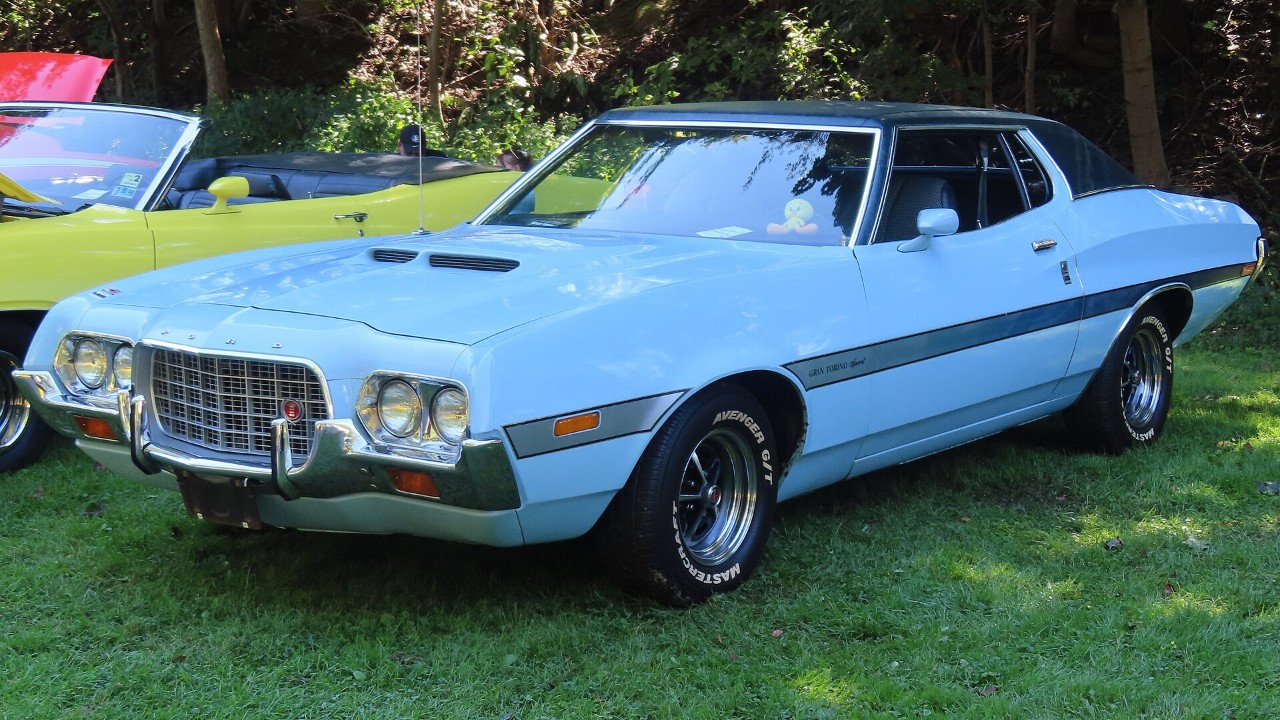
Ford gave the Torino a major restyle for 1972. The “Coke-bottle” hips grew more pronounced, and the fastback roof dropped very low. Underneath, a new four-link rear suspension with coil springs replaced the old setup. According to Hagerty, the Gran Torino Sport came with a 302 V8 rated at 140 horsepower.
That number looks small, but 1972 was the first year of SAE net ratings. Buyers who wanted more could step up to 351 Cleveland V8s rated at 163 or 248 horsepower. A 400 Cleveland and a 429 were also on the list. As a result, a Sport could be a gentle cruiser or a real highway runner, depending on the order form. That range is a big part of the car’s appeal now.
In our view, the 1972 Sport is the Torino that best captures the decade. It had a long hood, a wide grille and a roofline that seemed to slope forever. Our roundup of Torinos that showed what Ford could build covers the earlier performance cars. This one, by contrast, is the Torino you’d pick for a Saturday drive on a two-lane state road.
5. 1975 Pontiac Grand Ville Brougham Convertible
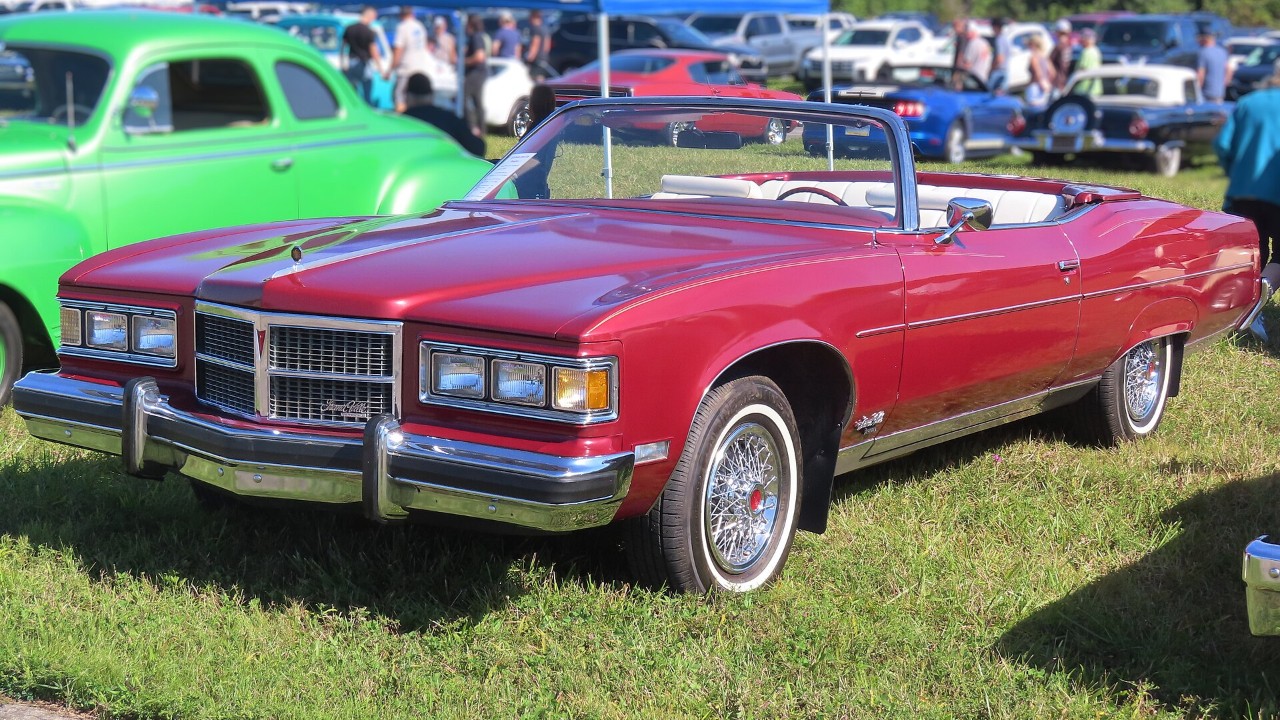
Pontiac introduced the Grand Ville in 1971, and 1975 turned out to be its last year. Standard power was a four-barrel 400 V8, and a four-barrel 455 was optional. According to Hagerty’s Klockau Classics, Pontiac built 4,519 Grand Ville convertibles for 1975, alongside 7,447 coupes and 15,686 four-door hardtops.
That same Hagerty piece calls the topless Grand Ville the last full-size Pontiac convertible ever built. So this is where the brand’s tradition of big open cars ends. After that, buyers who wanted a Pontiac convertible had to wait for smaller cars years later. For scale, the 1975 Grand Ville coupe listed at $5,729 and weighed 4,404 pounds.
Our take: few things say 1970s America like a huge Pontiac with the top down on a warm interstate. It rides softly and soaks up long miles. With a 455 under the hood, it also has enough torque to pass a truck without drama. If you find one, it is a big car for a big trip, and that is the whole point. We’d pay extra for a 455 car with a clean, well-fitted top.
6. 1978 Mercury Marquis Brougham
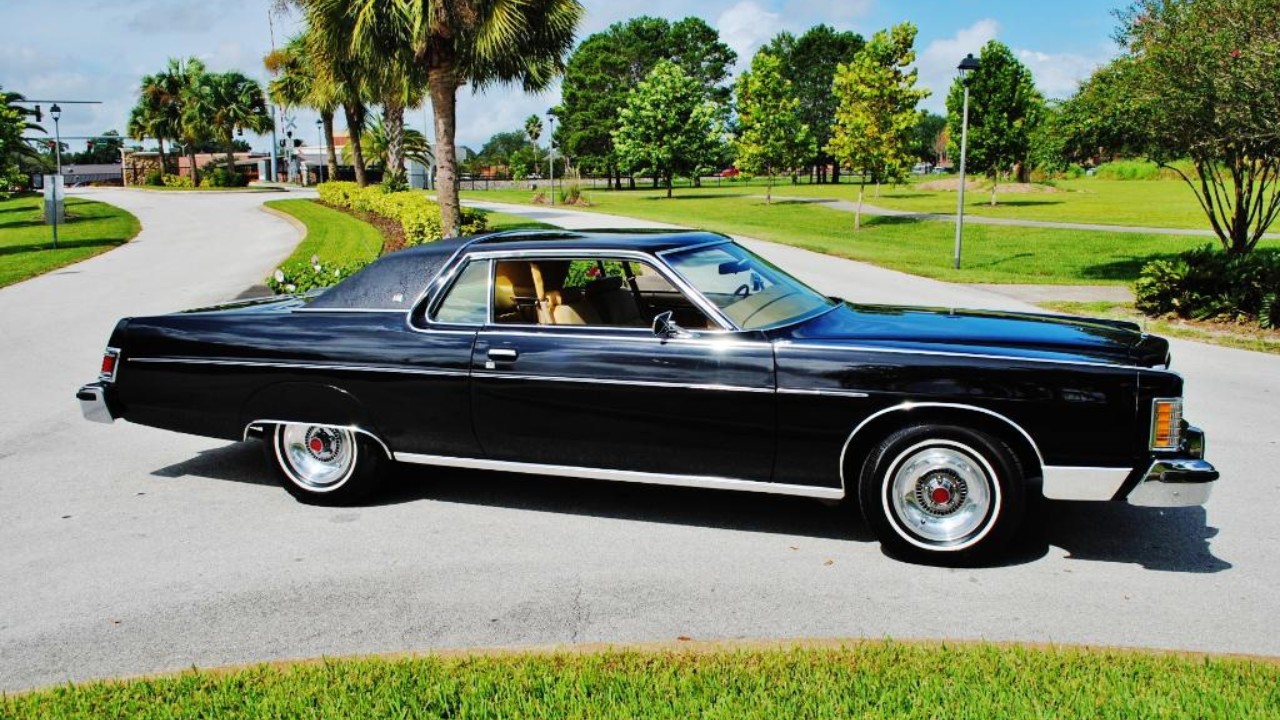
The 1978 Marquis was the last of Mercury’s truly giant sedans before the downsizing. For 1979, it moved to the smaller Panther chassis. According to a Curbside Classic outtake at The Truth About Cars, the standard 351 V8 made 144 horsepower. An optional 400 made 160, and the big 460 made 202.
Those numbers tell you this car was never about speed. Instead, the Marquis Brougham was about quiet, space and a ride that floated over expansion joints. The same piece works out a power-to-weight ratio of about 31 pounds per horsepower for the 460 car, which shows how much metal it carried. So the Marquis rewarded a relaxed right foot and a long, straight road.
In our view, the Marquis Brougham is the definitive 1970s highway barge. It had a long hood and a back seat sized like a living-room couch. Nobody bought one to win a drag race. They bought one to cross three states in comfort, and it did that well. If you want one, we’d look for the 400 or 460 cars. The extra torque makes highway passing far less of a chore.
7. 1976 Dodge Aspen R/T
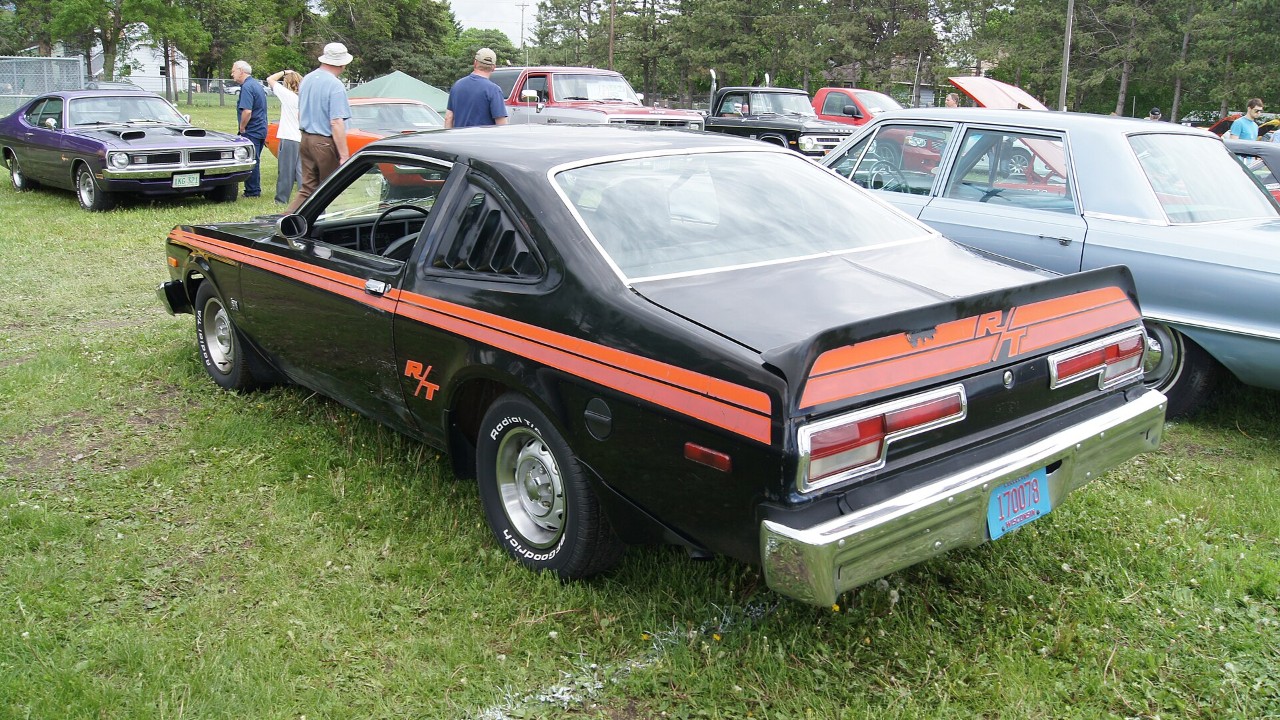
Dodge introduced the Aspen and its Plymouth Volare twin for 1976 to replace the Dart and Valiant. Then it added a sporty R/T version for the two-door. According to Barn Finds, the R/T used a 318 V8 rated at 166 net horsepower, and a 360 with a two- or four-barrel carb was also available. Buyers could also choose a spoilered R/T Super Pak.
The same report notes a downside. Recalls became a commonplace part of Aspen ownership. Even so, the R/T stood out on a highway full of beige compacts because it wore stripes, bold colors and bucket seats. For a young buyer in 1976, it was one of the few new cars that still promised some fun.
Our take: the Aspen R/T was a muscle car in spirit at a time when most of them had vanished. A 360 four-barrel car is the one we’d want, since it gives the stripes some pull to match. Even in 318 form, though, it was the most interesting compact Dodge sold that year. If you shop for one today, ask for the recall paperwork and check the body for rust, as you would on any 1970s car.
8. 1978 Chrysler New Yorker Brougham
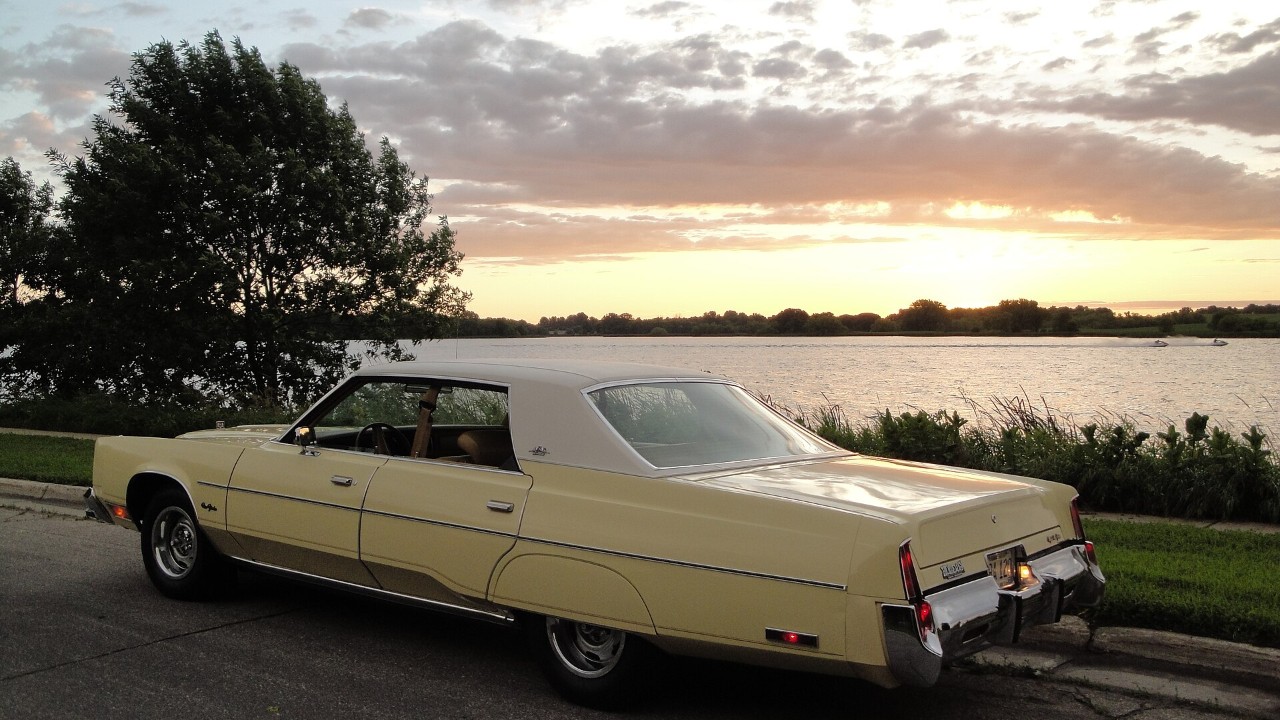
The 1978 New Yorker Brougham was the last of Chrysler’s massive C-body cars. According to Mac’s Motor City Garage, it stretched 231 inches on a 124-inch wheelbase and was nearly 80 inches wide. A 400 big-block was standard, with a 440 optional. Chrysler offered just two body styles, a hardtop coupe and a hardtop sedan.
Buyers paid for the size. The New Yorker listed at $7,831, against $5,888 for the Newport, a 33 percent gap. Also, 1978 was the final year of Chrysler’s big-block V8s, so this sedan closed an era that began with the muscle cars of the 1960s. Even with that price gap, the New Yorker outsold the Newport by a fair margin, the same report says.
In our view, this is the last true land yacht Chrysler ever built. It’s quiet, heavy and comfortable, and it feels like a private railroad car on the interstate. If you shop for one, a car with the optional 440 is the one to hunt. That makes it the right car to close this list, since 1978 was the year the big-block Chrysler V8 left production.
More from Fast Lane Only