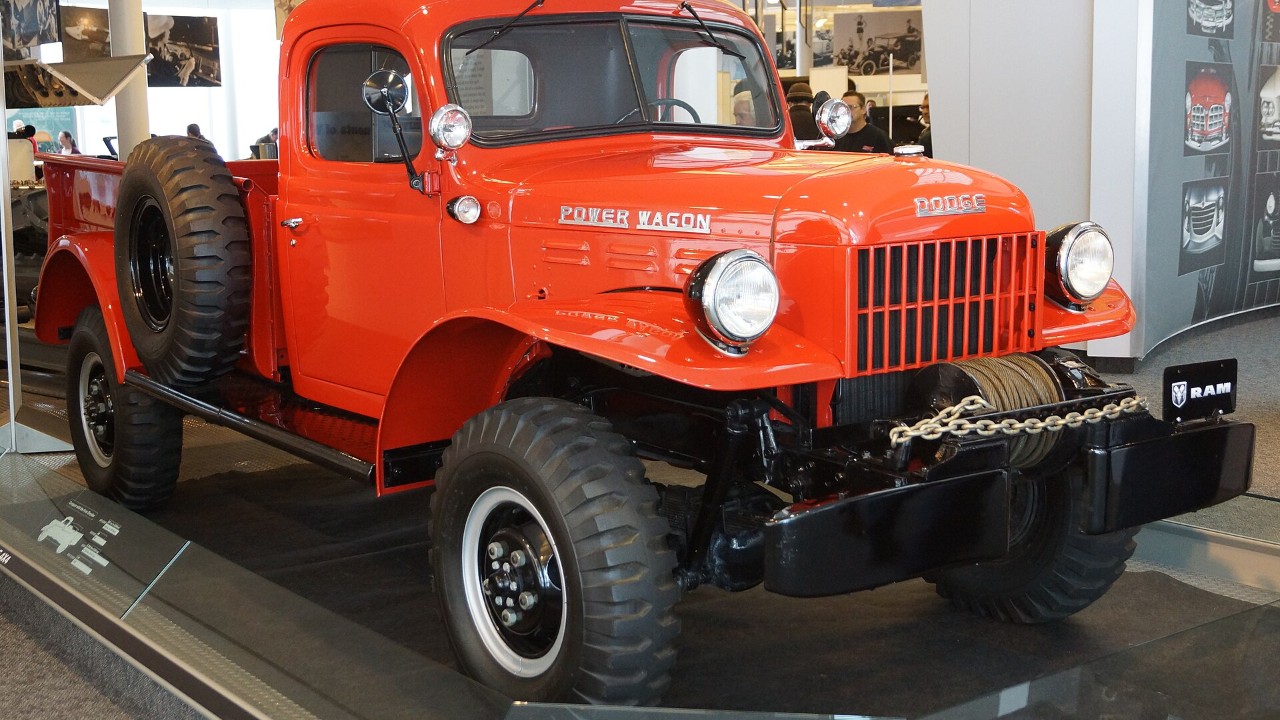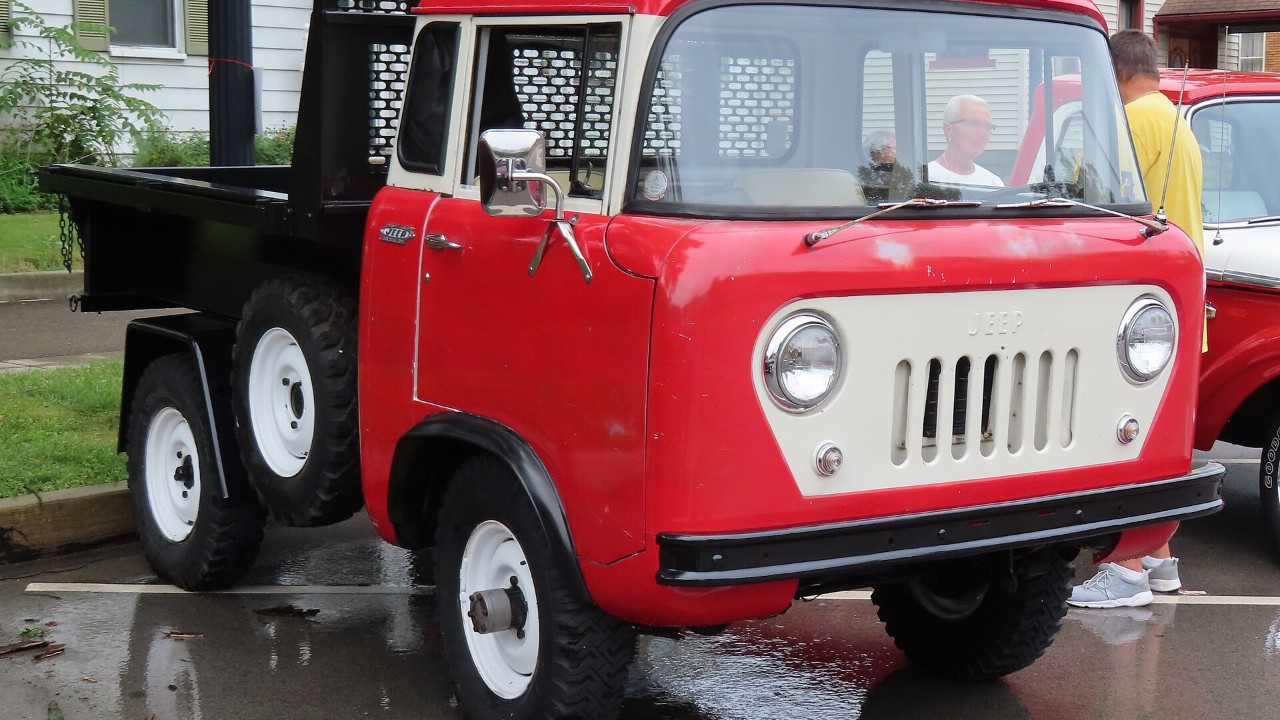
The Willys FC-150 put a cab right on top of the engine of a CJ-5, and the idea caught on fast. Willys sold more than 9,500 Forward Control trucks in their first model year, 1957. That is a lot for a pickup that looked like nothing else on the road.
Most people know Willys for one thing: the Jeep. But the company also built farm machines, compact sedans, a budget hardtop and a cab-over work truck. Some of those vehicles sold well, while others vanished within a few years. Nearly all of them get overlooked next to the wartime Jeep.
These six are our picks for the Willys models we’d rank above the rest, and the ranking is our opinion. The production figures, engines and prices behind each choice come from automotive historians, enthusiast magazines and history sites.
1. 1951–1953 Willys CJ-3A Farm Jeep
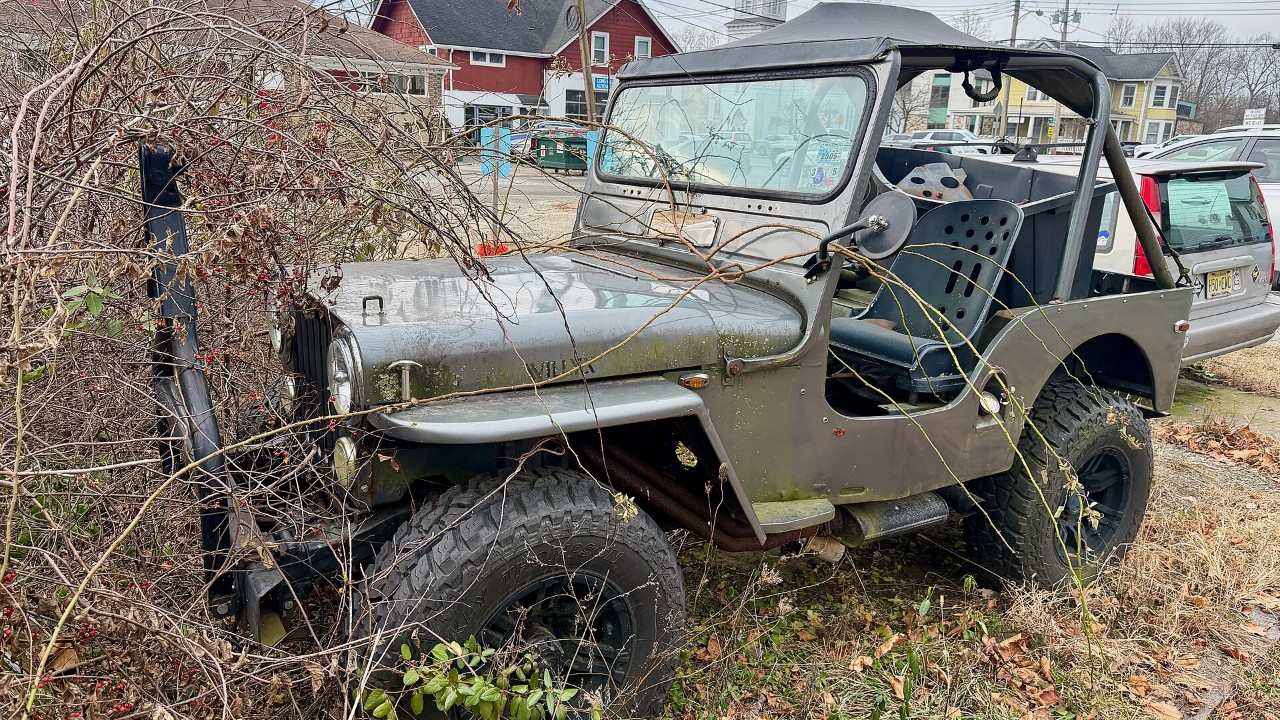
Willys pitched the Farm Jeep as a light truck and a tractor in one. According to RPM Canada, the package came with a factory hydraulic lift, a drawbar, driveshaft guards, heavy-duty springs and a belt-driven governor. A power take-off was optional, and the Jeep Tractor version made it standard.
The numbers were real farm numbers. Testing recorded a maximum of 35.23 belt horsepower and 25.40 drawbar horsepower. Meanwhile, the 1953 brochure promoted row-crop work with a rotary hoe, covering 40 to 60 acres a day at up to 12 mph. It also claimed the Jeep was more comfortable than a regular tractor.
The history is murkier than the brochure, though. Farm Jeeps were offered on 1951-and-later CJ-3A and CJ-3B models, but factory records show none built in 1951 or 1952, even though one CJ-3A Farm Jeep has turned up. Our take: a Jeep that could plow a field and drive to town is Willys at its most practical. We’ve ranked 17 Willys vehicles built to outlast everything else before, and this one would top our list. If you find one, ask for paperwork, because many Jeeps were later converted with aftermarket farm equipment.
2. 1957 Willys FC-150
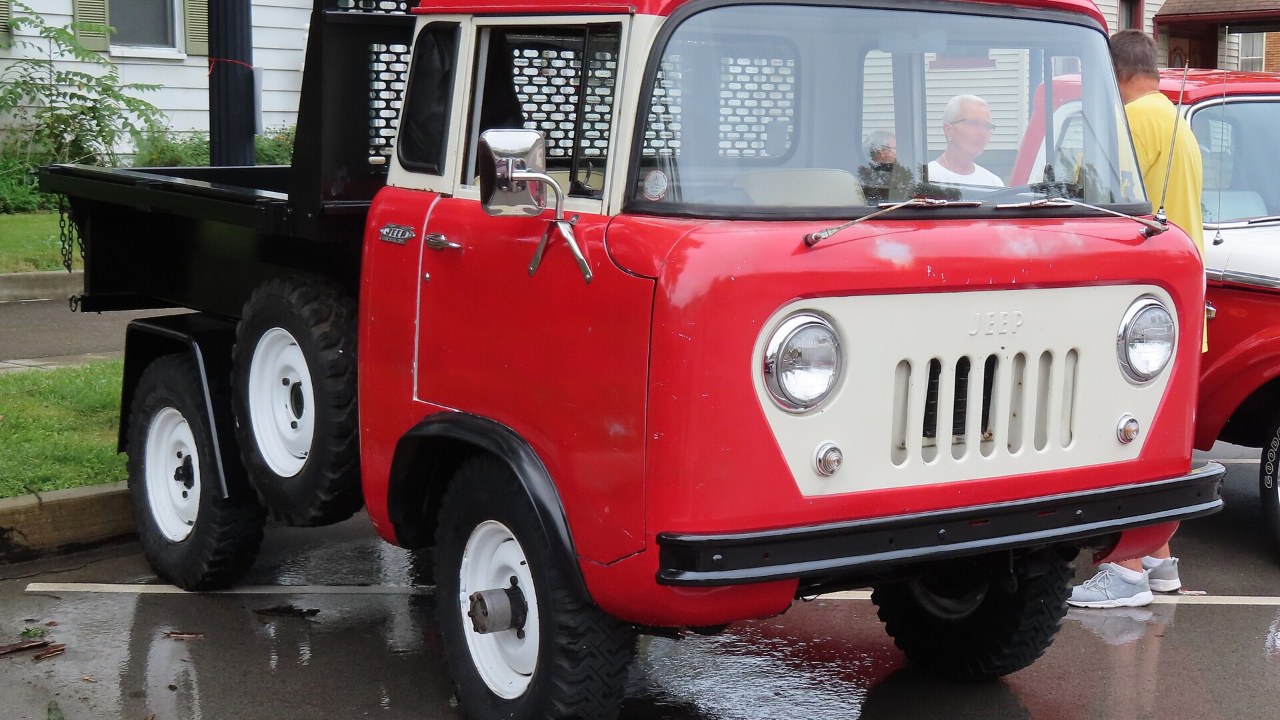
The Willys FC-150 was a cab-over-engine version of the CJ-5, and it made a tiny Jeep into a real work truck. According to Mac’s Motor City Garage, it rode on an 81-inch wheelbase with a Hurricane four-cylinder engine and Jeep four-wheel drive. Even so, it carried a 6.5-foot bed in a truck just 147 inches long.
The design came together quickly. Willys introduced the Forward Control line in December 1956, and its cab was reportedly, though never officially, the work of Brooks Stevens. For 1958, Willys widened the track from 49 inches to 57 inches, which made the tall, short truck more stable. Stevens also built three prototypes of an executive van on the FC chassis, but none reached production.
Sales started strong, then faded. More than 9,500 FC trucks sold in the first model year, but volume soon fell to a few thousand a year. In our view, the Willys FC-150 deserves the top tier because it squeezed a full-size bed onto a Jeep-size footprint. To us, it ranks among the cleverest packaging tricks of the 1950s. If you’re shopping, expect most survivors to need work, since these were working trucks first.
3. 1957–1965 Willys FC-170
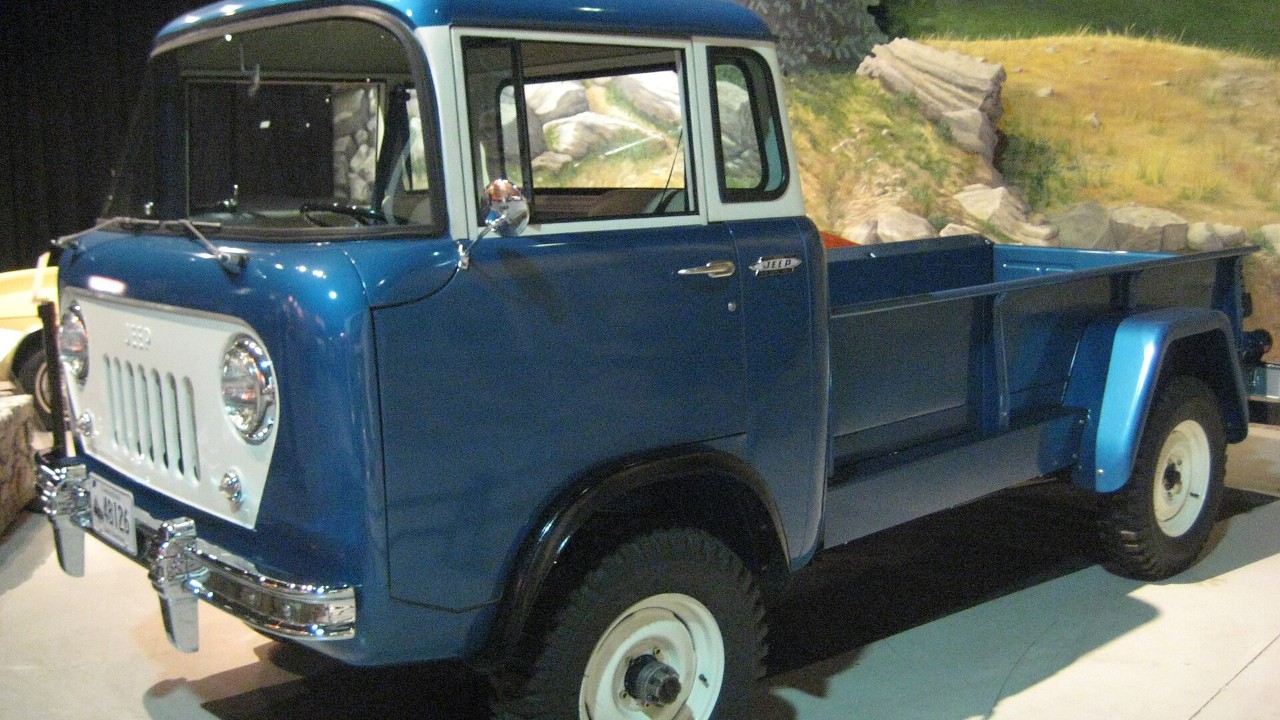
The FC-170 was the bigger brother, and it was the more useful truck for many buyers. Mac’s Motor City Garage lists a 103-inch wheelbase, a six-cylinder engine and an 8-foot cargo bed. That extra length turned the Forward Control idea into a proper commercial pickup.
Willys then pushed it further. A heavy-duty FC-170 DRW version used a dual rear axle for the upfitter market. There were also military versions, including ambulances and reconnaissance vehicles. Willys even proposed V8 versions, the FC-180 and FC-190 with Ford’s Y-block engine, though neither reached volume production. The Jeep’s military story runs deep, and we covered it in 8 Willys Jeeps the military trusted for decades.
The design also outlived its American run. Kaiser Jeep dropped the FC line after the 1965 model year, but the design was licensed to VIASA in Spain and to Mahindra in India. As a result, production in India continued long after American buyers had moved on. About 30,000 Forward Control trucks were built in total. Our take: the FC-170 is the Willys we’d pick if we needed one to work every day.
4. 1952 Willys Aero-Eagle
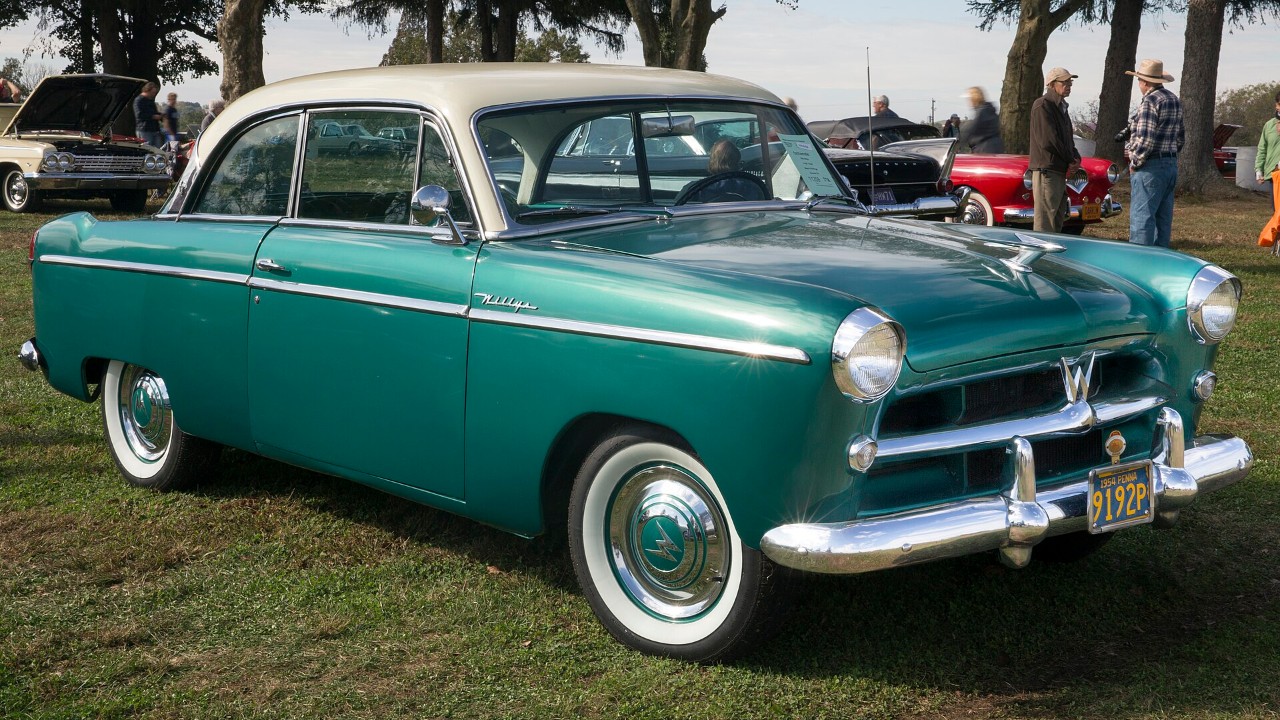
The Aero line brought Willys back to passenger cars for the 1952 model year. According to automotive historian Kit Foster, Phil Wright styled the cars and engineer Clyde Paton worked on them. The result was a small unibody car on a 108-inch wheelbase.
The Eagle was the top of that line. Willys added it in mid-1952 as a hardtop coupe with an upmarket interior. The Aero range used a 161-cubic-inch six, with an L-head version in the Lark and an F-head version in the Wing and Ace. Foster notes that the Aero was cheaper than Nash’s Rambler but less well appointed. Later, for 1955, Willys renamed the hardtop Bermuda, which is where our next pick comes in.
In our view, the Aero-Eagle was a smart, modern compact that deserved a longer American run. Instead, it didn’t last long at home. Still, its story didn’t end there, because the Aero’s dies later went to Brazil. There, with new Brooks Stevens sheet metal, production continued until 1972. That is a long second life for a car most Americans have forgotten.
5. 1955 Willys Bermuda
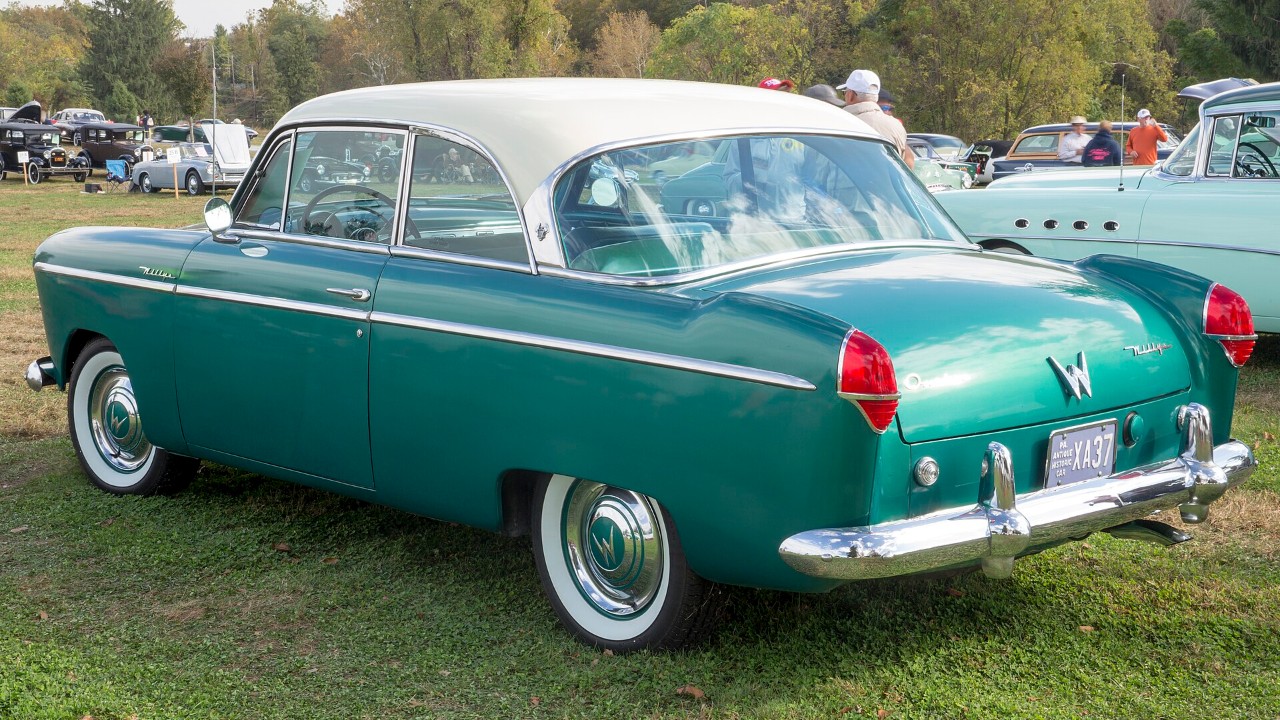
The Bermuda was the Aero hardtop under a new name, and it was the last chapter of the Willys car in America. According to Mac’s Motor City Garage, Willys renamed the Aero for 1955 and gave it a bigger engine. The new standard engine was Kaiser’s 226-cubic-inch L-head six, rated at 115 hp, instead of the 90-hp Willys F-head six.
The timing was rough. Kaiser had bought Willys-Overland in 1953 in a deal worth around $60 million, and car sales were falling fast. Willys built about 12,000 cars in 1954 but fewer than 6,000 in 1955, including 2,215 Bermudas. In response, Willys cut the price from $1,895 to $1,795 and advertised it as “the lowest-priced hardtop in America.”
It didn’t help. Willys left the passenger car business at the end of the 1955 model year to focus on Jeep-based models. Our take: a cheap, well-styled hardtop with a bigger six deserved a better shot than one short model year. With only 2,215 built, the Bermuda is a rare sight at any car show today.
6. 1941 Willys Americar
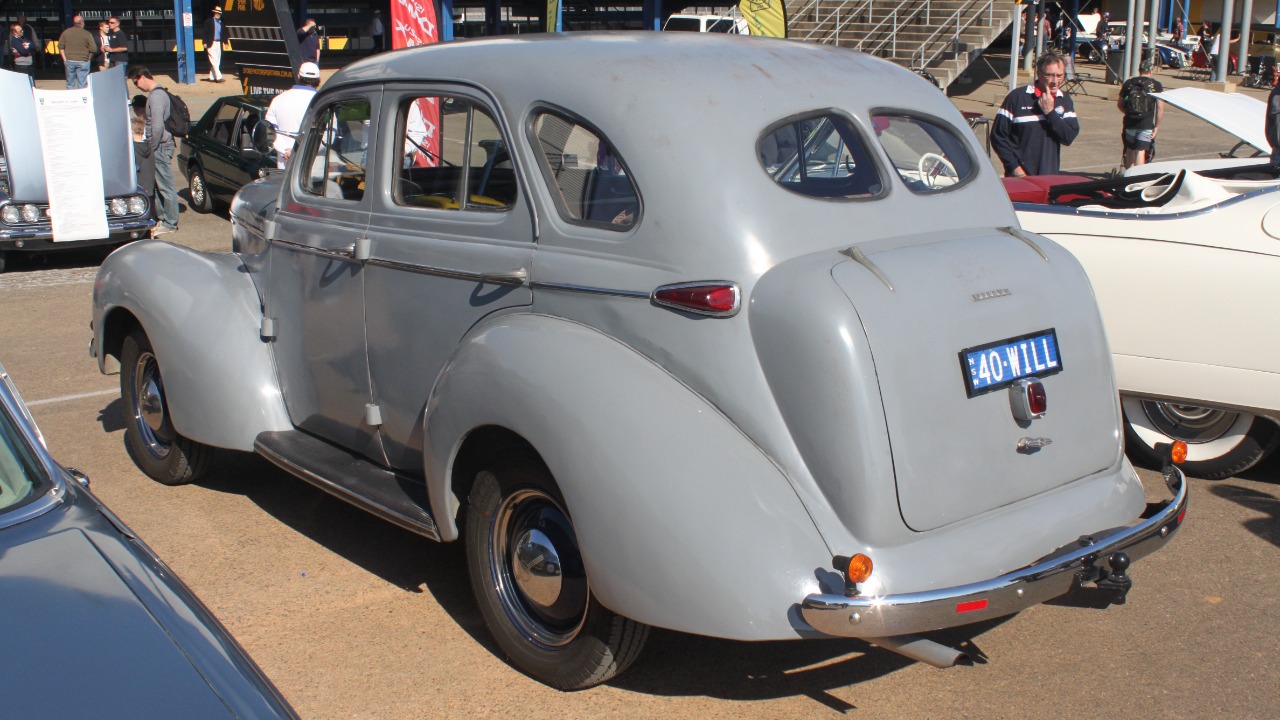
Willys launched the Americar for the 1941 model year, shortly before the United States entered World War II. According to Street Muscle, Joseph Frazer pushed the struggling company toward a cheap, modern-looking compact. It came with a 2.4-liter Go-Devil four rated at 66.5 horsepower.
Early cars even had a Ford-like look. However, that engine wasn’t enough for many owners, so they swapped in V8s. Because the car was cheap and light, it became a favorite base for hot rods and drag cars. Stone, Woods and Cook raced a Willys gasser called Swindler II in NHRA competition, and the team built more Willys gassers in the 1960s.
The most famous may be Big John Mazmanian’s car. He bought his ’41 Willys in 1964 and installed a 392 Chrysler Hemi. Racing in A/Gas, it ran 149 mph with a 9.77-second elapsed time. In our view, no other Willys car had a second career quite like that. The plain Americar became one of drag racing’s best-known shapes, and Mazmanian’s 9.77-second pass is the proof. If you want one today, decide early whether you’re after a stock four-cylinder survivor or a gasser, because they are very different cars to own.
More from Fast Lane Only