For decades, Dodge built its reputation on loud, unapologetic muscle cars that treated subtlety as a design flaw. Now the brand is pivoting into a future of electrified coupes and corporate platform sharing, while its old truck identity lives on under a different badge. The result is a company that talks a big game about heritage but increasingly feels like a feeder brand for a larger truck empire rather than the keeper of American muscle.
From muscle icon to corporate puzzle piece
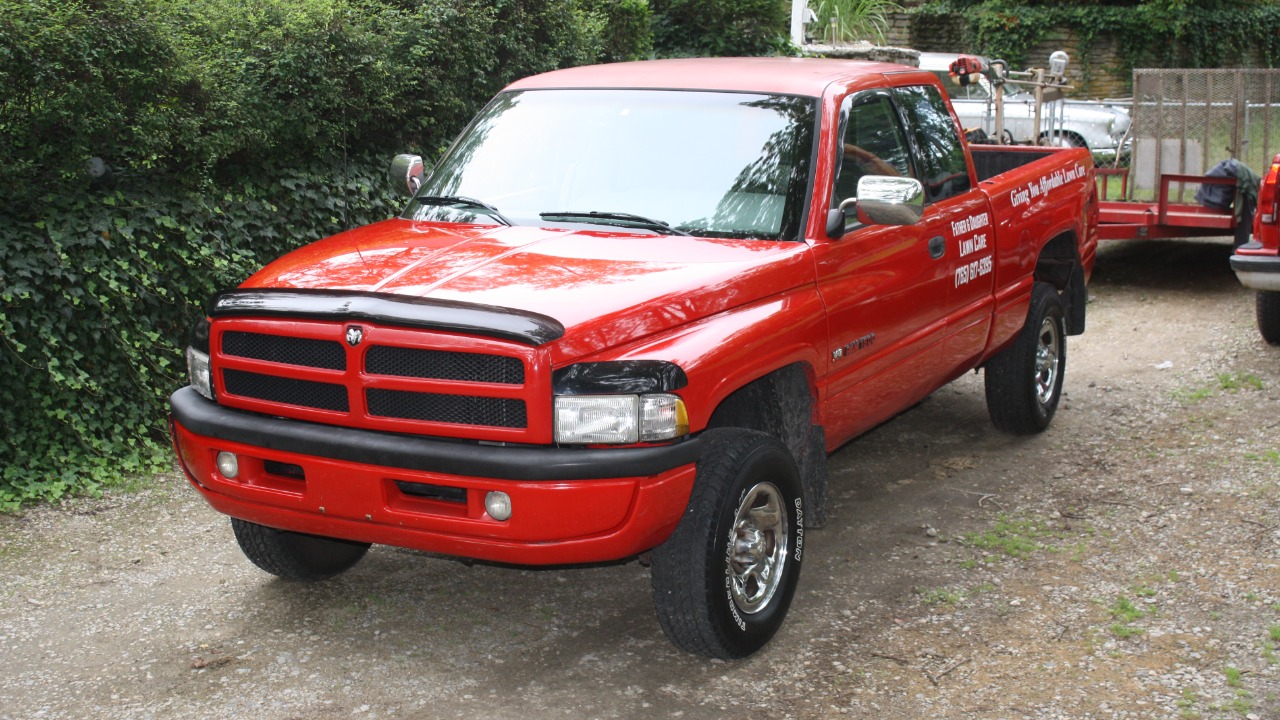
Dodge did not wake up one morning and decide to be a truck brand, yet the path that led here started when its pickups were peeled away and rebadged as Ram. The split of Dodge and Ram was framed as a way to sharpen each brand’s mission, with Chrysler reorganizing so that Ram could focus on trucks and commercial vehicles while Dodge leaned into performance. That restructuring carved out a dedicated truck division, but it also left Dodge without the workhorse products that once grounded its lineup in everyday utility.
Today, Ram sits inside Stellantis as a standalone truck specialist, while Dodge is one of several passenger car and SUV badges under the same corporate roof. Stellantis is described as the parent that owns Ram Trucks, a former Dodge nameplate that was spun off to compete more aggressively in pickups. That corporate chess move might make sense on a balance sheet, but for enthusiasts it blurred where Dodge ends and Ram begins, and it set the stage for Dodge to chase identity in a shrinking corner of the market while its truck DNA was monetized elsewhere.
Ram grows into the star, Dodge fades into the background
Inside Stellantis, the gravitational pull has clearly shifted toward trucks. Coverage of the Detroit show notes that Stellantis is reorienting its strategy around what customers want, and the brand singled out as the clearest expression of that shift is Ram. In that context, Dodge looks less like a coequal partner and more like a supporting act, feeding performance cues and powertrain tech into a truck lineup that is now the corporate headliner.
The way Stellantis promotes its presence at major events reinforces that hierarchy. When Stellantis Releases Vehicle, the Dodge Brand is one of several nameplates sharing the stage, while Ram is framed as the emblem of the company’s new playbook. At the Detroit Auto Show, Dodge is present, but the narrative energy is increasingly wrapped around Ram’s trucks and their role in the portfolio, which leaves Dodge’s muscle heritage feeling like a nostalgic garnish on a truck-centric meal.
The Charger tries to carry a whole legacy on its own
With trucks gone to Ram, Dodge has tried to pour all of its attitude into the Charger, turning one nameplate into a symbol for the entire brand. The official materials for the 2026 Charger describe a car that is meant to be the world’s most powerful muscle machine, and the Dodge Charger Daytona Scat Pack is touted with electrified performance figures of 670 horsepower and 627 pound-feet of torque. Those numbers are staggering on paper, and they show that Dodge still knows how to engineer speed, but they also highlight how much of the brand’s identity now rests on a single halo product.
The company has tried to broaden that halo with a multi-energy strategy built around the Charger name. In corporate communications, Dodge Charger Dominates is the phrase attached to a SIXPACK powered model that leads a multi-energy Lineup and secures a North American Car of the Year Victory. That kind of award hardware is impressive, yet it also underlines the imbalance: while Ram spreads its identity across a full range of pickups, Dodge is increasingly defined by how many variants of one Charger it can spin up, from the Dodge Charger Daytona Scat Pack to the SIXPACK configurations that now carry the performance banner.
Electric muscle stumbles while trucks roar back
Dodge’s attempt to reinvent muscle as electric has not gone smoothly, and the company has already started trimming its ambitions. Reporting on the first wave of battery powered performance notes that Due to a continuing trend of poor sales numbers, Dodge has decided not to bring back the R/T version for the 2026 model year, with the company only leaving the door open to that trim returning at some point in the future. That is a remarkable retreat for a brand that once sold out limited run V8s in minutes, and it suggests that the market for silent, heavy electric muscle is not as deep as the marketing decks promised.
The company has also been forced to recalibrate specific models as it feels out demand. One video analysis describes Dodge changing course by canceling the 2026 Dod Charger Daytona R/T EV, a move that signals how quickly plans can shift when early adopters do not show up in expected numbers. Another enthusiast comparison pits different Scat Pack variants against each other to see which is quicker, underscoring how much of the conversation around Dodge has narrowed to drag strip bragging rights while the broader product strategy wobbles. In the same period, Ram is preparing to bring back The Ram TRX with a 6.2L OHV Supercharged V8 Hellcat engine, as teased in an announcement that describes how The Ram TRX is back from the dead with more muscle, which only sharpens the contrast between a truck brand doubling down on combustion drama and a car brand hedging its bets.
Heritage messaging collides with real product decisions
On the surface, Dodge still talks like the keeper of old school performance, but its actual decisions tell a more conflicted story. The company has publicly confirmed that American automobile company Dodge is discontinuing production of its widely popular gas powered muscle cars, a move that effectively ends the era of the classic Challenger and Charger V8s that built its modern image. At the same time, the brand insists it is not walking away from performance, with one analysis noting that Dodge is not abandoning its move toward electrification and Instead appears to be considering a dual path that could even include HEMI V8 power returning in some form. That kind of hedging keeps options open, but it also muddies the message about what the brand actually stands for.
Meanwhile, Dodge is padding its lineup with performance flavored SUVs and special editions that feel more like marketing exercises than clear statements of purpose. Over the summer, Dodge announced additions to its 2026 muscle car lineup on a Friday, including the 2026 Dodge Durango SRT Hell variant that stretches the muscle label onto a three row SUV. At the Detroit Auto Show, the Dodge Brand is listed among the Stellantis Releases Vehicle Lineup and Debuts for Detroit Auto, but the spotlight is shared with a growing cast of crossovers and trucks. In that environment, Dodge’s heritage pitch risks sounding like just another trim package, especially when the most visceral V8 theatrics are being reserved for Ram’s pickups.
More from Fast Lane Only