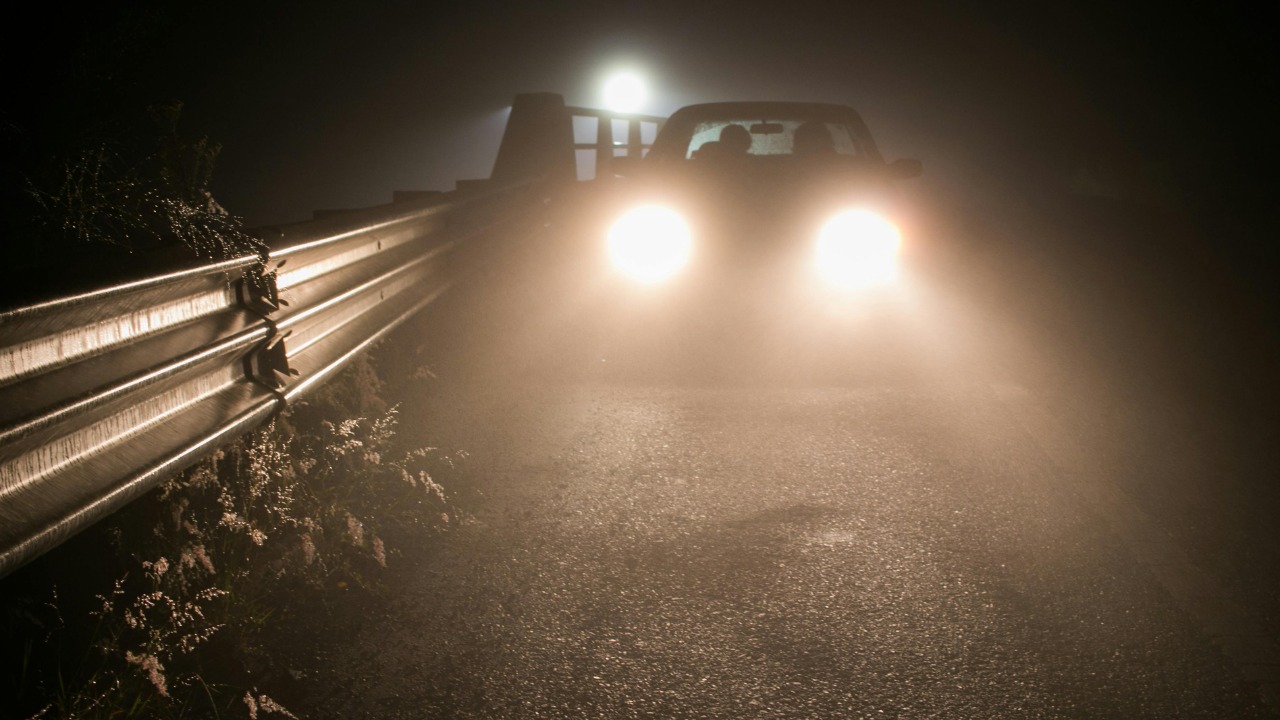
Headlight glare has quietly turned into one of the most stressful parts of modern driving, with powerful LEDs and towering SUVs turning ordinary commutes into eye‑watering obstacle courses. As complaints pile up, drivers are not just grumbling, they are experimenting with a wave of cheap, do‑it‑yourself tricks to claw back some control. I want to unpack the dashboard “hack” that is suddenly everywhere, look at what actually works, and separate satisfying revenge fantasies from strategies that genuinely keep you safer.
The blinding headlight problem that pushed drivers over the edge
Before anyone started talking about hacks, the frustration had already reached a boiling point. In the UK, research has found that dazzling car headlights are now a problem for 90 percent of drivers, a figure that reflects how quickly LED technology has outpaced the rules that were written for older halogen bulbs. One driver with high‑end Matrix headlights described how their own system can carve out dark patches around oncoming cars, which only sharpens the contrast when other vehicles blast straight, unfiltered beams into your lane.
The complaints are not just about discomfort, they are about safety and control. In one widely shared TV segment, drivers described being temporarily blinded by modern lamps and auxiliary light bars, with experts warning that the glare can feel like a “magic trick” that makes the road vanish in an instant, especially on wet asphalt and dark rural routes, and asking what drivers are supposed to do until regulators catch up with the technology blinding. When I talk to people about night driving now, the theme is the same: it is not just that lights are brighter, it is that they feel weaponized, as if every lifted pickup and crossover is aiming a spotlight straight into your retinas.
The viral dashboard mirror hack, explained
Into that frustration stepped a simple idea that has exploded across social feeds: use your own mirrors and dashboard to fight back. The version that caught fire involves tilting the interior rear‑view mirror and sometimes the side mirrors so that the worst of the glare lands on the top of the dashboard instead of directly in your eyes. Motoring specialists have pointed out that They warn that misaligned mirrors can actually bounce bright headlights straight into your face and make it harder for your eyes to focus, which is exactly what this hack tries to reverse by deliberately redirecting that light spill.
Parts suppliers have leaned into the trend, noting that the problem is especially acute with LED headlamps, which produce a harsher, bluer light that scatters more aggressively on dirty glass and mirrors. LKQ Euro Car Parts has highlighted that nearly a third, 28 percent, of drivers would support tighter rules on excessively bright lamps, and they pair that with advice to keep dashboards and windows spotless so that any light you do redirect off the dash does not bloom into a milky haze. The appeal of the hack is obvious: it costs nothing, it feels clever, and it gives you something to do besides silently fume behind the wheel.
From Facebook “pro tips” to full‑blown backlash
Social media has turned that sense of helplessness into a kind of crowdsourced resistance. In one trucking community, a driver named Pro shared a “pro tip” about how to counteract blinding headlights in the early morning or at night, describing how they adjust their position and mirrors when someone sits on their bumper with high beams blazing. Another member, Mar, chimed in to back up the idea that you do not have to just accept the glare, you can change how the light hits you, even if you cannot change what the other driver is doing.
In a separate discussion, a driver opened with “There are so many vehicles that have bright lights like this,” before describing how the glare hits them every morning at a stoplight on the way to work. The thread quickly filled with people swapping tactics, from adjusting mirrors to threatening to “come follow you big boy” if someone refuses to dip their beams. Reading through those comments, I can feel the shift from quiet annoyance to a kind of grassroots campaign, with drivers egging each other on to push back, even if that just means a subtle flick of the mirror rather than a full‑on confrontation.
What actually keeps you safer when the glare hits
As satisfying as it is to “strike back,” the first priority has to be keeping your eyes and brain calm enough to keep the car on the road. Vision experts recommend that when an oncoming car blinds you, you should Avert your gaze slightly to the right, using the lane markings and roadside edge as your guide instead of staring into the beam. The same guidance suggests you Use your car’s day‑night mirror setting, or the little lever on older mirrors, to dim the reflection from vehicles behind you, which is a built‑in version of the viral dashboard trick that does not require any creative contortions.
Insurance safety advice lines up with that approach, stressing that if you are suddenly blinded by oncoming headlights, you should Know to look slightly to the right side of the road and avoid jerking the wheel. I also pay attention to my own eyewear: optometrists remind drivers to Wear the correct prescription and avoid yellow “night driving” glasses that can actually reduce the light reaching your eyes. They also urge people to Keep up with eye exams so you are not blaming headlights for what is really an uncorrected vision problem.
Why revenge reflections are a bad idea
Alongside the dashboard hack, a darker trend has popped up: drivers trying to literally bounce the glare back at whoever is behind them. In one online thread, a user with the handle antibeamblaster asked for the “perfect method” to reflect headlight glare back at tailgaters, and another commenter replied that Adjusting your mirror to hit a target takes a lot of practice and suggested you Try with a handheld mirror and even the back of your car’s headrests. It reads half like a joke, half like a how‑to, but either way it underlines how tempting it is to turn a safety tool into a weapon.
I understand the impulse, yet every expert I have spoken to would put that firmly in the “do not try this” category. Eye specialists warn that some Polarized lenses can already create odd visual distortions through modern laminated glass, and adding unpredictable reflections on top of that is a recipe for misjudged distances. Driving instructors point out that you already have enough to manage when someone is tailgating you, from maintaining a steady speed to planning an escape route, without turning your cabin into a light lab. One instructor explains that You will often see an impatient driver in your mirror trying to position their car to overtake at the first gap, and that your job is to anticipate that move, not escalate the tension with a blinding flash of your own.
More from Fast Lane Only