Formula 1 looks like the world’s most extravagant science project, with teams burning through millions to shave thousandths of a second off a lap. Yet the same obsessive pursuit of speed and efficiency has quietly seeped into the cars we drive, the buses we board, even the hospitals that keep us alive. The sport’s “crazy tech” has become a kind of invisible operating system for modern life, hiding in plain sight in everything from supermarket fridges to plug-in hybrids.
When I trace the path from a race weekend to an everyday commute, I see a pattern repeat: F1 solves a brutal engineering problem under pressure, then that solution escapes the paddock and shows up in a far more ordinary setting. The journey is rarely glamorous, and it can take years, but the result is the same. What starts as a marginal gain for a driver becomes a quiet upgrade for the rest of us.
From pit lane to your driveway
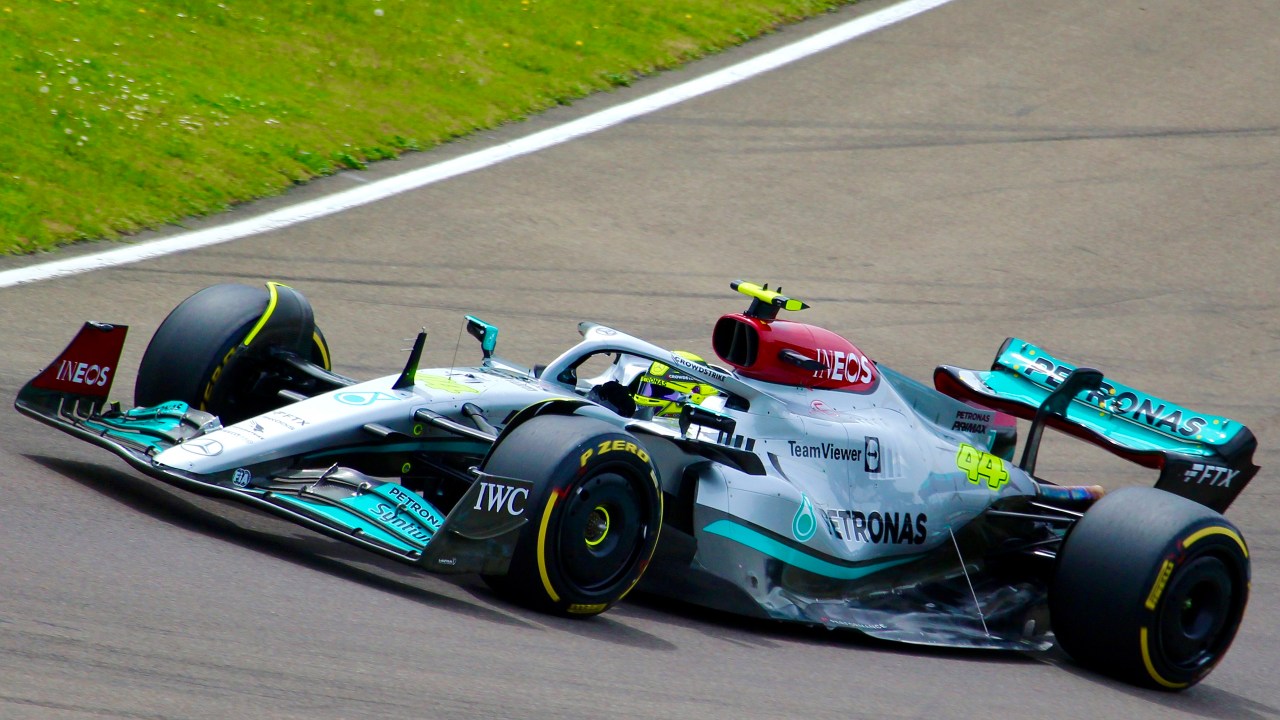
On race day, a modern Formula 1 car is a rolling experiment, a prototype that exists to be pushed to the edge and then torn apart for lessons. I think of them as “racing labs on wheels,” because every lap is a live test of new materials, new aerodynamics and new software that will never see a showroom in that raw form. Over time, though, those ideas are softened, standardized and eventually built into the family hatchbacks and SUVs that fill suburban streets, a process that turns exotic carbon fiber and intricate suspension geometry into everyday safety and comfort features.
The pipeline is especially clear in the way How Formula 1 teams treat their cars as Racing Labs on Wheels, using them for Testing New Materials that later appear in road vehicles found in many driveways today. Lightweight composites that first survived 300 km of flat-out running now help ordinary cars pass crash tests while saving fuel. Brake-by-wire systems refined under the stress of a Grand Prix have influenced the feel and responsiveness of modern driver-assistance tech, making emergency stops smoother and more controlled for people who will never set foot in a paddock.
The quiet revolution under your bonnet
If there is one area where F1’s spending spree has paid off for the rest of us, it is in the brutal math of fuel and power. Teams have been forced to extract more performance from less fuel, and that pressure has turned the sport into a proving ground for ultra-efficient engines and hybrid systems. The result is that the same obsession with squeezing every last joule out of a drop of petrol now shapes the powertrains in commuter cars, delivery vans and city buses, even if most drivers never think about where those gains came from.
In recent seasons, F1 power units have become roughly 10 percent more efficient in a span of six years, a leap that would be remarkable in any industry, and that same mindset has spilled into public transport and road cars through shared engineering programs and supplier networks. One factory example sits in the way Particularly related to Plug In Hybrids, Mercedes and Benz engineers have taken lessons from their race engines, which reached an efficiency of 39 percent, and folded them into a wide range of plug-in hybrid models that promise lower emissions without sacrificing performance. When I watch a silent hybrid glide away from a traffic light, I see the shadow of a race car’s energy recovery system, quietly doing its work under a very different kind of pressure.
Race-bred tech on buses, fridges and hospital wards
The influence of F1 is not confined to steering wheels and exhaust pipes, and this is where the story gets genuinely surprising. The same data analytics and airflow modeling that help a team trim drag on a rear wing have been repurposed to make public services run more smoothly. In some cities, the algorithms that once optimized pit stop timing now help dispatch buses and trains more efficiently, cutting waiting times and fuel use in ways that commuters feel but rarely notice. The sport’s knack for turning chaos into a controlled flow of information has become a quiet asset for transport planners.
That crossover is visible in how public transport also benefits from F1-derived systems, with control centers using similar tools to those that track race cars in real time to manage fleets of London buses and other city services. The same mindset has spilled into supermarkets and hospitals, where energy management and cooling systems borrow from race-grade thermal modeling to keep food fresh and medicines stable. In one example, engineers used F1-style airflow analysis to enhance energy efficiency in supermarkets, cutting power use and indirectly contributing to environmental sustainability, a shift highlighted in Enhancing projects that started far from any racetrack.
Life-saving lessons from the paddock
For all the glamour, F1 has always lived with the reality that a mistake at 300 km/h can be fatal, and that urgency has made safety innovation a core part of the sport’s identity. The same crash structures and medical protocols that protect drivers have been adapted for ordinary road users and patients, often in ways that are invisible until they are desperately needed. When I see a modern ambulance or intensive care unit, I see echoes of the rapid-response culture that grew up around pit lanes and medical cars.
Some of the most striking examples came when Formula 1 systems were adapted for ventilators, fridges and other critical hospital equipment, with Applications of race-bred airflow control and rapid prototyping helping clinicians respond faster in high-pressure environments. Data tools originally built to monitor a driver’s heart rate and car telemetry now help hospitals track patient flows and equipment usage in real time, a crossover described in Victoria Masterson’s reporting on how Formula engineering has quietly reshaped medical logistics. Even the design of some cooling units for vaccines and blood products has been influenced by the same thermodynamic thinking that keeps a power unit alive through a hot afternoon race.
The hidden approvals and everyday spin-offs
None of this technology jumps straight from a garage in Monaco to a supermarket shelf, and the path from prototype to public use is often bureaucratic and slow. The process of getting approval for safety systems, materials and data tools can take years, involving regulators, insurers and manufacturers who all need to be convinced that a solution built for a two-hour race can survive a decade of daily use. Yet that slog is precisely why the impact is so broad, because once an idea clears those hurdles it can be deployed at scale, from city fleets to consumer products.
One vivid example lies in how advanced braking and stability systems, first refined to keep F1 cars controllable at the limit, eventually found their way into London buses and other mass transit vehicles after extensive testing and sign-off, a journey traced in The process of regulatory approval. Similar stories play out in public transport more broadly, where improving scheduling and energy use has drawn on race-derived analytics, as well as in hospitals such as the University Hospital of Wales, which have found value in F1-style data dashboards for managing patient care, a trend captured in Public transport case studies. When I step back from the noise of a race weekend, that is the part that lingers: the idea that a sport built on speed has quietly become a kind of public utility, its innovations humming away in the background of everyday life.
More from Fast Lane Only