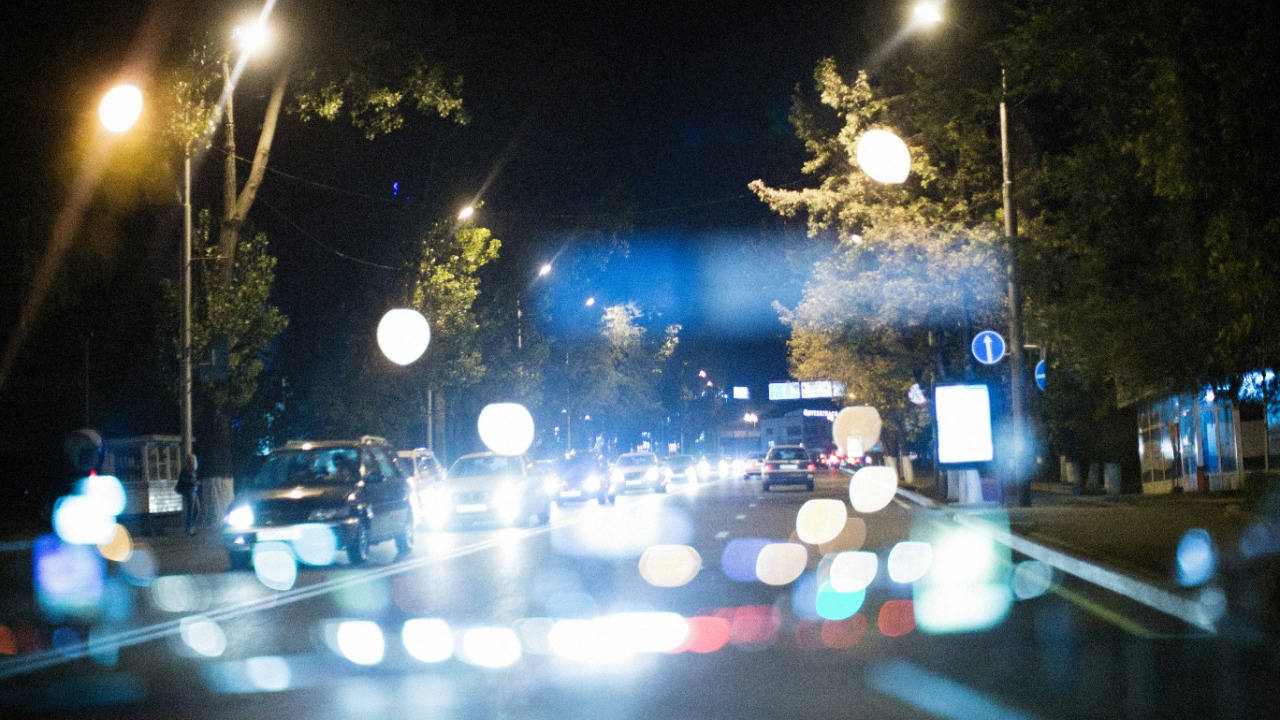
If you’ve found yourself squinting at night while a newer SUV rolls toward you like a glowing refrigerator, you’re not alone. Across the U.S. and other countries, drivers are complaining that modern LED headlights are so bright they’re making it harder to see, not easier. The frustration is bubbling up in neighborhood groups, commute chats, and road-safety meetings for a simple reason: glare feels like a safety hazard, not a luxury feature.
What’s interesting is that many of these drivers aren’t anti-technology. They like the idea of better lighting and safer roads. They just don’t love the part where their eyes get blasted with what feels like stadium lighting on a two-lane road.
“I can’t see the lane lines”—what drivers are reporting
The most common complaint is temporary “white-out” glare when a vehicle with LEDs approaches from the opposite direction. Drivers describe losing contrast in the road ahead, especially on wet pavement where reflections multiply. Some say it’s worst right when they need to be most precise: curvy roads, narrow lanes, construction zones, and poorly marked streets.
There’s also the issue of rearview mirror glare. A tall pickup or crossover with bright headlights can turn a normal drive into a constant mirror-adjustment routine. People mention headaches, eye strain, and that prickly afterimage you get when you look at something too bright—except it’s happening at 50 miles per hour.
Why LEDs feel harsher than older headlights
Part of it is color. Many LEDs have a cooler, bluish-white tone compared with the warmer yellow of older halogen bulbs, and that cooler light can feel more intense to the human eye. Even when the measured brightness isn’t wildly higher on paper, the perception can be sharper and more uncomfortable.
Another part is how the light is delivered. LEDs are very directional, and modern headlight designs can create a crisp cutoff line—great when everything is perfectly aimed, less great when it isn’t. If the beam is slightly mis-aimed, or the road is bumpy, that crisp edge can flick up into oncoming drivers’ eyes like a camera flash that keeps going off.
It’s not just brightness—height and vehicle design matter
Drivers aren’t imagining the trend toward bigger vehicles. More trucks and SUVs on the road means headlights are physically higher off the ground, so they’re more likely to shine directly into the eyes of drivers in lower sedans. Add in tall hoods, higher seating positions, and lifted suspensions, and suddenly the same headlight design can feel dramatically more glaring to someone coming the other way.
Road geometry plays a role too. On hills, LEDs can point straight into your face as the other vehicle crests a rise. On curves, a vehicle’s headlights can sweep across your windshield before you even see the car, like a lighthouse beam searching for ships.
Misalignment and “aftermarket” kits can make things worse
A big part of the anger from drivers is that not all bright headlights are created equal. Factory-installed LED systems are designed with specific housings, optics, and aim settings. But when someone swaps in an aftermarket LED bulb into a housing meant for halogens, the light can scatter in ways the reflector wasn’t designed to control.
Even factory lights can cause problems if they’re not aimed correctly. Headlights can get out of alignment after minor collisions, suspension work, or just the slow wear of driving on rough roads. It’s the kind of thing most people never think to check—until they’re on the receiving end of the glare and muttering things you can’t print in a family newspaper.
Automakers say LEDs improve safety, and they’re not wrong
To be fair, LEDs have real benefits. They can illuminate the road farther ahead, last longer, and use less power. Many newer systems also pair LEDs with adaptive features, like automatically adjusting the beam pattern or switching between high and low beams based on traffic.
In the best-case scenario, that tech reduces nighttime crashes by helping drivers see hazards sooner—pedestrians, animals, debris, that unexpected pothole that appears out of nowhere. The conflict is that what helps the driver behind the wheel can feel punishing to everyone else sharing the road.
The high-beam confusion problem
A lot of drivers say they can’t tell if someone’s high beams are on anymore. Modern low beams can be bright enough that they look like high beams, and that leads to the classic “I’ll flash you back” escalation. Sometimes the other driver flashes their actual high beams in response, and suddenly everyone’s night vision is gone.
Automatic high-beam systems can add another wrinkle. They’re improving, but they’re not perfect, especially on winding roads or when sensors get dirty. If the car doesn’t dim quickly enough, an oncoming driver experiences a few seconds of glare that feels much longer in the moment.
What regulators and safety groups are paying attention to
Transportation agencies and safety researchers have been looking more closely at glare, beam patterns, and headlight aim. The tricky part is that “too bright” isn’t just one number. Glare depends on brightness, color temperature, beam shape, vehicle height, road conditions, and even how tired your eyes are.
In some places, regulators have been updating rules to allow more advanced adaptive driving beam systems that can keep high beams on while selectively shading areas where other cars are detected. The promise is appealing: better visibility for the driver without blasting everyone else. The catch is rollout takes time, and not every vehicle on the road will have it any time soon.
What drivers can do right now (without starting a headlight arms race)
If you’re the one getting dazzled, small tweaks can help. Keep your windshield clean inside and out, because haze and film turn bright points into smeary stars. Make sure your glasses prescription is current, and consider lenses with an anti-reflective coating if night glare is a constant problem.
If you’re worried your own headlights are offending the entire county, there are practical steps too. Check that your headlights are aimed correctly—many vehicles can be adjusted, and a shop can usually verify alignment quickly. Also, if you’ve installed aftermarket LEDs, it may be worth switching back to a setup designed for your headlight housing, because “brighter” isn’t the same as “better controlled.”
And for everyone: resist the urge to retaliate with brighter bulbs or constant high beams. It feels satisfying for about two seconds and then it just makes the road worse for the next person. Night driving works best when it’s a shared agreement, not an escalating light show.
A very modern problem with a very human reaction
What’s driving so many complaints is the gap between what lighting technology can do and how it feels in real life. LEDs can be precise and powerful, but real roads aren’t lab conditions, and humans don’t have adjustable exposure sliders. When a feature marketed as “visibility” ends up reducing visibility for the people around you, it’s understandable that drivers are pushing back.
The good news is this isn’t an unsolvable problem. Better aiming, better beam control, smarter adaptive systems, and clearer standards could keep the advantages of LEDs without the nightly squint-fest. Until then, a lot of drivers will keep asking the same question at stoplights and in parking lots: “Is it just me, or are headlights getting ridiculous?”
More from Fast Lane Only