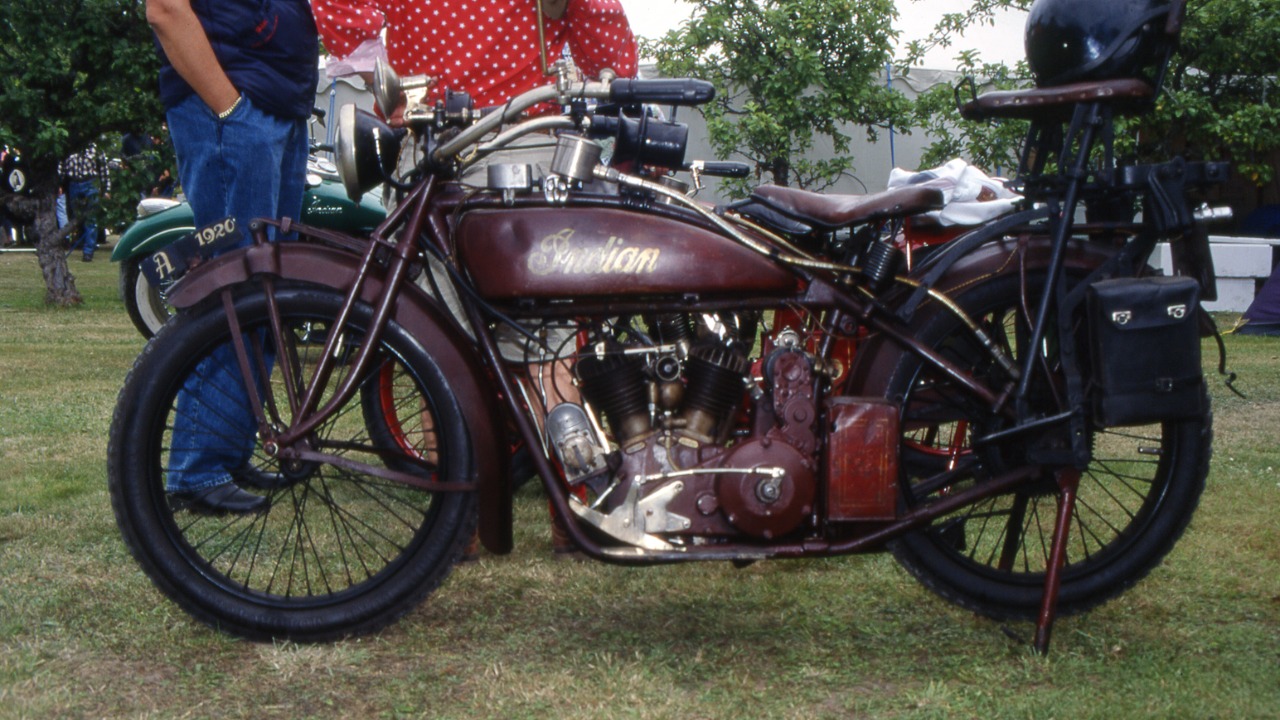
American motorcycles have produced some of the most recognizable bikes ever built, but not every model is equally attractive on the used market. Some can bring expensive maintenance, complicated electronics, limited parts availability, or questionable value as they age. These motorcycles deserve extra research before buyers commit their money to ownership.
Harley-Davidson Softail Custom
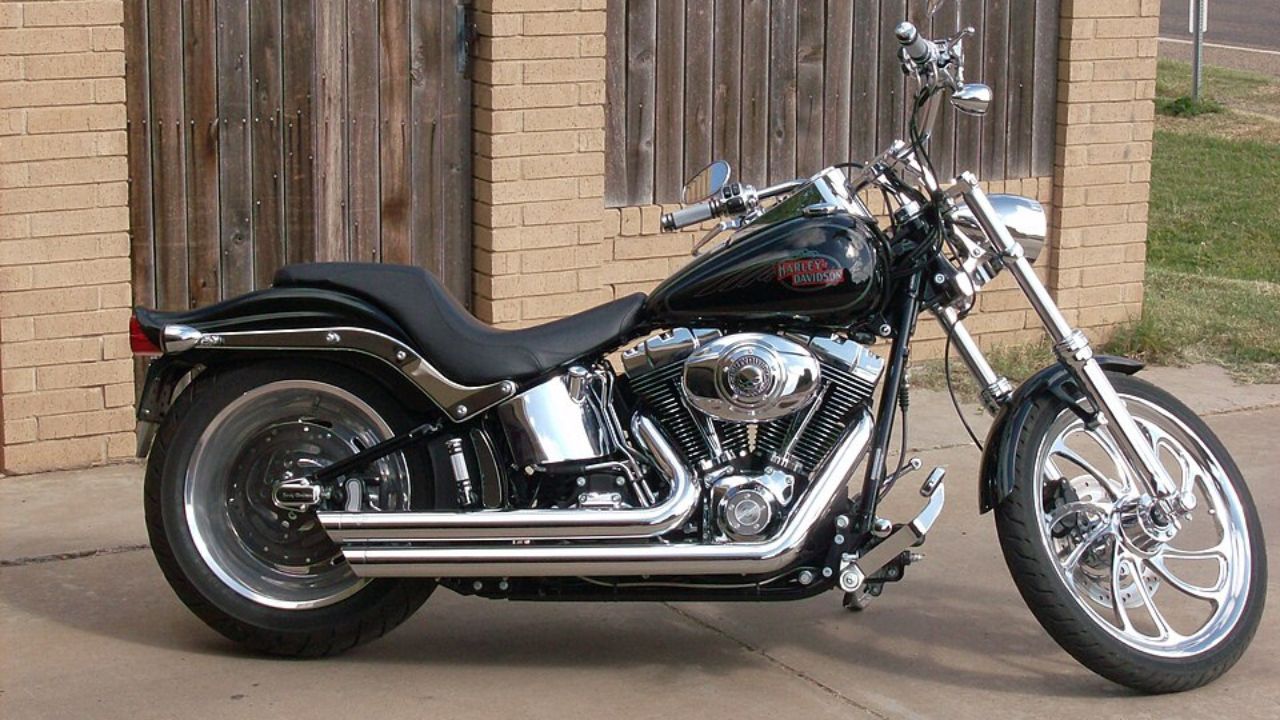
The Harley-Davidson Softail Custom combines traditional cruiser styling with a low-slung riding position, but older examples can require considerable attention. Age-related problems involving wiring, suspension components, charging systems, and oil leaks can become expensive when maintenance has been neglected. Many have also been heavily customized, making it harder to determine the motorcycle’s original condition. Buyers should carefully inspect the frame, drivetrain, electrical system, brakes, and suspension. A cheap Softail Custom with poor records can quickly become more expensive than a better-maintained example with documented servicing and fewer modifications.
Harley-Davidson Street Rod 750
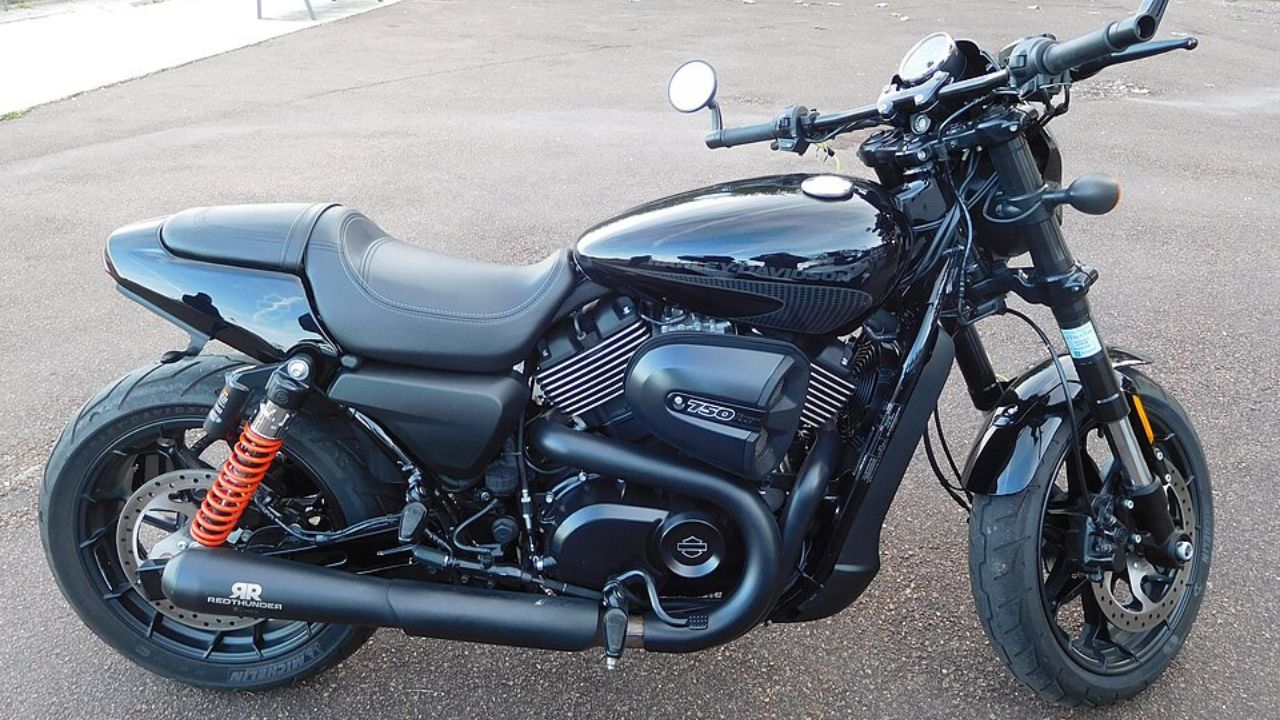
The Harley-Davidson Street Rod 750 gave Harley’s Street platform a sportier setup, but its relatively short production run makes used ownership worth investigating carefully. Model-specific parts and accessories may not be as easy to find as components for longer-running Harley families. Previous owners may also have modified suspension, exhausts, controls, or electronics. Buyers should inspect the cooling system, brakes, suspension, clutch, and electrical components before purchasing. A neglected Street Rod can become an awkward project when specialized parts or poorly installed aftermarket equipment need to be replaced.
Harley-Davidson Electra Glide Ultra Classic
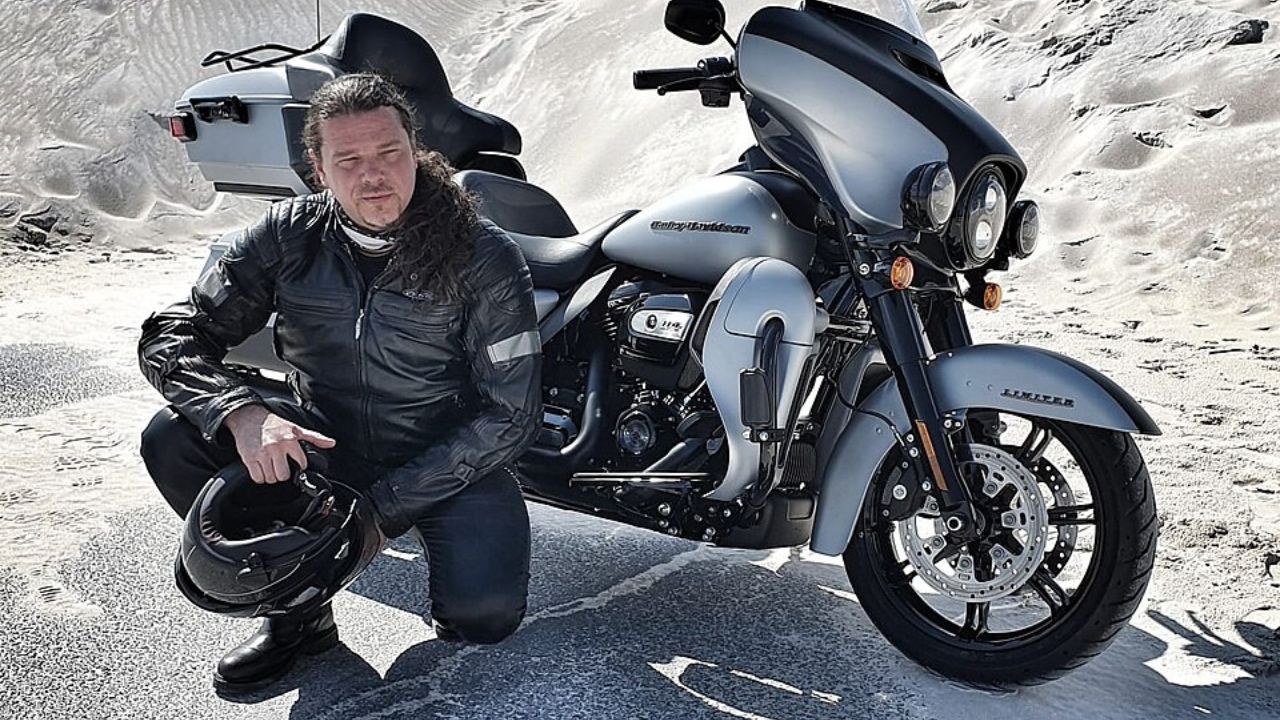
The Harley-Davidson Electra Glide Ultra Classic is a large touring motorcycle packed with equipment, but its age and complexity can make neglected examples expensive to restore. Older bikes may require work on suspension, brakes, electrical systems, audio equipment, fuel systems, and touring accessories. The motorcycle’s size also means components can be costly and labor-intensive to access. Buyers should examine maintenance records carefully and test every electrical function. An Ultra Classic that has spent years covering high mileage without proper servicing can demand substantial money before becoming dependable enough for long-distance touring.
Harley-Davidson Ultra Limited
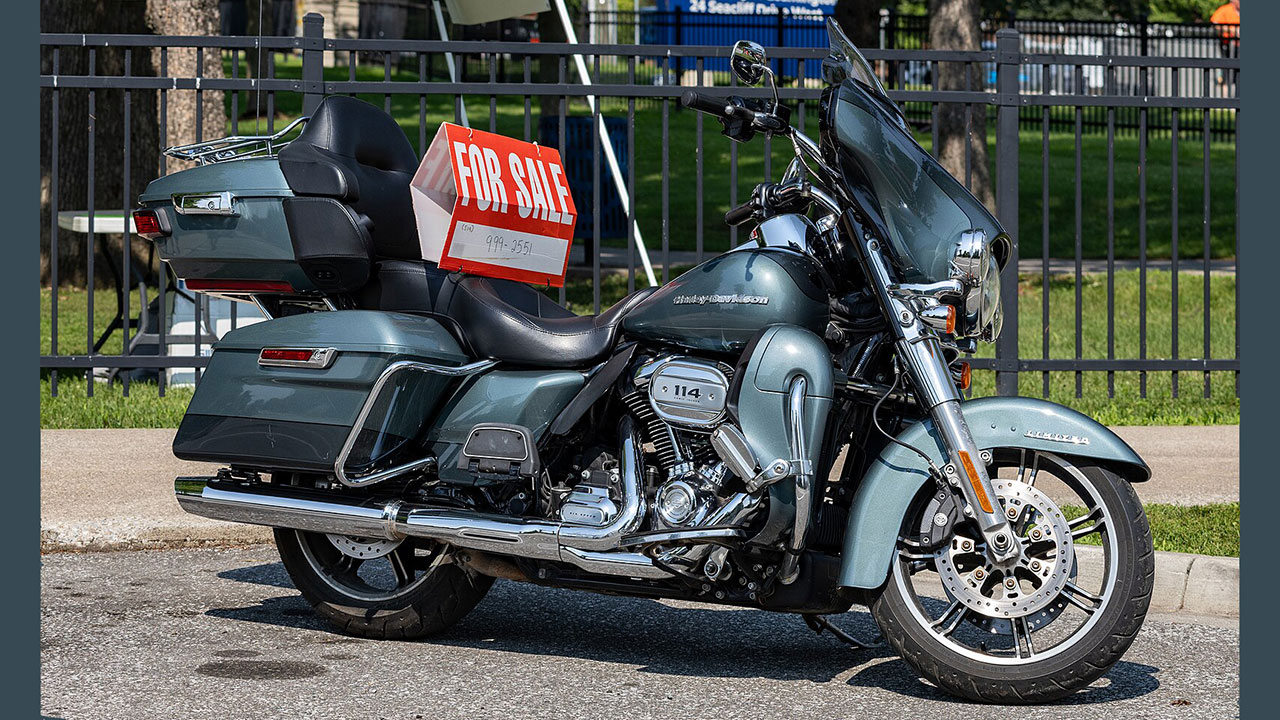
The Harley-Davidson Ultra Limited offers extensive touring equipment, but all those features create more components that can eventually need repair. Older examples may experience problems involving electronics, infotainment equipment, suspension, brakes, charging systems, or other accessories. Previous touring use can also mean significant mileage and heavy luggage loads. Buyers should check service records, inspect the drivetrain, and test every switch, display, speaker, and electronic feature. The model itself is not automatically unreliable, but a poorly maintained Ultra Limited can become an expensive motorcycle to bring back to proper condition.
Harley-Davidson CVO Limited
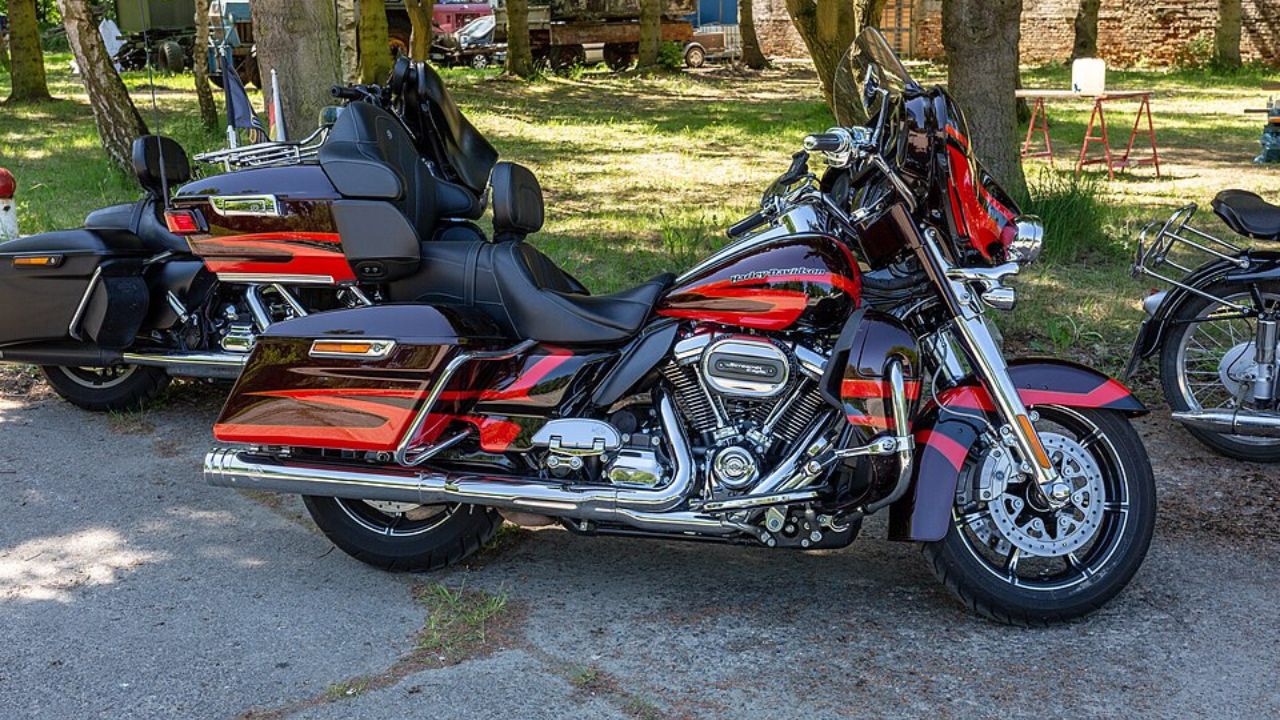
The Harley-Davidson CVO Limited combines premium equipment with a powerful touring platform, which also means expensive replacement and repair costs when things go wrong. Used examples can carry high prices despite being several years old, while cosmetic parts and specialized CVO equipment may cost considerably more than components on standard touring models. Buyers should investigate accident history, service records, electrical operation, suspension condition, and engine maintenance. A neglected CVO Limited can turn its premium specifications into a liability, especially when multiple expensive systems require attention at the same time.
Harley-Davidson V-Rod
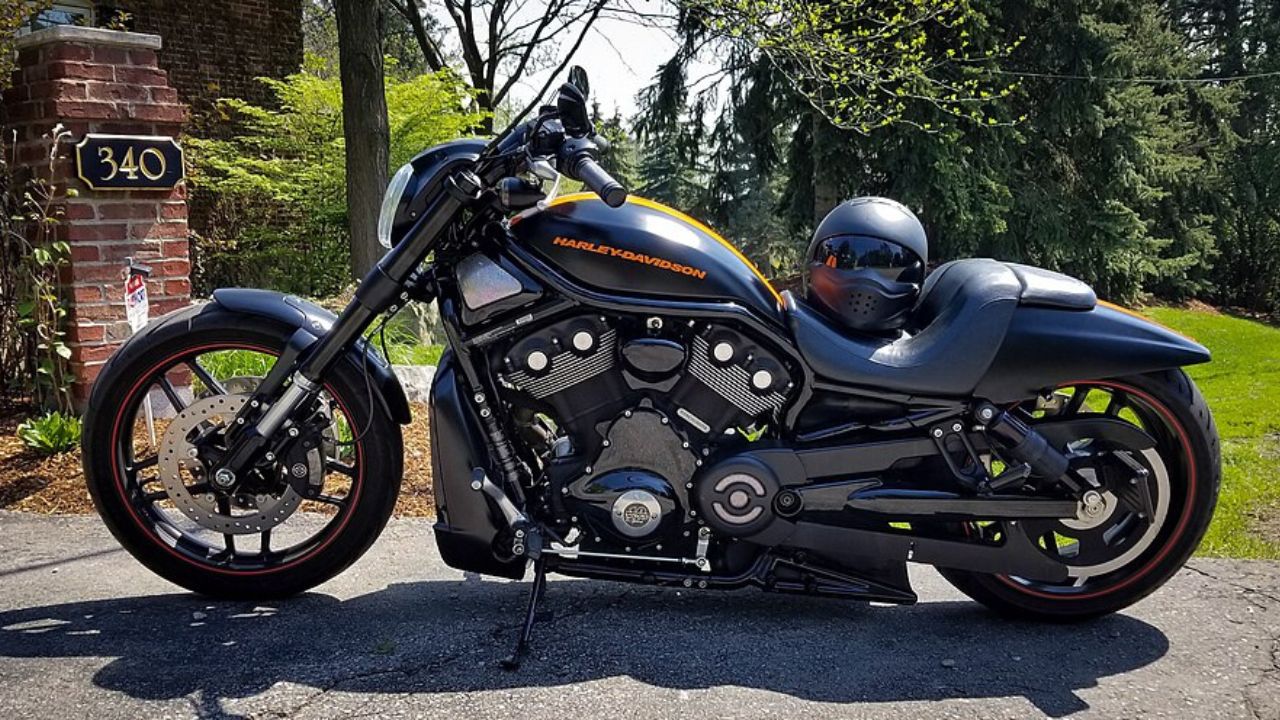
The Harley-Davidson V-Rod stands apart from traditional Harley-Davidson motorcycles because of its liquid-cooled Revolution V-twin and distinctive chassis. That unusual engineering can make maintenance less familiar to mechanics accustomed to traditional Harley platforms. Older examples may also need attention to cooling systems, fuel systems, electrical components, and aging rubber parts. Production ended years ago, so buyers must consider parts availability and the condition of individual motorcycles. A V-Rod with complete records can be interesting, but an abused example with unresolved problems can become a difficult and expensive ownership proposition.
Harley-Davidson Street Glide Special
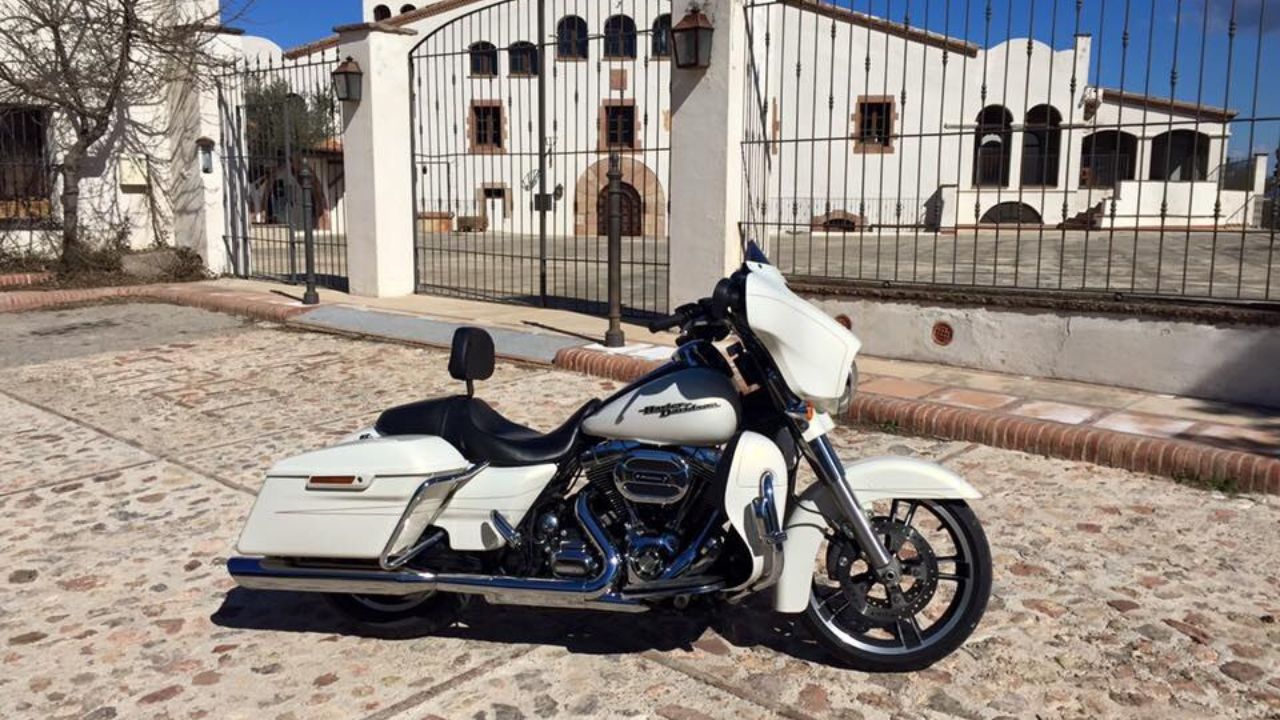
The Harley-Davidson Street Glide Special is a popular touring motorcycle, but high-mileage examples can hide expensive maintenance needs. Long-distance use places considerable stress on brakes, suspension, tires, bearings, drivetrain components, and electrical equipment. Some owners also modify these motorcycles extensively, making their service history harder to establish. Buyers should look for evidence of regular fluid changes, belt maintenance, suspension servicing, and electrical repairs. A heavily customized Street Glide Special may look attractive, but poorly executed modifications can create more problems than the motorcycle’s original equipment ever caused.
Buell Thunderbolt S3
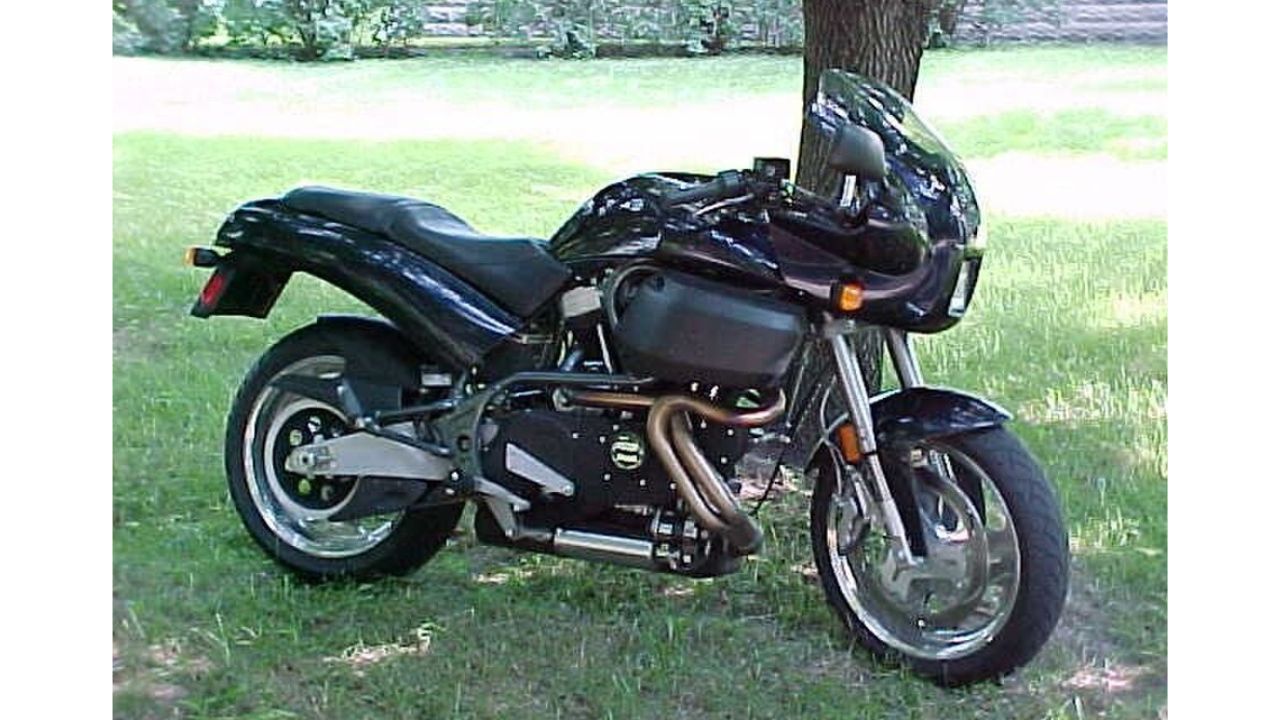
The Buell Thunderbolt S3 is an unusual American sport-touring motorcycle from a manufacturer known for unconventional engineering. Its age is now one of the biggest concerns for prospective buyers. Older examples can require work on electrical systems, suspension, brakes, belts, seals, and other components affected by decades of use. Parts availability also deserves attention because the original Buell production era ended long ago. Buyers should avoid motorcycles with uncertain histories, extensive modifications, or neglected maintenance. Finding a clean, documented example matters far more than simply finding the lowest asking price.
Buell 1125R
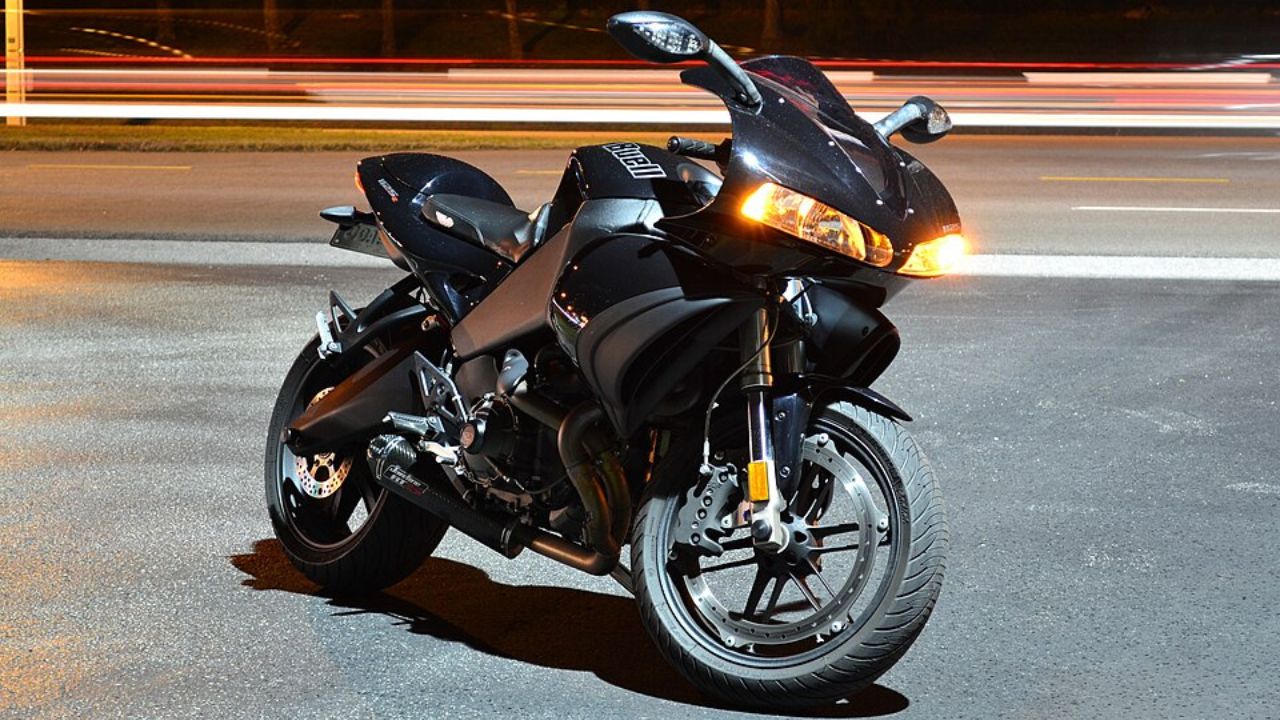
The Buell 1125R was an ambitious American sportbike powered by a liquid-cooled Rotax V-twin, but its unusual engineering creates additional considerations for used buyers. Early examples received attention for electrical and charging-system concerns, while the motorcycle’s specialized design can make some repairs less familiar. Buell’s changing corporate history also affects parts and service support. Buyers should inspect the charging system, cooling system, fuel system, brakes, and electronics carefully. A neglected 1125R can become a difficult project, particularly when several age-related problems appear at once.
Buell Firebolt XB9R
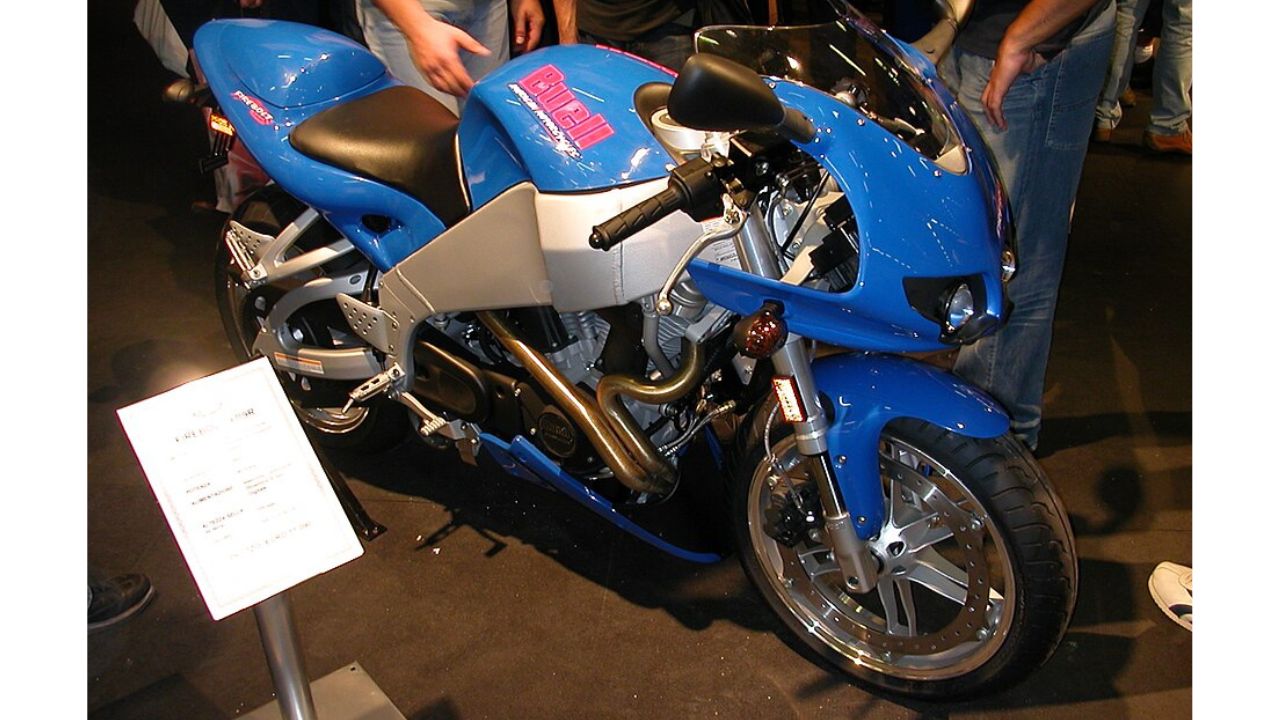
The Buell Firebolt XB9R remains distinctive because of its compact chassis and unusual engineering, but its age makes condition critical. The motorcycle uses a belt-drive system and unconventional chassis arrangement, meaning maintenance is different from many conventional sportbikes. Older examples can develop problems involving belts, wheel bearings, electrical connections, suspension, and seals. Parts support also requires more research than with major Japanese or European manufacturers. Buyers should inspect the motorcycle thoroughly and prioritize examples with original components, documented maintenance, and evidence that previous owners properly understood its specialized mechanical requirements.
Buell Lightning XB9S
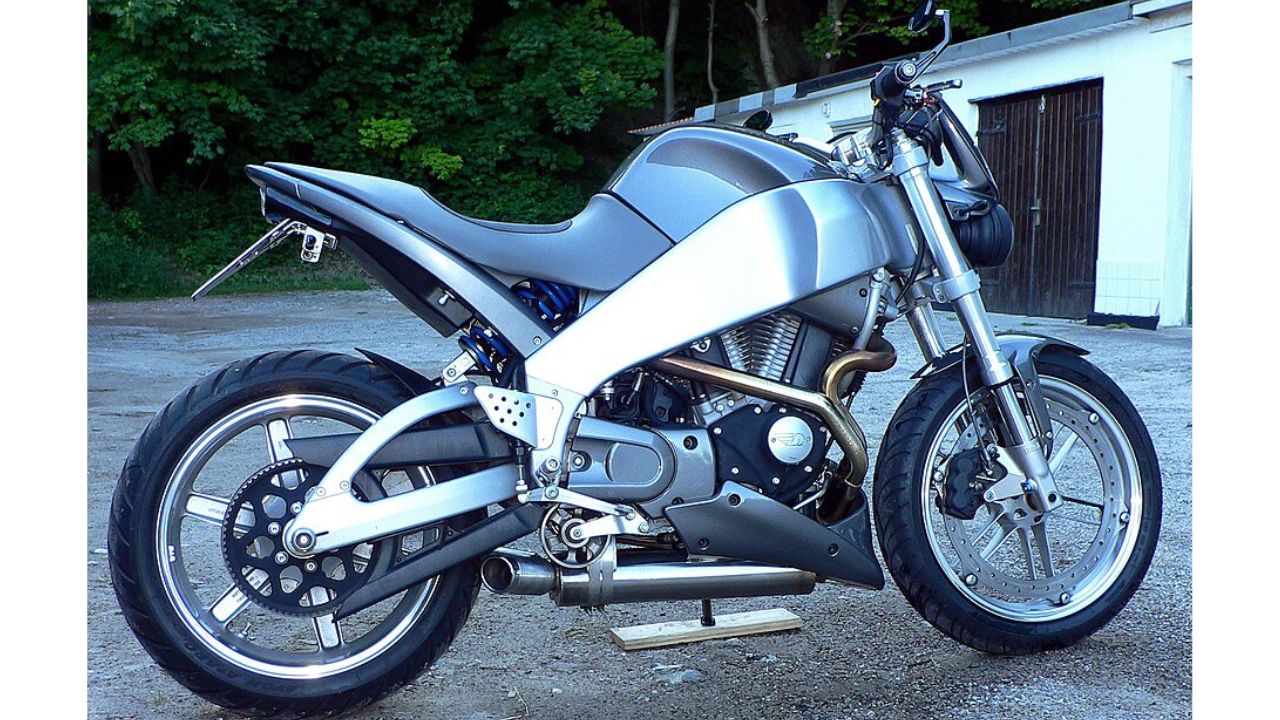
The Buell Lightning XB9S offers distinctive styling and compact dimensions, but its age and limited production make buying one a different proposition from purchasing a common modern motorcycle. Older examples can suffer from worn suspension components, electrical faults, deteriorated seals, belt wear, and neglected maintenance. The motorcycle’s unconventional design can also make certain repairs less straightforward. Buyers should pay close attention to the frame, suspension, belt drive, electrical system, and oil leaks. A poorly maintained XB9S may require specialist knowledge and harder-to-source parts to return it to reliable condition.
Indian Scout
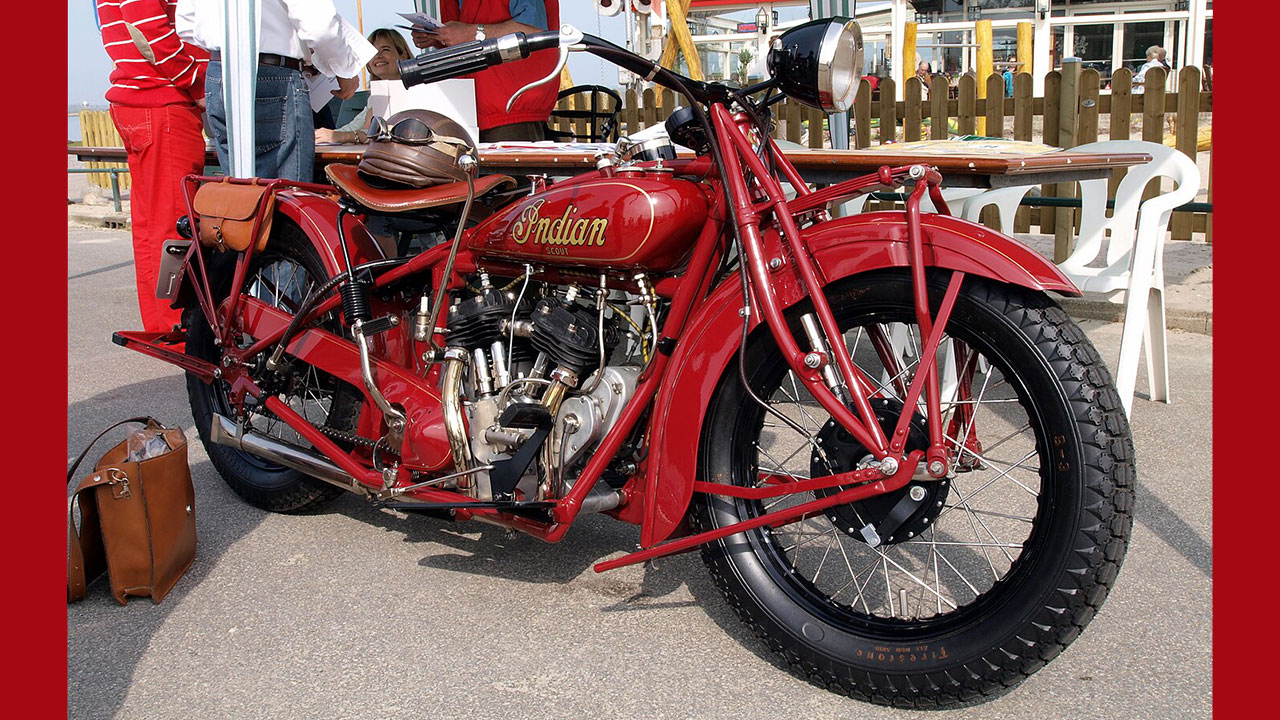
The Indian Scout is generally regarded as an important modern Indian motorcycle, but used buyers should still investigate individual examples carefully. Certain motorcycles have been affected by recalls and service issues involving components such as brakes and electrical systems. Previous owners may also install aftermarket exhausts, air intakes, suspension parts, or tuning equipment. Buyers should verify the VIN for applicable recall work and review maintenance records before purchasing. The key concern is not the Scout name itself but whether a particular motorcycle has received proper servicing and remained mechanically sound throughout its previous ownership.
Indian Chieftain
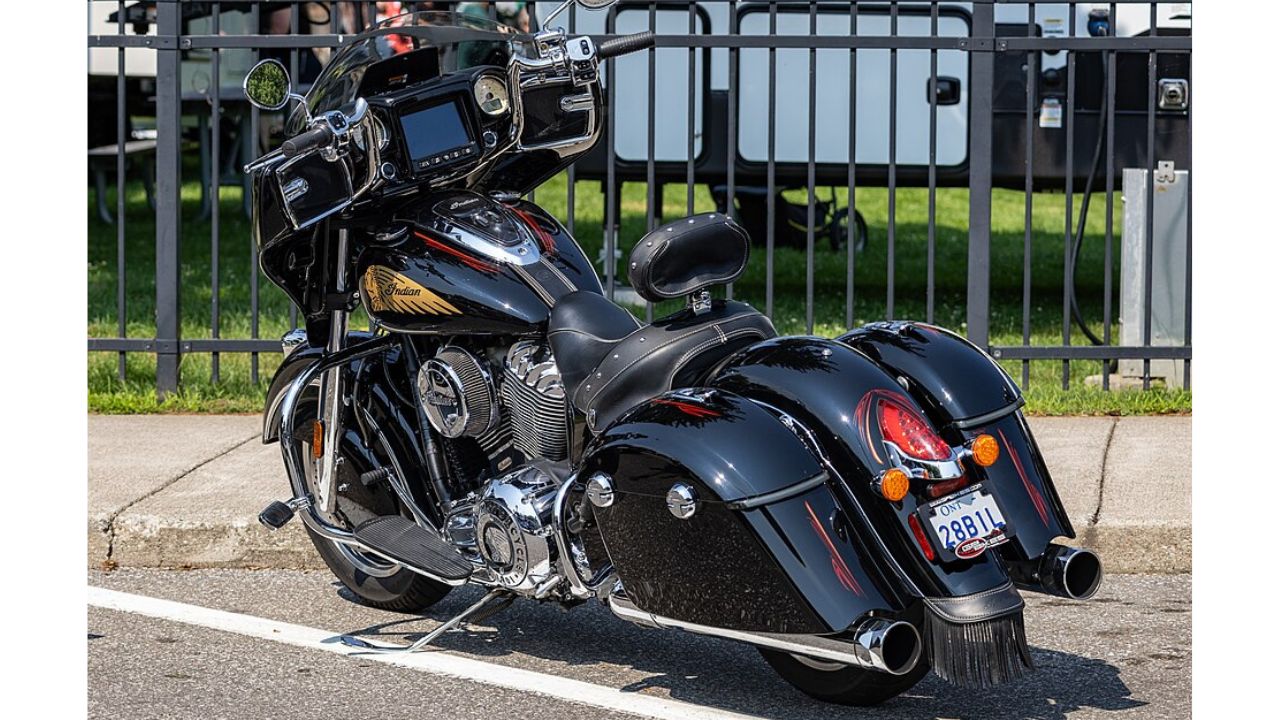
The Indian Chieftain is a large touring motorcycle with substantial electronics, bodywork, and comfort equipment. That complexity can make older or neglected examples expensive to repair. Buyers should pay particular attention to infotainment systems, electrical connections, suspension, brakes, battery condition, and the motorcycle’s extensive body panels. Touring motorcycles can also accumulate significant mileage, so service history matters greatly. A Chieftain with missing records or poorly repaired accident damage deserves extra caution. Before buying, every electronic feature should be tested rather than assuming that the motorcycle’s premium equipment is functioning correctly.
Victory Hammer 8-Ball
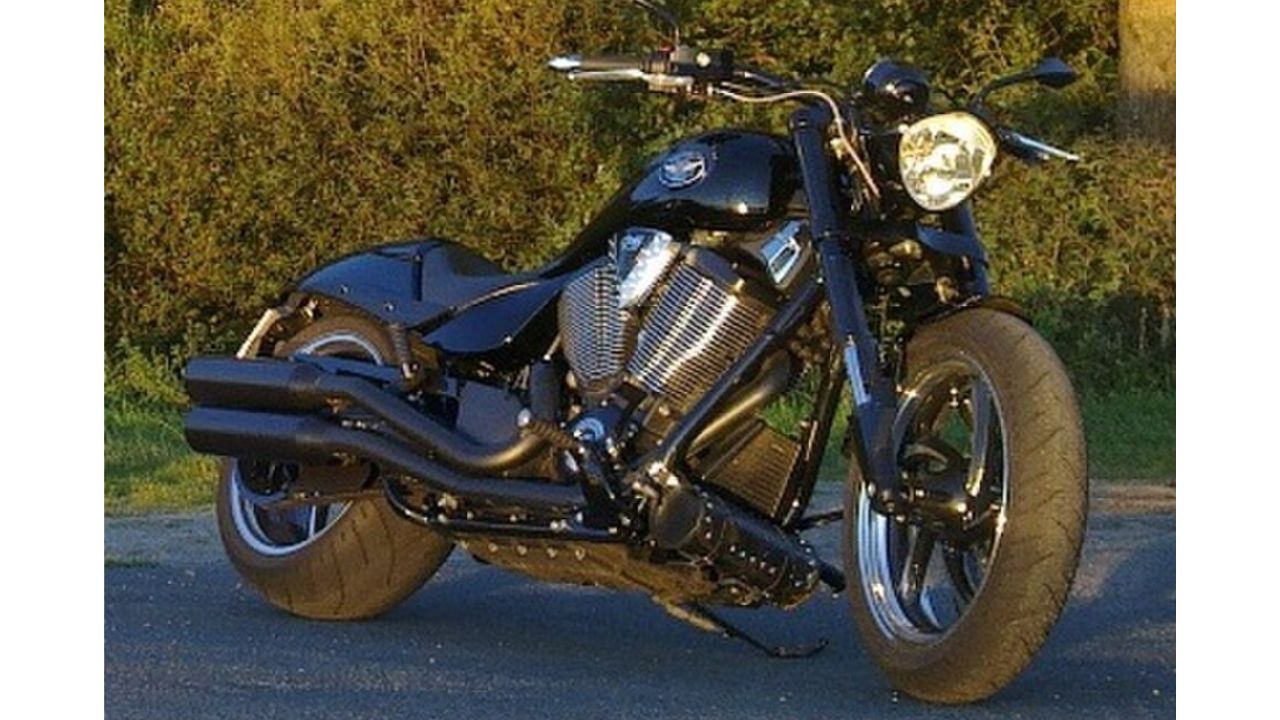
The Victory Hammer 8-Ball has a strong custom-cruiser appearance, but Victory’s discontinuation creates a major consideration for anyone shopping today. Production ended in 2017, meaning buyers must think about long-term parts and service availability. Most routine maintenance remains manageable, but model-specific components can require additional searching. Previous owners may also have modified these motorcycles extensively. Buyers should inspect the belt drive, suspension, brakes, electrical system, and engine carefully. A clean example can remain usable, but an inexpensive motorcycle with missing parts can become difficult to restore.
Victory Vegas Jackpot
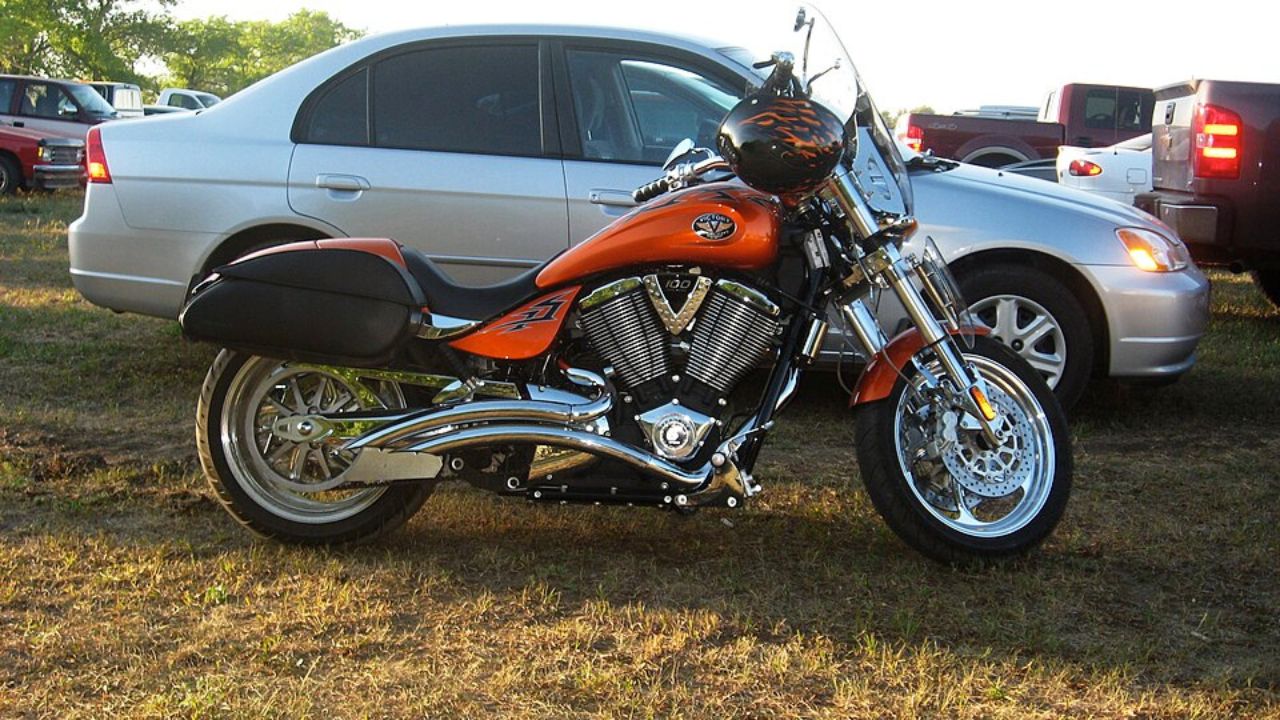
The Victory Vegas Jackpot was built around dramatic styling and a large V-twin, but its discontinued-brand status makes condition especially important today. Some components remain obtainable through specialist suppliers and the used-parts market, but buyers should not expect the same support network available for current Harley-Davidson motorcycles. Custom modifications are another concern because many examples were personalized by previous owners. Before purchasing, inspect the drivetrain, electrical system, suspension, brakes, wheels, and belt. A poorly modified Jackpot can require considerable time and money to return to dependable condition.
Victory Cross Country Tour
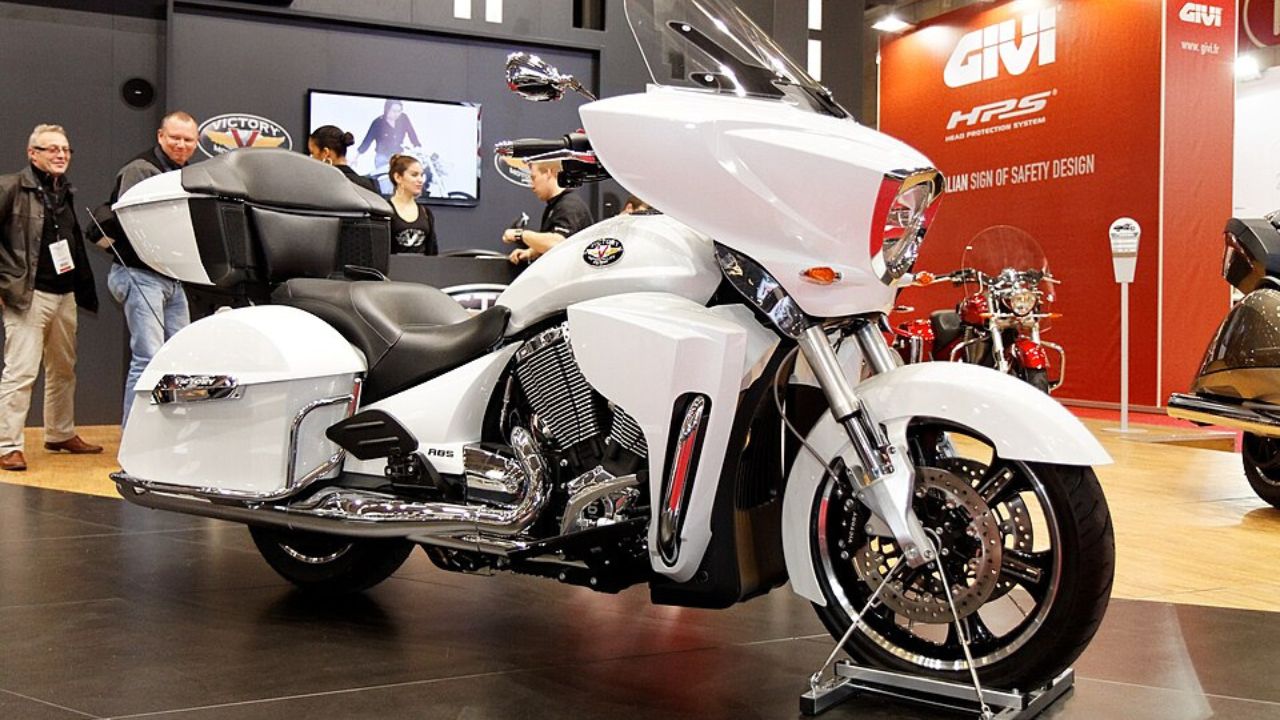
The Victory Cross Country Tour was designed for serious long-distance riding, but its extensive touring equipment means there are many systems to inspect on an older example. Bodywork, electronics, suspension, brakes, audio equipment, and luggage hardware can all require attention after years of use. Victory’s 2017 shutdown also means buyers need to consider future parts sourcing. High-mileage motorcycles deserve particularly careful inspection because touring use can hide substantial wear. Service records, clean electrical operation, good suspension condition, and complete bodywork should be priorities when evaluating one.
Indian Chief Bobber Dark Horse
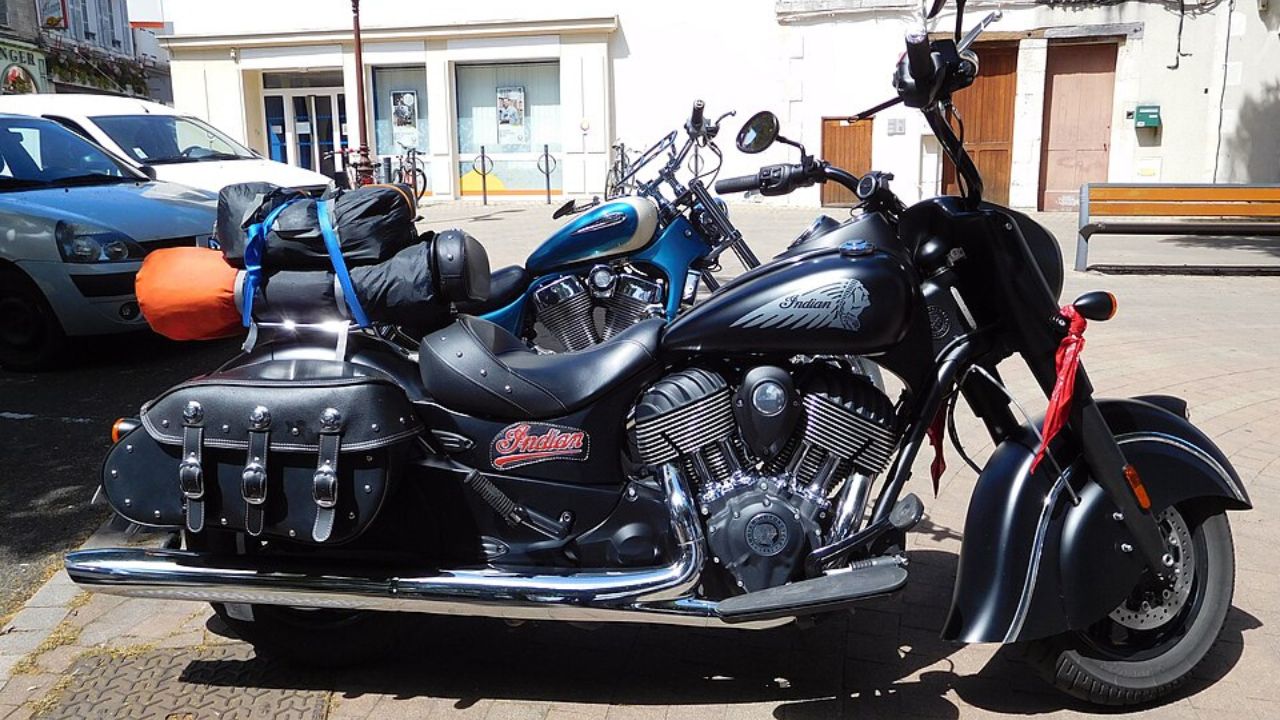
The Indian Chief Bobber Dark Horse combines a modern powertrain with a stripped-down custom appearance, but its used-market condition depends heavily on how previous owners treated it. Some motorcycles receive extensive aftermarket modifications that can affect wiring, exhaust systems, intake systems, suspension, and tuning. The low-slung design also provides limited suspension travel, making wheel and chassis condition worth checking carefully. Buyers should verify recall and service information, inspect the brakes and tires, and test the electrical system. A modified example without documentation deserves considerably more scrutiny than a stock motorcycle.
Indian Springfield
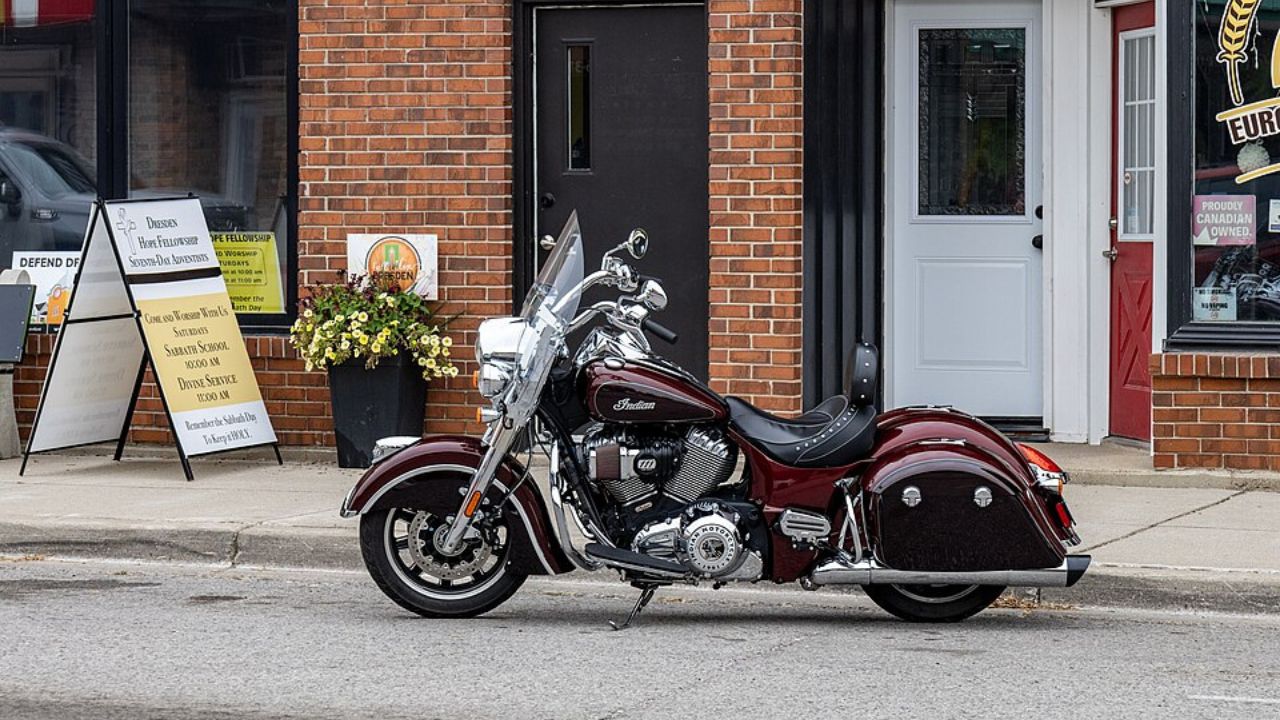
The Indian Springfield is designed as a large American touring cruiser, but its combination of substantial weight, electronics, luggage, and touring equipment makes condition important on used examples. Older motorcycles can develop battery, electrical, suspension, brake, or infotainment-related problems, while frequent touring can add considerable wear. Buyers should examine the motorcycle’s maintenance records and verify that all factory service campaigns have been completed. The saddlebags and other touring equipment should also be checked for damage. A neglected Springfield can require significant investment before it is ready for dependable long-distance use.
Indian Roadmaster Dark Horse
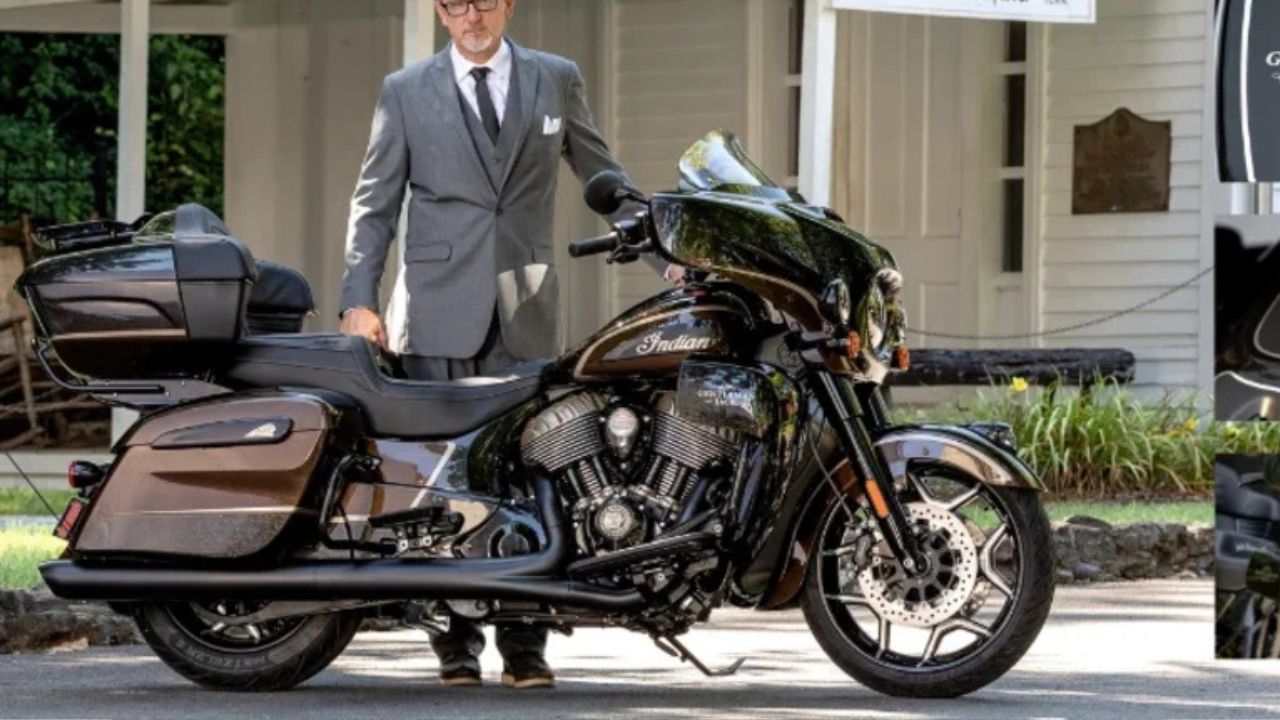
The Indian Roadmaster Dark Horse is a large, feature-heavy touring motorcycle, so there is more to inspect than just the engine. Electronics, infotainment, suspension, brakes, luggage systems, lighting, and charging components all contribute to ownership complexity. High-mileage examples may also have accumulated substantial wear from long-distance travel. Buyers should test every electronic feature, inspect the suspension and brakes, and review the service history carefully. Motorcycles with accident damage or questionable aftermarket wiring deserve particular caution. A complete and documented service history can make a major difference with a machine this complex.
Indian Springfield Dark Horse
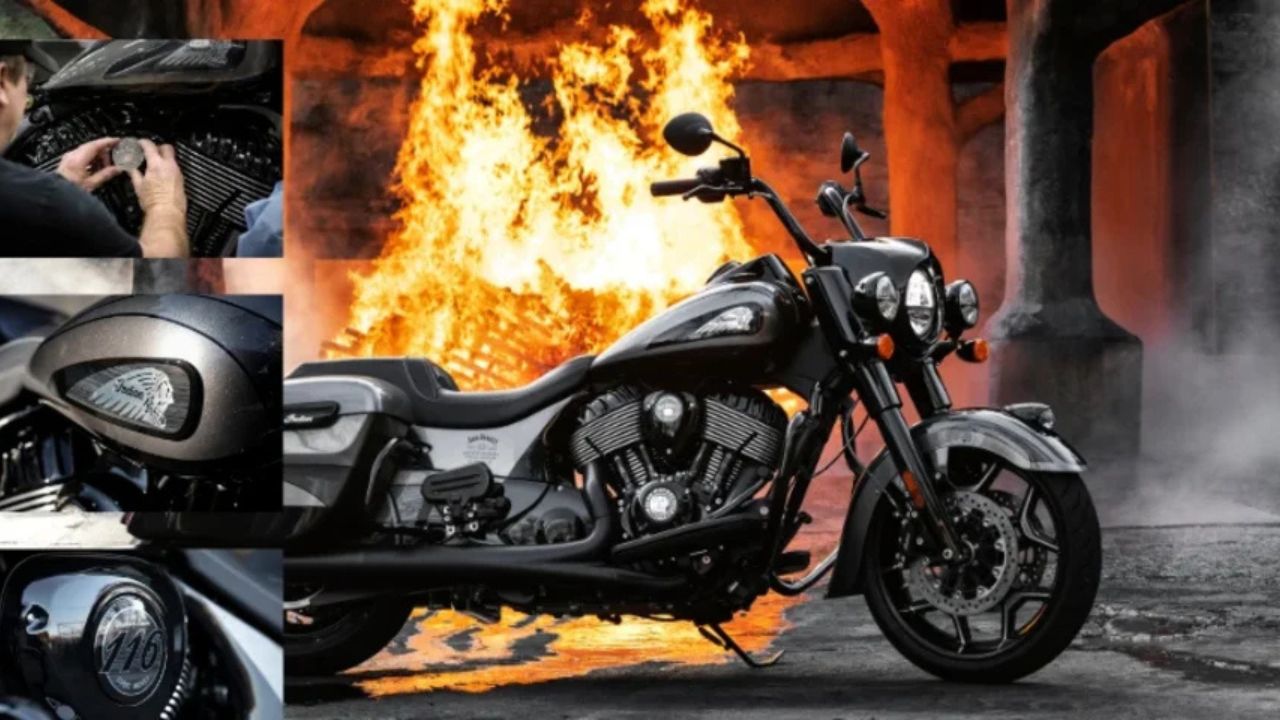
The Indian Springfield Dark Horse adds a darker finish and custom-oriented appearance to the Springfield platform, but used buyers still need to concentrate on mechanical condition rather than appearance. Touring motorcycles can experience considerable wear on brakes, tires, suspension, bearings, batteries, and drivetrain components. Aftermarket modifications may also complicate electrical systems or engine tuning. Buyers should check the VIN for applicable recalls, examine maintenance records, and test the motorcycle thoroughly. Cosmetic condition alone should never justify paying a premium for an example with questionable servicing or extensive undocumented modifications.
More from Fast Lane Only
- Unboxing the WWII Jeep in a Crate
- 15 rare Chevys collectors are quietly buying
- 10 underrated V8s still worth hunting down
- Police notice this before you even roll window down
*Research for this article included AI assistance, with all final content reviewed by human editors.