Early laps at the Nürburgring are already sketching the outline of the 2026 Audi Q7, and the picture that emerges is one of careful evolution rather than a clean-sheet revolution. Camouflaged prototypes and comparison data point to a big SUV that leans on a refreshed design, a more digital cabin, and familiar powertrains, while keeping performance variants like the SQ7 firmly in the frame.
From what I can see across the latest spy footage, official previews, and dealer guidance, Audi is using this update to sharpen the Q7’s image and technology without tearing up the formula that has anchored its three-row flagship. The Nürburgring development work is less about chasing lap records and more about making sure this heavy family hauler still feels composed, refined, and credible in a segment that is rapidly modernizing.
Ring prototypes hint at a more assertive Q7 and SQ7
The clearest window into the 2026 Q7’s dynamic priorities comes from camouflaged prototypes pounding around the Nürburgring. Video of a 2026 Audi Q7 and SQ7 SUV prototype caught testing at the circuit shows the large SUV working through high-speed corners with relatively flat body control for its size, a sign that Audi is still investing in chassis tuning for this model rather than letting it quietly age out. The same footage highlights the SQ7’s more aggressive stance and exhaust layout, underlining that the performance derivative remains central to the range rather than a token afterthought.
Separate spy coverage of the next-generation Audi SQ7 being spied again at the Nürburgring reinforces that message, with the development car pushed hard enough to reveal how much effort is going into stability and braking under sustained load. The repeated appearance of SQ7 prototypes at the track suggests Audi is intent on preserving the sporty identity that has long set this variant apart, even as the broader Q7 family shifts toward a more digital and design-led update. Together, these early sightings show a brand that still wants its biggest SUV to feel at home on demanding roads, not just in suburban driveways.
Design: bolder face, cleaner lines, and production lighting
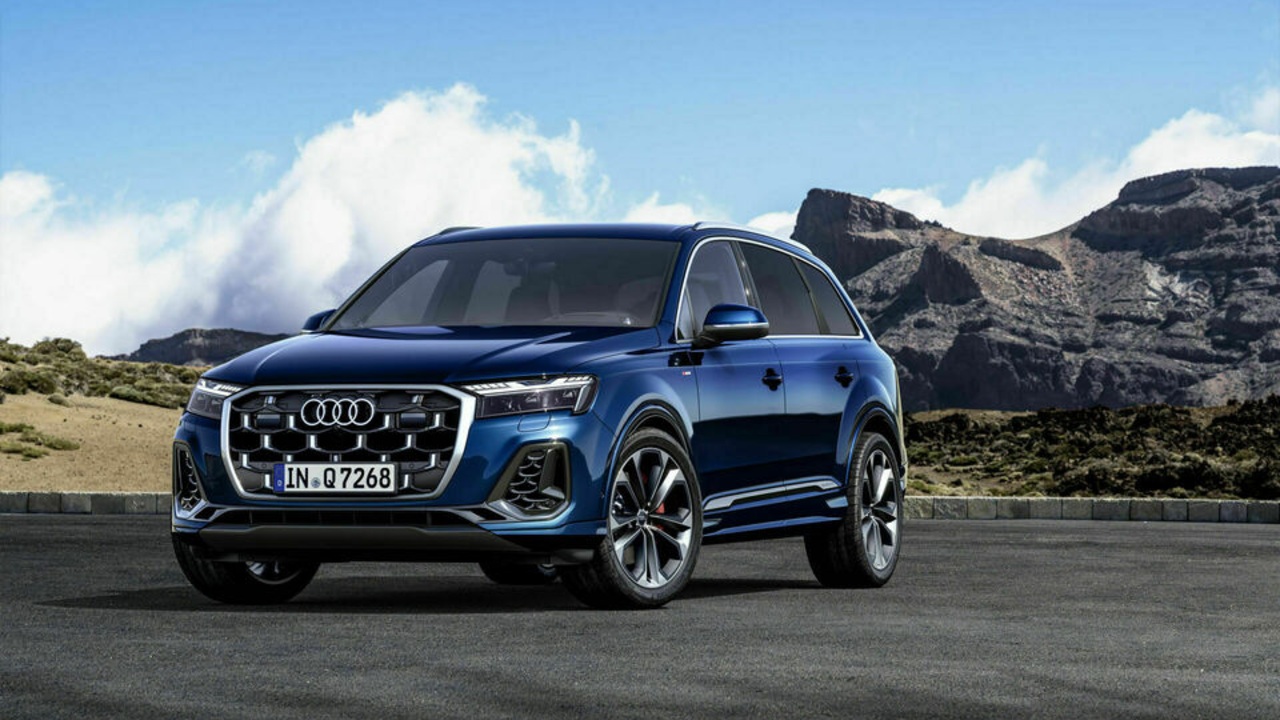
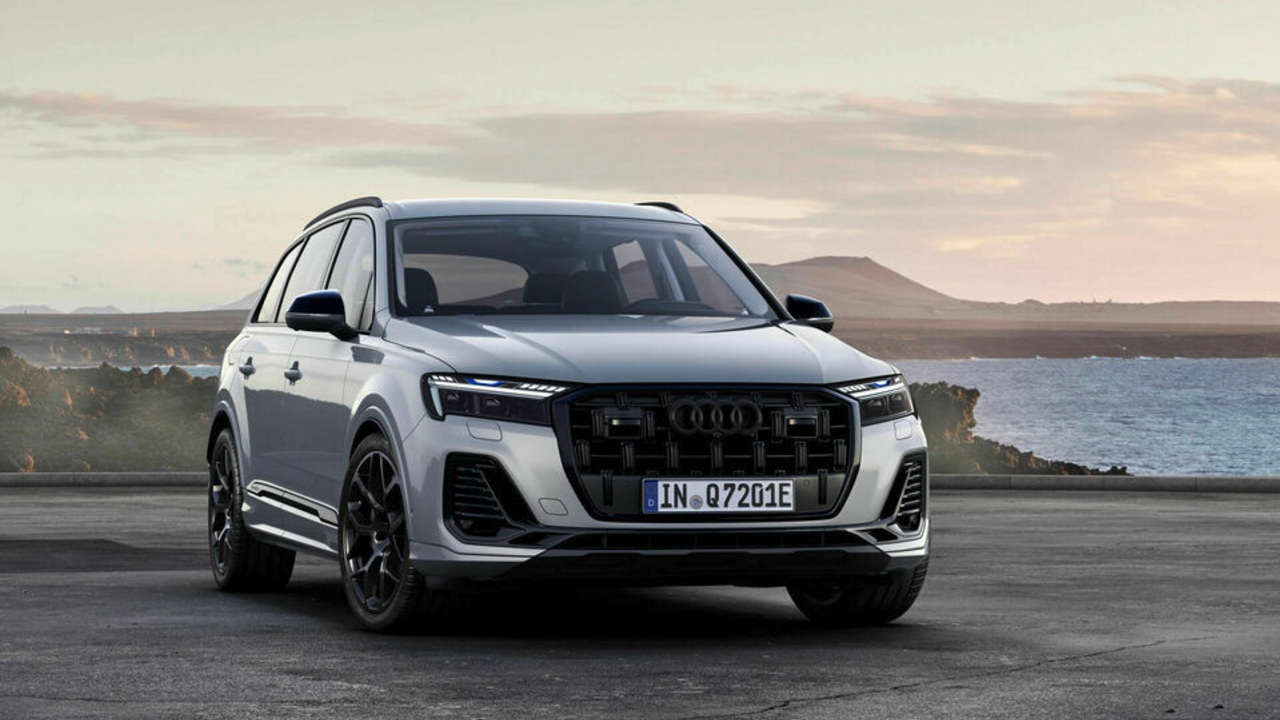
Visually, the 2026 Q7 is shaping up as a more confident evolution of the current SUV rather than a radical departure. Audi already refreshed the Q7 for the 2025 model year, subtly tweaking the SUV’s front end and interior, and the latest information indicates that for 2026 there are no mechanical changes, which puts even more emphasis on styling and cabin updates. Dealer-level comparisons of 2026 vs 2025 Q7 models describe the newer version as taking style to the next level, with a more modern, high-tech look that still highlights Audi’s familiar craftsmanship.
Spy photography of the 2026 Audi Q7 revealing production lighting shows how much of that visual shift is concentrated in the front and rear signatures. The prototypes wear intricate LED daytime running light patterns and sharper headlamp internals, details that align with reports of a noticeably different design compared to the current SUV, based on multiple spy images and early design briefings. The result is a Q7 that reads as more contemporary and assertive on the road, even if its basic proportions and three-row silhouette remain recognizably tied to the outgoing model.
Interior and tech: a more digital cabin without a clean-sheet reboot
Inside, the 2026 Q7 appears to be moving toward a more digital, screen-led environment, but within the constraints of an existing architecture. Reporting on the next-generation Audi Q7 hybrid project describes plans for a reworked, highly digital cabin that leans on the brand’s latest infotainment solutions, including an interface strategy already previewed in the new Q5. That direction fits neatly with the 2025 refresh, which already brought subtle interior tweaks, and with dealer comparisons that frame the 2026 model as having a more modern, high-tech look while still feeling familiar to current owners.
Additional analysis of the next-gen Audi Q7 design notes that the third-generation SUV will feature a noticeably different design compared to the current SUV, with the interior expected to reflect that shift through updated displays and materials rather than a radical reconfiguration of space. At the same time, guidance from broader platform reporting, including references to the PPC architecture being capable of accommodating a variety of powertrains, suggests Audi is prioritizing future flexibility in electronics and packaging. For buyers, that likely translates into a cabin that feels more connected and visually advanced, even if the underlying seating layout and practicality remain close to what the Q7 already offers.
Powertrains and performance: evolution, not reinvention
Under the skin, the 2026 Q7 looks set to stay closer to the current formula than some early speculation suggested. Detailed model information for the 2026 Audi Q7 indicates that Audi offers two engine options and that all-wheel drive is standard, with no mention of new powertrains being introduced for this model year. Separate research on the 2026 Q7 notes that Audi refreshed the SUV for 2025 and that for 2026 there are no mechanical changes, a clear signal that the brand is not rolling out a new engine family or a confirmed plug-in hybrid system for this update.
That stance is important in light of broader discussions around the next-gen Audi Q7 hybrid and the PPC platform. Technical previews of the next-gen Q7 hybrid project describe the PPC platform as capable of accommodating a variety of powertrains and discuss the possibility of plug-in hybrid variants, but they stop short of confirming specific systems or outputs for the 2026 production Q7. Earlier dealer speculation about a future Q7 redesign, including references to potential torque figures, remains just that, and must be treated as unverified based on available sources. For now, the best supported reading is that the 2026 Q7 continues with its established combustion lineup, while Audi keeps its options open for deeper electrification in a subsequent phase.
How the 2026 Q7 fits into Audi’s larger SUV strategy
Context from Audi’s broader SUV roadmap helps explain why the 2026 Q7 feels like a carefully calibrated update rather than a wholesale reboot. Reporting on the next-gen Audi Q7 hybrid and related projects outlines a multi-step approach in which Audi prepares a third-generation Q7 with a noticeably different design and a more digital cabin, while also developing the PPC platform to support a variety of powertrains. Parallel coverage of plans for the next-gen Audi Q7 and an all-new Q9 to debut in 2026 notes that the PPC is capable of accommodating different configurations, and that Audi and Porsche have been working to modernize an interior that currently looks and feels pretty old in some models.
Within that strategy, the 2026 Q7 that is already testing at the Nürburgring looks like a bridge between the current SUV and a more heavily electrified future. The prototypes caught at the circuit, the production lighting now visible on near-final test cars, and the dealer comparisons that emphasize a more modern, high-tech look all point to a model that is being visually and digitally updated while its mechanical core remains familiar. For buyers, that means the 2026 Q7 should feel like a sharper, more contemporary take on a known quantity, rather than a risky leap into unproven technology, and any deeper hybridization or plug-in strategy will have to wait until Audi formally confirms it for a later stage.
More from Fast Lane Only: