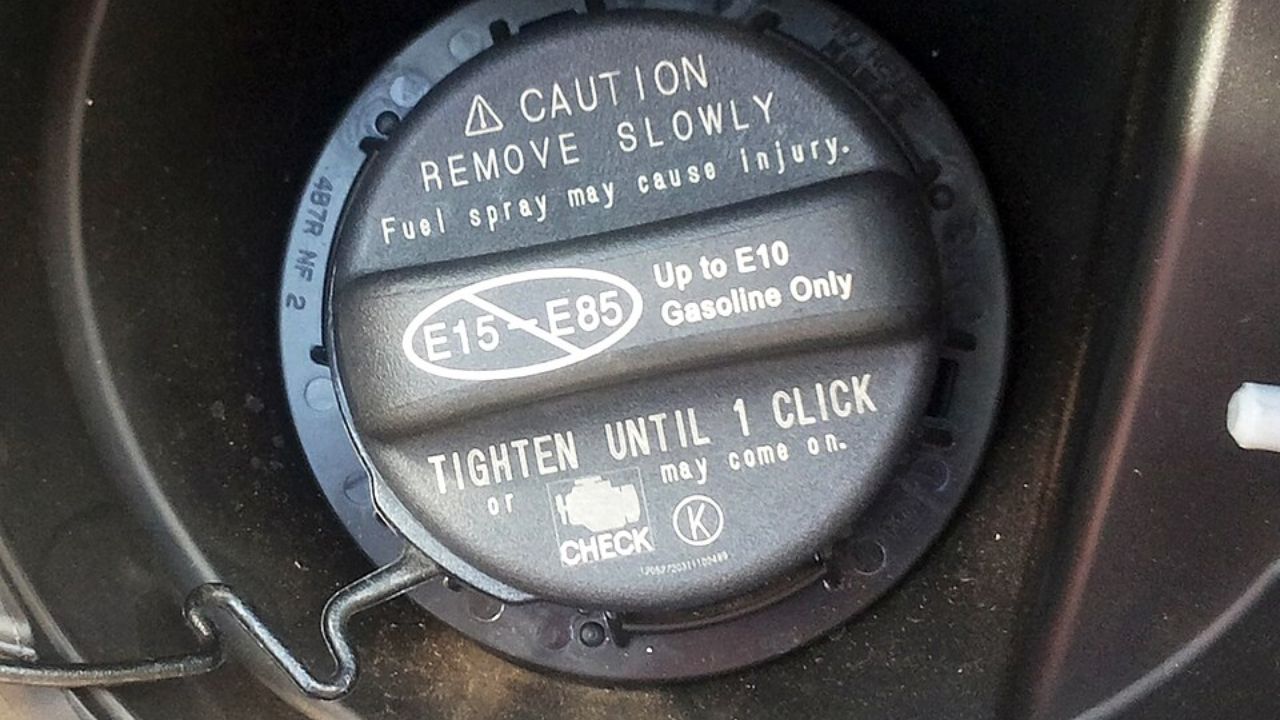
The recent decision by the Environmental Protection Agency (EPA) to grant a waiver for E15 fuel sales starting May 1 has sparked a significant debate. While the move aims to increase the availability of this higher ethanol blend, it also leaves a substantial number of vehicles ineligible for its use, raising concerns among consumers and industry stakeholders alike.
Understanding E15 Fuel
E15 fuel is a gasoline blend that contains 15% ethanol, compared to the more common E10 blend, which consists of 10% ethanol. This increase in ethanol content can affect vehicle performance, particularly in terms of fuel efficiency and engine compatibility. Ethanol is a renewable fuel, produced from plant materials, which has led to its growing use as a means to reduce reliance on fossil fuels and lower greenhouse gas emissions. However, the higher ethanol content in E15 can also lead to issues such as vapor lock in certain older engines, which may not be designed to handle it.
In addition to E15, there are even higher blends available, such as E85, which contains up to 85% ethanol. E85 is primarily used in flex-fuel vehicles, which are specifically designed to operate on this blend. While E15 is seen as a middle ground that offers a boost in ethanol use without requiring significant modifications to most modern vehicles, it is crucial to consider how these different fuel blends impact vehicle performance and emissions. The transition to higher ethanol blends could offer notable environmental benefits, including the potential for reduced carbon emissions and improved air quality.
The EPA Waiver Explained
The EPA has the authority to grant waivers for fuel blends under the Clean Air Act, allowing for variations in fuel composition to meet specific environmental goals. The recently announced waiver for E15 sales is set to remain in effect for a limited duration, reflecting the agency’s ongoing efforts to promote renewable fuels while balancing environmental concerns and consumer needs. This waiver allows for the sale of E15 fuel during the summer months, a time when fuel volatility is a significant concern due to higher temperatures.
Historically, the EPA has issued similar waivers for various fuel blends, impacting fuel sales and availability. Previous waivers have often been tied to specific environmental conditions or shifts in fuel demand, and the current waiver for E15 is no exception. The intent is not only to support the ethanol industry but also to provide consumers with more options at the pump and to encourage the use of renewable fuels that can help reduce emissions.
Impact on the Automotive Industry
The E15 waiver has significant implications for the automotive industry, particularly concerning vehicle manufacturers and warranty considerations. Many manufacturers caution against the use of E15 in vehicles not specifically rated for it, as using a fuel blend not recommended by the manufacturer can void warranties. This has led to a mixed response from the automotive sector, with some manufacturers like Ford and General Motors endorsing E15 compatibility in many of their newer models, while others remain cautious.
Dealerships and service centers may face challenges in addressing consumer concerns about E15 compatibility. As consumers become more aware of the new fuel options available, they may seek guidance on whether their vehicles can safely use E15. Dealerships will need to be proactive in educating both their sales teams and customers about which models can utilize E15 without compromising performance or warranty coverage. This requires a concerted effort to provide accurate and accessible information to avoid confusion and potential liability issues.
Consumer Awareness and Education
As E15 becomes more widely available, consumer awareness and education will be paramount. Many drivers may not know whether their vehicles are compatible with E15, and misinformation could lead to misuse. Resources such as the E85 Prices website offer tools for consumers to check their vehicle’s compatibility. Furthermore, educational initiatives from both government agencies and environmental organizations can help promote safe fuel choices.
Strategies for promoting informed fuel choices include outreach campaigns, public service announcements, and partnerships with auto manufacturers and fuel retailers. By providing clear, straightforward information about the benefits and risks associated with E15, stakeholders can ensure that consumers make informed decisions that align with their vehicle’s specifications. This educational push is critical in preventing potential damage caused by using incompatible fuel blends and in fostering a more sustainable fuel future.
Ineligibility of 40 Million Vehicles
One of the most significant aspects of the EPA’s E15 waiver is the fact that approximately 40 million vehicles on the road today are not compatible with this higher ethanol blend. This ineligibility primarily affects older vehicles, many of which were manufactured before 2001, when stricter regulations regarding fuel and emissions began to take effect. Cars and trucks from this era often lack the necessary technology to handle E15 without risking engine damage.
The prevalence of ineligible vehicles in the market raises concerns for their owners regarding fuel options and costs. Many of these owners may already be facing challenges related to rising fuel prices and the environmental impact of fossil fuels. With limited options at the pump, they may find themselves in a difficult position, especially as the availability of E15 increases. Understanding the implications of using E10 or other compatible blends becomes crucial for these vehicle owners, as they seek to balance performance, cost, and environmental responsibility.
Environmental and Economic Considerations
The expansion of E15 sales has potential environmental benefits, particularly in terms of reducing greenhouse gas emissions. Ethanol, as a renewable fuel, contributes to lower carbon output compared to traditional gasoline. By increasing the availability of E15, the EPA aims to promote a shift towards cleaner fuel options that can help mitigate climate change impacts. However, the environmental benefits must be weighed against potential concerns over land use and the food vs. fuel debate.
The economic implications of increased E15 demand are significant for farmers and the ethanol industry. Growing demand for ethanol can provide new market opportunities for corn growers and other agricultural producers. However, it also raises questions about the sustainability of using food crops for fuel production. The debate surrounding food vs. fuel emphasizes the need for careful consideration of agricultural practices and land use to ensure that the benefits of ethanol production do not come at the expense of food security. Balancing these economic factors will be critical as the industry evolves.
Regional Variability in E15 Sales
The impact of the EPA’s waiver on E15 sales may vary significantly across different regions of the United States. Urban areas, where vehicle turnover is higher and consumers are more likely to be aware of new fuel options, may see quicker adoption rates compared to rural regions. In contrast, areas with strong agricultural ties may embrace E15 more readily due to local economic incentives and a greater familiarity with ethanol production.
Factors influencing E15 adoption rates include fuel accessibility, consumer awareness, and state-specific regulations. States with established agricultural industries may be more inclined to promote E15 sales as a means to support local farmers and reduce carbon emissions. For instance, Midwestern states like Iowa and Nebraska, which have a high concentration of corn production, are likely to see a greater push for E15 sales compared to other regions. Predicting market trends in these areas will require ongoing analysis of consumer behavior and regulatory developments.
Legislative and Regulatory Context
The legislative landscape surrounding fuel standards and ethanol use is complex and multifaceted. Key pieces of legislation, such as the Renewable Fuel Standard (RFS), have established the framework for the use of renewable fuels in the U.S. The RFS mandates specific volumes of renewable fuel to be blended into the gasoline supply, promoting the use of ethanol and other biofuels. The role of state governments and local regulations further complicates the implementation of E15 sales, as some states may have stricter fuel standards or may choose to opt out of certain federal initiatives.
As the success or challenges of the E15 waiver unfold, potential future policy implications will likely arise. Stakeholders from various sectors, including agriculture, automotive, and environmental advocacy, will continue to influence the conversation surrounding fuel policy. The dialogue around renewable fuels is ever-evolving, and the outcomes of this waiver may set important precedents for future regulatory actions regarding ethanol and other alternative fuel sources.
Future of Ethanol Blends in the U.S.
Looking ahead, the long-term sustainability of E15 and other ethanol blends will depend on several factors, including technological advancements, consumer behavior, and regulatory frameworks. Innovations in fuel technology may lead to the development of more efficient ethanol blends or alternative renewable fuels that could further reduce carbon emissions and improve vehicle performance. For instance, advancements in cellulosic ethanol production could provide a more sustainable source of ethanol that does not compete with food crops.
Public opinion and consumer behavior will play a crucial role in shaping future fuel policies. As awareness of climate change and environmental issues continues to grow, consumers may increasingly demand cleaner fuel options. If the trend towards renewable fuels gains momentum, we could see a broader acceptance and adoption of ethanol blends like E15 across the country. The future of fuel in the U.S. may hinge on our ability to balance economic interests, environmental sustainability, and consumer needs in an ever-changing landscape.
More from Fast Lane Only
- Unboxing the WWII Jeep in a Crate
- 15 rare Chevys collectors are quietly buying
- 10 underrated V8s still worth hunting down
- Police notice this before you even roll window down
*Research for this article included AI assistance, with all final content reviewed by human editors.