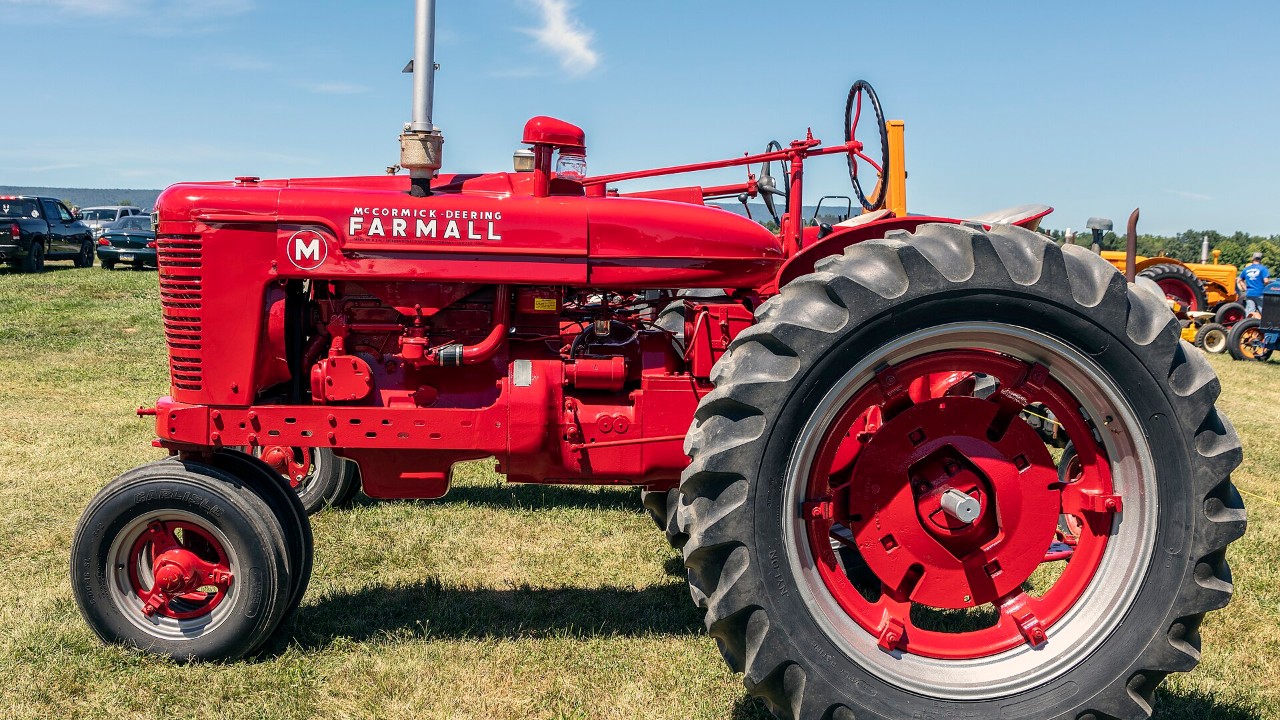
International Harvester introduced the McCormick-Deering Farmall in 1924. Over the next three decades, the Farmall name spread from one gray row-crop tractor to a whole family of them, from a 1.0-liter Cub to a 4.3-liter Super M.
These seven models trace that line from the Regular to the Super M. Production totals and tested belt horsepower come from TractorData’s model records, and The Henry Ford museum supplies the starting point.
1. 1924–1932 Farmall Regular
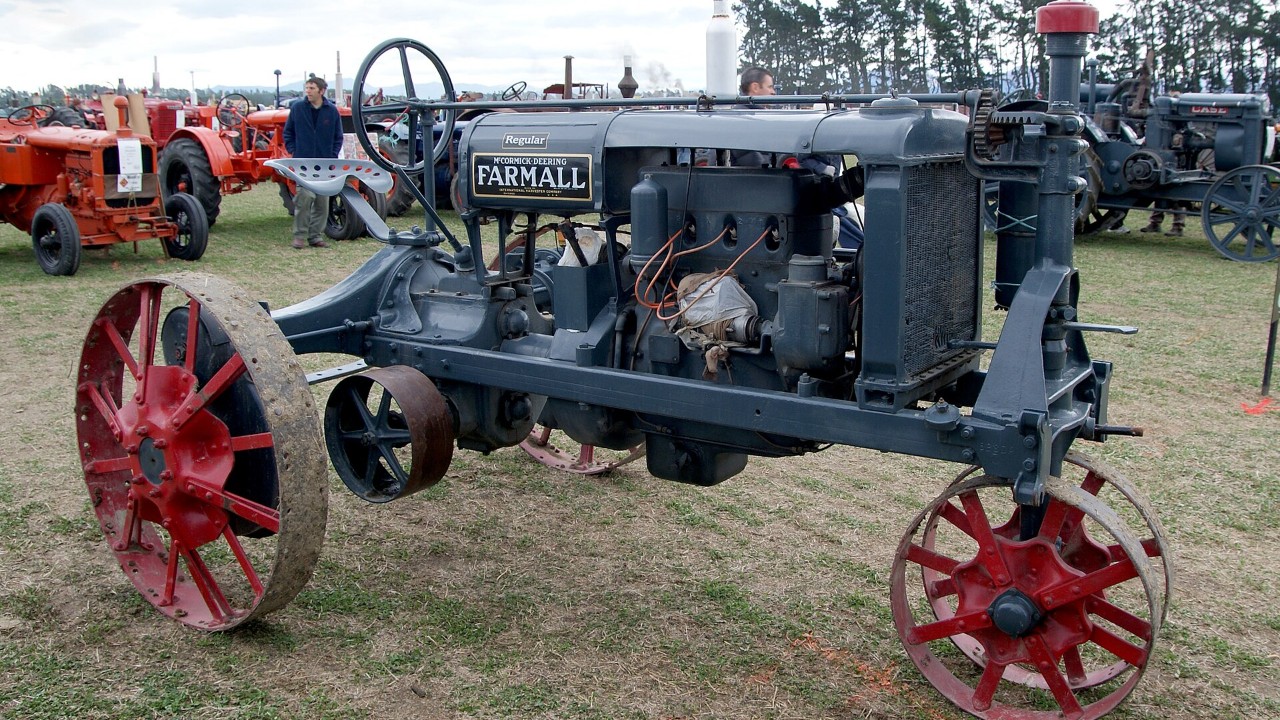
The Henry Ford calls the McCormick-Deering Farmall the first commercially successful row-crop tractor. In fact, it helped International Harvester overtake Ford Motor Company to lead the nation in tractor sales.
The museum acquired its own Regular in 1952, and conservators later returned it to its 1926 look in Harvester Gray, with steel wheels in place of rubber, as its conservation article explains. According to TractorData, the Regular used a 3.6-liter four tested at 20.05 belt horsepower. International Harvester built 134,650 from 1924 to 1932.
2. 1931–1939 Farmall F-30
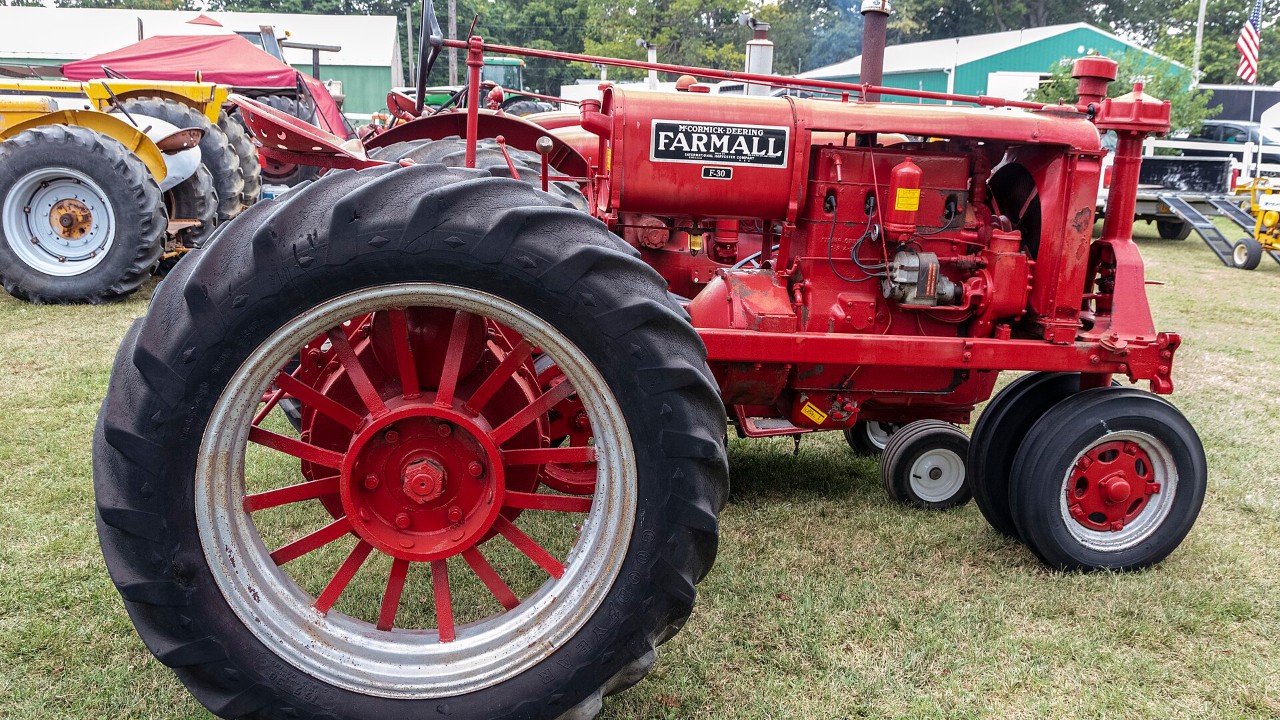
The bigger F-30 arrived in 1931, a year before the Regular’s direct successor. It moved up to a 4.6-liter four that burned distillate fuel, and it weighed 5,300 pounds.
The claimed rating was 30 belt horsepower, but the tested figure came in higher at 32.80. Drawbar output also beat the claim, with 24.85 tested against 20. A four-speed gearbox handled the load, and Rock Island built 28,902 F-30s through 1939, according to TractorData’s F-30 page.
3. 1932–1939 Farmall F-20
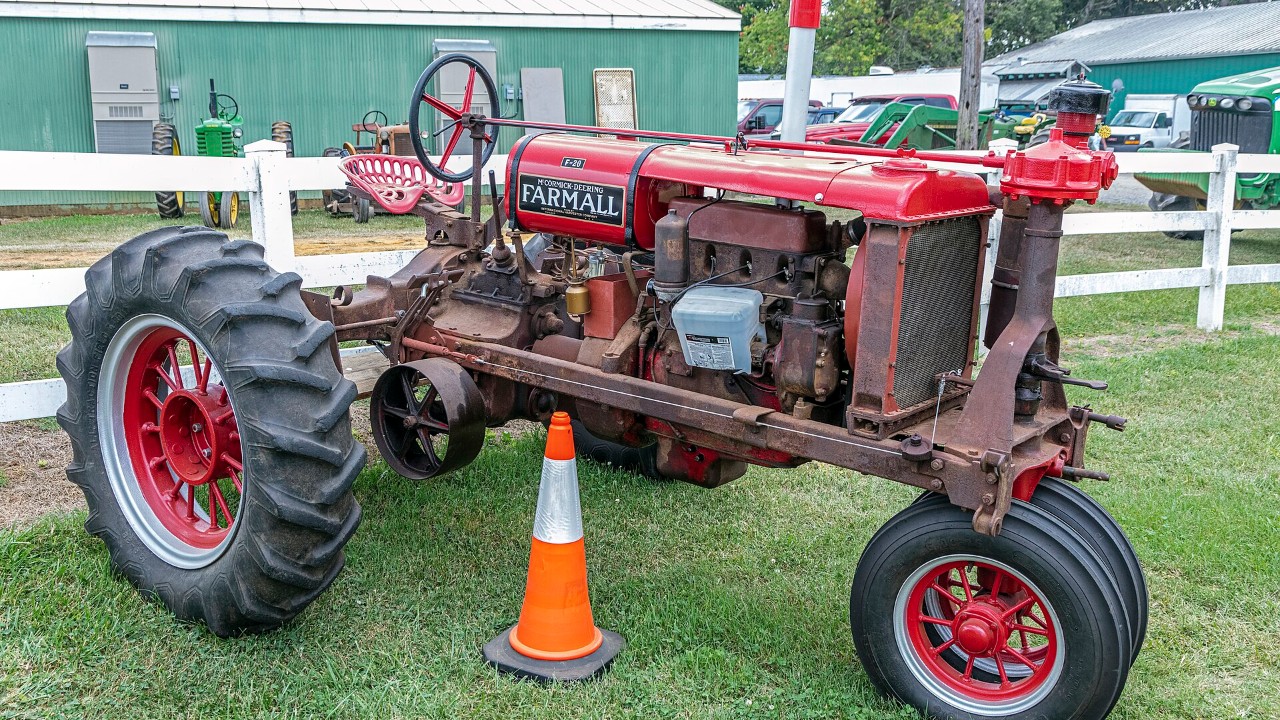
The F-20 replaced the Regular and kept its 3.6-liter displacement. Even so, it tested at 28.0 belt horsepower and 20.66 at the drawbar, well up on the Regular’s 20.05 and 13.27.
It also traded the old three-speed for a four-speed sliding-gear transmission. A new F-20 cost about $1,000 in 1936. Rock Island then turned out 154,398 by 1939, more than the Regular managed in its whole run, according to TractorData.
4. 1939–1953 Farmall H
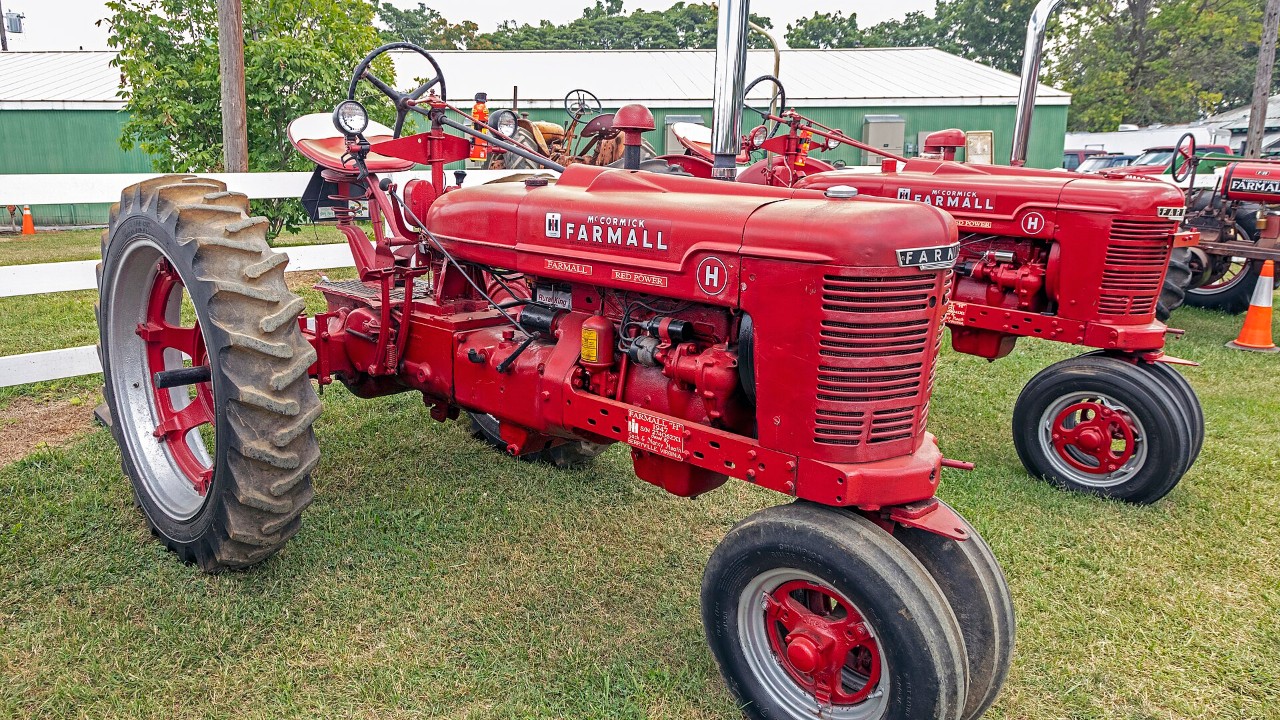
The H arrived in 1939, the same year F-20 and F-30 production ended. Its 2.5-liter four could run on gasoline, distillate or kerosene, and it tested at 26.20 belt horsepower through a five-speed gearbox.
That small engine did not hold sales back. Rock Island built 391,227 Hs through 1953, the biggest total in this list. Late in the run, a new H cost $2,000 in 1953, as TractorData’s H record shows.
5. 1939–1954 Farmall M
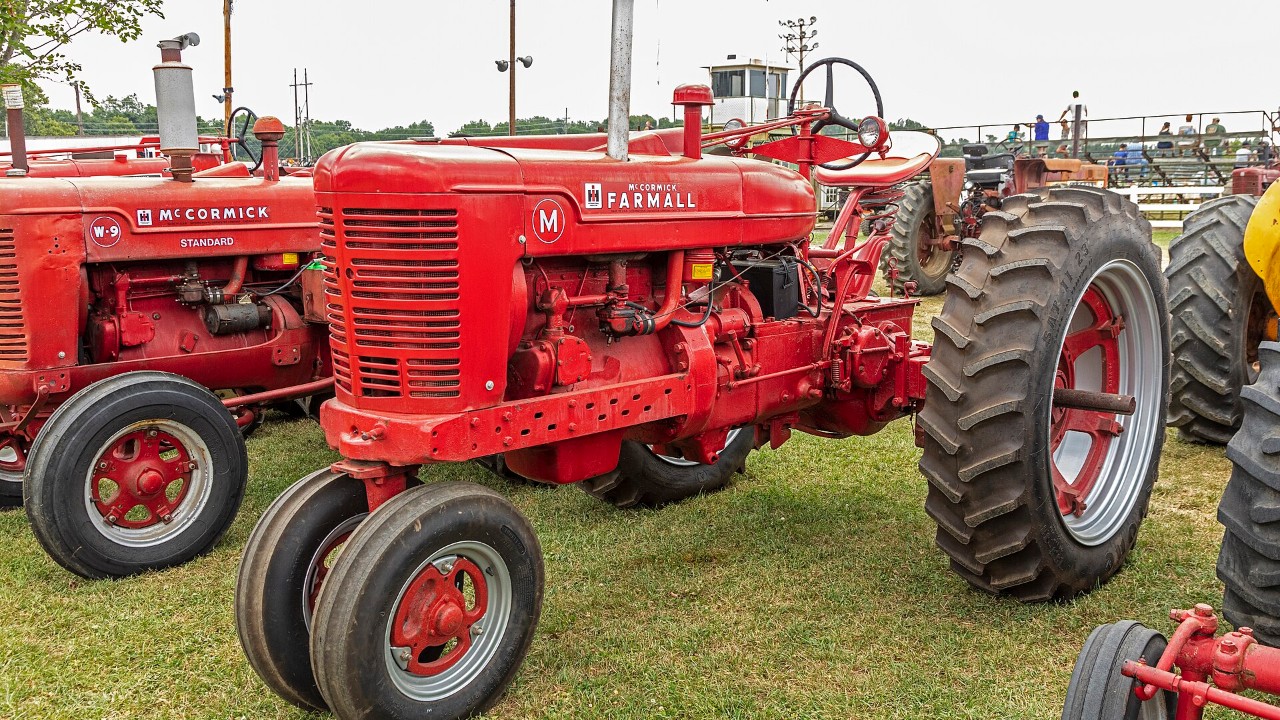
The M shared the H’s 1939 debut but carried a 4.1-liter four, tested at 36.66 belt horsepower and 33.1 at the drawbar. At 4,858 pounds, it also outweighed the H by nearly 1,000 pounds.
Its prices show how much the postwar years moved. TractorData lists $1,440 in 1946 and $2,600 in 1952. Rock Island built 270,140 Ms before production ended in 1954.
6. 1947–1964 Farmall Cub
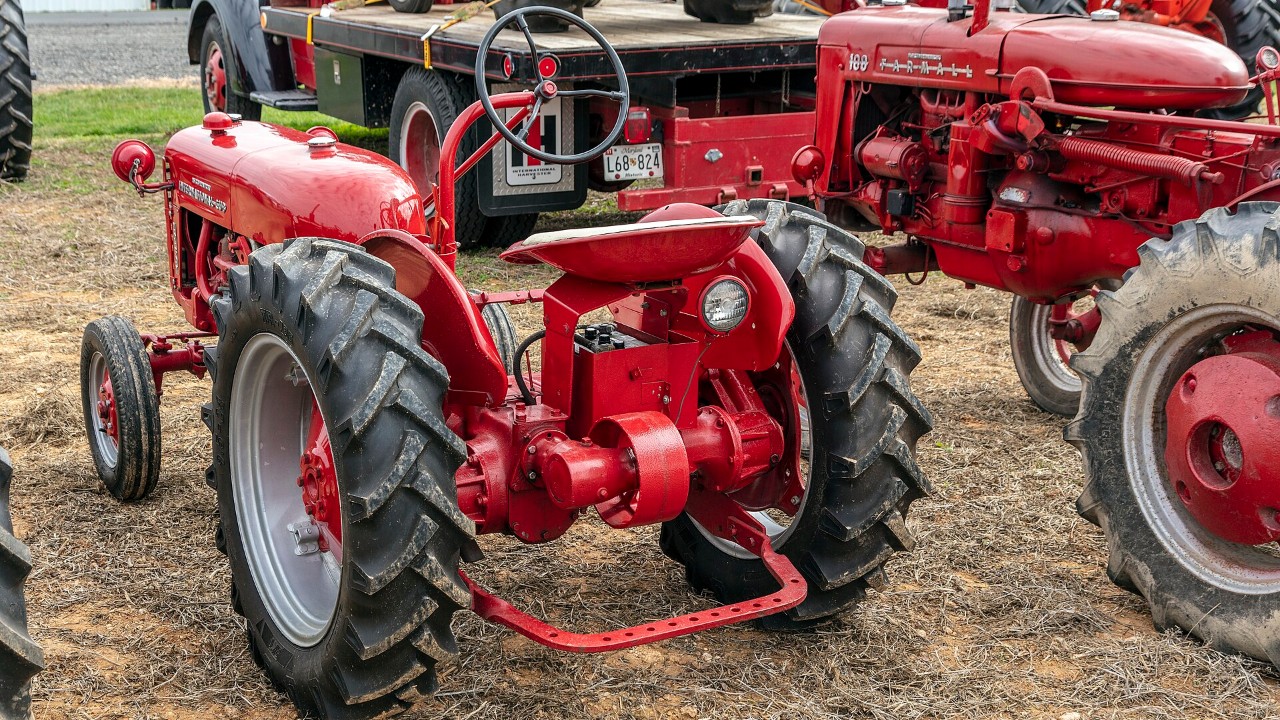
The Cub went the other way. International Harvester built it in Louisville, Kentucky, with a 1.0-liter four tested at 9.87 drawbar horsepower and a weight of 1,477 to 1,877 pounds.
TractorData gives no production total. However, its Cub record lists a final serial number of 224703 for 1964, the Cub’s last year. That run of 18 model years outlasted every other Farmall tractor here.
7. 1952–1954 Farmall Super M
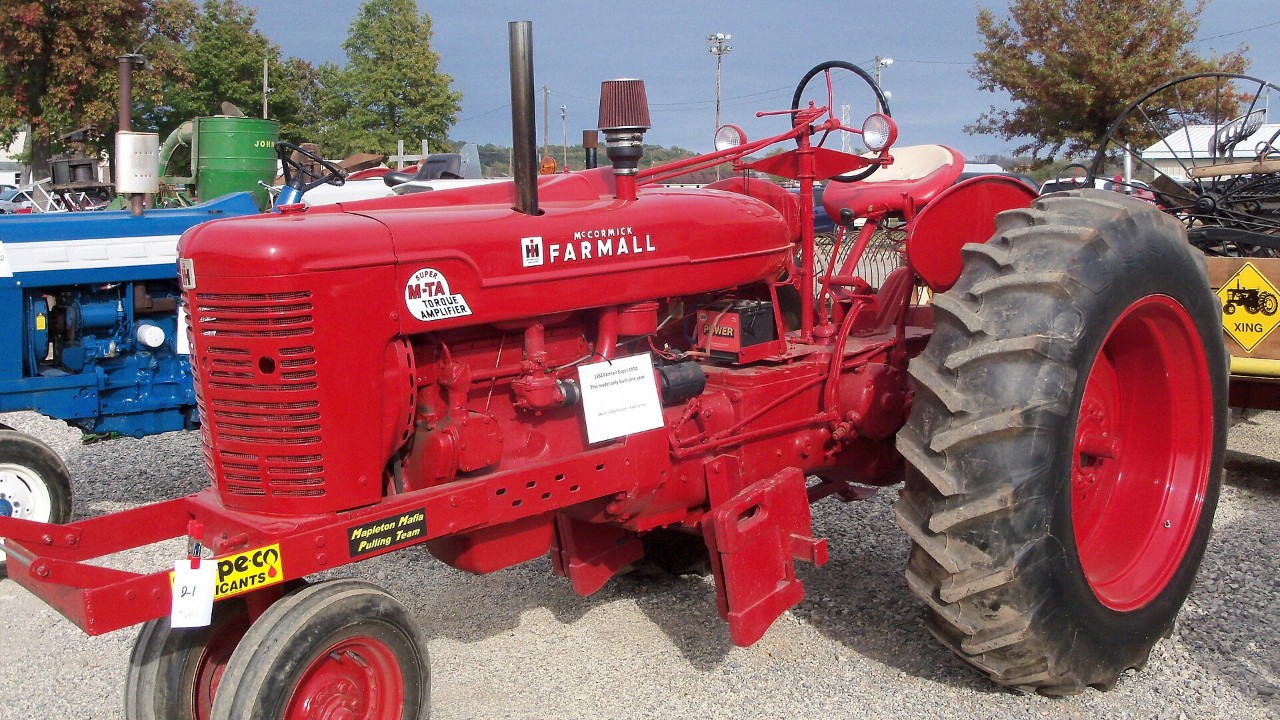
The Super M stretched the M’s engine to 4.3 liters, and tested output climbed to 47.07 belt and 44.23 drawbar horsepower. Buyers could also order an LP gas version alongside the gasoline model.
Production split between two plants, with 44,551 at Rock Island and 12,541 at Louisville, for 57,092 in all. TractorData also lists 245 Super MV units. Finally, a new Super M cost $2,500 in 1954, the last year of the run, according to TractorData’s Super M page.
More from Fast Lane Only