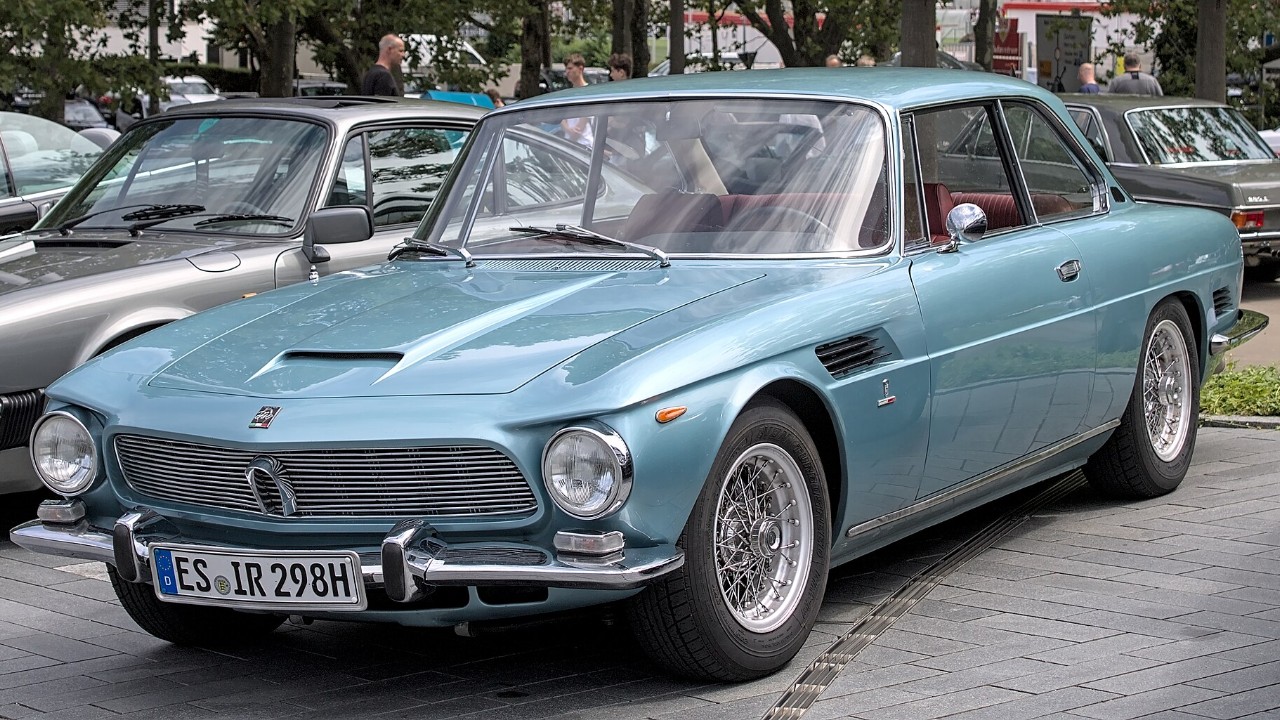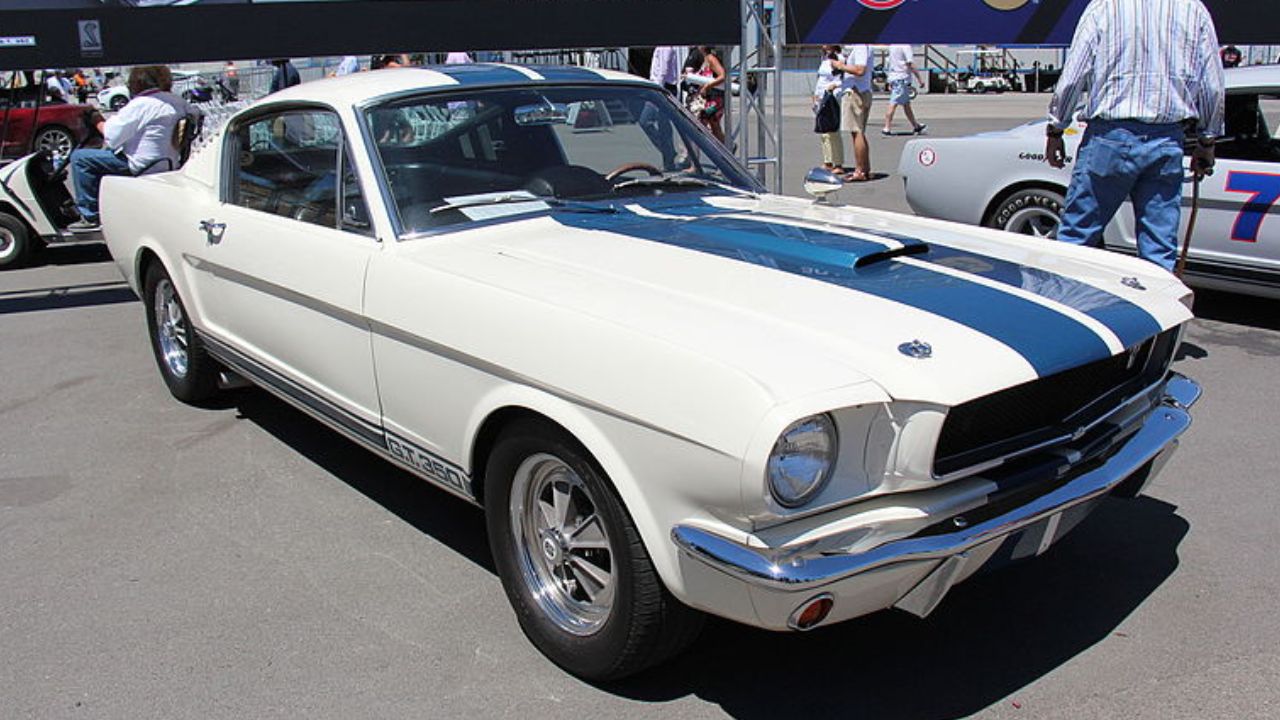
The 1960s were a transformative decade for the American automobile industry, characterized by the rise of high-performance muscle cars that captured the imagination of car enthusiasts and everyday drivers alike. This era saw manufacturers like Ford, Chevrolet, and Dodge unleash powerful vehicles that not only offered speed but also reflected a cultural shift towards freedom and individuality. Understanding these iconic cars is essential for automotive history enthusiasts and collectors, as they continue to influence today’s performance vehicles.
The Birth of the Muscle Car
The term “muscle car” became popular in the mid-1960s, referring to a class of American-made cars equipped with powerful engines and designed for straight-line speed. Typically, these vehicles featured a combination of a lightweight body and a high-displacement V8 engine, offering an exhilarating driving experience. The introduction of the Pontiac GTO in 1964 is often cited as the catalyst for this movement, setting the stage for an array of formidable competitors.
Top Contenders: The GTO and Beyond
The Pontiac GTO (1964) is widely recognized as the first true muscle car. It featured a 389 cubic inch V8 engine that could produce up to 360 horsepower, allowing it to reach 0 to 60 mph in just 6.6 seconds. This combination of speed and style resonated with consumers, leading to sales of over 32,000 units in its inaugural year. The GTO’s success prompted other manufacturers to enter the muscle car arena, resulting in an exciting era of automotive innovation.
Chevrolet’s Camaro and the Ford Mustang
In 1967, Chevrolet introduced the Camaro as a direct competitor to the Ford Mustang, which had debuted in 1964 and quickly became a cultural phenomenon. The 1967 Camaro offered several engine options, including a powerful 396 cubic inch V8 that delivered 375 horsepower. Meanwhile, the Mustang’s 289 cubic inch V8 engine could achieve 271 horsepower, allowing both cars to compete fiercely in terms of performance. By 1966, the Mustang had sold over 600,000 units, solidifying its place in automotive history.
Dodge’s Charger and Plymouth’s Road Runner
Another significant player in the muscle car market was Dodge, which launched the Charger in 1966. The Charger was notable for its sleek design and powerful engine options, including a 426 cubic inch HEMI V8 that produced a staggering 425 horsepower. Similarly, the Plymouth Road Runner, introduced in 1968, became famous for its combination of affordability and speed, boasting a 383 cubic inch V8 that could produce 335 horsepower. This made it a popular choice among racing enthusiasts and everyday drivers alike.
Performance and Popularity
The muscle cars of the ’60s were not just about raw power; they also tapped into the cultural zeitgeist of the era. With the rise of youth culture, these vehicles became symbols of rebellion and freedom. The performance statistics of these cars were impressive, with many models achieving quarter-mile times under 14 seconds. The 1969 Chevrolet Camaro ZL1, for instance, could complete the quarter-mile in just 13.3 seconds, showcasing the engineering prowess of the time.
Legacy and Impact on Automotive Culture
The legacy of the muscle cars from the ’60s continues to influence modern automotive design and performance. Manufacturers today often draw inspiration from these classic models, incorporating retro styling elements and powerful engines into their new offerings. Additionally, the muscle car culture has birthed a robust aftermarket industry, with enthusiasts customizing and restoring these iconic vehicles, ensuring their place in automotive history.
Collector’s Market and Value Appreciation
As the years have passed, the demand for classic muscle cars has surged, leading to significant appreciation in their value. Models like the 1969 Chevrolet Camaro ZL1 and the 1970 Plymouth HEMI Cuda have been sold at auction for over $1 million, reflecting their status as coveted collector’s items. This trend highlights the enduring appeal of these vehicles, which continue to attract new generations of enthusiasts.
Conclusion: Embrace the Muscle Car Revolution
The fastest muscle cars of the ’60s not only reshaped the automotive landscape but also left an indelible mark on American culture. These vehicles represent a unique blend of performance, style, and freedom that resonates even today. As interest in classic cars continues to grow, potential buyers and collectors are encouraged to engage with this rich automotive history. For those looking to own a piece of the past or simply appreciate these remarkable machines, the time to act