In the world of sports cars, few stories are as unconventional as that of the Marcos GT. Built by a small British company that believed craftsmanship could rival corporate muscle, this car defied convention by using techniques long abandoned by mainstream automakers. Though by 1968 the brand had evolved beyond its wooden beginnings, the Marcos GT’s legacy as a symbol of ingenuity and rebellion in motorsport endures.
The Origins of the Marcos GT: A Blend of Innovation and Tradition

Marcos Engineering was founded in 1959 by Jem Marsh and Frank Costin—an aeronautical engineer who had worked on lightweight aircraft structures for de Havilland and Lotus. From the start, the duo rejected conventional automotive materials, crafting early Marcos models with laminated plywood chassis instead of steel.
The concept wasn’t nostalgia—it was strategy. Plywood offered remarkable stiffness and low weight, giving the car a superb power-to-weight ratio. That early innovation set the tone for the company’s design philosophy, even after it transitioned to fiberglass and steel construction by the late 1960s.
The Role of Wood in Motorsport: A Historical Perspective

Before aluminum monocoques and carbon fiber, wood was the race car builder’s friend. From boat-tailed racers of the 1920s to the Morgan sports cars that still use ash frames today, the material offered easy shaping and surprising strength. By the 1960s, though, nearly everyone had moved on—except Marcos.
The early wooden-chassis cars proved that, when engineered properly, plywood could rival steel for rigidity. Even after Marcos adopted fiberglass shells, the company’s commitment to lightweight design remained rooted in those early experiments.
Design and Engineering: How the Marcos GT Stood Out
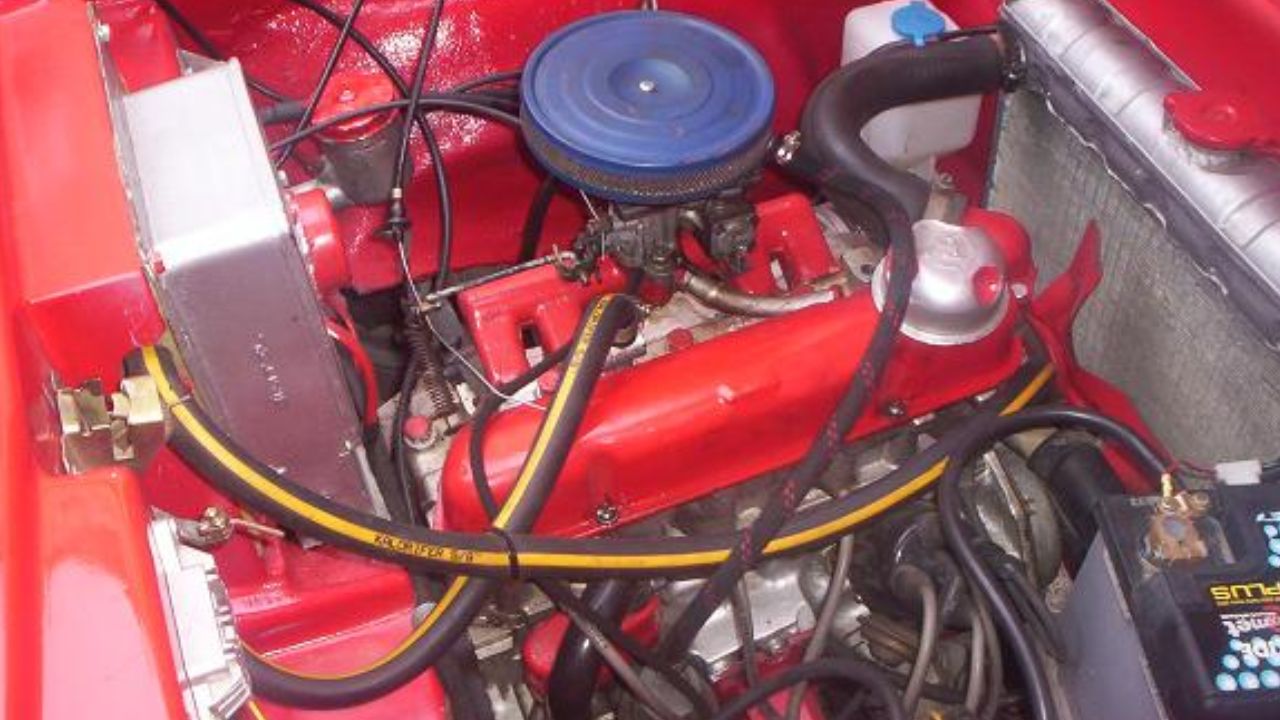
The 1968 Marcos GT epitomized aerodynamic minimalism. Its long, low body—barely waist-high—cut through the air like a glider, reflecting Costin’s aerospace background. Beneath that fiberglass shell sat engines ranging from the Ford Kent 1600 to the Volvo B18 and B30, each chosen for performance and reliability.
Combined with the car’s light structure, these engines delivered sharp handling and lively acceleration. The Marcos GT wasn’t just another British sports car—it was a study in how engineering creativity could achieve results beyond what big budgets usually allowed.
Marcos on the Track: Success in Spirit

While the 1968 GT itself was primarily a road car, Marcos’s competition spirit was alive and well. The company’s Mini Marcos, a smaller, related design, famously finished 15th overall at the 1966 24 Hours of Le Mans, the only British entry to cross the line that year.
That achievement put Marcos Engineering on the international map. The success of the Mini Marcos underscored the company’s approach—lightweight, aerodynamic, and different. Though the 1968 GT didn’t race at Le Mans, it shared the DNA that made such success possible.
The Marcos GT’s Broader Impact

The Marcos GT’s influence went far beyond its modest production numbers. Its handcrafted construction, aerodynamic styling, and clever packaging inspired other small builders to experiment with alternative materials and minimalist engineering. Marcos proved that innovation didn’t require massive factories—just vision and determination.
Modern collectors now celebrate the GT for what it represents: the golden age of British ingenuity, when a pair of engineers could challenge giants like Jaguar and Lotus using skill, not scale.
Legacy and Influence: A British Classic That Broke the Rules
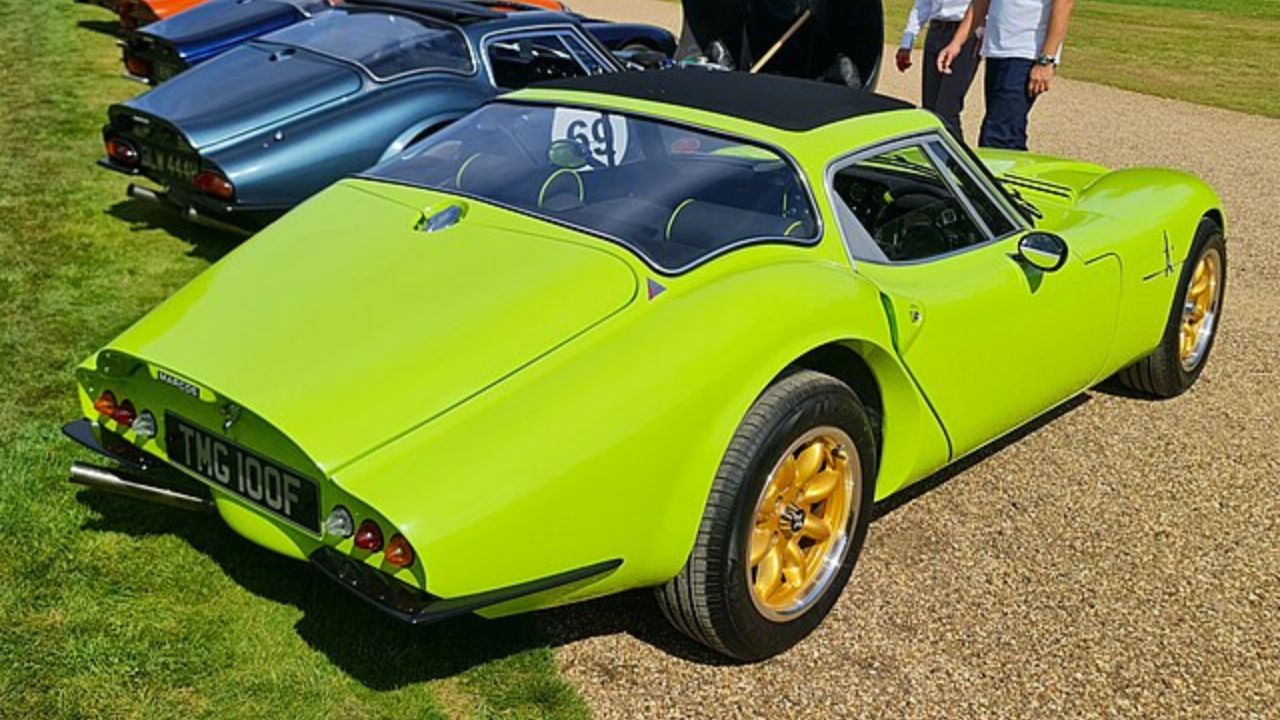
Today, the Marcos GT enjoys cult status among collectors and vintage racers. Its blend of artistry, performance, and defiance captures everything that made 1960s sports cars so compelling. Even decades later, it remains proof that innovation often comes from the margins, not the mainstream.
By daring to use wood when everyone else used steel, and by prioritizing engineering over marketing, Marcos built more than a car—it built a legacy.
Like Fast Lane Only’s content? Be sure to follow us.
Here’s more from us:
*Created with AI assistance and editor review.