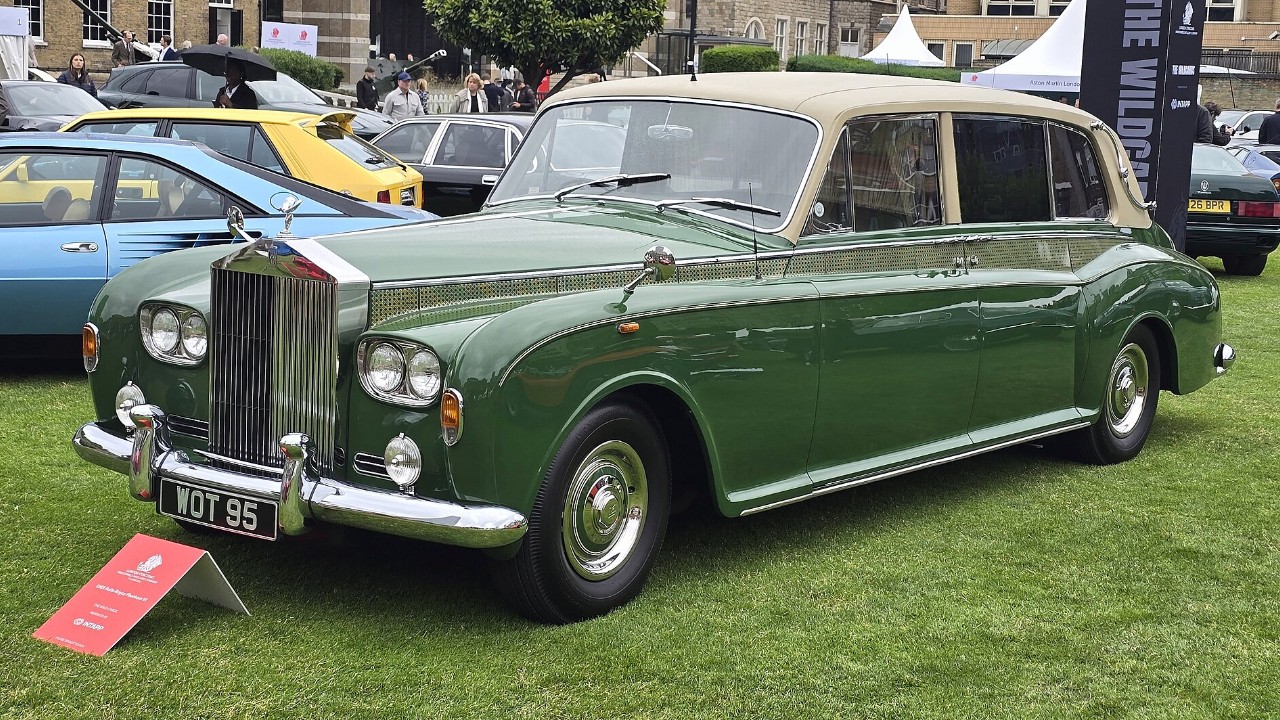
Cadillac built 904 Fleetwood 75 limousines for 1962, and each one cost $9,937 before options. That price bought nine seats, a leather-trimmed chauffeur’s compartment and wool broadcloth for the passengers. A limousine has always been a statement about who sits in the back.
The type has carried presidents, queens, Soviet officials and plenty of wedding parties. Some limousines came from famous factories. Others came from coachbuilders who cut ordinary sedans in half and added a few feet in the middle.
These 10 are the limousines we quietly admire. They’re our picks, and the admiration is our opinion. Still, the years, engines, production figures and prices come from factory records, auction catalogs, owners’ clubs and histories we read for this story.
1. 1962 Cadillac Fleetwood 75 limousine
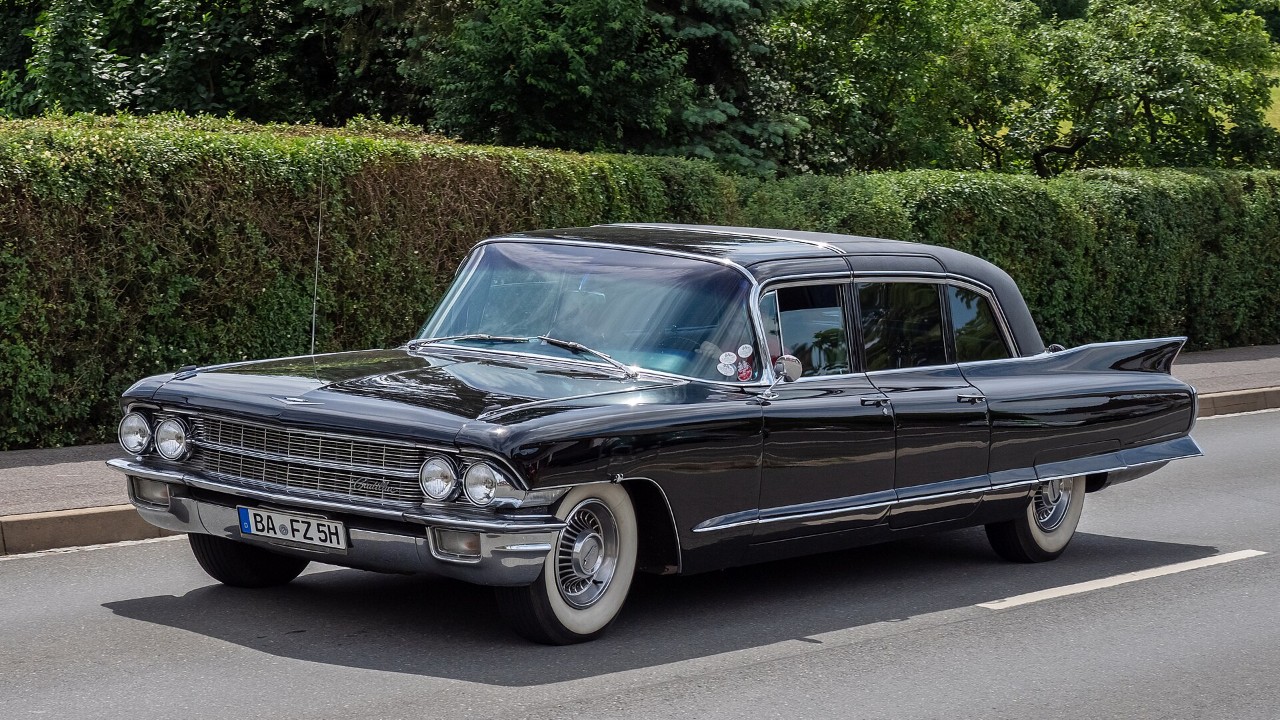
Cadillac built its Series 70 and 75 cars from the 1930s into the 1980s, and by 1962 the Fleetwood 75 was the company’s formal car. That year, Cadillac built 904 limousines at $9,937 and 696 sedans at $9,722, according to the Cadillac Database. The limousine’s front compartment wore piped leather, while the rear came in wool broadcloth or Calais cord.
The Fleetwood 75 limousine rode on a wheelbase of almost 150 inches and seated nine. Power came from a 390-cubic-inch V8 rated at 325 horsepower. Even the rear armrest carried a wreath and crest, just like the Series 60 Special.
In short, we admire the Fleetwood 75 limousine because it was a factory car built in real numbers, not a one-off. Every Fleetwood 75 limousine also shows how Cadillac’s styling looked when stretched to its limit. Our list of Cadillacs from the 1950s and 1960s that still impress covers more of that era.
2. Rolls-Royce Phantom VI limousine
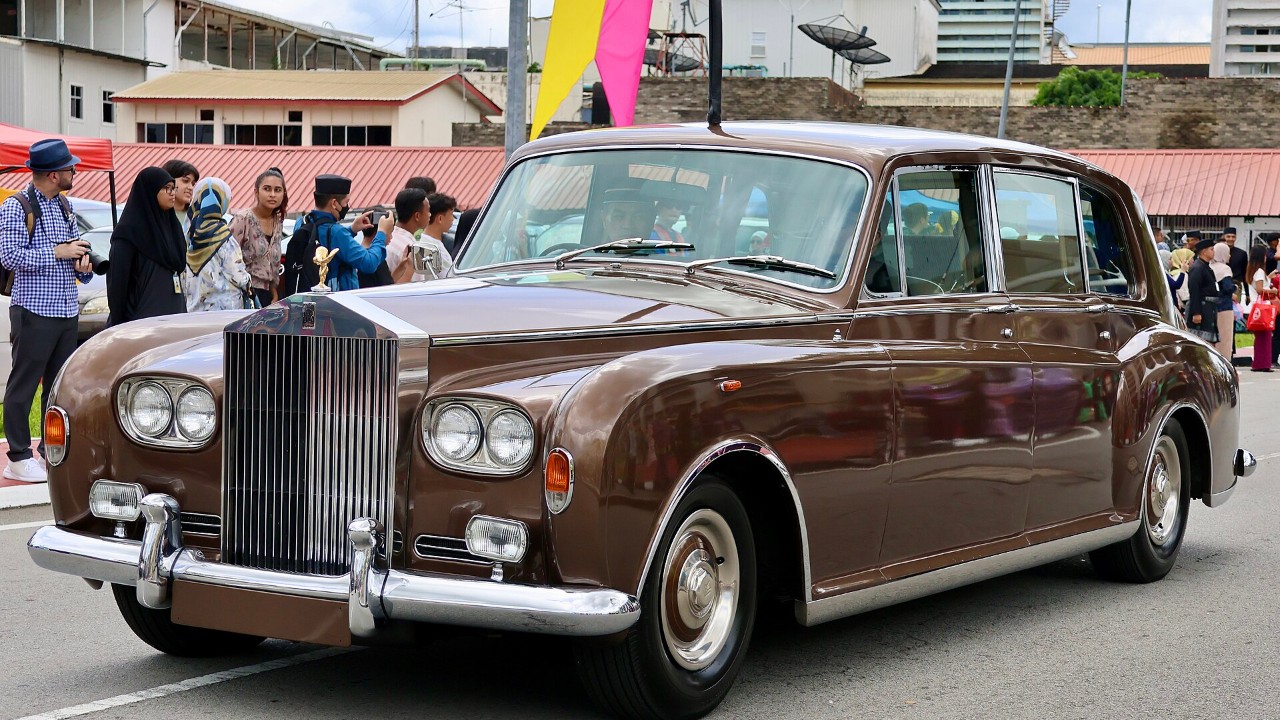
Rolls-Royce introduced the Phantom VI in 1968, and the final car left Crewe in 1993. In that time, the company built only 374 of them. The car is closely tied to H. J. Mulliner Park Ward, Rolls-Royce’s in-house coachbuilder. Meanwhile, the V8 grew from 6.25 to 6.75 liters over the run.
Royal families loved the car. Queen Elizabeth II owned two, including one called “Lady Norfolk,” which joined the Royal fleet in 1987, according to Autonatives. The Queen Mother had a landaulette of her own. The Phantom VI shown here belongs to the royal family of Brunei.
We admire the Phantom VI because it refused to change with the times. Many of its parts dated back to the Silver Cloud era, yet Rolls-Royce kept taking orders until 1991. Then the very last car, a black-and-red landaulette, left the factory two years later.
3. 1963 Austin Princess limousine
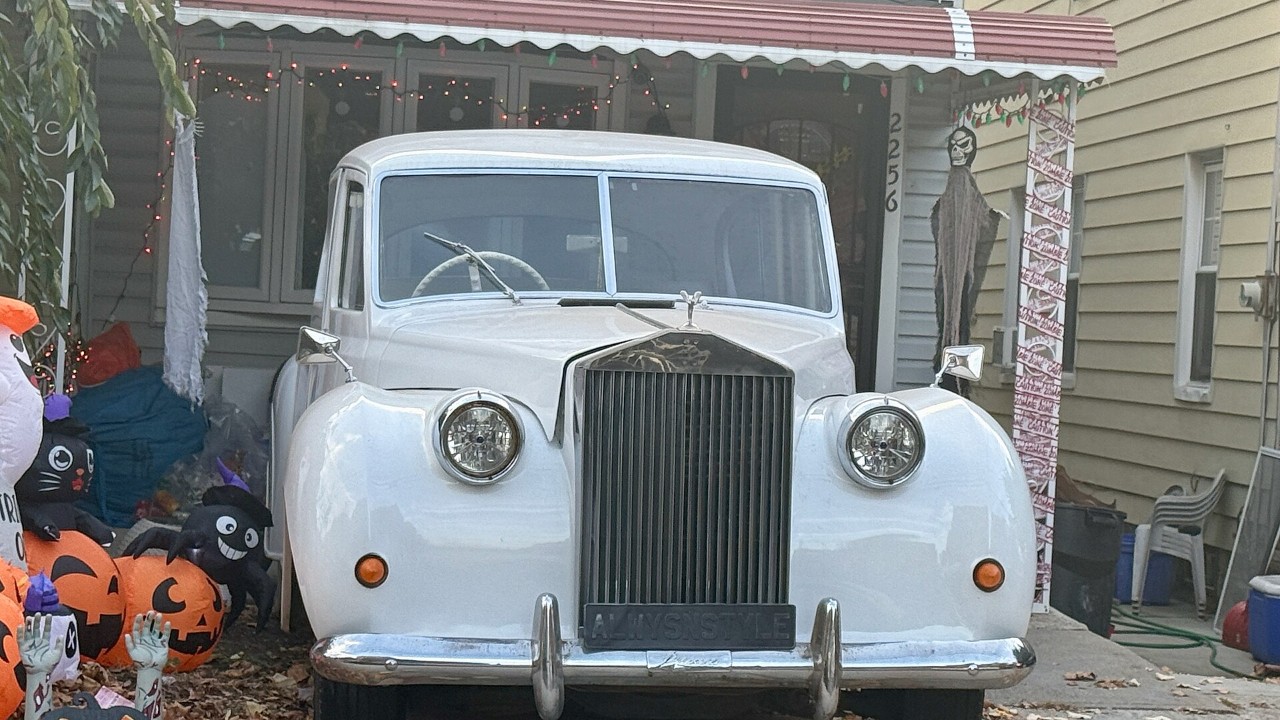
The big Austin made its debut at the October 1952 Earls Court Motor Show as the A135 Princess Limousine. Its builders used steel and light alloy panels over a timber frame on a lengthened chassis. The wheelbase measured 11 feet, and the car stretched almost 18 feet long.
Power came from a 3,993cc straight-six. The name changed more than once, too. It became simply “Princess” in 1959 and then “Vanden Plas Princess” in 1960, so a 1963 car like this one wore that badge. According to the Vanden Plas Owners Club, the first two limousines went to the Royal Household for the new Queen, and production reached some 3,238 cars.
We admire the Princess because it gave Britain a proper formal car without the grandest price tag. As the club puts it, the car always represented good value against its rivals. Production finally ended in May 1968, and Daimler’s DS420 took over its role.
4. Packard Super Eight 1502 touring limousine
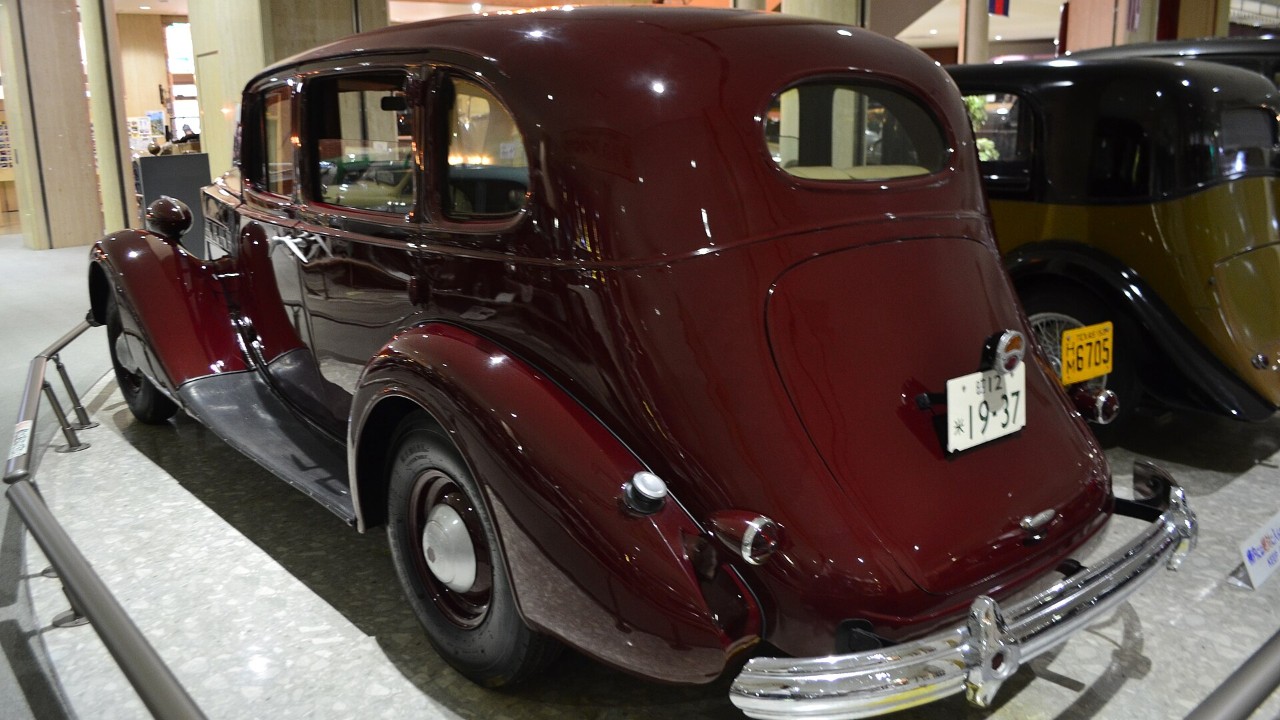
Packard’s 1502 belongs to the company’s 15th series, the 1937 models. It rode on a 139-inch wheelbase, the longest chassis for the Super Eight. Under the hood sat a 320-cubic-inch L-head straight-eight rated at 135 horsepower, according to RM Sotheby’s.
The 1937 cars also marked the first big update to Packard’s senior line. They gained coil-spring independent front suspension and four-wheel hydraulic brakes. In our view, those changes made a heavy touring limousine far easier to live with.
We admire the Super Eight limousine because it shows Packard at its confident best. It carried the long hood and upright grille that made Packards recognizable from a block away. RM Sotheby’s sold a 1937 Super Eight 1502 convertible sedan at Hershey in 2013 for $110,000.
5. 1949 Humber Pullman Mk II limousine
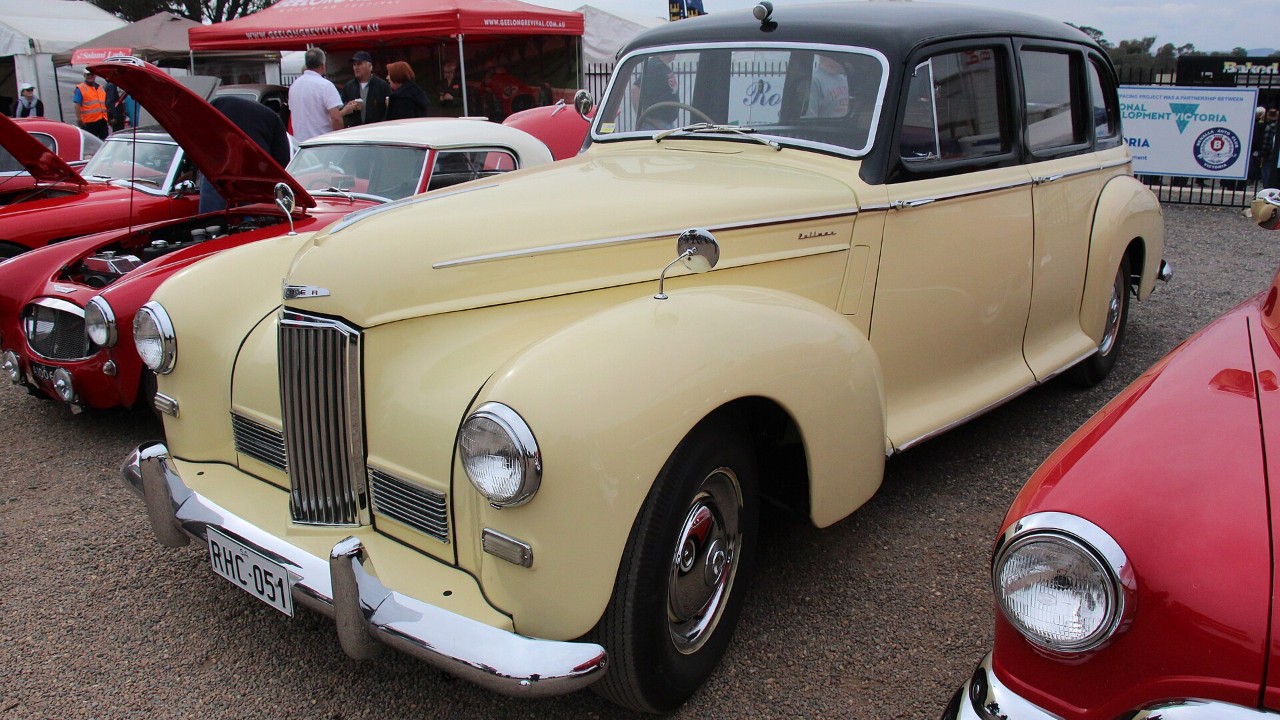
Humber replaced its earlier Pullman in 1948 with a reworked Mk II on a lengthened chassis. A 1948 Humber limousine specification lists a 4.1-liter (4,086cc) six-cylinder engine with 100 horsepower and a 131-inch wheelbase. That made the Pullman a big car by British standards.
Humber built 2,200 Pullmans across the Mk II and Mk III generations. Later, the final Phase IV cars switched to an overhead-valve engine in place of the earlier side-valve unit. In 1954, Queen Elizabeth II and Prince Philip rode in a Humber Pullman during their visit to Brisbane.
We admire the Pullman because it was a big, practical limousine from a mainstream British maker rather than a luxury house. Today, though, a clean Mk II is a rare sight, and its tall, upright body looks like nothing else from the late 1940s.
6. GAZ-13 Chaika
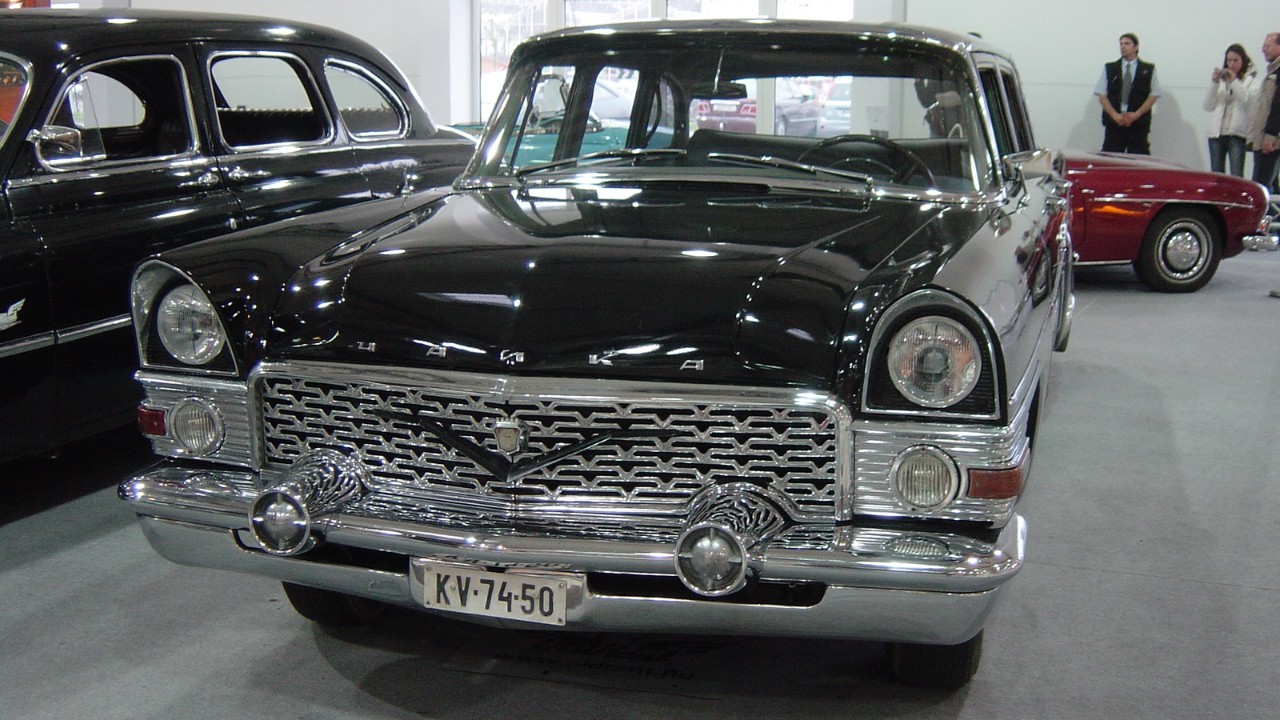
GAZ built the Chaika from 1959 to 1981, mostly at its factory in Gorky, with help from RAF in Riga. Production totaled 3,179 cars. Most were seven-seat, four-door limousines, though a few convertibles and ambulances also left the line.
The Chaika used a 5.5-liter V8 with 195 horsepower and a push-button three-speed automatic. However, ordinary Soviet citizens couldn’t buy one. Instead, the cars went to political leaders, the KGB and ambassadors, according to Motor1. Fidel Castro received one from Nikita Khrushchev, and private citizens could rent one for weddings.
We admire the Chaika because it shows how far American styling traveled in the 1950s. Many observers see the Packard Patrician in its lines. Yet the Chaika stayed in production for more than two decades.
7. Lincoln Town Car stretch limousine
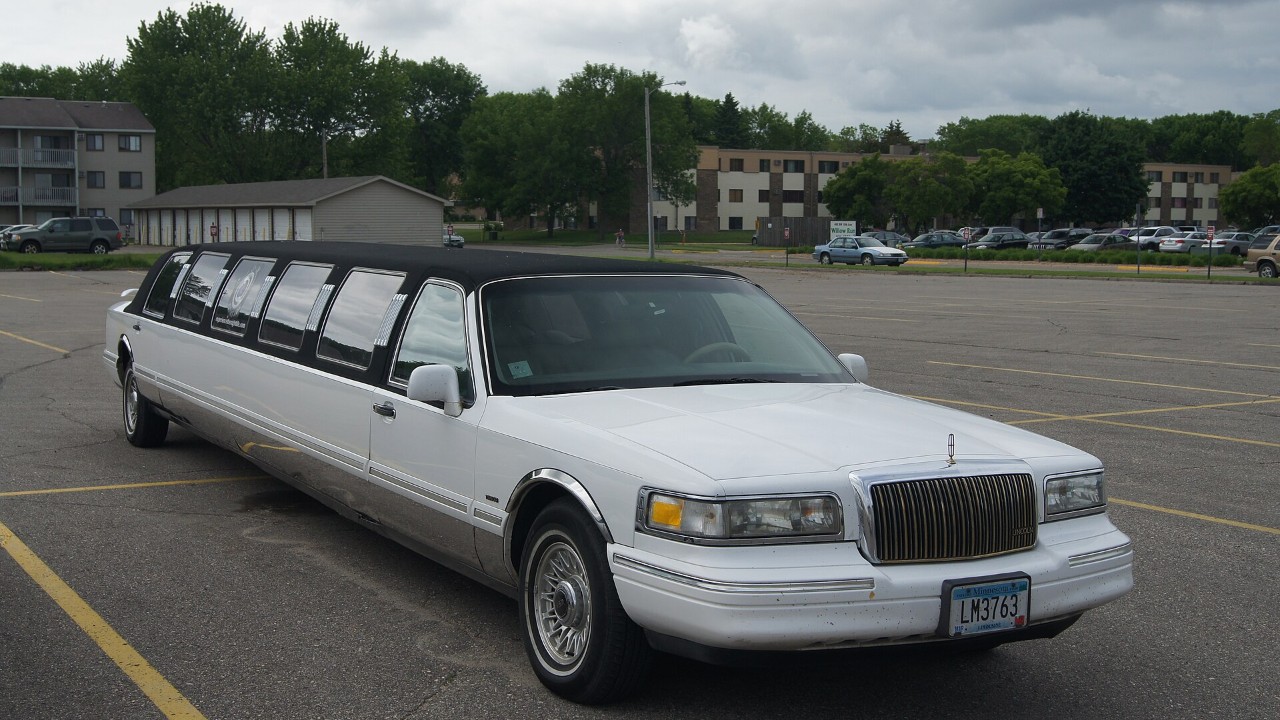
Ford never built Town Car limousines itself. Instead, it designed the car to be easy for others to convert. The body-on-frame chassis let converters cut the frame rails and sleeve them with steel tubing, according to Jalopnik.
Stretches came in four standard lengths: 70, 85, 100 and 120 inches. That last figure was the limit under Ford’s Qualified Vehicle Modifier program. Ford also offered a Limousine Builder’s Package, code 418, with a heavy-duty suspension, extra coolers, a stronger alternator and battery, and longer wiring harnesses.
We admire the Town Car limousine because it made the stretch limo available to everyone. In our view, no other car did more to make the stretch limo ordinary. The Town Car lasted three decades before Ford discontinued it in 2011.
8. 1980 Volvo 264 TE
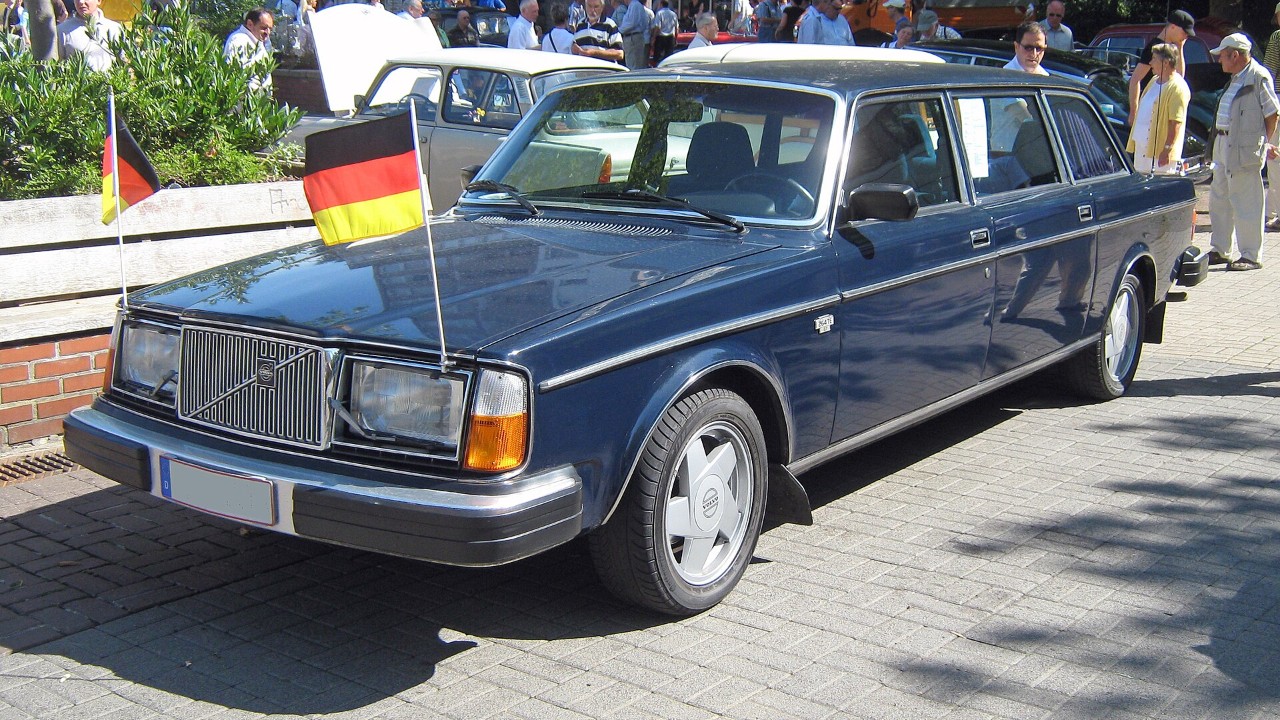
The Volvo 264 TE was a stretched version of the 264 sedan, built by the Italian coachbuilder Bertone. It added 70 centimeters of length and room for six instead of four. Power came from the PRV V6 used in the standard car.
Its most famous customers lived behind the Iron Curtain. East Germany’s leaders, up to Erich Honecker, rode in the 264 TE, according to Jalopnik. In fact, the leadership compound at Wandlitz earned the nickname “Volvograd.” The New York Times even mentioned the Volvos in its 1989 coverage of the state’s collapse.
We admire the 264 TE because it is such an unlikely limousine. A sensible Swedish sedan ended up as the official car of a communist government. That odd mix makes it one of the most interesting stretched cars we know.
9. Peugeot 604 Heuliez limousine
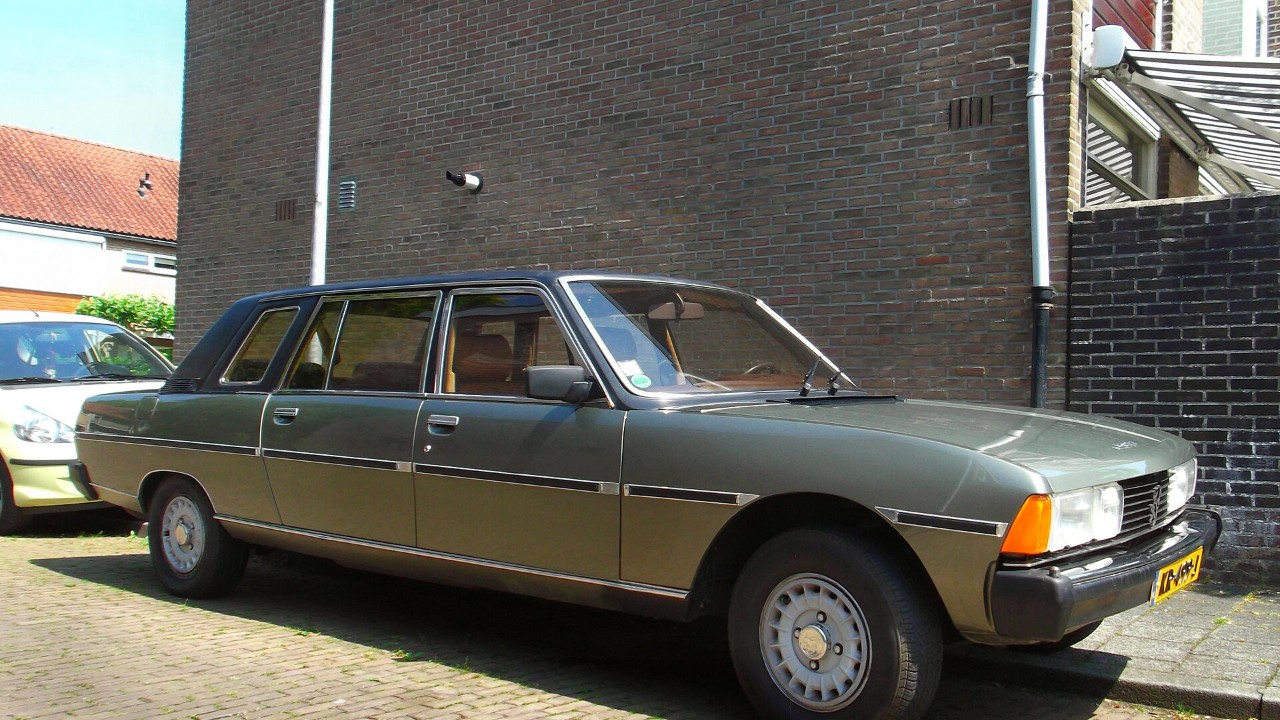
Valéry Giscard d’Estaing brought Peugeot into the Élysée Palace in 1975, the year the 604 arrived. The Élysée ordered four 604s, painted moss green instead of black. Three were production SL models with a 2.6-liter V6 and 136 horsepower.
The fourth was the limousine. Peugeot worked with the coachbuilder Heuliez to lengthen its wheelbase by 62 centimeters, which gave the rear passengers more room, according to Peugeot’s own history of its presidential cars. The president used it for ceremonial occasions.
We admire the 604 Heuliez because it shows French restraint. It’s elegant without trying too hard, and it served a head of state without chrome or fins. Today, Giscard d’Estaing’s 604 limousine belongs to the Musée de l’Aventure Peugeot.
10. 1960 Chrysler Imperial Crown limousine
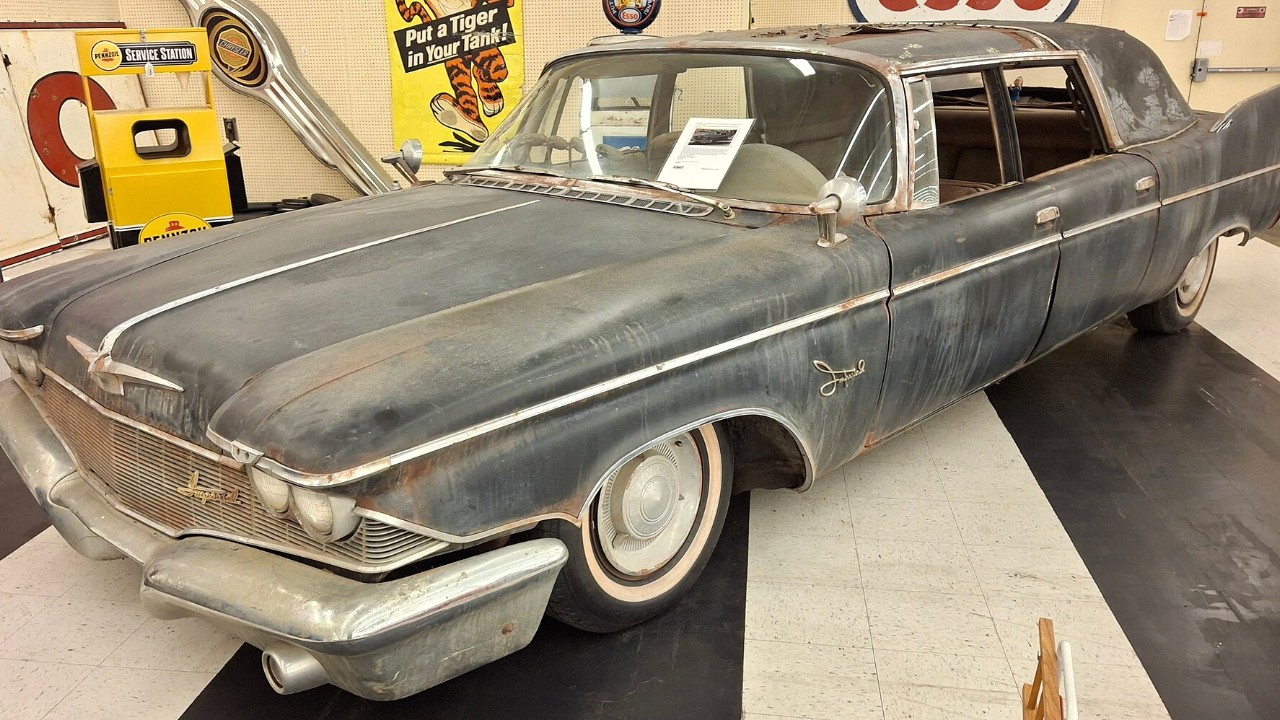
Chrysler shipped partly finished Imperial hardtops with reinforced frames to Ghia in Italy. There, craftsmen cut the bodies, made longer panels by hand and fitted the interiors. Then the finished cars sailed back to North America on a 149.5-inch wheelbase.
Chrysler planned 25 cars for 1960 but completed only 16. Each cost more than $16,000, while a standard Imperial LeBaron cost $6,318. Across nine model years, Ghia built 132 of these limousines, according to Autoevolution. Our story on how Ghia built each Crown Imperial covers more of the process.
The car in our photo has a second life as a movie star. It played Count Olaf’s car, driven by Jim Carrey’s character, in the 2004 film A Series of Unfortunate Events. The crew battered the roof, swapped in a Chevy 454 V8 and added a plexiglass window for the cameras. We admire it because it survived all that. In August 2025, it sold at the Rodz and Bodz Movie Car Museum auction in Englewood, Colorado, for $17,500.
More from Fast Lane Only