The 1950s and 1960s were some of Cadillac’s most memorable decades, when enormous proportions, tail fins, chrome trim, and powerful engines defined American luxury. Many of these cars still have a presence that modern vehicles struggle to match. From elegant convertibles to massive family sedans, these Cadillacs remain impressive decades after they first appeared.
Cadillac Eldorado
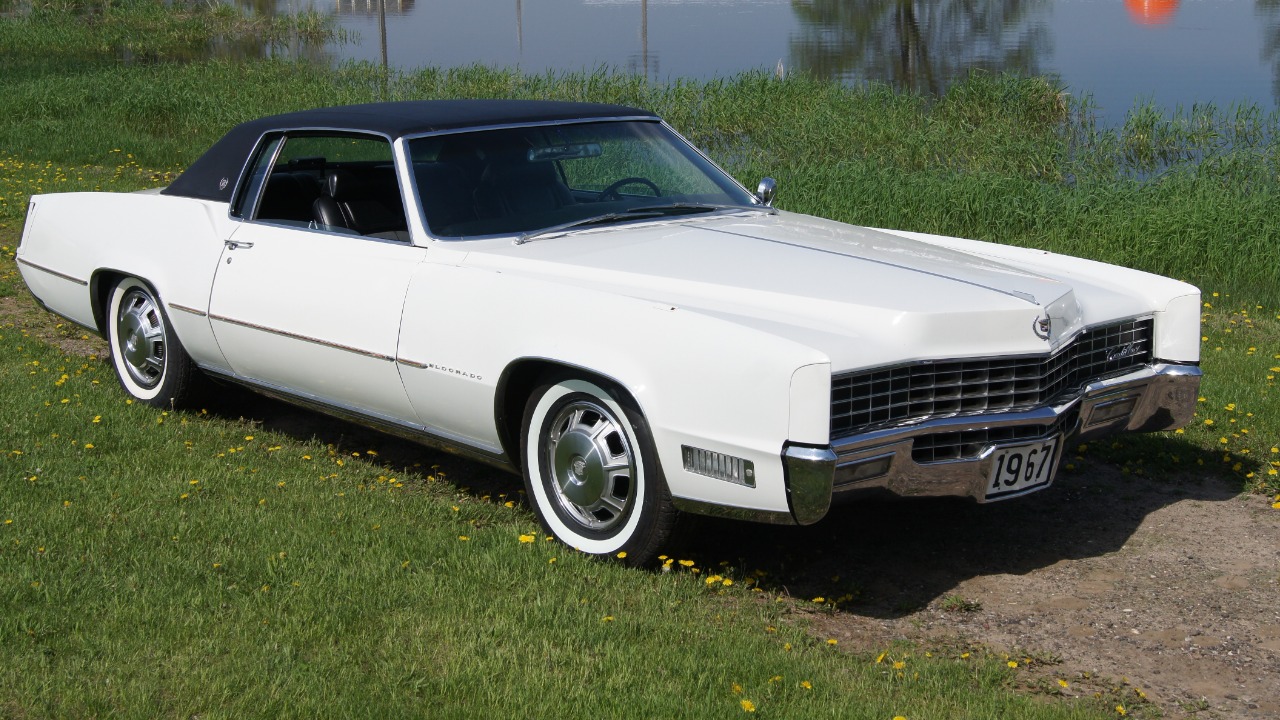
The Eldorado became one of Cadillac’s most recognizable names during the 1950s and 1960s, combining dramatic styling with the kind of luxury buyers expected from the brand. Its long hood, sweeping bodywork, generous chrome, and increasingly powerful V8 engines made it an instant attention-getter. Later versions became especially large and imposing, while earlier cars are remembered for their distinctive tail fins and glamorous presentation. Today, the Eldorado remains one of the easiest Cadillacs to recognize at a classic car show.
Cadillac Series 62
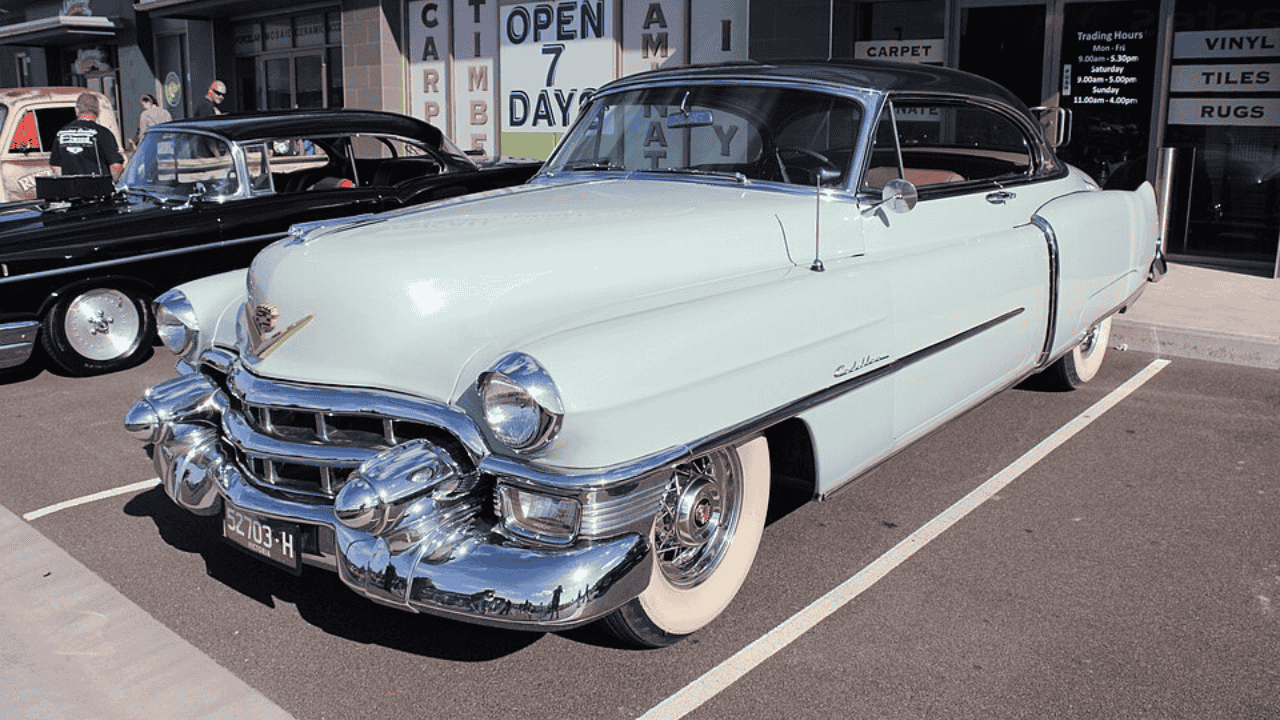
The Series 62 was one of Cadillac’s core models during this period and appeared in several body styles, including sedans, coupes, and convertibles. It managed to combine Cadillac’s extravagant styling with a relatively broad appeal compared with the company’s most expensive models. The 1950s versions are especially memorable for their tail fins, chrome details, and enormous presence. By the 1960s, the design became cleaner while retaining the unmistakable Cadillac character that makes surviving examples so appealing today.
Cadillac DeVille
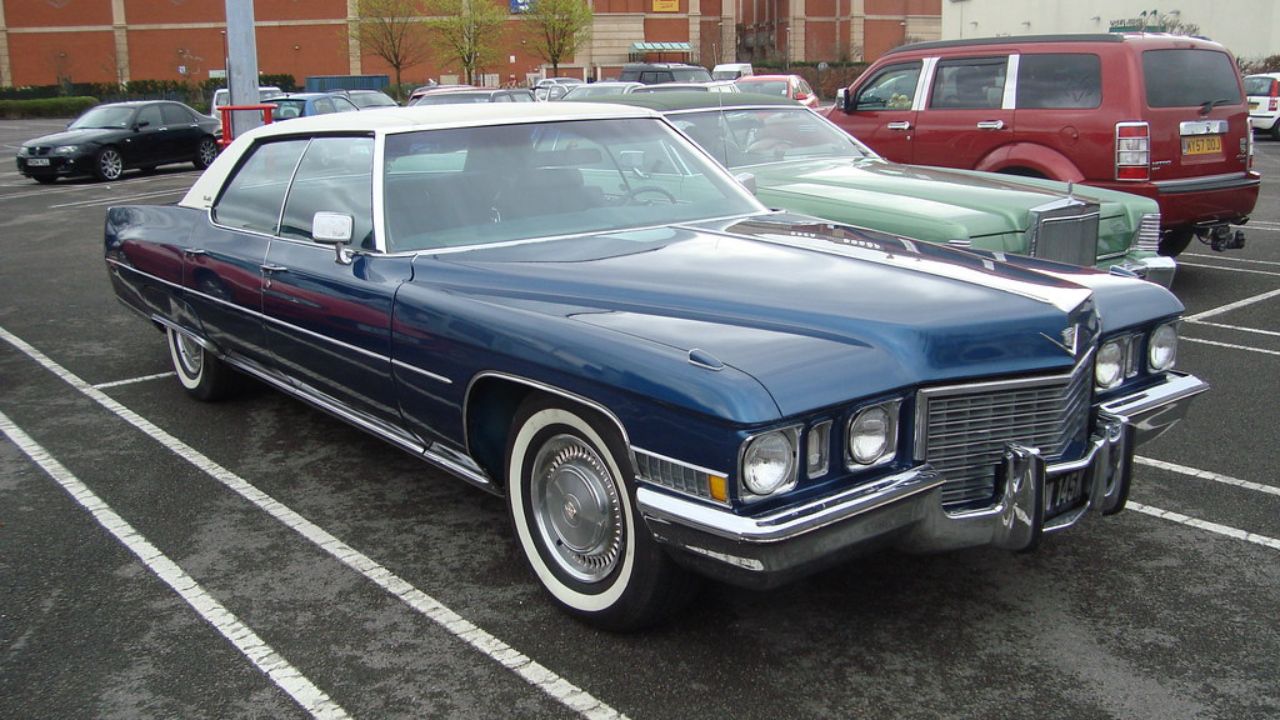
The DeVille name became increasingly important to Cadillac during the 1960s, representing a comfortable luxury car with plenty of visual presence. Its formal rooflines, large dimensions, extensive chrome, and smooth V8 power made it a natural choice for buyers who wanted something more substantial than an ordinary family sedan. The DeVille also helped establish the styling formula Cadillac would continue using for years. Well-preserved examples still look remarkably substantial parked beside much newer cars.
Cadillac Fleetwood
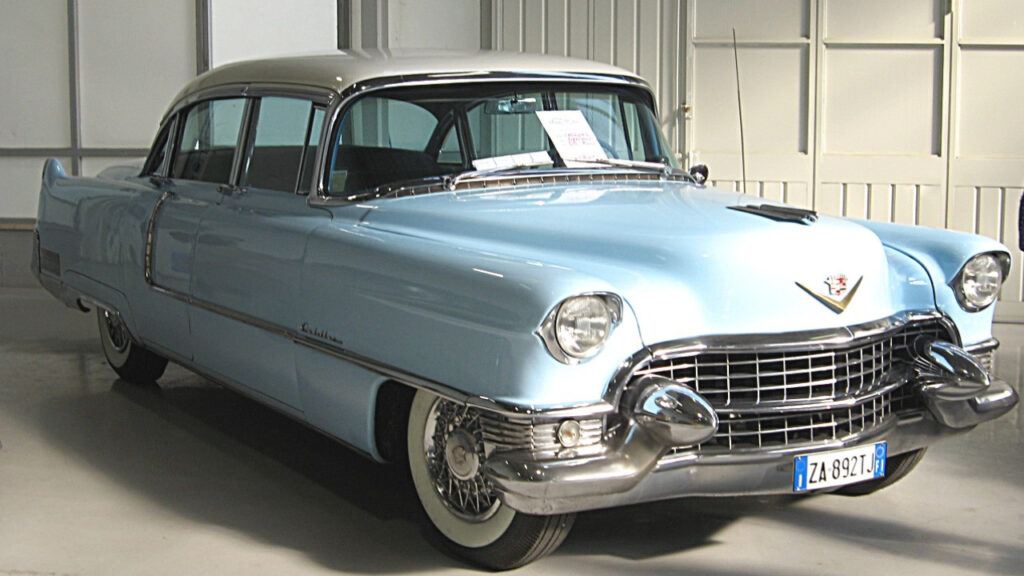
Fleetwood represented the more prestigious side of Cadillac ownership, with larger bodies, more luxurious interiors, and distinctive exterior details. During the 1950s and 1960s, Fleetwood models often served buyers who wanted maximum size and status without moving into an even more specialized limousine. Their formal proportions and carefully finished interiors made them impressive when new and desirable today. A clean Fleetwood can still dominate a gathering of classic American cars simply through its size and presence.
Cadillac Series 60 Special
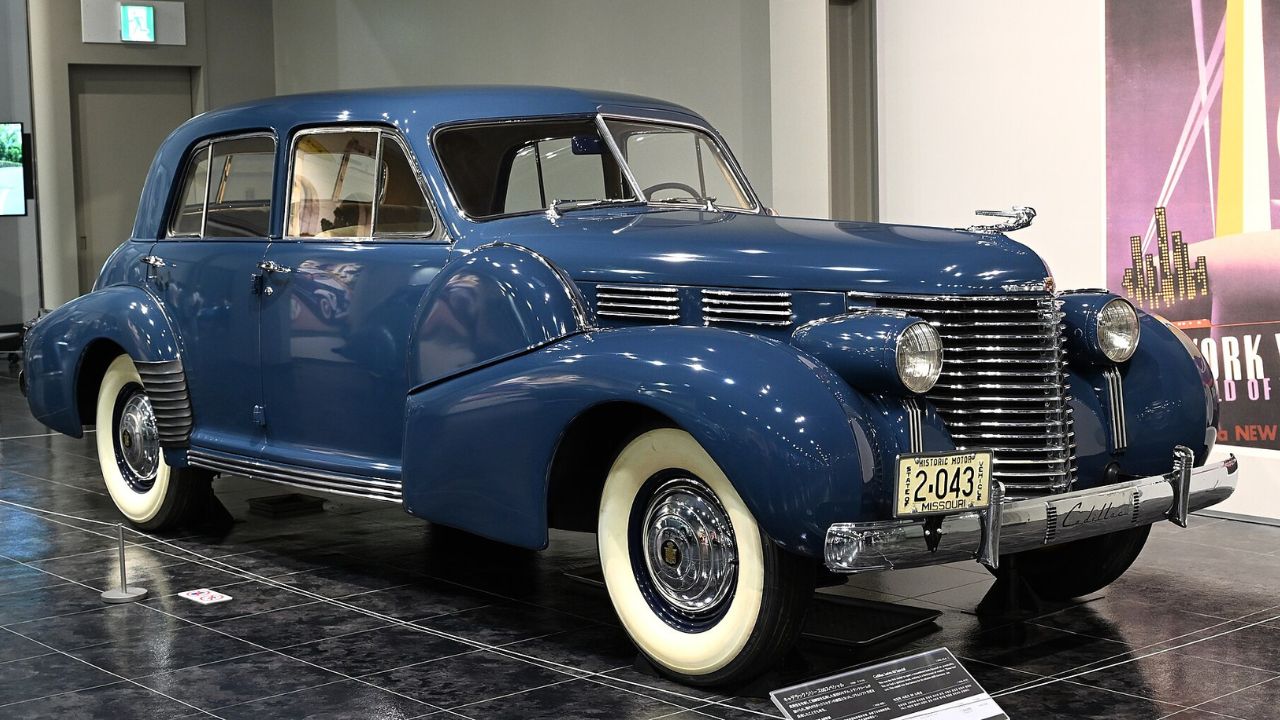
The Series 60 Special occupied an important place in Cadillac history and was known for combining luxury with distinctive styling. Its wide body, long proportions, and formal appearance gave it an upscale character that separated it from more ordinary full-size cars. The model became particularly impressive during the 1950s and 1960s as Cadillac experimented with increasingly dramatic designs. Surviving examples offer a good look at how American luxury cars evolved during one of the industry’s most extravagant periods.
Cadillac Series 75
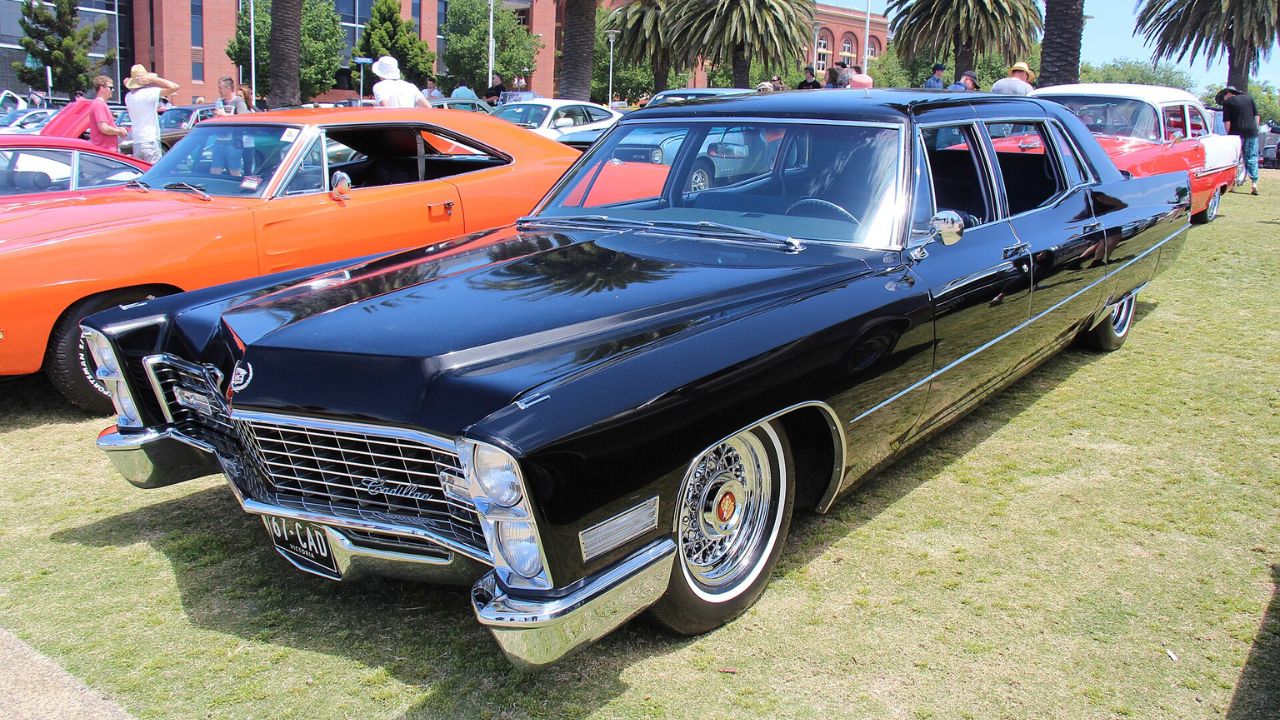
Few American cars from this era conveyed status quite like the Series 75. Available in sedan and limousine forms, it was designed for buyers who wanted an exceptionally large and formal Cadillac. The long wheelbase created a commanding profile, while the spacious cabin provided the sort of room that has become almost impossible to find in modern vehicles. During the 1950s and 1960s, Series 75 models were frequently associated with executives, celebrities, and official transportation, adding to their lasting appeal.
Cadillac Coupe de Ville
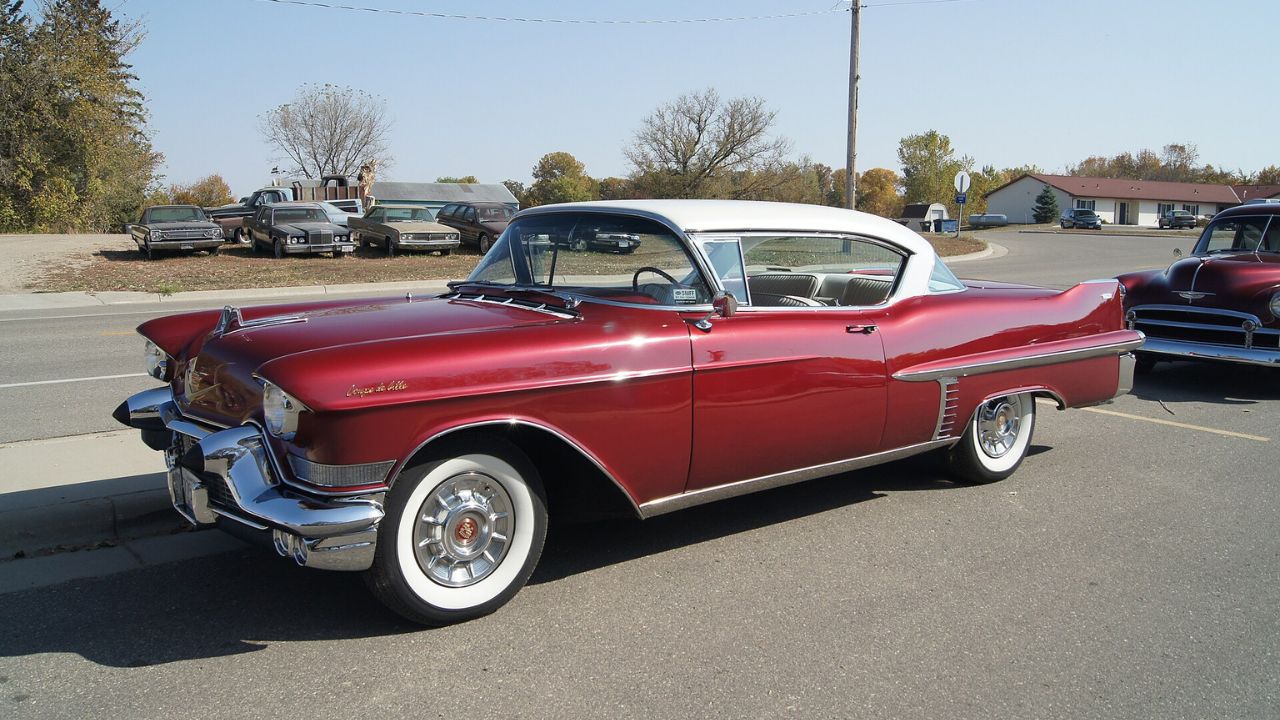
The Coupe de Ville became one of Cadillac’s most recognizable personal luxury cars, particularly as buyers increasingly favored stylish two-door models. Its long hood, formal roof, broad body, and V8 power created exactly the kind of image associated with Cadillac during the 1960s. It offered plenty of room without the full formal appearance of a limousine. Today, the Coupe de Ville remains a popular choice for enthusiasts because it combines unmistakable period styling with a name that almost everyone recognizes.
Cadillac Sedan de Ville
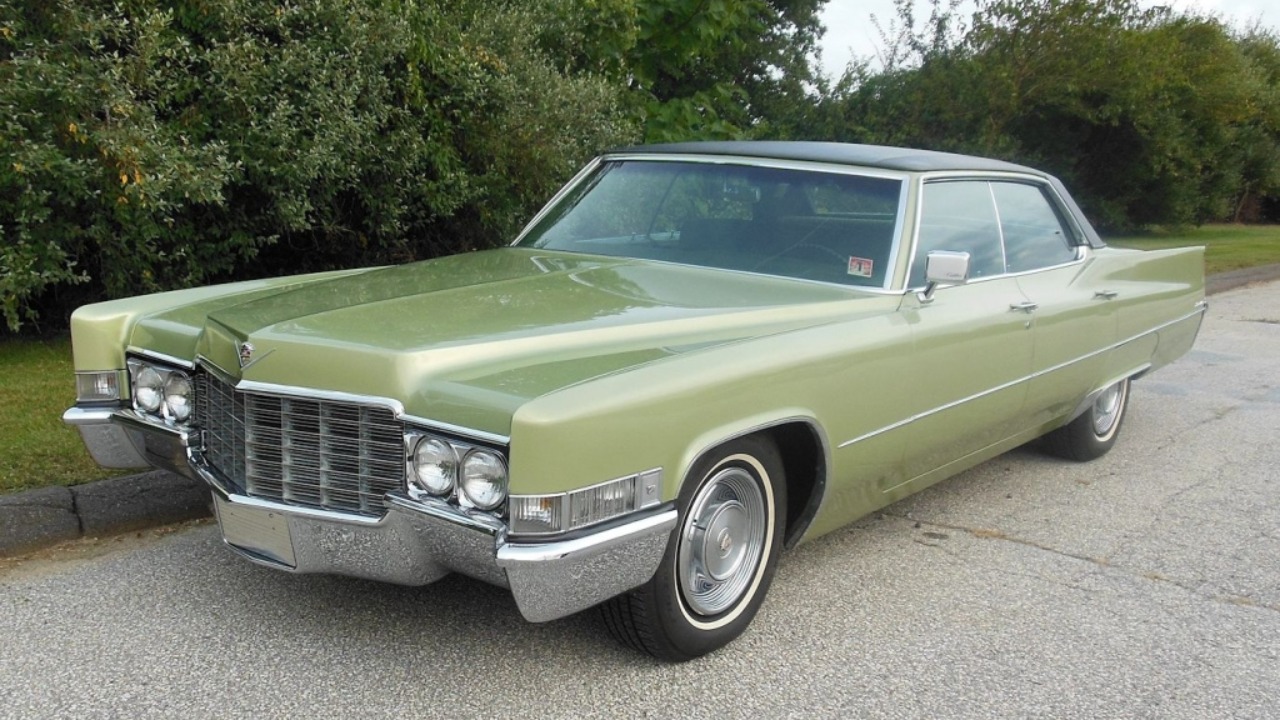
The Sedan de Ville brought Cadillac’s increasingly popular DeVille formula to buyers who wanted four doors and plenty of passenger space. It was large, comfortable, and powered by engines that made effortless cruising its natural role. Its exterior styling changed considerably throughout the 1960s, but the basic formula remained recognizable. With its broad grille, extensive chrome, and substantial proportions, a well-preserved Sedan de Ville still captures the look of an era when American luxury cars were designed to make a statement.
Cadillac Convertible
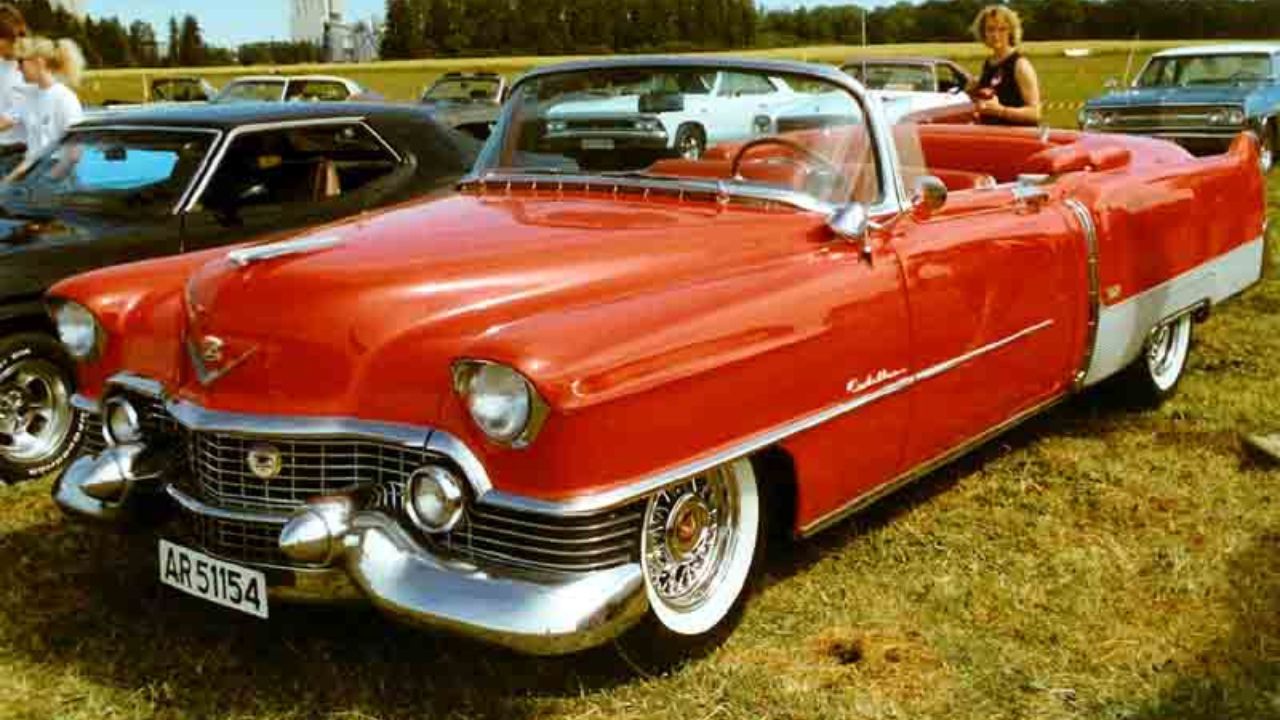
Cadillac convertibles from this period remain some of the most visually impressive American classics. Their enormous dimensions gave them a presence that smaller European convertibles could not match, while wide seats and powerful V8 engines made them suited to relaxed highway cruising. The combination of an open cabin, bright chrome, and dramatic bodywork created an unmistakable 1950s and 1960s look. Even people who know little about classic cars can usually identify a Cadillac convertible immediately.
Cadillac Series 61
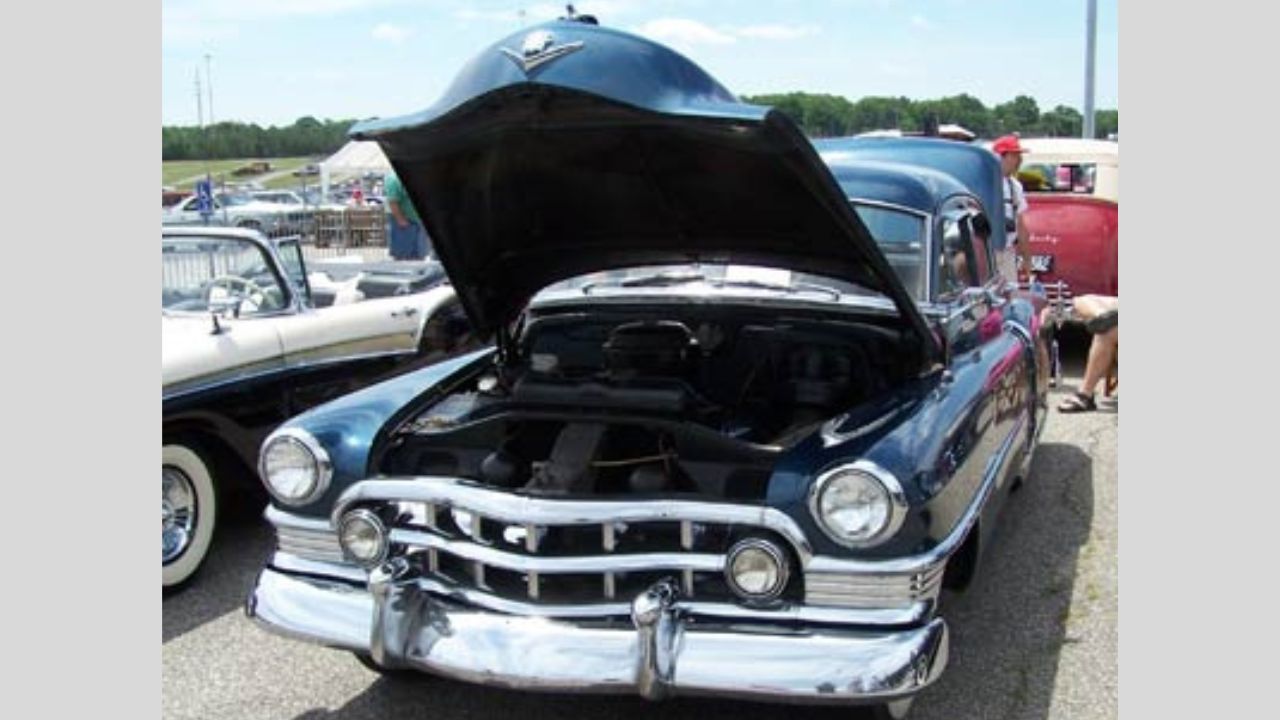
The Series 61 was positioned below some of Cadillac’s larger and more expensive offerings, but it still carried the distinctive styling and engineering expected from the marque. Its lighter proportions could make it look slightly more agile than Cadillac’s biggest models while retaining plenty of chrome and V8 power. The 1950s examples are particularly attractive to enthusiasts who want dramatic Cadillac styling without the extreme size of the company’s most imposing cars.
Cadillac Series 62 Convertible
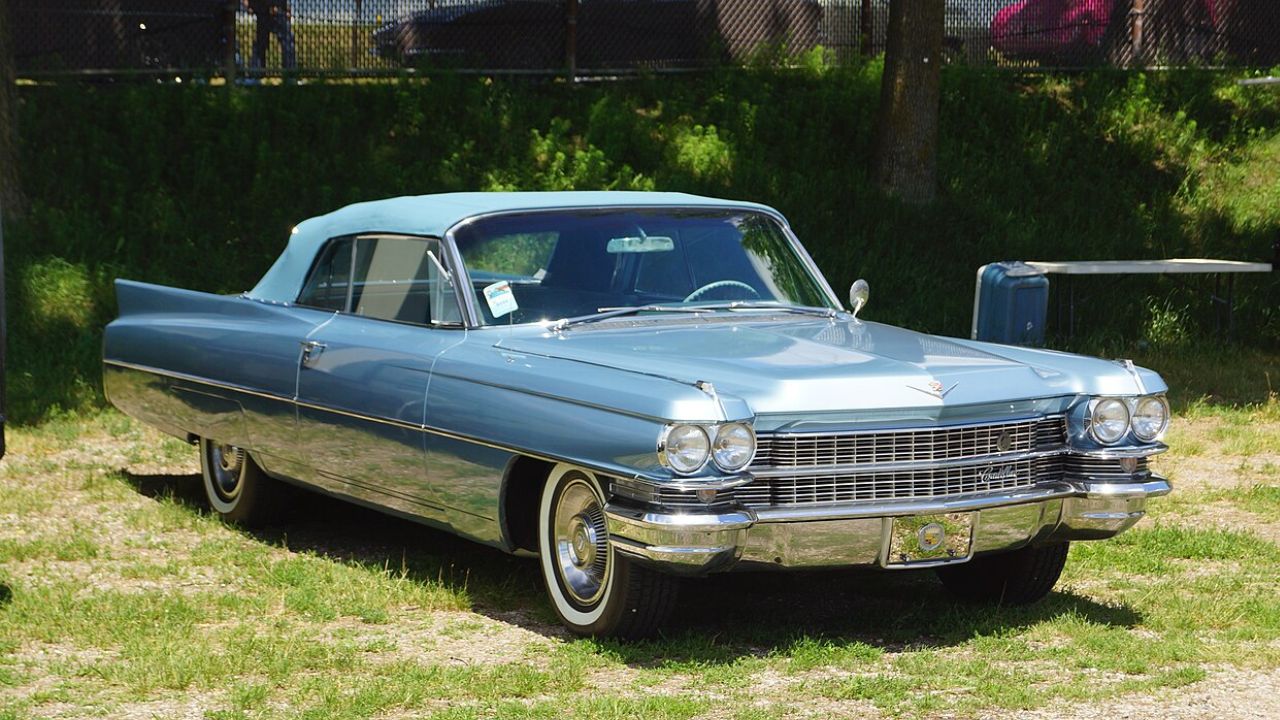
The Series 62 Convertible brought together several things that defined Cadillac during this period: a powerful V8, extensive chrome, generous dimensions, and dramatic open-air styling. The 1950s examples are especially famous for their large tail fins, while later cars adopted a more restrained appearance as design trends changed. Because the Series 62 was produced in significant numbers, surviving examples are relatively recognizable to collectors. A good one still looks like a major event whenever its top is lowered.
Cadillac Eldorado Biarritz
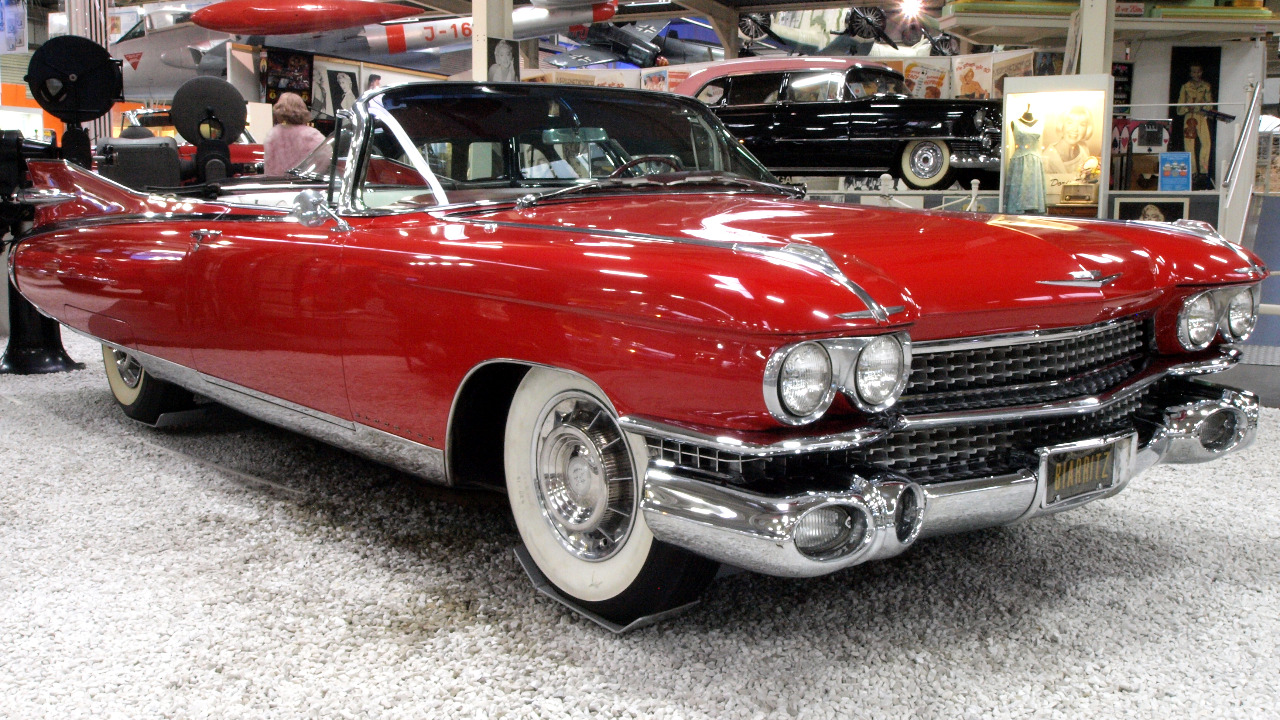
The Biarritz was Cadillac’s glamorous convertible interpretation of the Eldorado, making it one of the most desirable-looking models of the era. Its styling featured extensive chrome, distinctive trim, and a level of visual drama that matched the name. The car represented Cadillac at its most extravagant, particularly during the height of the tail-fin era. Today, the Eldorado Biarritz remains a favorite among enthusiasts because it captures the optimistic, oversized design philosophy that defined American luxury cars in the 1950s.
Cadillac Fleetwood Sixty Special
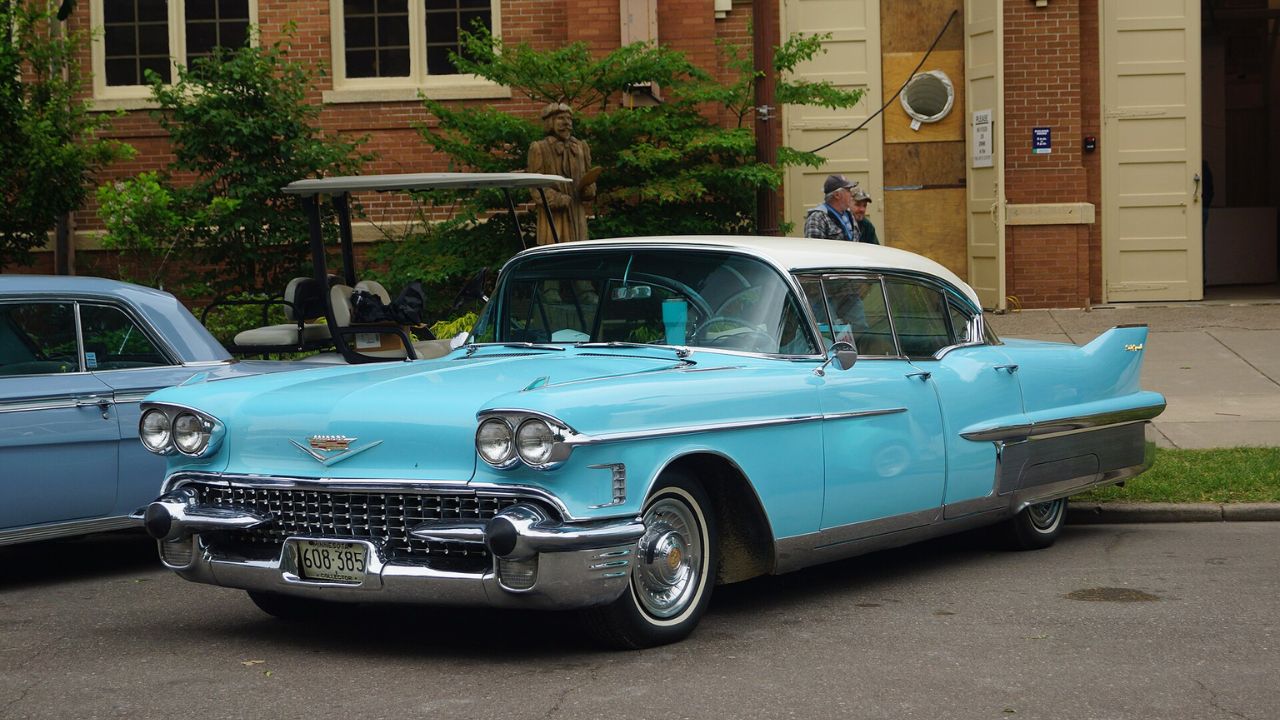
The Fleetwood Sixty Special combined a formal luxury-car image with some of Cadillac’s most recognizable styling cues. Its large cabin, wide body, and carefully detailed exterior made it a natural choice for buyers who wanted something more prestigious than a standard Cadillac. During the 1960s, its styling became more restrained but remained unmistakably upscale. These cars also demonstrate how Cadillac gradually moved away from the extreme tail-fin designs of the previous decade without losing its imposing road presence.
Cadillac Calais
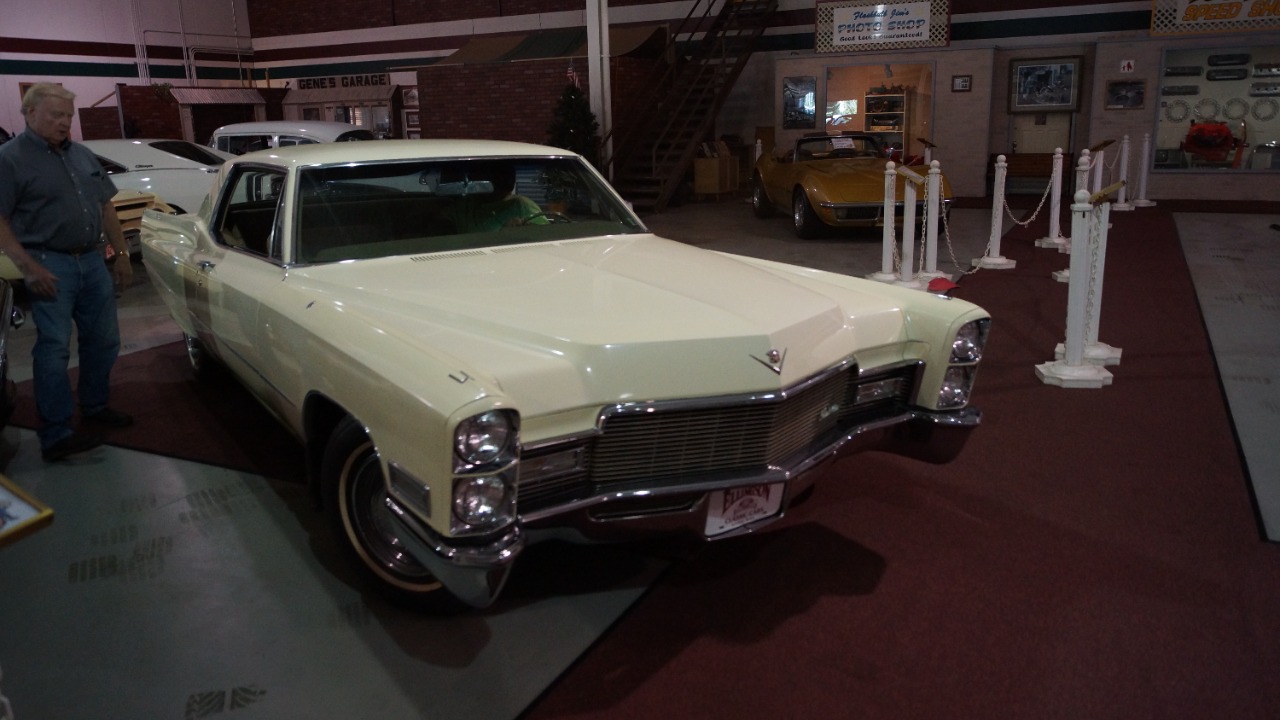
The Calais was introduced as a more accessible Cadillac, giving buyers a way into the brand without paying for the company’s most expensive models. Despite its position in the lineup, it still offered the large dimensions, V8 power, and formal styling associated with Cadillac. The name is particularly associated with the 1960s and later became a familiar part of Cadillac’s lineup. Today, the Calais is an interesting alternative for collectors who want classic Cadillac style without choosing one of the usual headline models.
Cadillac Series 75 Fleetwood
The Series 75 Fleetwood represented Cadillac at its most formal and imposing. With its long body and spacious passenger compartment, it was designed around comfort and prestige rather than sporty driving. Many examples were used for professional transportation, which helped give the model a distinctive reputation. Its sheer size makes it difficult to mistake for anything else. A surviving Series 75 Fleetwood still demonstrates just how much larger American luxury cars once were compared with today’s vehicles.
Cadillac Sedan de Ville Convertible
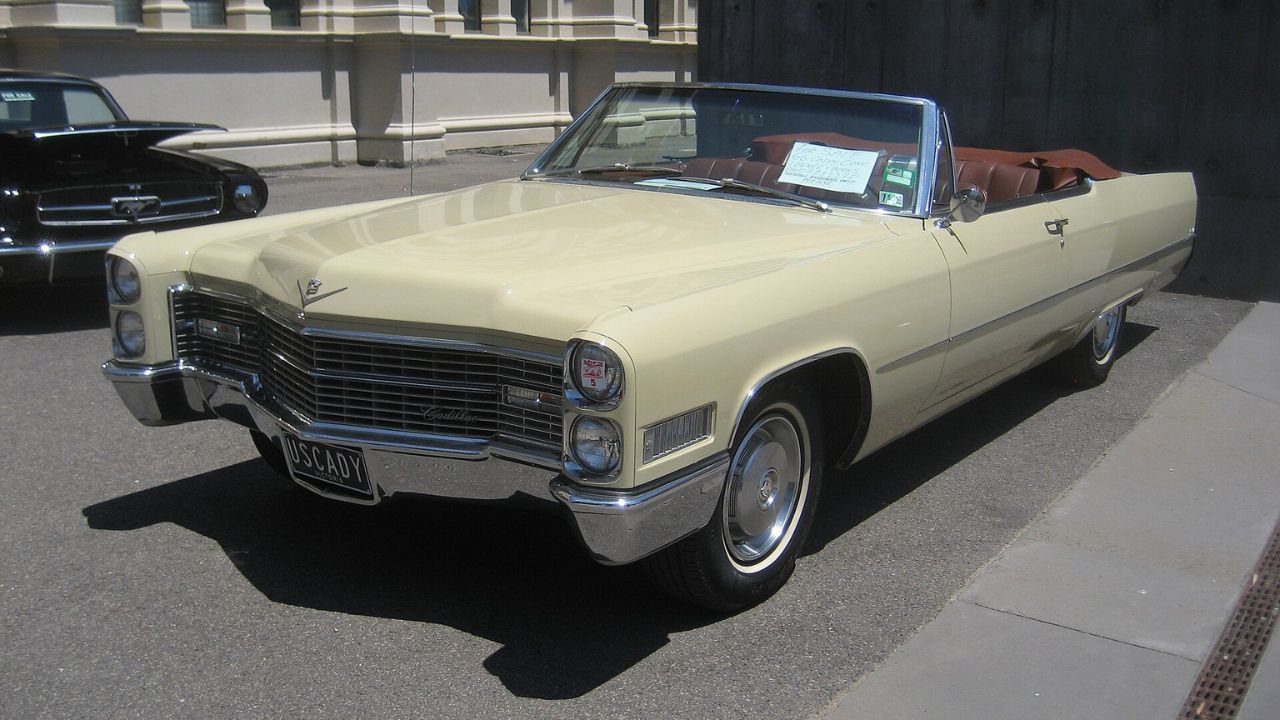
Cadillac’s convertible versions of the DeVille combined the model’s upscale character with the added drama of an open roof. The wide body and long proportions looked particularly impressive with the top lowered, exposing a spacious passenger compartment designed for relaxed cruising. The combination of bright trim and smooth V8 performance fit the period perfectly. These cars remain attractive because they offer the recognizable DeVille shape while adding one of the most desirable features a classic Cadillac could have.
Cadillac Series 62 Sedan
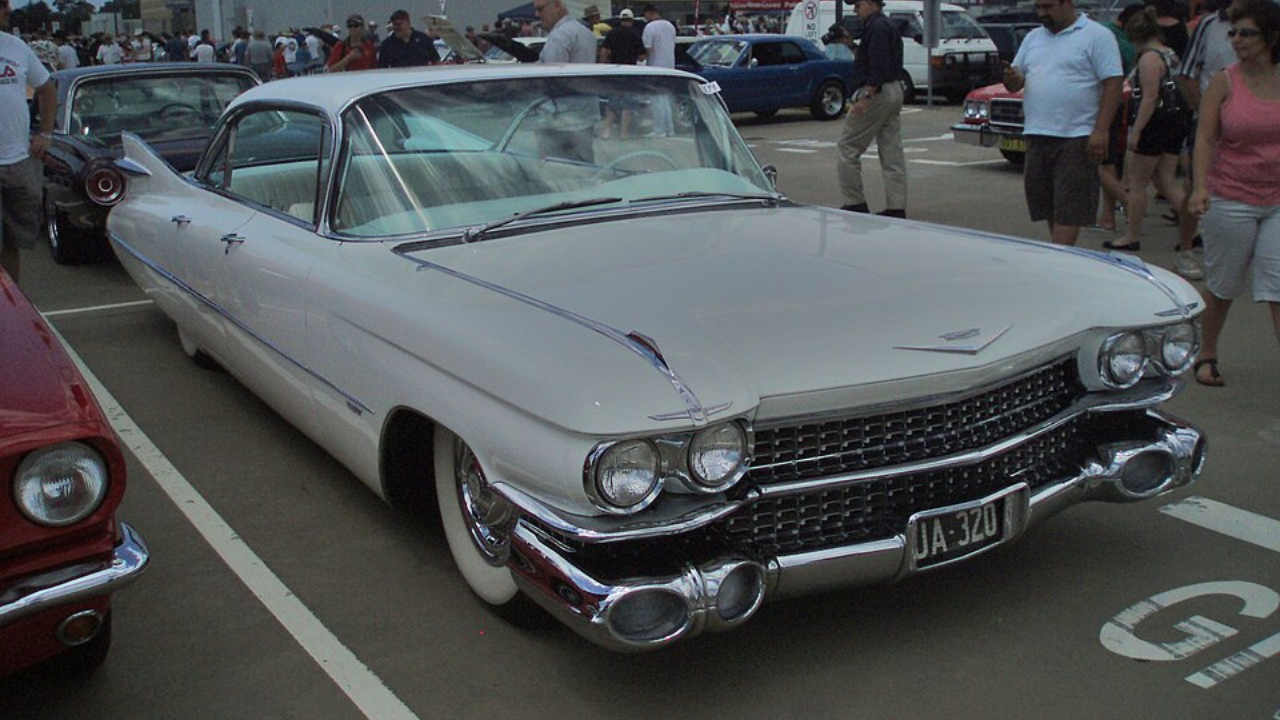
The Series 62 Sedan was one of the most familiar four-door Cadillacs of the era and offered plenty of room for families who wanted genuine American luxury. Its styling changed substantially from the 1950s into the 1960s, moving from towering fins and heavy chrome toward straighter lines and a cleaner profile. Regardless of the year, the formula remained straightforward: a large body, a smooth V8, and an unmistakable Cadillac grille. That combination still gives the car plenty of character today.
Cadillac Eldorado Seville
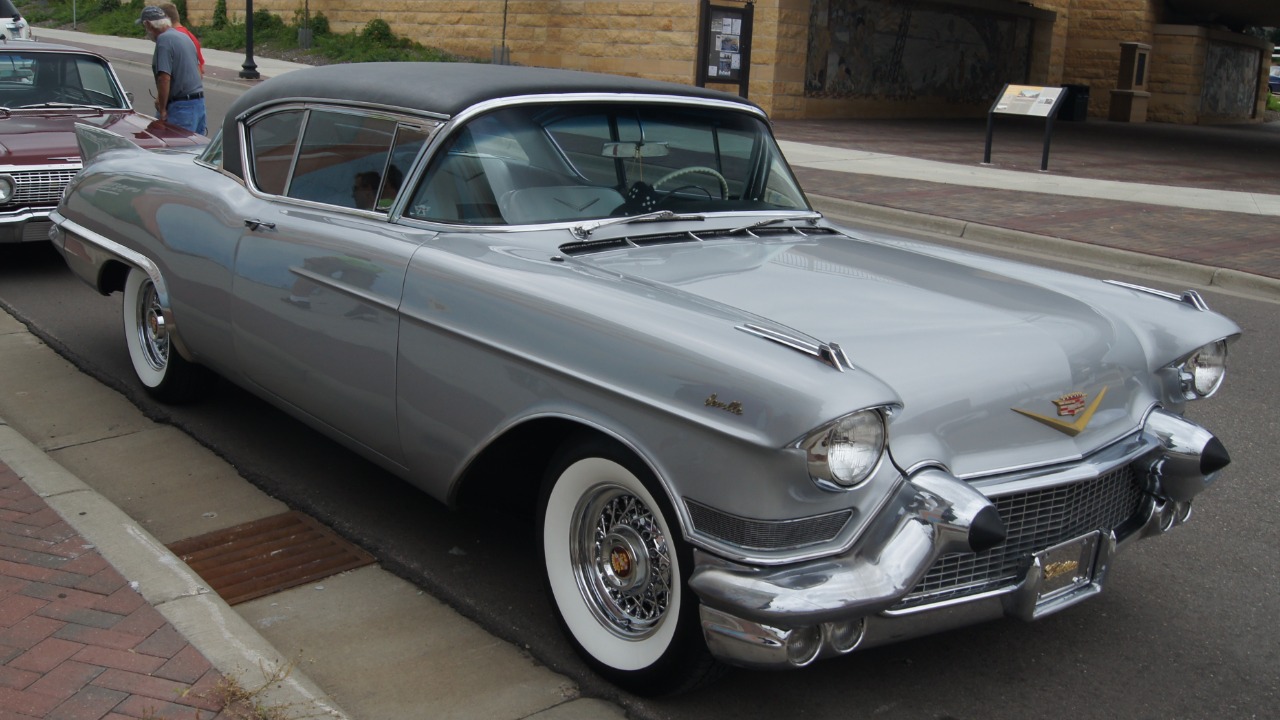
The Eldorado Seville brought a more formal character to Cadillac’s Eldorado family and became particularly memorable for its upright roofline and distinctive proportions. It offered the prestige associated with the Eldorado name while looking different from Cadillac’s large convertibles and traditional sedans. Its design reflected the changing tastes of the 1960s, when American luxury cars were beginning to favor cleaner, more structured shapes. For collectors, it provides another way to experience Cadillac’s transition between two very different styling eras.
More from Fast Lane Only
- Unboxing the WWII Jeep in a Crate
- 15 rare Chevys collectors are quietly buying
- 10 underrated V8s still worth hunting down
- Police notice this before you even roll window down
*Research for this article included AI assistance, with all final content reviewed by human editors.