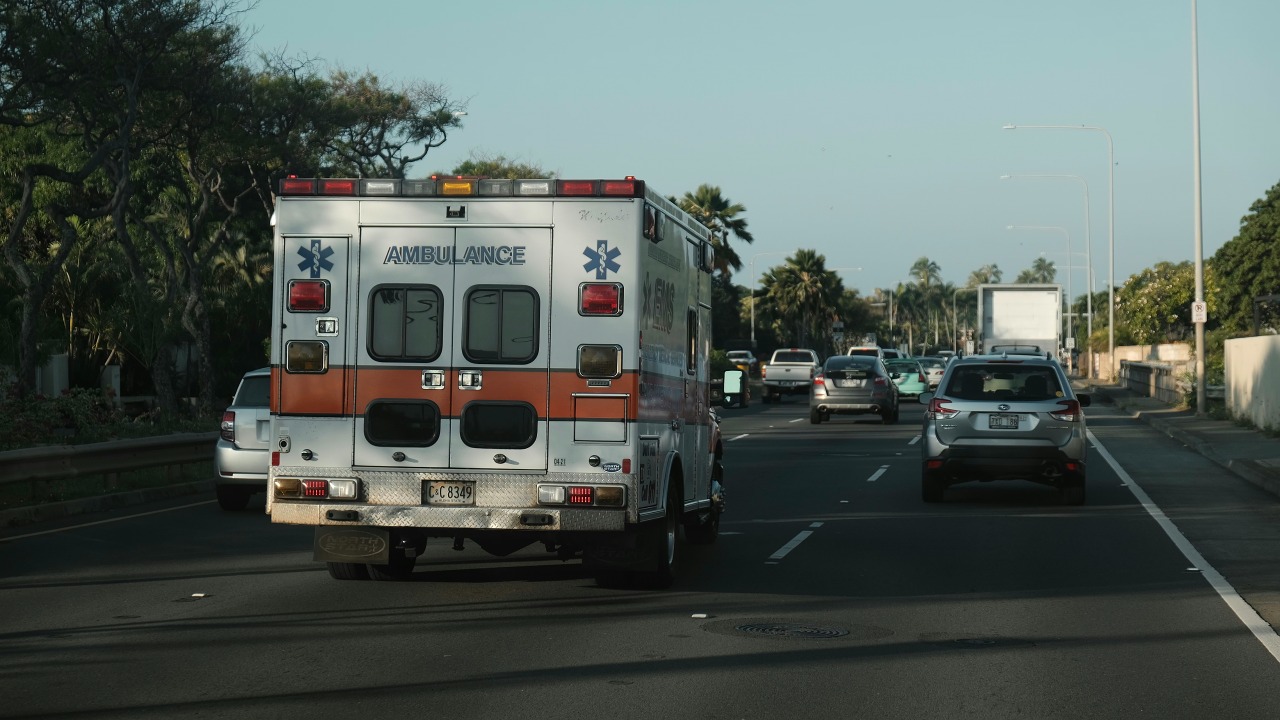
Florida has turned a once-obscure traffic rule into a frontline enforcement priority, and the backlash from motorists has been immediate. The state’s expanded Move Over requirements, tougher penalties, and highly visible ticketing blitzes are colliding with driver confusion and resentment, even as officials insist the changes are about saving lives at the roadside.
I see a widening gap between what the law now demands and what many drivers believe is realistic in dense, fast-moving traffic. That tension is fueling anger on social media, frustration in courtrooms, and a broader debate over whether Florida is protecting first responders or simply squeezing motorists who never realized how much the rules had changed.
What the Move Over law actually requires now
At the heart of the controversy is how far Florida has stretched the original concept of moving over for flashing lights. Under Florida law, vehicles are required to move over a lane for emergency, service, utility, and disabled vehicles stopped on the roadside when it is safe to do so, and if a lane change is not possible, drivers must slow down significantly while passing. State safety campaigns describe this as a basic duty to protect people working or stranded at the edge of high-speed roads, not a technicality that can be ignored.
The scope of that duty has grown. As of Jan. 1, 2025, expansions to Florida’s Move Over Act require drivers to move over to the next lane or slow down for vehicles stopped with hazard lights, not just police cruisers or fire trucks. Legal guidance on the 2025 update notes that the Move Over Law now applies to any vehicle parked on the roadside with hazard lights activated, and that a fine for $158 dollars is only the starting point once court costs and insurance consequences are added. State messaging under the banner “Move Over, Florida” frames these rules as a core part of safe driving, on par with seat belts and speed limits.
From quiet rule to aggressive crackdown
What has changed most sharply this year is not the text of the statute but the intensity with which it is being enforced. Florida troopers have ramped up their focus on the Move Over law, treating failure to shift lanes or slow down as a primary reason to stop drivers on busy corridors. State troopers say drivers who refuse to move over on the highway are to blame for a series of serious crashes, including incidents on I‑95 in Volusia County that have put law enforcement and roadside workers in danger.
Local crackdowns show how this plays out on the ground. In Brevard County, a recent operation on I‑95 produced more than 200 tickets in a short span, and What is Brevard County ticketing I‑95 drivers for became a pointed question for commuters. Most of the tickets, 72, were for speeding, Ivey said, but Failing to move over for emergency and construction vehicles displaying warning lights was a central focus of the blitz. When drivers see a patrol car, tow truck, or road crew on the shoulder, they are now far more likely to find a trooper watching how they respond.
Drivers say the rules are confusing and the penalties excessive
Many of the motorists now facing fines insist they are not scofflaws, just confused. A recent AAA report on Slow Down and Move Over laws found that Drivers are often unaware of the specific requirements, and What about Florida became a telling question in that research. The study found that Florida drivers knew “Move Over” rules less well than basic speed limits, and that a significant share admitted they did not always change lanes or reduce speed when passing stopped vehicles, even when they saw flashing lights ahead.
Another AAA analysis found that one in three drivers ignore move over laws entirely, and Slowing down was especially rare, even in states with specific speed reduction requirements. That pattern is visible on Florida highways, where many drivers prioritize staying with the flow of traffic over dropping their speed abruptly near the shoulder. When those habits collide with a stricter enforcement posture, the result is a wave of tickets that feels, to many, like punishment for behavior that had long gone unchallenged.
The safety argument: first responders in the danger zone
Law enforcement and safety officials counter that the human stakes are too high to tolerate that kind of complacency. Under Florida law, vehicles are required to Mover Over a lane for an emergency, service, utility, and disabled vehicles stopped on the roadside, and state agencies have repeatedly highlighted crashes in which troopers, tow operators, and construction workers were struck by passing traffic. Public campaigns stress that driving is not just about getting from one place to another, it is about ensuring safety for all road users, including those who have no choice but to stand inches from live lanes.
Educational materials aimed at younger motorists, including an Introduction that uses the phrase Move Over, Florida, emphasize that Driving near stopped vehicles demands extra caution and that ignoring the law can lead to serious injuries or deaths. Officials argue that the expanded Move Over Law is a direct response to those risks, not a revenue tool. When Florida troopers describe crashes that began with a driver drifting too close to the shoulder or failing to slow down, they present the crackdown as a necessary correction to years of lax compliance.
A culture clash on Florida’s highways
Even with that safety rationale, I see a deeper cultural friction emerging on Florida’s roads. Florida has always had a reputation for fast, improvisational driving, and Florida Is Getting Serious About the Move Over Law and Drivers Are Feeling It captures a shift from that informal norm to a more rule-bound environment. The Culture Clash is evident when drivers who grew up treating roadside stops casually now face steep fines and points for behavior they never considered dangerous, especially in congested corridors where changing lanes can feel risky in itself.
Officials are trying to close that gap through education as well as enforcement. As of Jan, new expansions to Florida’s Move Over Act are being folded into the state’s driving handbook and licensing exams, and Resources and information on the new law and requirements are available on the Florida Highway Safety and Motor Vehicles website. By Staff Report on Saturday, state officials reiterated that Under Florida law, vehicles are required to move over a lane for an emergency, service, utility, and disabled vehicles stopped on the side of the roadway, urging drivers to treat that expectation as routine rather than optional. Whether that message can catch up with years of ingrained habits will determine if the current wave of anger subsides or hardens into lasting resentment toward a law that, at its core, is meant to keep people alive.
More from Fast Lane Only