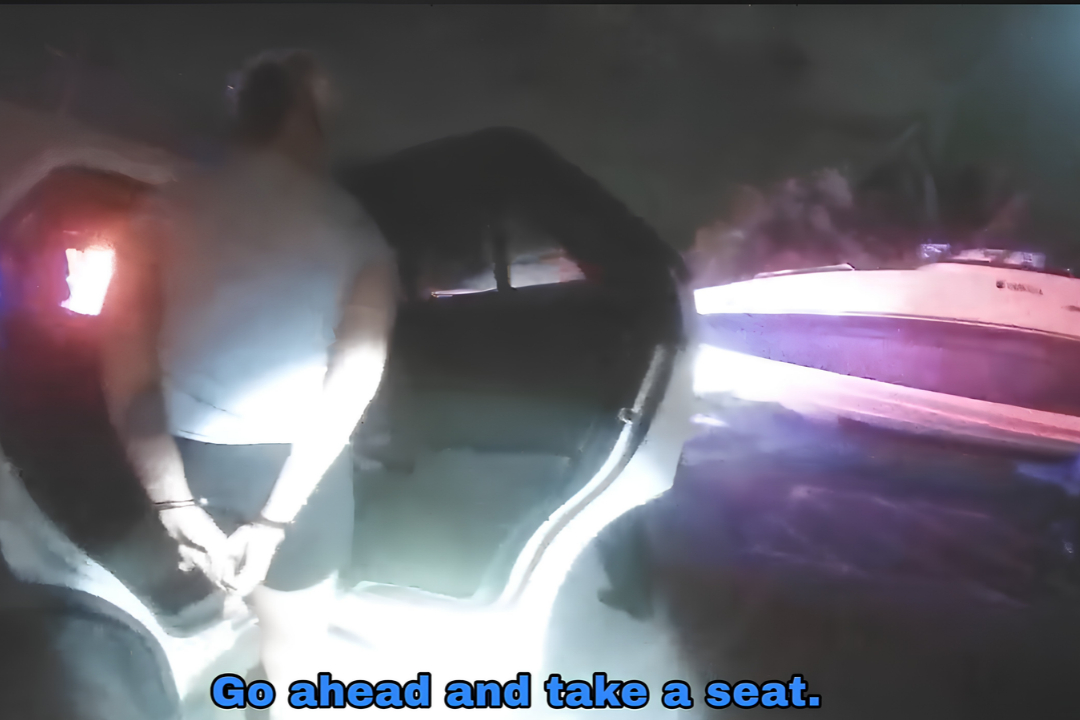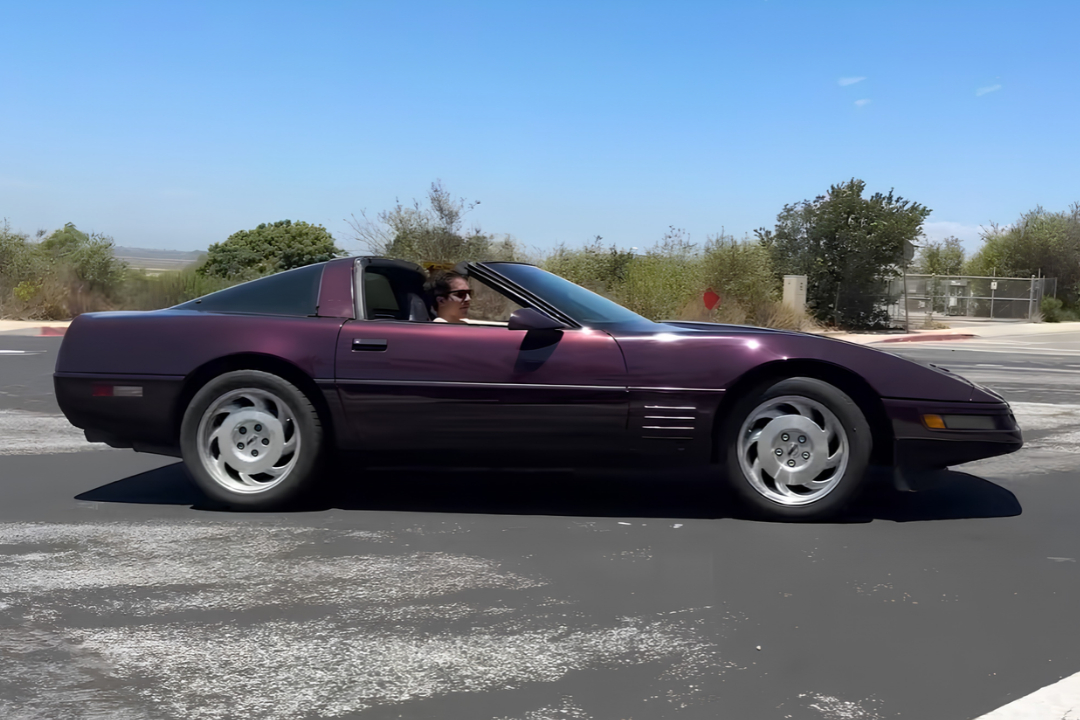
A Florida homeowner’s six-figure penalties for parking cars at her own house have turned a routine code case into a test of how far local governments can push fines before they become punishment out of proportion to the offense. The dispute, centered on a total of $165,000 in code enforcement penalties, now sits at the intersection of neighborhood aesthetics, municipal revenue, and constitutional protections against excessive fines.
What began as tickets for cars on a cracked driveway and nearby grass in the town of Lantana has evolved into a statewide flashpoint over how Florida courts interpret limits on government power. The outcome reaches beyond one driveway, raising the question of whether ordinary homeowners can be buried in debt for minor violations that linger for months or years.
The single mother behind the $165,000 tally
The homeowner at the center of the fight is described in multiple accounts as a working single mother in Lantana, a small community in Palm Beach County. Her name appears in coverage as Zenaida “Sand” Martinez, also identified as Sandy Martinez, a longtime resident who parked family vehicles in her own driveway and on adjacent grass while juggling work and parenting responsibilities. Over time, those parking habits, combined with other minor issues such as a cracked driveway and a fence that had been knocked down in a storm, triggered a cascade of daily code penalties that ultimately reached $165,000.
Reports describe how the town treated each day of noncompliance as a separate violation, with fines accumulating even when the underlying conduct involved routine parking at the family home. One account notes that the town of Lantana, Fla., relied on its local code to treat improperly parked vehicles as a continuing offense, while another details how a working single mother in Lantana faced mounting penalties after her fence was damaged and her driveway deteriorated. In a separate but related account, coverage of a Florida homeowner named Zenaida “Sand” Martinez describes more than $100,000 in penalties for parking in her own driveway, with court documents showing that fines continued to accrue even after she tried to bring the property into compliance, illustrating how quickly such cases can escalate.
From neighborhood tickets to a Florida Supreme Court test
What might have remained a local dispute turned into a statewide legal test when Martinez and her lawyers framed the $165,000 total as an example of excessive punishment for trivial conduct. A detailed account of the litigation explains that the case argued that the combination of parking tickets, driveway defects, and a damaged fence could not justify a six-figure bill. Her attorneys, working with a public-interest law group, invoked Florida’s constitutional protection against excessive fines and asked the state’s highest court to decide whether such code penalties must be proportionate to the underlying offense.
The legal campaign around Martinez’s case unfolded alongside a separate challenge brought by another Lantana homeowner, who faced more than $100,000 in penalties for parking in her own driveway. In that matter, the Institute for Justice represented a homeowner who had accumulated a $100,000 bill after the town cited her for improperly parked vehicles and allowed daily fines to accrue for nearly a year. The organization framed both cases as part of a broader pattern in which Florida municipalities use code enforcement as a revenue tool, rather than a last-resort measure to address genuine health or safety hazards. Together, the two Lantana disputes presented the Florida Supreme Court with overlapping questions about how far cities can go when they turn minor code issues into large financial liabilities.
How the Florida Supreme Court responded
The Florida Supreme Court’s handling of these challenges has been closely watched by property-rights advocates and local governments alike. In the separate driveway case brought by another Lantana homeowner, the court declined to hear her appeal of a $100,000 fine, effectively letting stand a lower court ruling that upheld the town’s authority to impose daily penalties for parking violations on private property. According to the group that represented her, the homeowner had been fined hundreds of dollars per day for nearly a year, with the total eventually surpassing $100,000 before she obtained legal help. By declining review, the state’s highest court signaled that, at least for now, it would not reinterpret Florida’s excessive fines clause to restrict such cumulative penalties.
Coverage of Martinez’s case reflects a similar outcome. Reports describe how the Florida Supreme Court allowed a judgment against her to stand, leaving her responsible for $165,000 in code fines tied to parking on the grass, a cracked driveway, and a storm-damaged fence. One account characterizes the decision as the Florida Supreme Court upholding $165,000 in code fines for parking on grass and a cracked driveway, while another emphasizes that cities, including local governments like Lantana, retain broad discretion to set daily fine amounts and allow them to accrue until a property owner fully resolves the violation. In the separate driveway case, an official summary notes that the Florida Supreme Court rejected the homeowner’s appeal, leaving her with more than $100,000 in debt and reinforcing the same legal approach that shaped Martinez’s outcome.
What the driveway fight means for homeowners and cities
The combined effect of these rulings is to leave Florida homeowners with limited recourse when code fines balloon from everyday infractions into life-altering debts. Advocates for Martinez and the other Lantana homeowner argue that cases like these show how local governments can weaponize technical rules about where a car may sit or how a fence must look, then convert slow compliance into a stream of revenue. One account from a civil-liberties group notes that the homeowner’s fight against a $100,000 fine was intended to set a precedent that would protect residents across the state from similar penalties, but the court’s refusal to intervene left that goal unmet. Another report notes that Zenaida “Sand” Martinez was portrayed as a typical resident who parked at home and ended up facing more than $100,000 in penalties, suggesting that even ordinary families can face similar enforcement actions.
More from Fast Lane Only