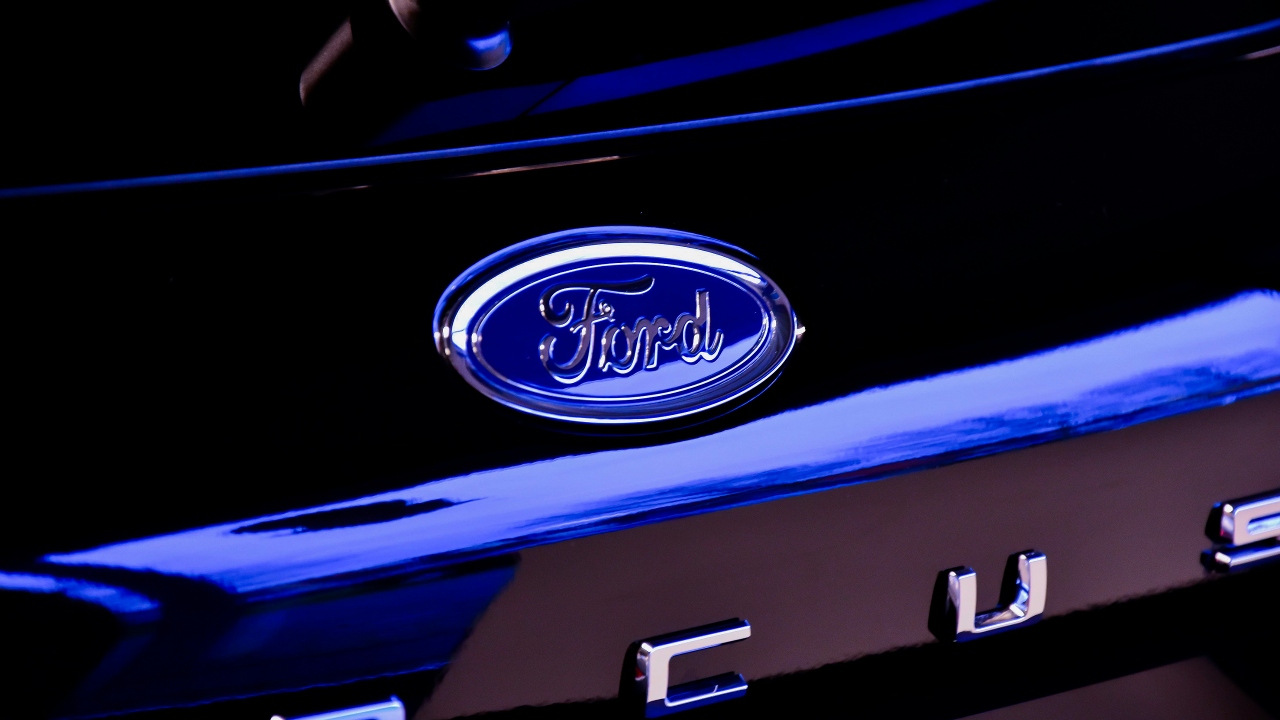
Ford is turning a routine Washington hearing into a pointed fight over who is really to blame for record vehicle prices, and it is not shy about naming Tesla in the process. As the Senate prepares to grill automakers on why new cars have slipped out of reach for many Americans, Ford is accusing Congress of stacking the deck in Tesla’s favor and ignoring the structural forces that keep prices high.
At stake is more than a single hearing. The clash pits Detroit’s legacy manufacturers against a political class eager to show it is tough on corporate pricing, while Tesla’s different business model and rapid growth hang over every exchange. I see Ford’s pushback as an attempt to reframe the affordability debate around policy choices, not just automaker margins.
Ford’s fight with Congress over an “affordability” hearing
The immediate flashpoint is a Senate session formally titled “Pedal to the Policy: The Views of the American Auto Industry on the Upcoming Surface,” a name that signals lawmakers want to cast a wide net over transportation and pricing policy. Instead of a broad cross section of the industry, Ford argues that the invite list was structured in a way that gives Tesla an outsized platform while putting Detroit companies on the defensive. Reporting on the dispute describes Ford as leading resistance to the format of the hearing and the way its witnesses were selected, a sign that the company sees the setup as more political theater than balanced inquiry.
Ford’s frustration has focused in particular on Senator Ted Cruz, a senior Republican voice on the Senate side who has insisted that Detroit companies appear to answer for soaring car prices. In letters and private outreach, Ford has pushed for what it calls “comparable treatment” across manufacturers, warning that a hearing that singles out General Motors, Ford and Stellantis while giving Tesla a different role risks distorting the public conversation. The company has made clear it is still prepared to attend the Senate Commerce hearing, but only if it is confident that the process will not turn into a one-sided blame game that ignores how policy, supply chains and consumer incentives have shaped the market.
Why Tesla’s presence looms so large
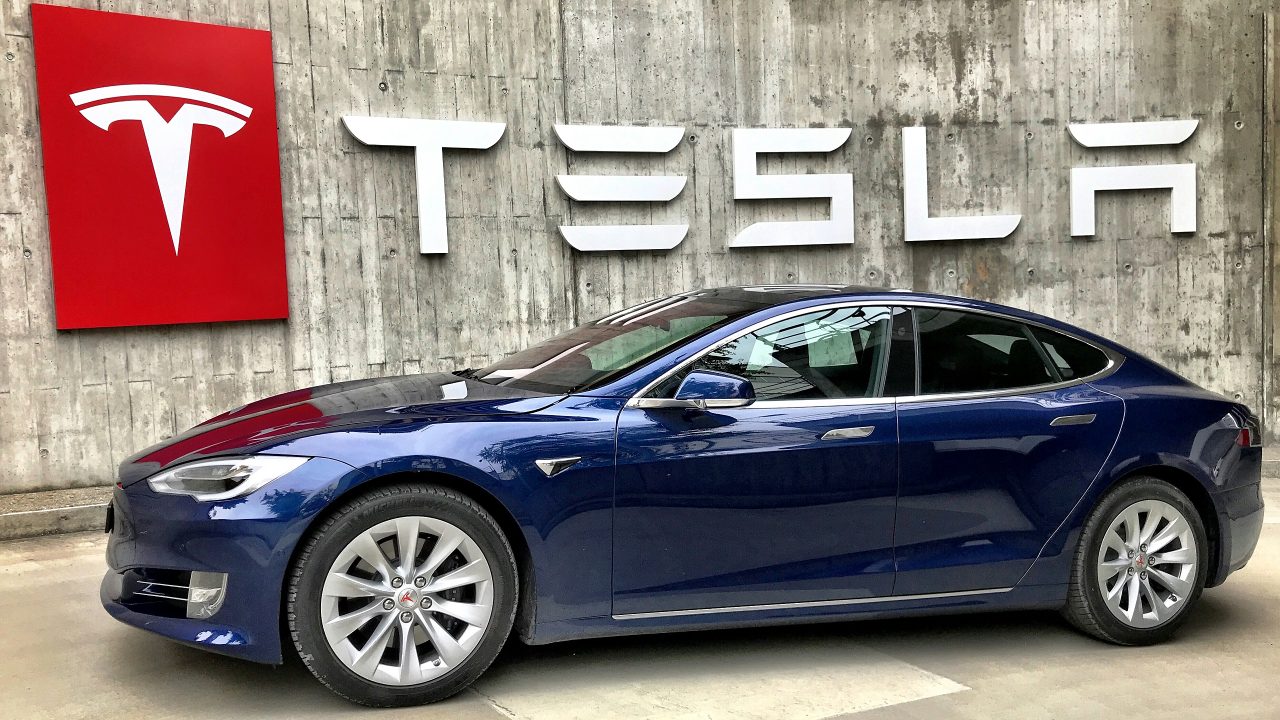
Ford’s decision to explicitly point at Tesla is not just about corporate rivalry, it is about how Congress has chosen to frame the affordability crisis. Lawmakers have summoned the chief executives of General Motors, Ford and Stellantis, along with a senior Tesla executive, to testify on why new vehicles have become so expensive and what can be done to reverse the trend. By inviting Tesla leadership alongside the Detroit trio, the Senate Commerce Committee is signaling that it sees Tesla as a central player in the pricing story, even though Tesla’s lineup and direct sales model differ sharply from the franchise dealer systems that dominate the rest of the market.
From Ford’s perspective, that setup risks turning Tesla into a kind of benchmark for innovation and cost control, while casting legacy automakers as laggards who need to explain themselves. The company’s complaint about “comparable treatment” is essentially a demand that Tesla face the same level of scrutiny on pricing, margins and consumer access as the others. If Congress is going to ask why vehicles are out of reach for American customers, Ford wants lawmakers to probe how Tesla’s pricing strategies, software-based feature locks and limited discounting have shaped expectations across the industry, not just grill Detroit about dealer markups and option packages.
Americans, affordability and the political stakes
Behind the procedural fight is a simple political reality: Americans are hyper focused on affordability, and cars are one of the most visible pain points. The Senate Commerce Committee has said explicitly that it is responding to public anger over high vehicle prices, noting that the average price of a new car has climbed to a level that puts ownership out of reach for many households. When the committee asked Ford, General Motors, Stellantis and Tesla to testify, it framed the hearing as a search for ways to restore competition and choice, language that suggests lawmakers suspect the market is not working for buyers.
That framing matters because it shapes how voters will interpret the spectacle of auto executives under oath. If the narrative is that automakers have simply chosen profit over people, then any nuance about supply chain shocks, regulatory costs or dealer behavior will be hard to communicate. Ford’s push to broaden the conversation, and to ensure Tesla is treated as a peer rather than a special case, is partly an attempt to remind Congress that policy decisions helped create the current landscape. Tariffs on imported components, for example, have repeatedly disrupted forecasts and forced strategic shifts among automakers, with Mexican auto parts narrowly avoiding a 25% levy after talk of new trade measures. Those kinds of shocks feed directly into the sticker prices that customers see on the lot.
Ford’s own strategy on prices and electric vehicles
Ford knows it cannot simply complain about Congress and Tesla without showing how it plans to make vehicles more attainable, especially as the industry transitions to electric powertrains. The company has laid out a strategy that leans heavily on trucks, hybrids and what it calls affordable EVs, backed by new investment in battery storage and a flexible architecture it describes as a Universal EV Platform. By 2030, Ford expects approximately 50% of its global volume will be hybrids, extended-range EVs and fully electric vehicles, a mix that it argues will give buyers more options at different price points instead of forcing them into expensive, long range battery models.
That approach is a tacit acknowledgment that pure EVs still carry a cost premium in many markets. Analysts note that here, they still cost 25 to 30 percent more than comparable gasoline models, although some expect that by the end of this decade, the gap will narrow as battery costs fall and production scales. Ford’s bet on hybrids and extended range designs is a way to bridge that gap for customers who want better efficiency but cannot justify a full EV price tag. It is also a way to differentiate from Tesla, which has focused on fully electric vehicles and software features rather than a broad mix of powertrains. If Ford can show that its lineup offers more affordable pathways into electrification, it strengthens its argument that Congress should look at the full spectrum of strategies instead of treating Tesla’s model as the default.
What the affordability showdown means for the market
For all the drama around invitations and witness lists, the most important question is whether this confrontation will actually change how much Americans pay for cars. I see two main possibilities. One is that the hearing becomes a high profile airing of grievances, with senators scolding executives while each company defends its pricing and points to external pressures like tariffs, supply chain disruptions and regulatory mandates. In that scenario, the political heat might push automakers to offer short term incentives or headline grabbing discounts, but the structural forces that keep prices high would remain largely intact.
The other possibility is that the scrutiny forces a more serious conversation about how policy can lower costs without freezing innovation. That could mean revisiting trade measures that raise the price of key components, rethinking incentive structures that favor certain technologies over others, or encouraging more transparent pricing practices at the dealer level. If Congress is willing to look beyond simple narratives about corporate greed, it might find that encouraging a wider mix of technologies, like the hybrids and extended range EVs Ford is prioritizing, can give consumers more affordable choices while the charging network and battery supply chains catch up. In that context, Ford’s decision to call out the structure of the hearing and to pull Tesla into the spotlight is not just a defensive move, it is an attempt to shape the rules of the debate at a moment when the future of the American car market is very much in play.
More from Fast Lane Only: