Utah is about to test how far a state can go in tying driving records to alcohol access. A new law will allow courts to flag some people convicted of DUI so that they are legally barred from buying alcohol, and that restriction will be enforced at the cash register through their driver license. It is a significant expansion of the state’s already strict approach to drinking and driving, and it raises hard questions about privacy, punishment, and public safety.
How Utah’s new “interdicted person” label will work
The core of the change is a measure labeled HB 437, formally titled the Interdicted Person Amendments, which takes effect in early 2026. Under this law, when a person is convicted of DUI, a court may designate that individual as an “interdicted person,” a status that carries a specific consequence: they are prohibited from purchasing alcohol for a court defined period. The Utah Driver License Division explains that, once the court makes that designation, the person’s driver license record will be updated and their physical card will carry a clear notice stating “NO ALCOHOL SALE.” That phrase is not advisory, it is a legal instruction to anyone selling alcohol that the transaction is not allowed, regardless of the buyer’s age.
From what I can see in the Driver License Division’s own legislation summary, the interdiction power is tied specifically to DUI convictions, not to every alcohol related offense. The agency notes that “a person convicted of DUI” may be designated as interdicted, which leaves room for judicial discretion rather than an automatic trigger in every case. That same page, which groups HB 437 under “New Legislation 2025,” underscores that the change is “Effective January 1, 2026,” aligning the rollout with a broader package of alcohol and driving updates that the state has scheduled for that date.
From driver license to checkout line: how enforcement will happen
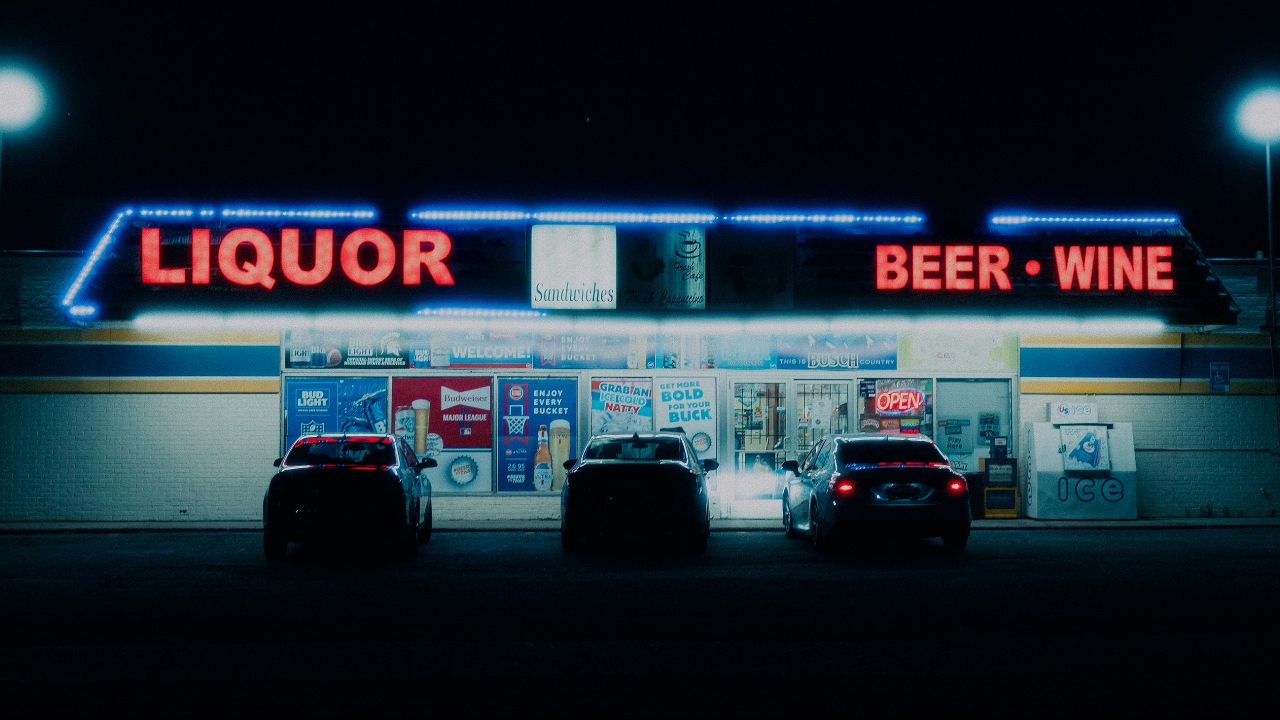
On paper, the interdicted status is a court order, but in practice it will be enforced by clerks scanning IDs at grocery stores, state liquor outlets, bars, and restaurants. Utah is already moving toward a uniform, electronic ID verification system for alcohol sales, and the Alcoholic Beverage Services agency has announced a “new 100% ID law” that will begin Jan. 1, 2026. In its own description of that change, the agency explains that every customer who buys alcohol will have to present identification, and that IDs will be scanned to create a consistent enforcement system statewide. When that system checks a driver license that carries the “NO ALCOHOL SALE” notation, the sale is supposed to stop on the spot.
Industry focused coverage of upcoming liquor law changes in Utah notes that the interdicted person rules and the stepped up ID checks are scheduled to arrive together, “Effective January 1st, 2026.” One trade oriented analysis even warns readers to “Expect to hear a lot about this one,” because it will require bars and restaurants to adjust their training and technology to catch interdicted customers at the door or the bar. The same overview of upcoming liquor law changes groups the interdiction policy with other operational tweaks, like rules for canned cocktails, which signals that the state expects compliance to be handled through routine ID scanning rather than case by case judgment calls by staff.
Who could lose the ability to buy alcohol
Although the statutory language is broad, early reporting around the change has focused on people with the most serious impaired driving records. One national story framed it as a “new law” that restricts people with “extreme DUI” convictions from buying alcohol, describing how those individuals could be flagged so that their driver license effectively becomes a do not sell notice at any alcohol retailer. That report, datelined from SALT LAKE CITY, emphasizes that the restriction is not about age or sobriety at the moment of purchase, but about a prior DUI conviction that triggers a separate, ongoing limit on the person’s ability to buy alcohol at all. The same piece notes that the law is aimed at a subset of DUI cases, which suggests that courts may reserve interdiction for repeat or high blood alcohol content offenses, although the precise thresholds are not detailed in the available summaries.
Utah’s own materials are more general, but they confirm that the trigger is a DUI conviction and that the decision to designate someone as interdicted rests with the court. The Driver License Division’s new legislation page states that “a person convicted of DUI, the court may designate as an interdicted person who will be prohibited from purchasing alcohol,” then reiterates that the driver license will be marked accordingly. A separate explainer for people facing DUI charges, hosted by a Utah defense firm, points readers to “The Utah Driver’s License Division” section on DUI so they can see how their driving privileges “may be affected,” underscoring that the license has become the central tool for enforcing a growing list of penalties tied to impaired driving.
How this fits into Utah’s broader alcohol and driving crackdown
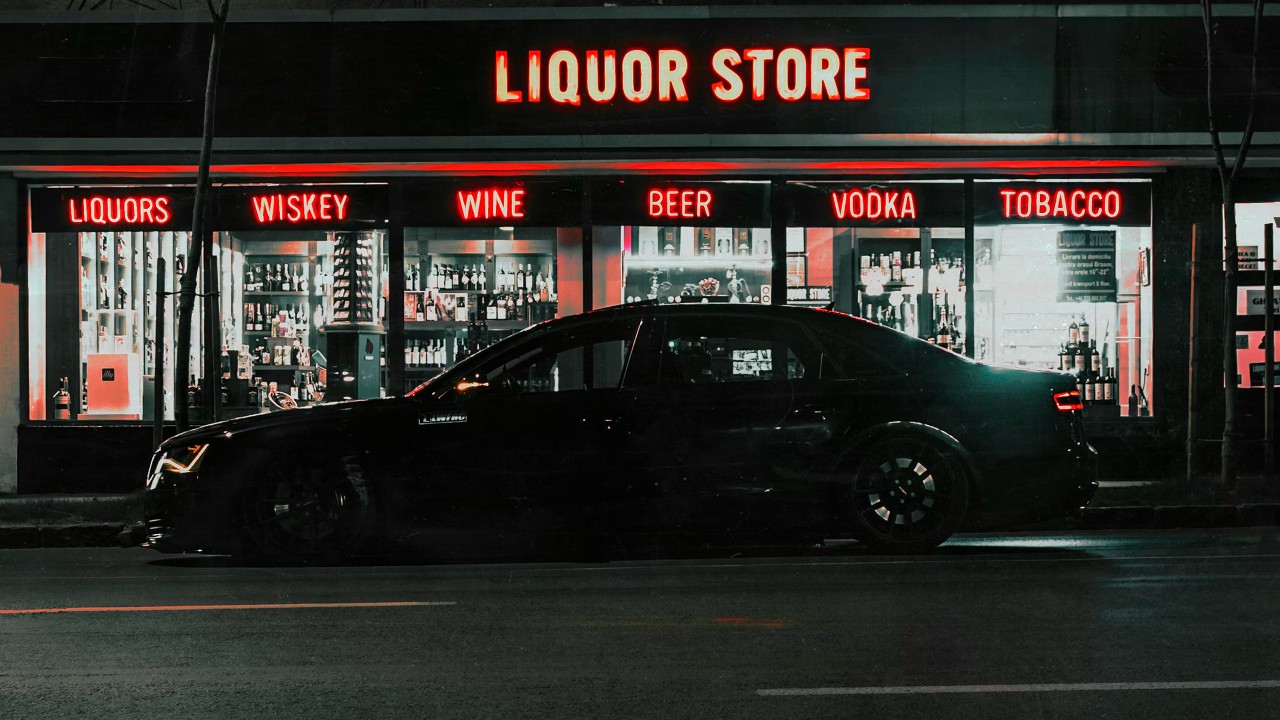
The interdicted person law does not arrive in a vacuum. Utah has spent years tightening both its DUI standards and its alcohol distribution rules, and the Jan. 1, 2026 changes are part of a coordinated package. A recent overview of “New Utah” laws taking effect that day notes that the state is bringing in changes to alcohol sales and driving rules at the same time, with SALT LAKE CITY officials highlighting the goal of a “uniform enforcement system statewide.” That same summary points to the new 100 percent ID requirement and the integration of driver license data into alcohol sales checks as key pieces of that system. In other words, the state is not just raising penalties on paper, it is building the infrastructure to apply those penalties every time someone reaches for a bottle of wine or orders a beer.
Utah’s Alcohol Enforcement Team, part of the State Bureau of Investigation, already plays a central role in monitoring compliance with the state’s alcohol laws. Its own description of its work directs people to official resources for “Utah’s specific alcohol laws, including public safety and enforcement,” and it is reasonable to expect that interdicted person enforcement will fall within that mission. The combination of a specialized enforcement unit, a statewide ID scanning mandate, and a new class of people who are legally barred from buying alcohol suggests a more proactive approach to preventing impaired driving, one that tries to cut off access to alcohol for those the courts see as highest risk rather than waiting for another traffic stop.
Supporters see safety, critics see overreach
Supporters of the interdicted person concept argue that it is a logical extension of existing DUI penalties. If the state can suspend or revoke a driver license after a DUI, they say, it can also limit the person’s ability to buy the substance that contributed to the offense. The Utah Driver License Division’s framing of HB 437, which simply lists the Interdicted Person Amendments alongside other traffic and licensing changes, reflects that view of the policy as another tool in the public safety toolbox. Advocates point to the state’s history of aggressive DUI enforcement, including its low legal blood alcohol limit, as evidence that Utah is willing to adopt measures that other states have not yet tried in order to reduce crashes and fatalities linked to impaired driving.
Critics, however, see a different story. Civil liberties advocates and some defense attorneys worry that turning a driver license into a gateway for alcohol purchases blurs the line between punishment and surveillance. The national report on the “new law” restricting people with extreme DUI convictions from buying alcohol quotes concerns that such a system could stigmatize people long after they have completed their sentence, especially if the “NO ALCOHOL SALE” label appears on an ID that is used for everything from banking to job applications. Others question whether blocking retail sales will actually stop determined drinkers, or whether it will simply push them toward unregulated sources while adding another layer of complexity for retailers who must navigate the new rules.
What Utah drivers and drinkers should watch next
For Utah residents, the most immediate impact will be practical. Anyone convicted of DUI after the law takes effect will need to understand that the consequences may extend beyond fines, jail time, and license suspension to include a formal ban on buying alcohol that is enforced every time their ID is scanned. The Utah Driver License Division’s DUI resources, which already explain how a conviction can affect driving privileges, will likely become even more important as people try to navigate the new landscape. Retailers, meanwhile, will have to ensure that their ID scanners and point of sale systems are updated to recognize the interdicted status and respond appropriately, or risk violating state law by completing a sale that should have been blocked.
More broadly, I see Utah’s move as a test case that other states will watch closely. If the combination of HB 437’s Interdicted Person Amendments, the 100 percent ID scanning requirement, and the broader “New Utah” law package produces measurable reductions in DUI related crashes, it could encourage similar experiments elsewhere. If, on the other hand, the policy generates legal challenges, enforcement headaches, or evidence that interdicted individuals simply find workarounds, it may serve as a cautionary tale about the limits of tying alcohol access to driver license data. For now, what is clear from the state’s own legislation pages and the detailed previews of upcoming liquor law changes is that Utah is willing to push that boundary, even if it means some drivers will lose not just the right to drive, but the right to buy a drink.
More from Fast Lane Only: