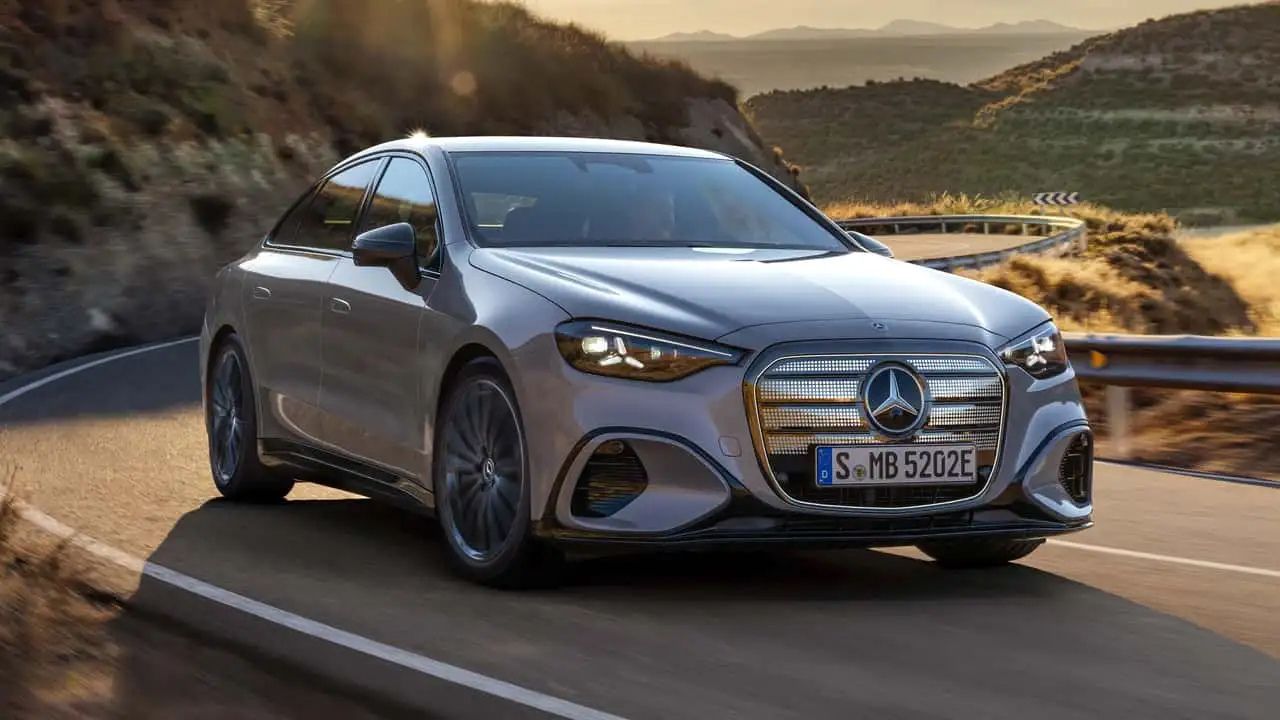
Mercedes-Benz is preparing its next-generation C-Class as a fully electric saloon, and early powertrain details suggest a clear step up over the brand’s older compact executive models. Where previous C-Class generations leaned on modest four-cylinder petrol and diesel engines, the upcoming battery-powered version is being positioned with significantly higher output and instant torque as standard.
The change is about more than straight-line speed. It shows how Mercedes intends to keep its core mid-size model competitive against dedicated electric rivals from Tesla, BMW and others, while also persuading long-time C-Class owners that a switch to battery power can feel like an upgrade rather than a compromise.
What happened
Mercedes-Benz has been developing a new electric architecture for compact and mid-size cars that will underpin an all-electric C-Class, moving the nameplate away from internal combustion engines as its primary power source. The company is targeting power figures that comfortably exceed the outputs of typical four-cylinder engines used in the previous-generation C-Class, and is planning dual-motor variants that push performance into territory once reserved for high-end AMG models.
In the outgoing generation, the mainstream C-Class range was anchored by relatively efficient but conservative engines. The 2014 C-Class, internally coded W205, launched with a spread of four-cylinder petrol and diesel units that delivered everyday usability rather than headline-grabbing acceleration. A typical example was the C 200, which paired a 2.0-litre turbocharged petrol engine with around 184 horsepower, while diesel variants such as the C 220 BlueTEC were tuned for economy and long-distance refinement. Buyers choosing a 2014 C-Class expected comfort, quality and low running costs, not electric-style punch.
The new electric C-Class is being engineered around a battery pack integrated in the floor and electric motors mounted on one or both axles, fundamentally changing how power is delivered. Even in its entry specification, the single-motor rear-drive version is expected to offer higher peak output than those earlier four-cylinder units, with instant torque available from zero rpm. Higher trims with dual motors will introduce all-wheel drive and substantially more power, effectively replacing the role of six-cylinder engines in the range.
Mercedes is also working to align this performance upgrade with improvements in efficiency and range. The electric C-Class will use a dedicated platform designed to be lighter and more aerodynamic than the adapted combustion-based chassis used in the W205. Engineers are focusing on a low drag coefficient, slim battery packaging and reduced rolling resistance, all intended to deliver competitive range figures without sacrificing acceleration or top speed.
Charging capability is another area where the electric C-Class is being positioned as a step beyond older models. Instead of filling a fuel tank in a few minutes, owners will rely on AC home charging and DC fast charging on the road. Mercedes is targeting high-rate DC charging that can add a large share of the battery’s capacity in a short session, which is critical if the car is to serve as a primary family vehicle rather than a second city runabout.
Inside, the shift to an electric platform is expected to bring a new cabin layout with more space and a stronger focus on software-driven features. While the W205 introduced digital displays and advanced driver assistance systems to the C-Class line, the electric successor will lean more heavily on over-the-air updates, connected services and semi-automated driving functions that depend on powerful onboard computing.
All of this is happening as Mercedes repositions itself in the premium EV market. The company already sells larger electric saloons and SUVs, yet the C-Class remains a core product for both private and fleet customers. Turning it into a high-output electric model is therefore a strategic move, not a niche experiment.
Why it matters
The shift from four-cylinder combustion engines to more powerful electric motors in the C-Class is significant because it redefines what buyers can expect from a mainstream Mercedes saloon. For decades, the C-Class has been the brand’s entry into the compact executive segment, a car that balanced comfort, efficiency and status without pushing performance too far. By making the electric version notably stronger than its predecessors, Mercedes is sending a message that electrification can enhance the core product rather than dilute it.
For existing owners used to the character of a 2014-era C 220 diesel or C 200 petrol, the idea of switching to a battery-powered C-Class might feel like a leap. Those older cars delivered smooth torque through automatic gearboxes, a familiar refuelling routine and long motorway range on a tank of fuel. The electric replacement must replicate that sense of effortlessness while adding clear benefits, and higher power output is one of the most tangible ways to do that.
Performance is also a key battleground in the compact premium EV class. Tesla has set expectations with the Model 3, which combines brisk acceleration with competitive range. BMW is pushing its own electric 3 Series alternatives, and other brands are preparing similar offerings. If Mercedes had simply matched the power figures of its old four-cylinder engines, the electric C-Class would risk appearing underwhelming next to these rivals.
By contrast, positioning the new car with stronger motors and rapid acceleration helps it stand out in a crowded field. Instant torque from electric powertrains can make even a family saloon feel responsive in city traffic and confident during motorway overtakes. For company car drivers and private buyers alike, that everyday performance advantage can be more persuasive than abstract arguments about emissions or fuel savings.
The move also reflects a broader industry trend in which electric versions of familiar models are tuned to outperform their combustion predecessors. Carmakers have learned that buyers are more willing to accept changes in refuelling, sound and driving feel if they receive a clear upgrade in acceleration and refinement. Mercedes is applying that lesson to one of its most important nameplates.
There are implications for fleet managers and corporate buyers as well. The C-Class has long been a staple of business fleets across Europe and other markets, chosen for its blend of prestige and running cost discipline. Electric versions with higher power output can still meet tax and emissions targets while offering drivers a more engaging experience, which may help employers attract and retain staff who spend long hours behind the wheel.
However, the shift to electric power also raises questions about weight, range and real-world efficiency. Batteries add mass, and while electric motors can deliver more power, they must do so without draining the pack too quickly. Mercedes is therefore under pressure to balance performance tuning with careful energy management, so that drivers who enjoy the extra power are not penalised with frequent charging stops.
Charging infrastructure is another crucial factor. The appeal of a high-output electric C-Class will depend on how easily owners can access reliable fast chargers on long journeys and install home charging where they live. In urban areas with strong charging networks, the transition from diesel or petrol to electric could feel straightforward. In regions where public charging is patchy, the extra performance might not compensate for the inconvenience.
Residual values and long-term ownership costs also come into play. Historically, diesel C-Class models have held their value well, especially when maintained with full service histories. Electric cars introduce new variables such as battery health, software support and charging habits. Mercedes will need to convince both private buyers and leasing companies that the electric C-Class will age as gracefully as its combustion predecessors, particularly if it is marketed as a higher performance product.
From a brand perspective, making the C-Class electric and more powerful supports Mercedes-Benz’s broader messaging around innovation and sustainability. The company has already committed to expanding its electric range and reducing fleet emissions. A strong-performing electric C-Class helps anchor that strategy in a volume model that many customers recognise and aspire to own.
Regulatory pressure is another backdrop. Stricter CO2 targets in key markets are pushing manufacturers to accelerate electrification of high-volume models. By turning one of its bestsellers into a performance-oriented EV, Mercedes can reduce its average fleet emissions while still offering a compelling product to drivers who might otherwise resist change.
There is also a cultural element. For years, the C-Class has been associated with a particular kind of motoring: quiet, conservative, and often diesel-powered. An electric version with stronger acceleration and a more digital cockpit could attract a different type of customer, including younger buyers who might previously have looked to tech-focused brands. At the same time, Mercedes must reassure traditional customers that the core values of comfort and quality remain intact.
In short, the power upgrade in the electric C-Class is not just a spec sheet detail. It is part of a broader attempt to reposition the model as a bridge between Mercedes’ combustion past and its electric future, while competing head-on with newer players that built their reputations on high-performance EVs.
What to watch next
The next major milestone for the electric C-Class will be the official unveiling of its technical specifications. Observers will be looking closely at the exact power and torque figures for each variant, as well as battery capacities, range estimates and charging speeds. These numbers will determine how convincingly the car outperforms its combustion predecessors and how it stacks up against rivals.
Particular attention will focus on the entry-level model. If Mercedes can deliver a base electric C-Class that significantly exceeds the output of a typical 2014-era C 200 or C 220 while still offering strong range and competitive pricing, it will send a powerful signal to long-time customers that the switch to electric is not only feasible but attractive.
Pricing strategy will be another key indicator. Electric powertrains and large battery packs are expensive, and Mercedes must decide how much of that cost to absorb and how much to pass on to buyers. If the electric C-Class carries a steep premium over the last combustion generation, some customers may hesitate, regardless of the performance gains. On the other hand, aggressive pricing could accelerate adoption and help Mercedes achieve scale benefits in battery and motor production.
Market rollout plans will also matter. The order in which Mercedes introduces the electric C-Class to different regions, and the mix of variants offered in each market, will reveal where the company sees the strongest demand. Early availability of high-output dual-motor versions could help build excitement, while fleet-focused single-motor models might appeal to corporate buyers looking to decarbonise their vehicle pools.
Another area to watch is how Mercedes integrates the electric C-Class into its broader ecosystem of digital services. Features such as intelligent route planning that accounts for charging stops, remote battery preconditioning and over-the-air software updates can significantly affect the day-to-day experience of living with an EV. If these systems are well executed, they can enhance the appeal of the car beyond its raw performance figures.
Customer reception will provide an early verdict on whether the strategy of boosting power over older rivals resonates. Feedback from drivers who transition directly from a diesel or petrol C-Class into the new electric model will be especially revealing. Their views on acceleration, refinement, charging convenience and interior technology will shape how quickly the market follows.
More from Fast Lane Only