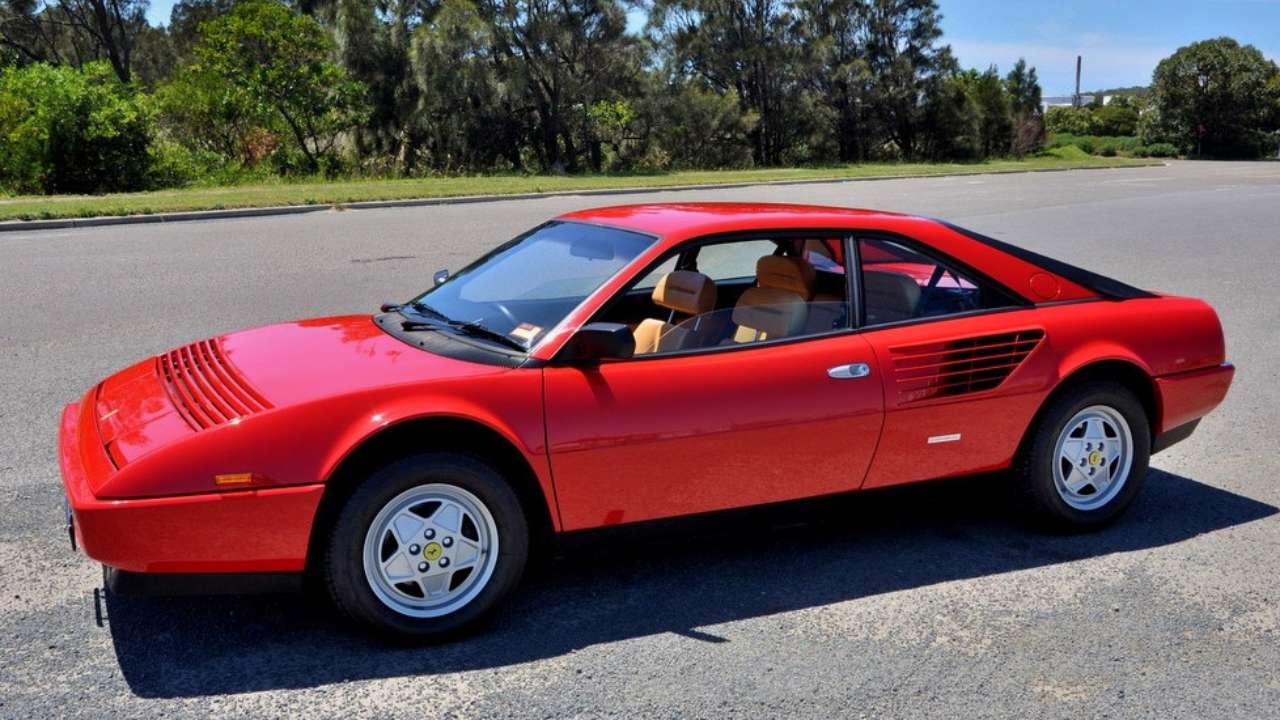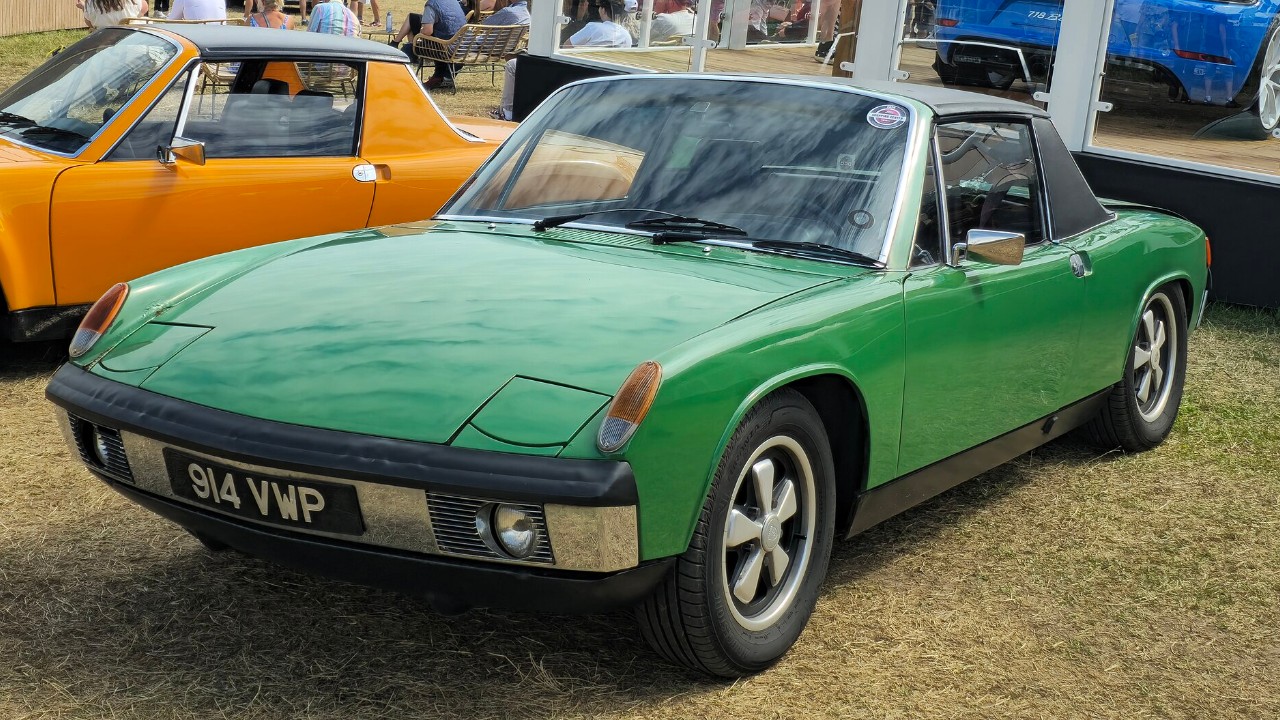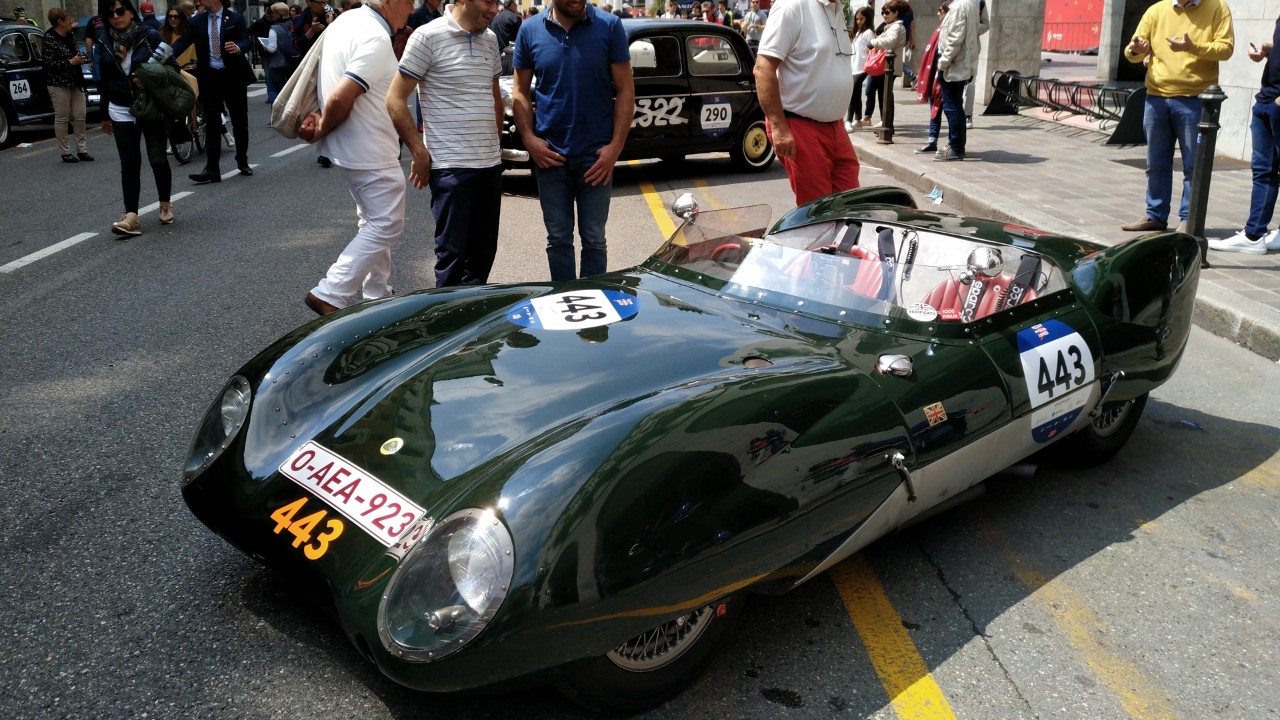
A coupe that a home mechanic can keep running earns a special kind of respect. The nine cars below, from the Ford Capri Mk1 to the BMW E36 M3, win praise in published buyer’s guides for tough engines, simple hardware or strong parts supply.
Each entry rests on a named guide, and each one lists the weak spots too. No car is perfect, but these give the person with the spanners a fair chance.
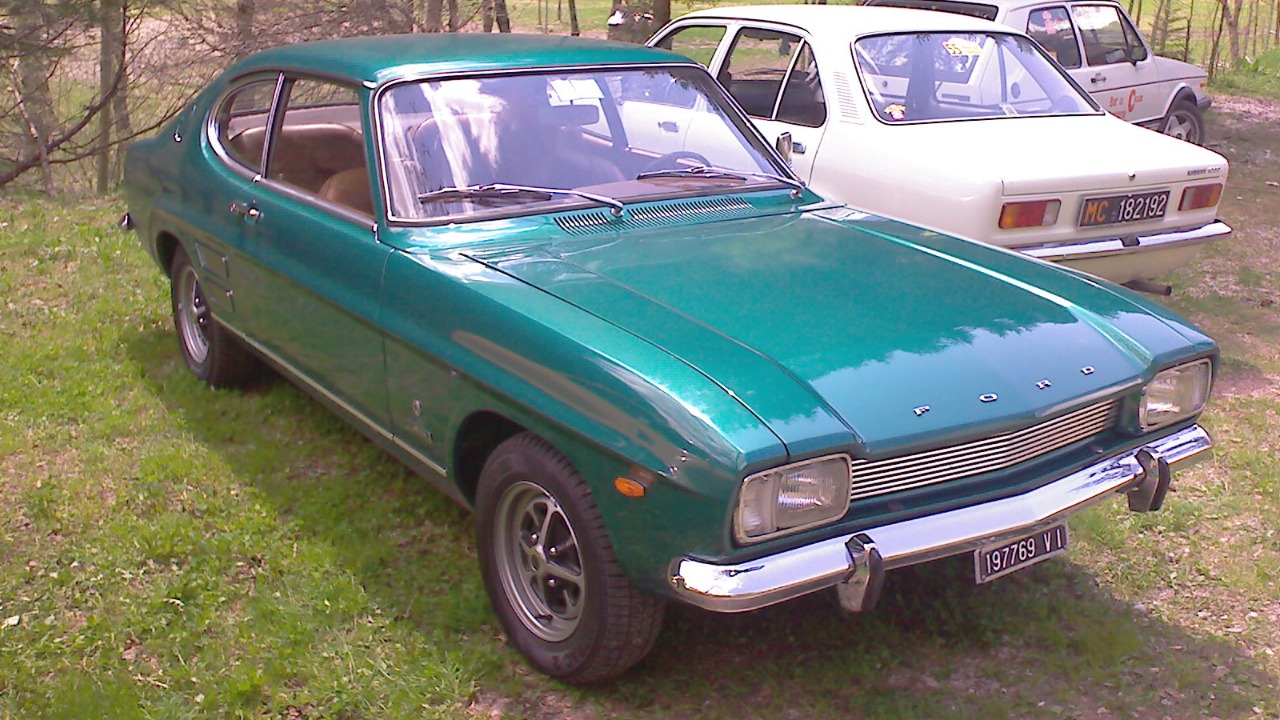
1. 1969–1974 Ford Capri Mk1
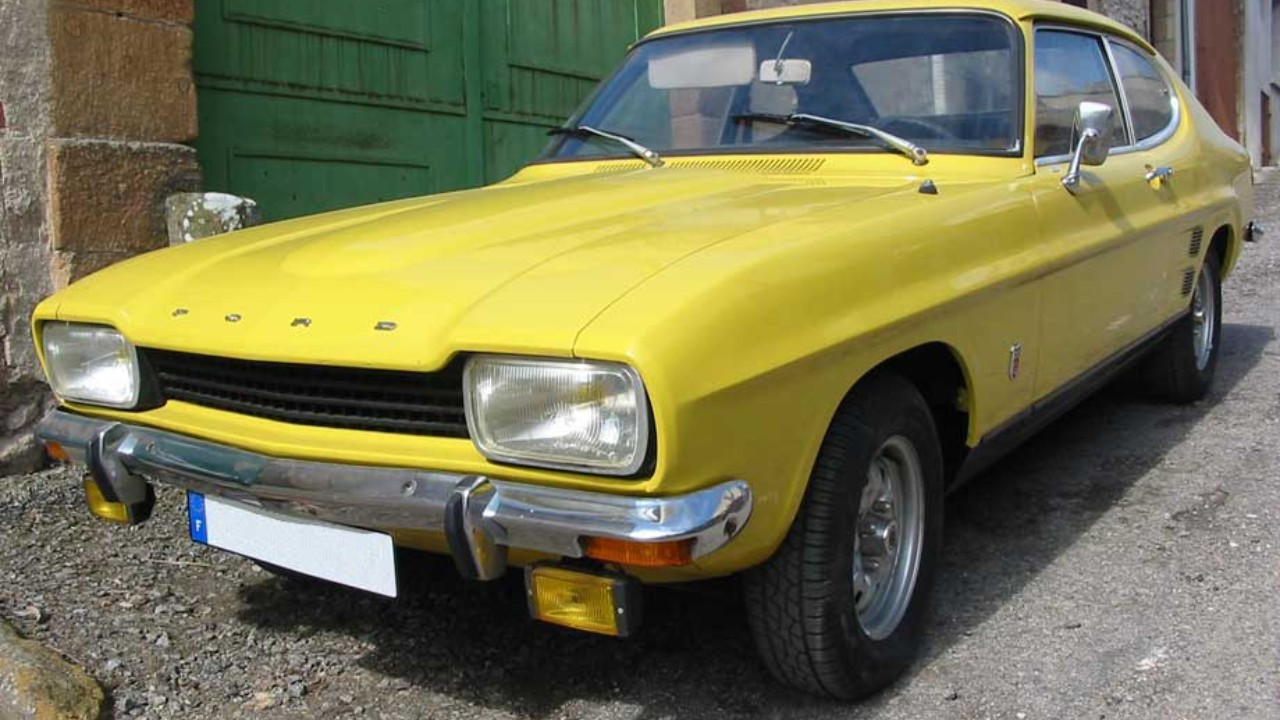
Ford launched the Capri in 1969 and built nearly 1.9 million of them by 1986. That huge run is part of why the Ford Capri Mk1 is easy to live with now. Its engines were standard Ford units, so the knowledge and the spares never dried up.
The Goodwood buyer’s guide calls the car “pretty simple and tough,” with mechanical parts that are “durable and straightforward to repair.” It also rates the Capri “one of the easier classic Fords to maintain.” The catch is the body: rust is the biggest issue, and interior trim can be very hard to find.
2. 1983–1987 Toyota Corolla AE86

Toyota sold the Japanese-market AE86 Levin and Sprinter Trueno as a two-door coupe or a liftback. Early cars ran from 1983 to 1986, and the facelifted “kouki” versions followed from 1986 to 1987. Its 1.6-liter four makes 130 PS at 6,600 rpm.
Goodwood credits “the fundamental mechanical simplicity and inherent Toyota toughness” in its AE86 guide. Better yet, Toyota has restarted limited production of certain AE86 parts through its GR Heritage Parts program. However, rust and crash damage are the two main worries, especially around the sills and suspension mounts.
3. 1988–1991 Honda CR-X
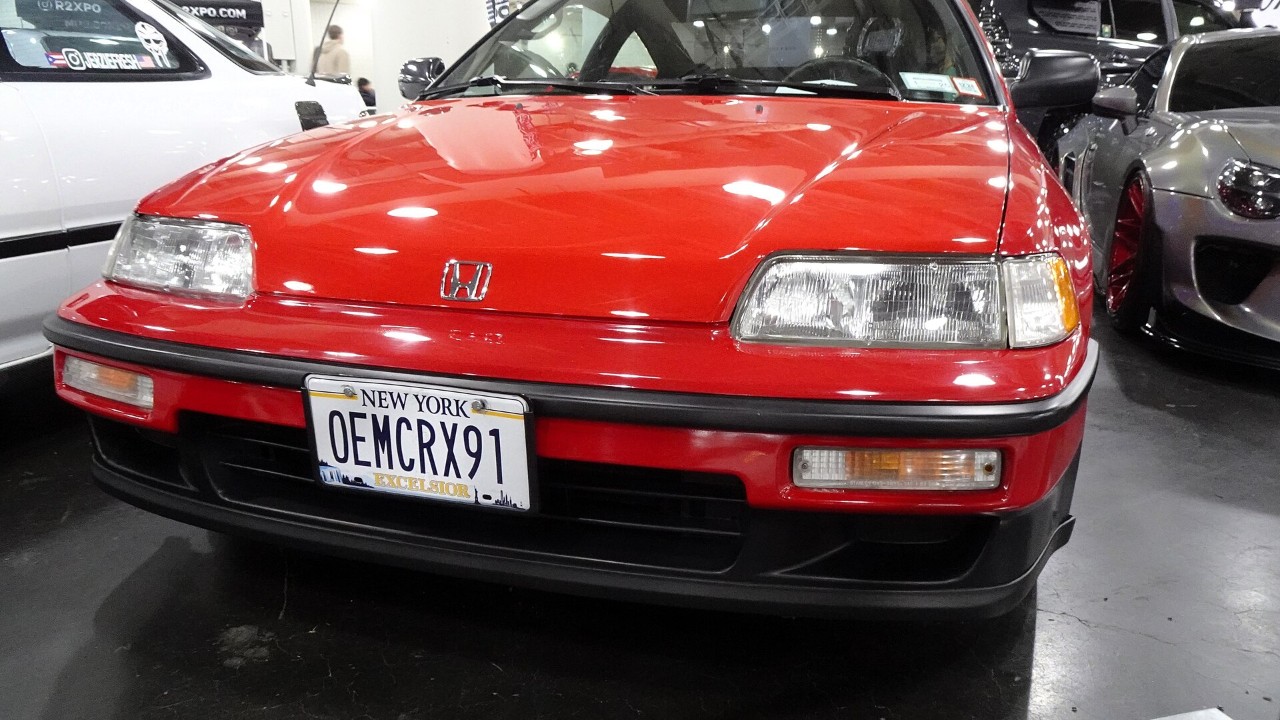
The second-generation CR-X arrived in 1988 and gave way to the Del Sol in 1991. Octane describes it as “a compact, lightweight coupé.” In the UK, the top model’s 1.6-liter VTEC engine made 148 bhp at 7,600 rpm.
That engine is the reason it makes this list. According to Octane’s buying guide, “The engines are extremely robust and capable of covering high mileages if properly maintained.” Also, with plenty of Honda specialists and parts, most problems can be fixed. Body panels and trim are the hard part to find.
4. 1966–1975 Fiat 124 Sport Coupe
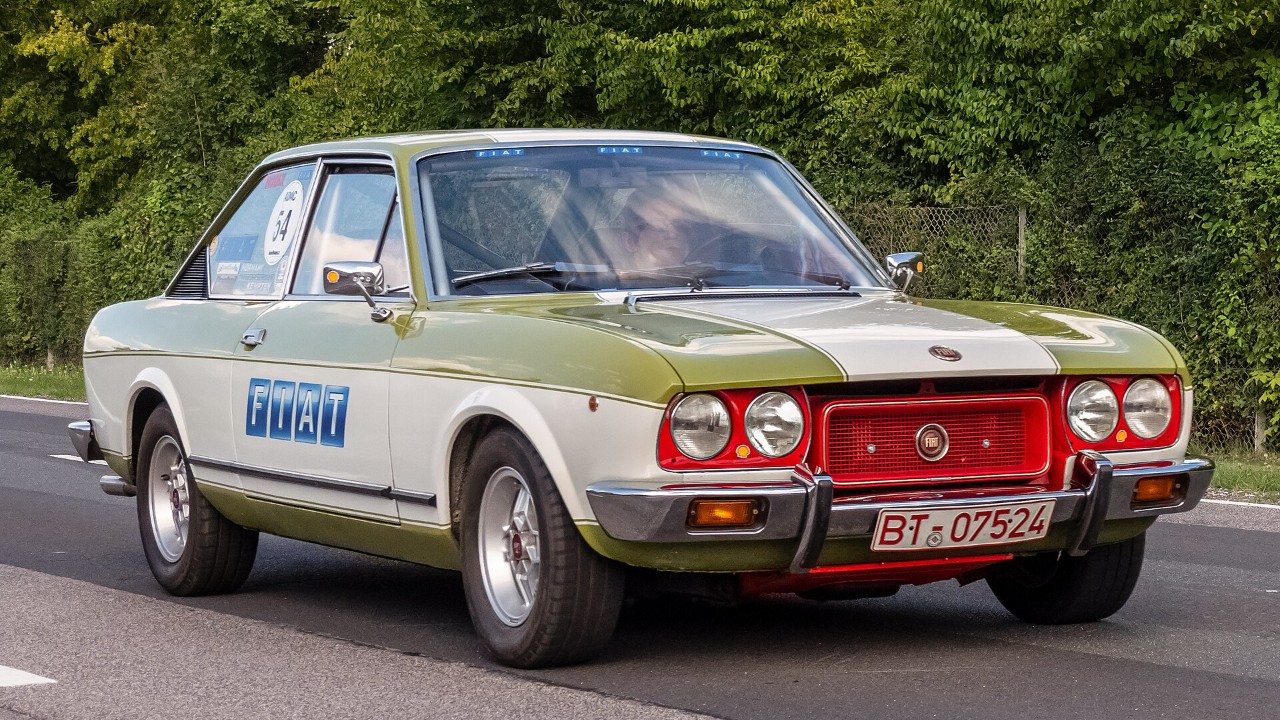
Fiat built 299,686 Sport Coupes on the 124 sedan’s platform. The first cars used a 1,438cc four with 96 hp and a 6,800-rpm redline. Then, in 1971, a 1,608cc engine with 104 hp took over.
The Sports Car Market profile says the engines “can cover 100,000 miles without major issues if they’re well maintained.” It also rates parts support “excellent” and calls these “cheap cars to repair.” One rule matters, though: change the cam belt every 30,000 miles to be safe.
5. 1977–1985 Mercedes-Benz 280CE (C123)
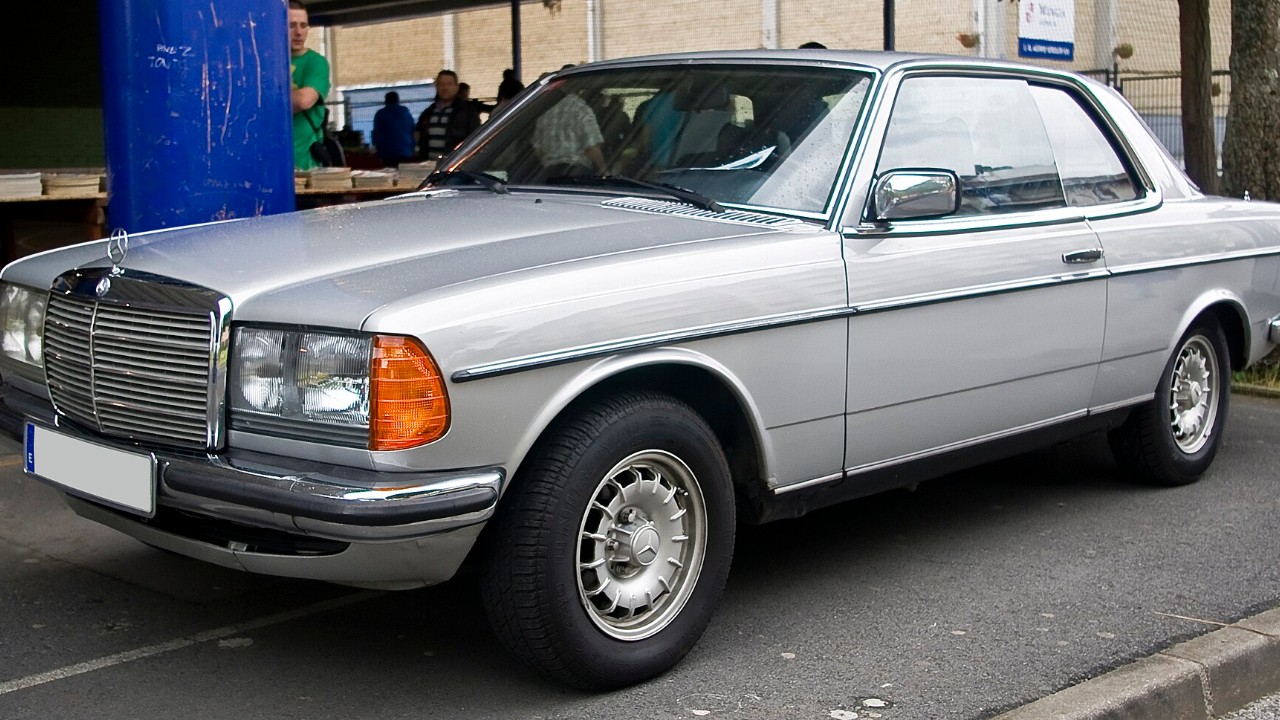
Mercedes added a coupe to the W123 range in 1977, a year after the sedan. Buyers could choose a 230C, 280C, 280CE or 300CD, and fewer than 100,000 coupes were built before the W124 arrived in 1985. The 280CE’s M110 six, a twin-cam development of the older M130, has few known faults, the guide says.
Classics World calls the W123 “one of the few truly bulletproof classics.” It adds that “there is very little that breaks on a well kept 123,” and Mercedes will supply original panels. By contrast, restoring a coupe is not cheap, and new fuel tanks are no longer available.
6. 1975–1988 Opel Manta B
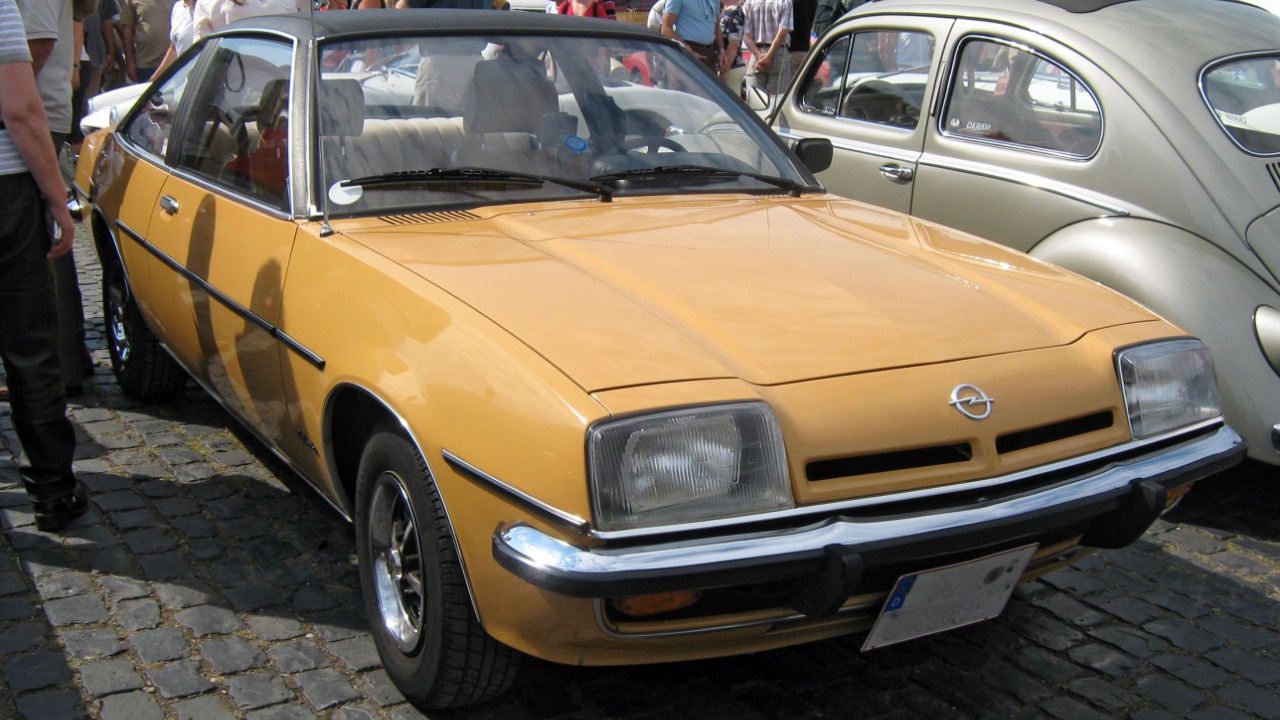
The Manta B borrowed its running gear from the Ascona sedan, which “donated its underpinnings to the Manta.” Opel sold it as a sports hatch and a more traditional coupe. Over 13 years, sales reached 523,000, and the fuel-injected 2.0 GT/E made 110 bhp.
Hagerty UK’s Manta buyer’s guide says “all of the engines are capable of 100,000 miles between any major work.” It also calls the suspension and steering “all very easy to work on and replace.” Rust, however, is the main enemy, and many cars suffered years of neglect.
7. 1978–1984 Porsche 911 SC
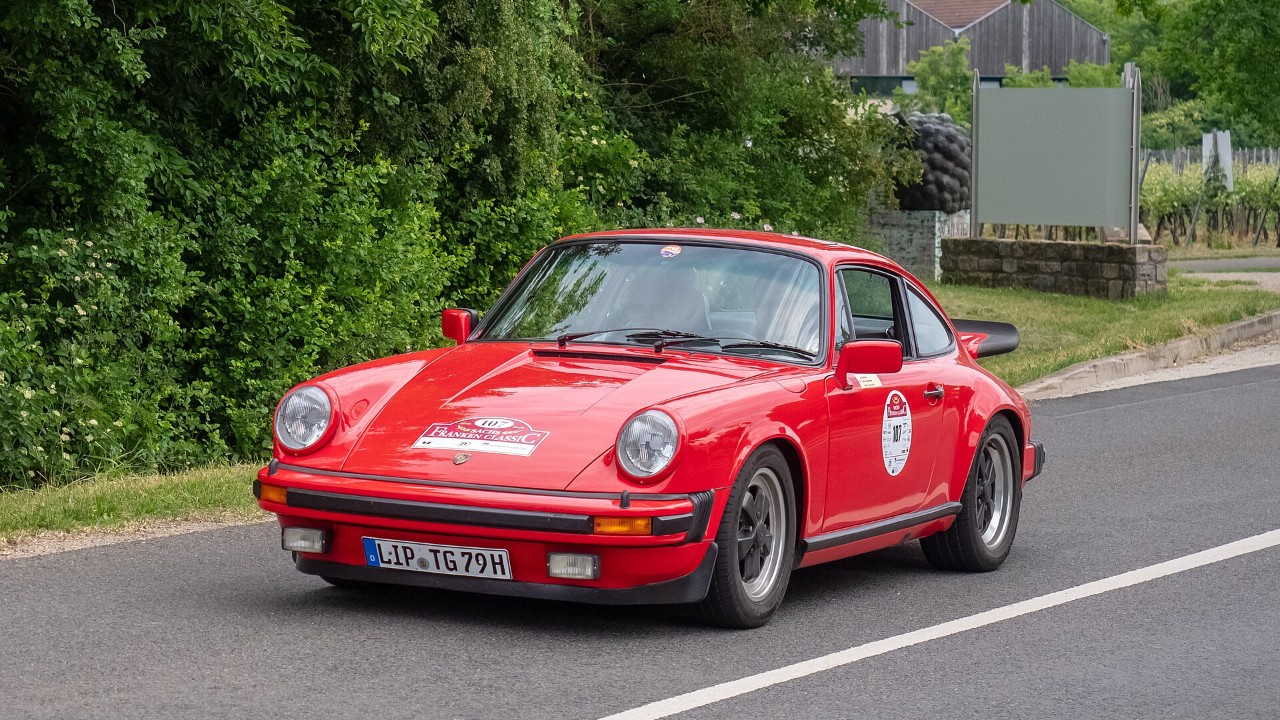
The SC replaced much of the 911 range in 1978. Its 3.0-liter flat-six made 204 PS at 5,900 rpm, and Goodwood says its aluminium crankcase is “considered sturdier.” Porsche built just over 198,400 G-Series 911s in all.
According to the Goodwood G-Series guide, the SC brought “a stronger reputation for durability.” The guide also rates parts support “excellent by classic standards,” and common service parts are easy to source. Still, big jobs and rebuilds “quickly escalate in cost and complexity.”
8. 1998–2006 Audi TT (8N) Coupe
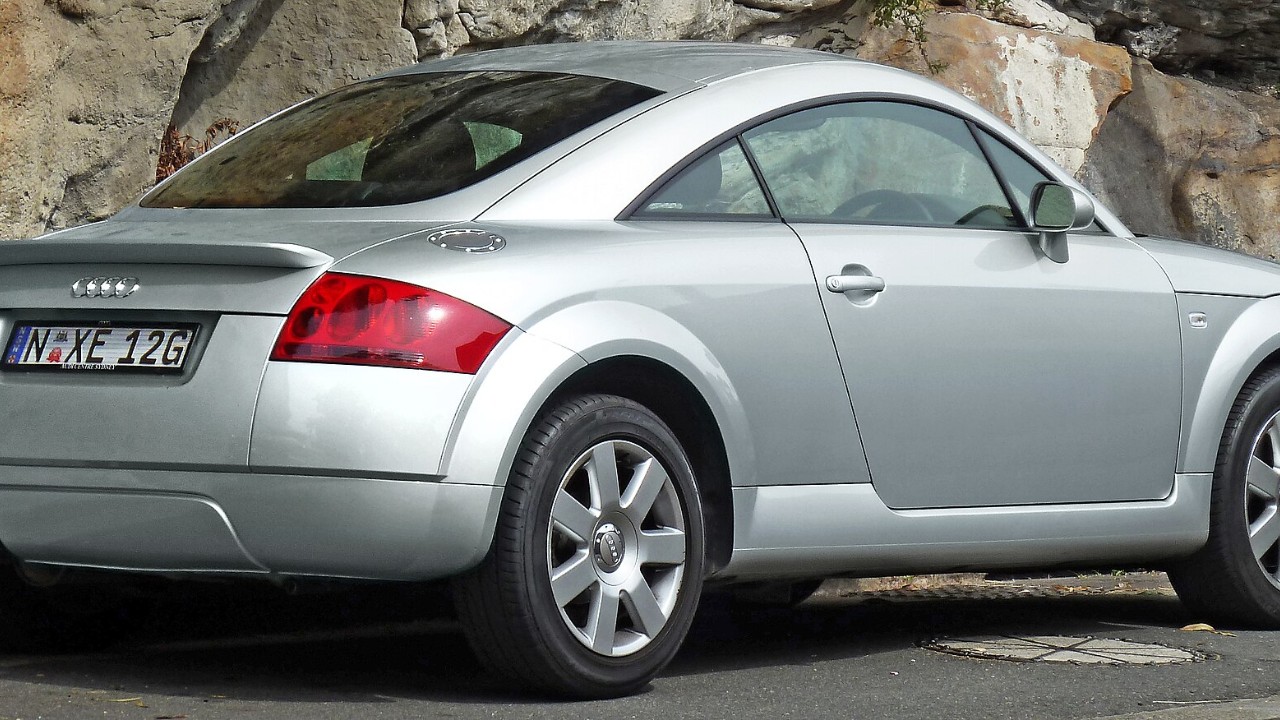
Audi built the first TT at its plant in Győr, Hungary, from 1998 to 2006. The 1.8-liter turbo came in tunes from 150 PS to 225 PS. Later, in 2003, a 3.2-liter VR6 joined the range.
Purists grumble that it shares parts with other Audi and Volkswagen models. Yet the Goodwood TT guide notes that the shared hardware keeps spares affordable and makes repair know-how easy to find. It calls the car “generally well-made and sturdy.” On the other hand, the 1.8T needs its cambelt on time, and V6 cam chains can stretch.
9. 1992–1999 BMW M3 (E36) Coupe

BMW built the E36 M3 at Regensburg from 1992 to 1999, as a coupe, a convertible and, for the first time, a sedan. The original 3.0-liter six made 286 hp in European form. After that, the Evolution brought a 3.2-liter S50B32 with 321 hp.
The Goodwood E36 M3 guide says “Engines are generally considered tough when looked after properly.” In addition, parts availability is good, “helped by BMW Classic, specialists and shared E36 components.” The known weak points are the VANOS system, which can fail on both engines, and the cooling system.
More from Fast Lane Only