Overall wins grab the headlines, but class wins built reputations for small makers. A tiny Panhard beat its French rival at Le Mans, and the Lotus Eleven swept its class at Sebring. These six two-seaters all beat every car in their class in serious competition, yet few people remember them today.
None of them won outright. Instead, each one beat the cars it was built to beat, often on far less engine than the leaders.
1. 1962 Panhard CD
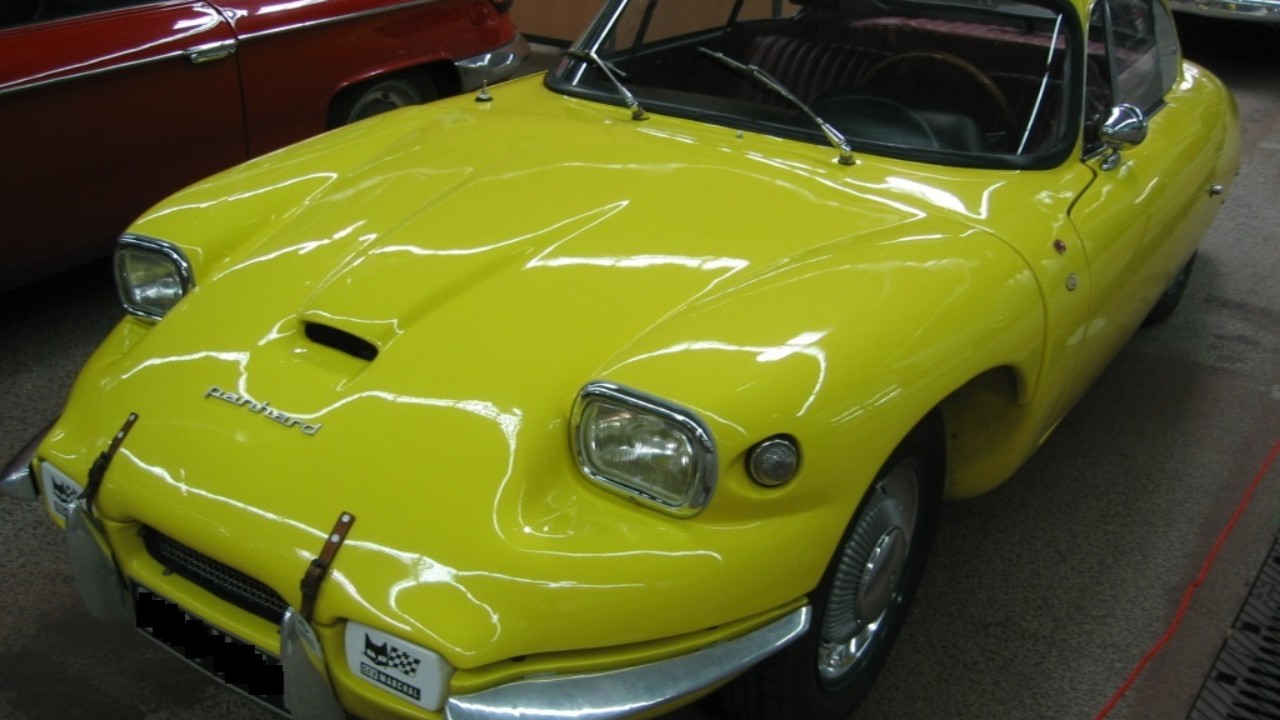
The Panhard CD came together in a hurry. In March 1962, Panhard hired Charles Deutsch’s firm, CD, to build five new cars for Le Mans, which was only about three months away. That was a tight deadline for a brand-new race car.
It worked anyway. According to Motor Sport magazine, CD beat the René Bonnet marque to the Index of Performance and also won the 850cc class. The Racing Sports Cars results archive lists car No. 53, driven by Guilhaudin and Bertaut, in 16th overall. Later, CD sold about 150 road-going replicas in 1963, Motor Sport says.
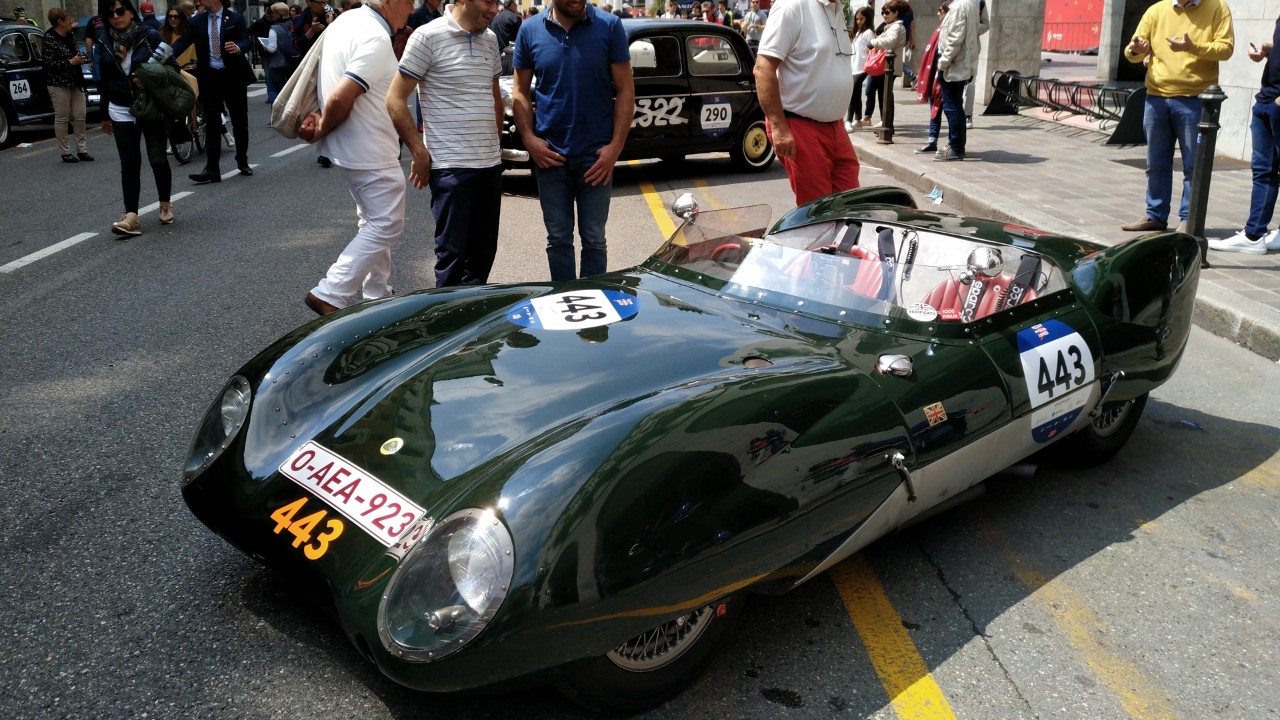
2. 1956 Lotus Eleven
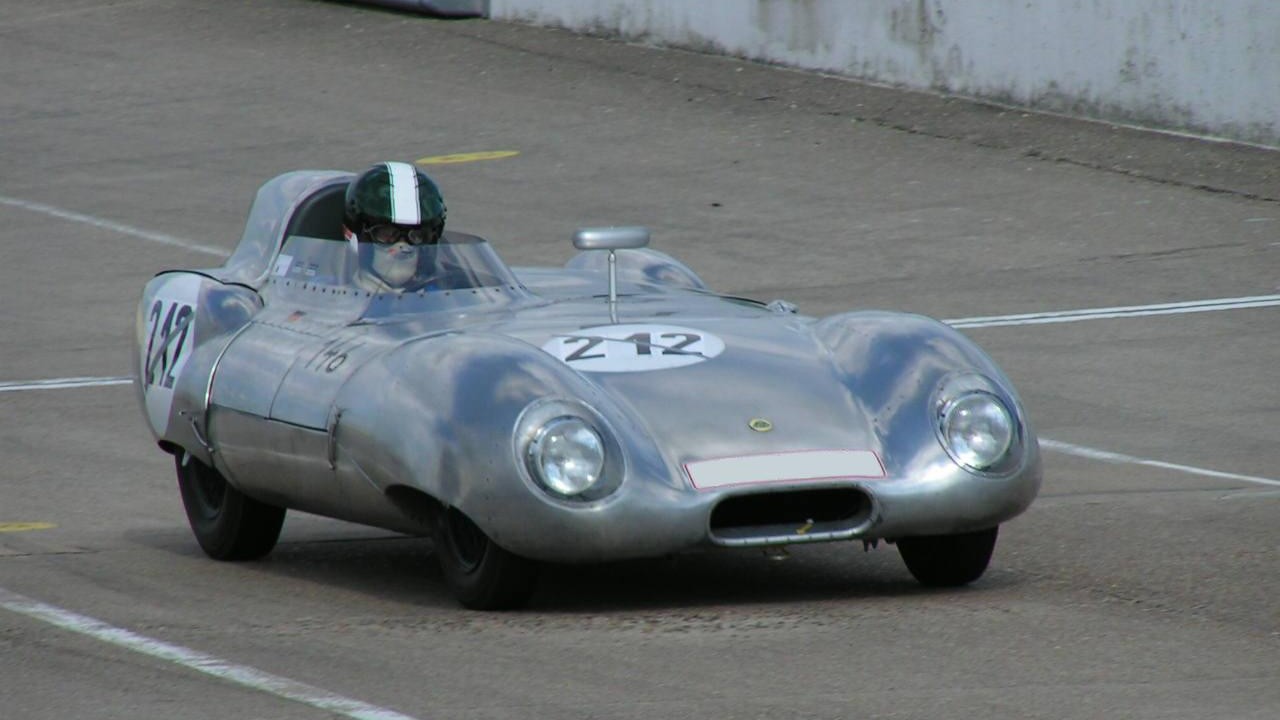
Colin Chapman’s Lotus Eleven weighed just 1,000 pounds without fuel, and its tubular steel spaceframe weighed only 70 of those. In its Le Mans debut in 1956, Reg Bicknell and Peter Joop finished seventh overall and first in class.
The next year was even better. In 1957, an Eleven with a 750cc engine won the Index of Performance at Le Mans, and Elevens took first, second and fourth in the 1100cc class, according to Classic Motorsports. Then, in 1958, they made a clean sweep of their class at Sebring. In total, the build sheet shows 270 Lotus Eleven cars.
3. 1956 Abarth 750 Zagato
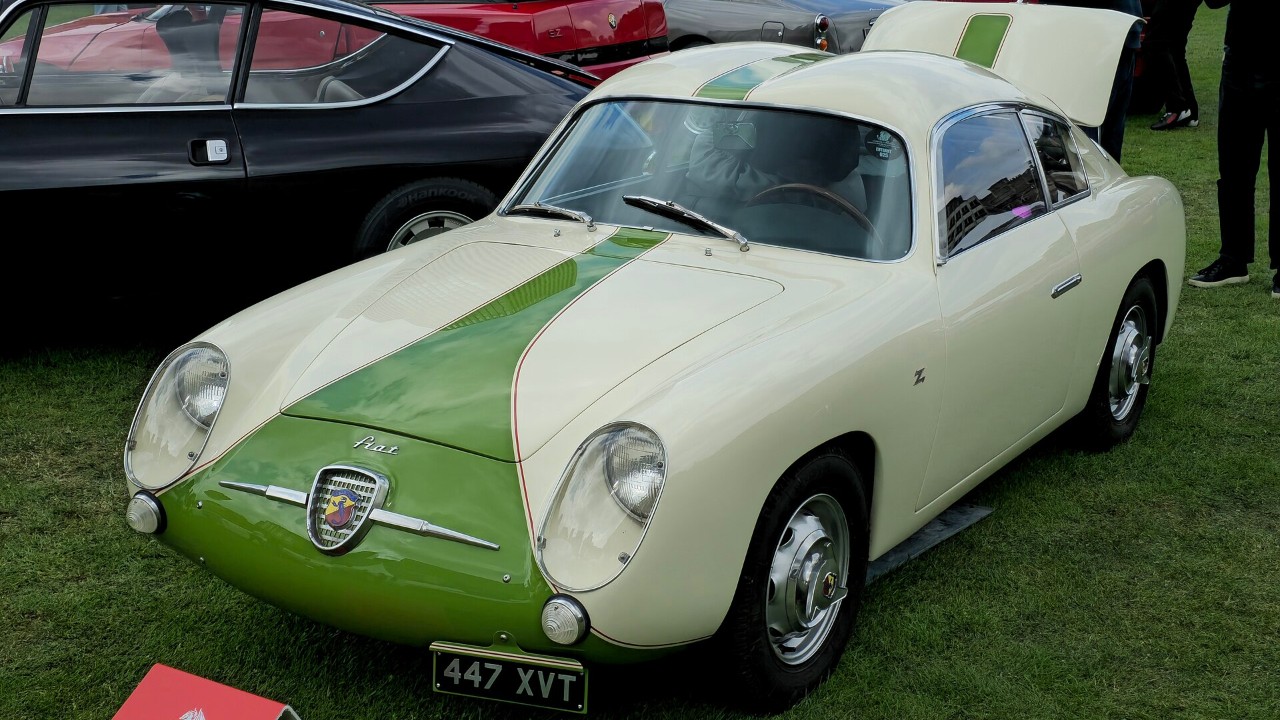
Carlo Abarth’s little coupe made its debut at Geneva in March 1956. Zagato gave it a distinctive “double bubble” roof and a rear intake. It wasn’t long before it started collecting trophies.
During the 1956 season, Mario Poltronieri, Ernesto Prinoth and Vittorio Feroldi De Rosa drove the lightweight GTs to 31 class victories, according to Classic Driver. The car first succeeded on European tracks and later in the United States. As a result, the 750 gave Abarth his first real taste of winning, which he chased for the next decade.
4. 1964 Alfa Romeo Giulia TZ
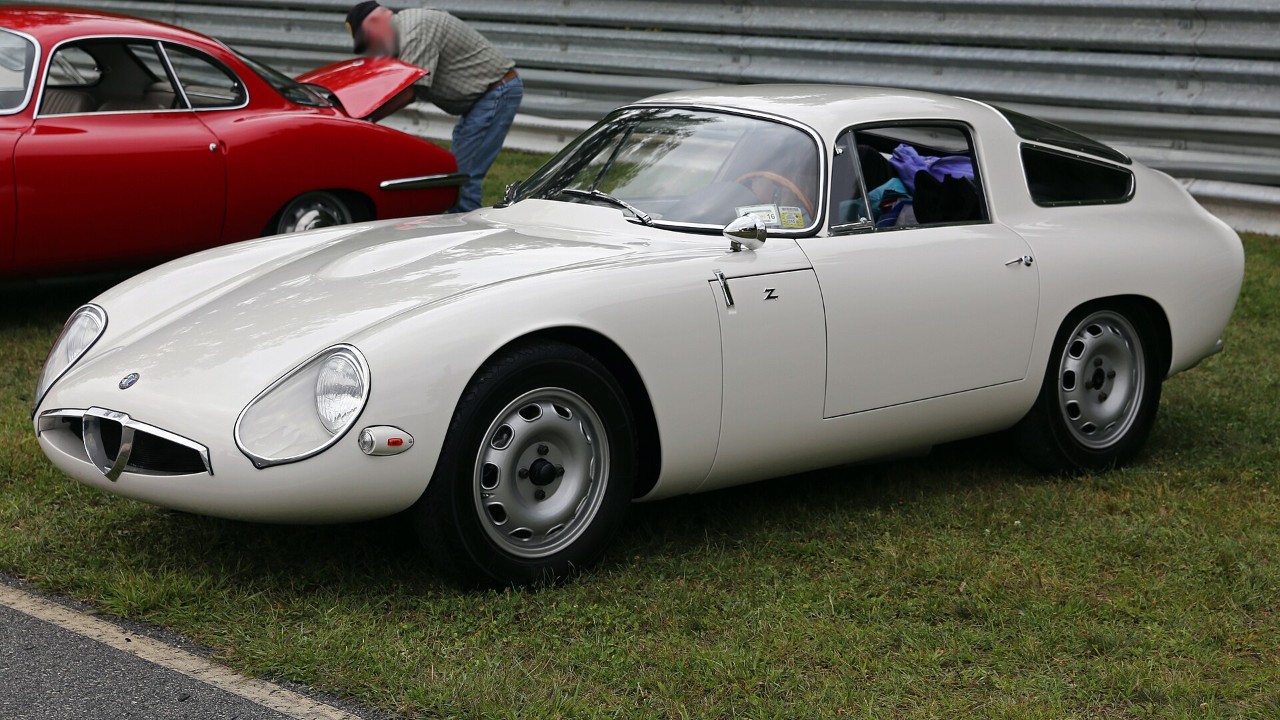
The TZ took its name from its chassis, a multi-tube space frame called tubolare in Italian. On top sat a lightweight aluminum body, hand-built by Zagato. Power came from a 1,570cc twin-cam four, which made roughly 160 to 175 horsepower in competition trim.
The results backed up the engineering. According to conceptcarz, the TZ won the 1600 class at Monza, Sebring, the Targa Florio, the Nürburgring 1000 km and the 24 Hours of Le Mans. Alfa Romeo built only 112 of the first TZ models between 1963 and 1965, plus 12 of the later TZ2.
5. 1959 AC Ace Bristol
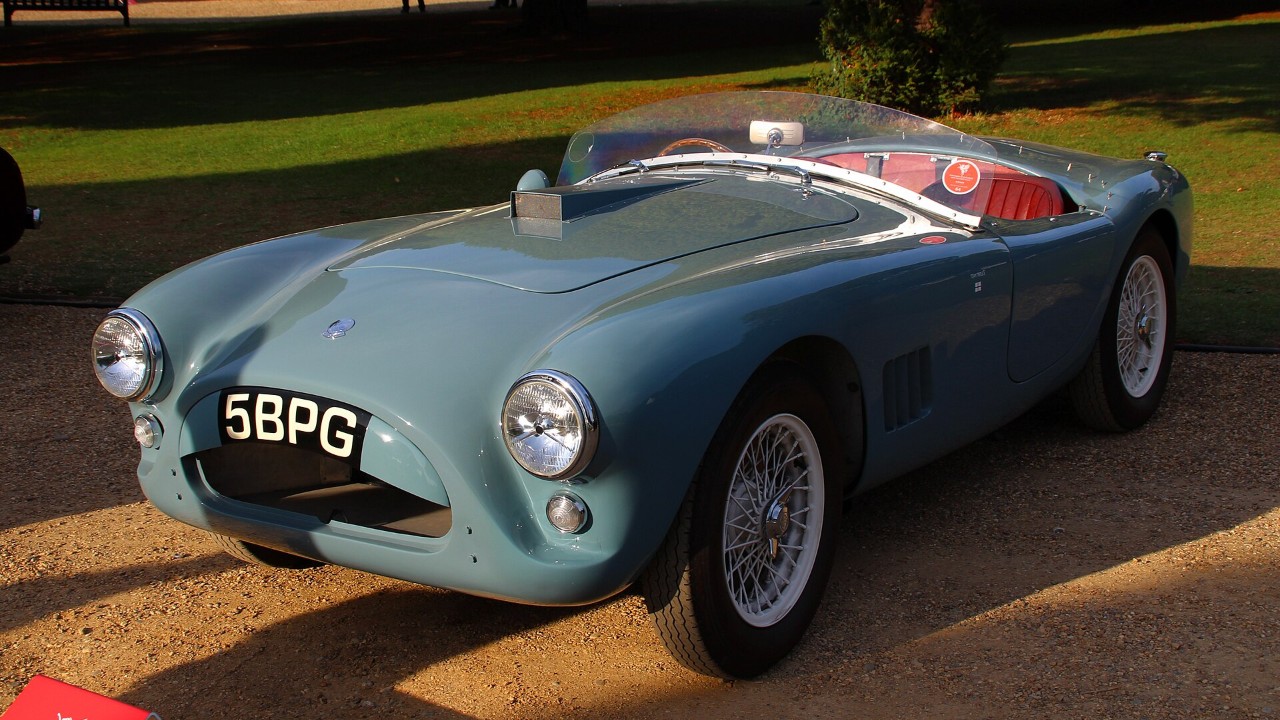
At Le Mans in 1959, the attrition was brutal. Only 13 of 53 starters reached the finish. Among them was an AC Ace Bristol registered 650 BPK, chassis BE 214, wearing race number 29.
John Turner and Ted Whiteaway drove it 274 laps to seventh overall and a win in the two-litre class, according to a sale listing for the car itself. The HistoricRacing.com driver record for Whiteaway confirms the seventh place and the class win in the Rudd Racing entry. Under the hood sat a triple-carburetor Bristol 2.0-liter engine.
6. 1955 Austin-Healey 100S
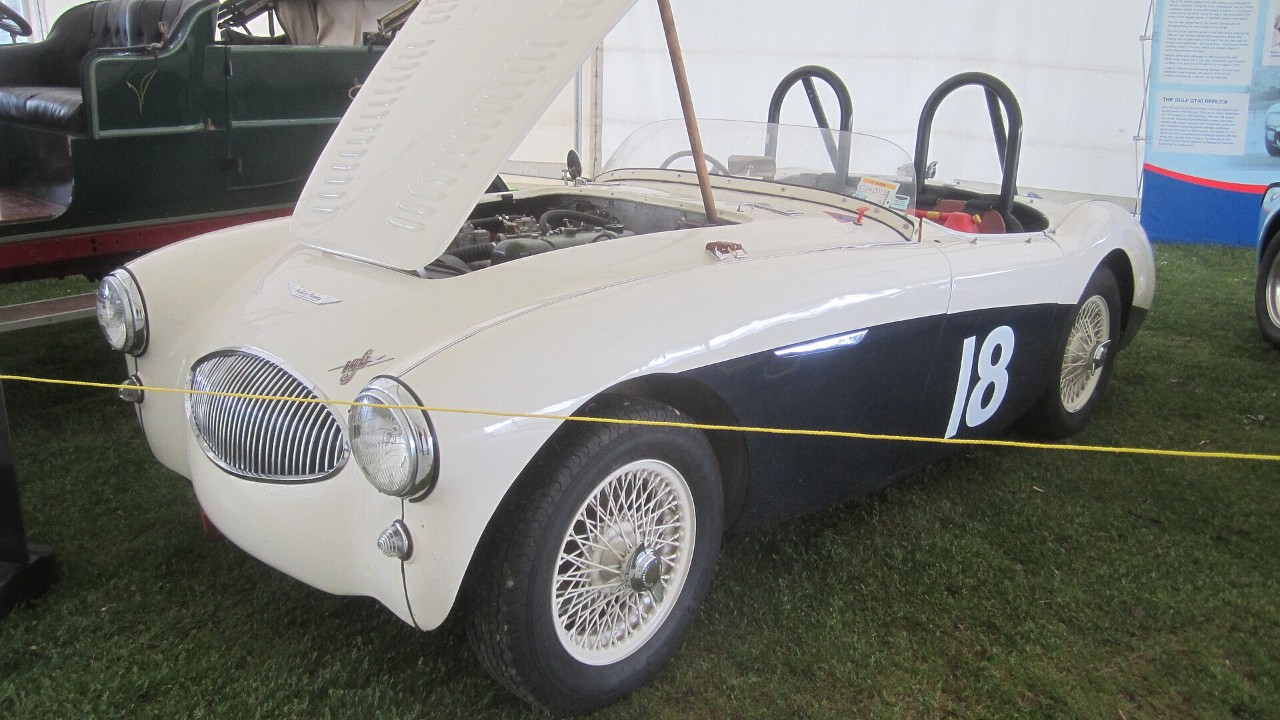
The “S” in 100S stands for Sebring. At the 1954 Sebring 12 Hours, a factory-entered test car driven by Lance Macklin and George Huntoon finished third overall and first in class, according to conceptcarz. That was a works test car, not a production 100S. Still, the result gave the road car its name.
It wasn’t easy. Motor Sport’s 1954 race report says the Healey ran on three cylinders for several hours. It moved up to third only after a protest disqualified a Lancia. The production 100S made 132 horsepower and used Dunlop disc brakes at all four corners. In 2011, Gooding & Company sold one of the 50 production cars for $632,500, according to Sports Car Market.
More from Fast Lane Only