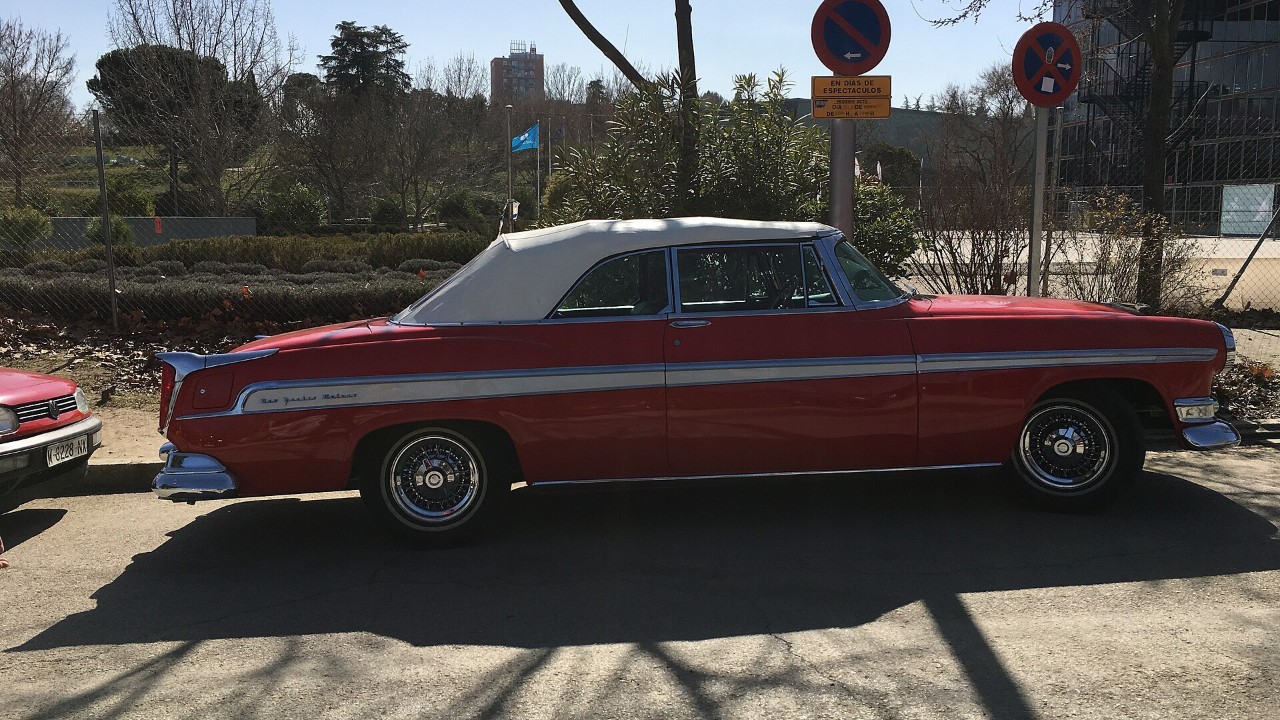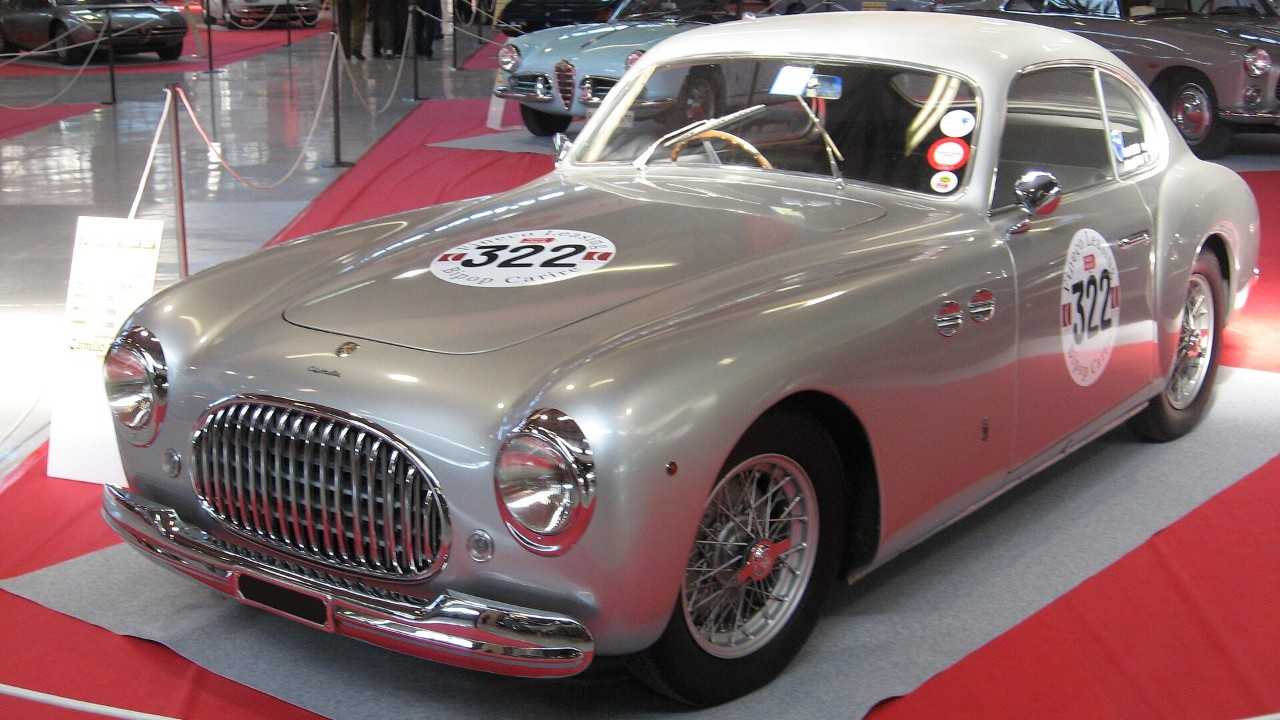
A sports car can look perfect in the classifieds and still hide a costly flaw. The 1980 Ferrari Mondial 8 made TIME’s list of the 50 worst cars ever, and Porsche once settled a class action over 911 and Boxster engines. These ten cars all carry a documented weak spot that buyers should know about before they sign.
Not every car here is bad from end to end. In several cases, the trouble sits in one engine, one model year or one part, and later fixes changed the picture.
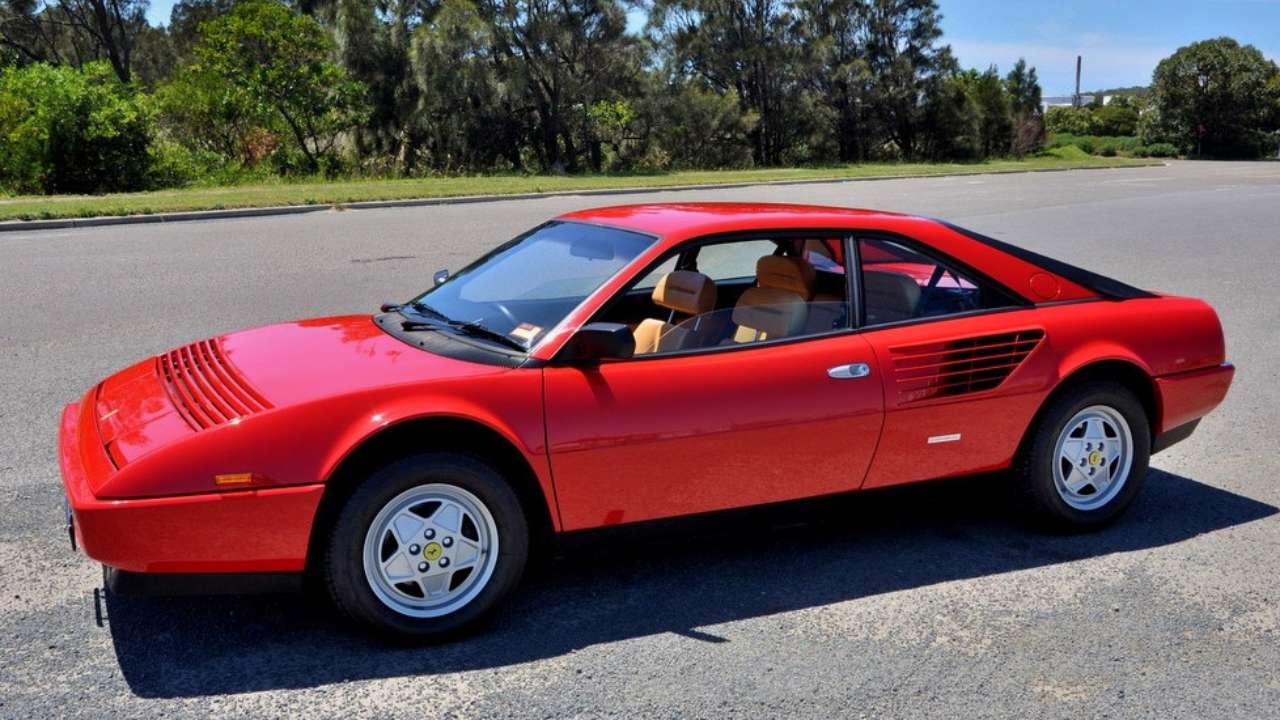
1. 1980 Ferrari Mondial 8

The first Mondial was Ferrari’s attempt at a practical 2+2. It used the 308 chassis and a transverse, mid-mounted V8. However, that V8 made only 214 horsepower in a large and relatively heavy coupe.
TIME’s 2007 list of the 50 worst cars of all time went further. It called the 1980 Mondial 8 a “big red disaster” with faulty electronics. It also said every electrical system eventually failed, and it mocked the cost of factory service. To be fair, TIME also notes that later Mondials got much better. So the warning applies to that first 1980 car.
2. 1958 MGA Twin Cam
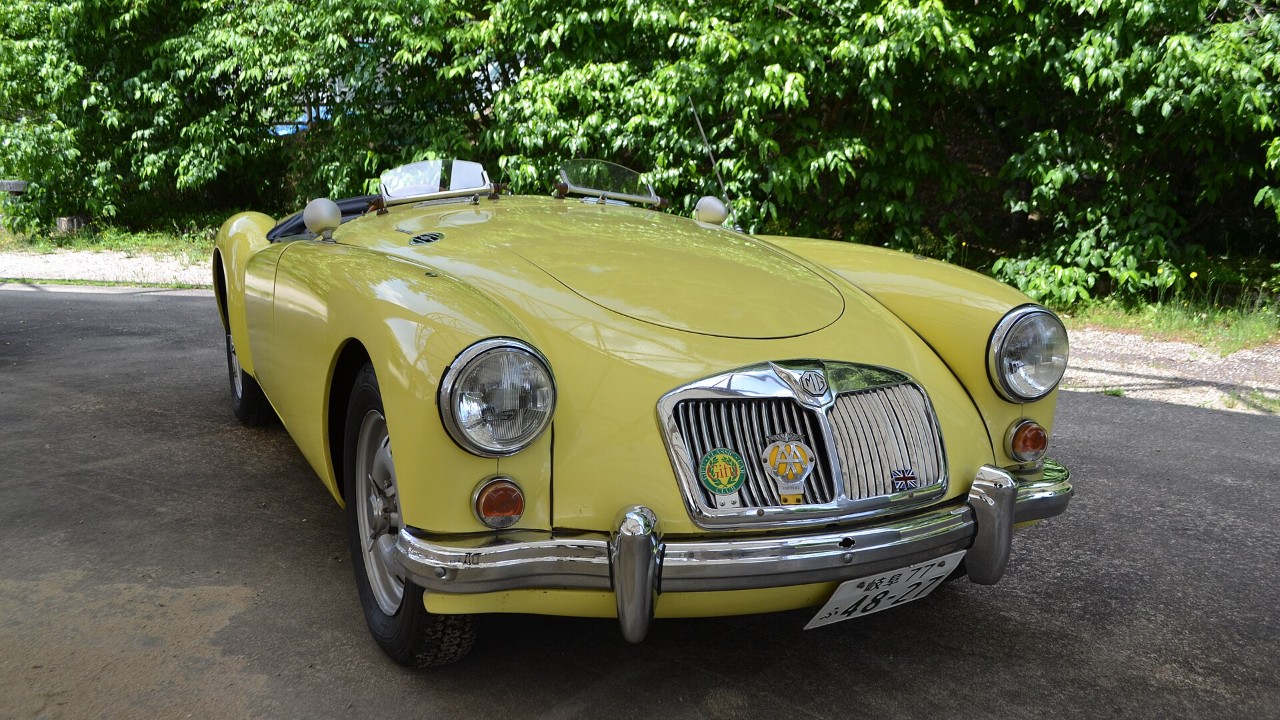
The trouble with this MG lived in a single option box. Buyers could order a high-performance twin-cam engine, and that engine earned a place on TIME’s worst-cars list as a “leaking, piston-burning, plug-fouling nightmare.” It demanded exact ignition timing, the right fuel and strict rev limits.
Years later, TIME says, the cause turned out to be the carburetors. At certain engine speeds, resonance frothed the fuel mixture, which ran lean and burned the pistons. Interestingly, the same writer owns a restored 1960 MGA with the standard iron-block pushrod engine. He says it has never given him trouble, so the ordinary MGA is a different story.
3. 1970 Triumph Stag
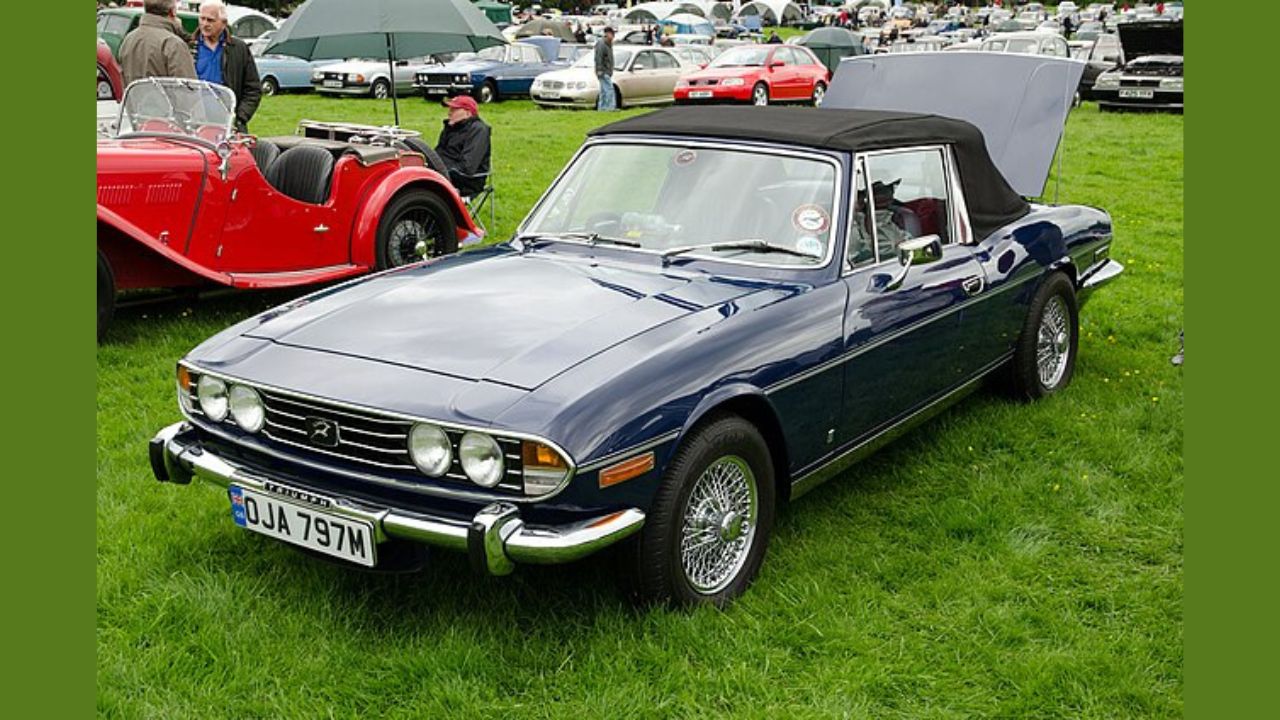
Triumph gave the Stag a 3.0-liter V8 of its own. Unfortunately, that engine became the car’s reputation. TIME’s entry calls the V8 “a monumental failure” and then lists the faults one by one.
First, the timing chains broke. Next, the aluminum cylinder heads warped badly. In addition, the main bearings could seize and the water pump failed. That’s a long list for one engine, and it explains why any Stag for sale needs proof of what has been done to it.
4. 1974 Jaguar E-Type Series III V12

By the 1970s, U.S. emissions controls had sapped the E-Type’s power. Jaguar’s answer was to drop the 4.2-liter six for a 5.3-liter V12. According to TIME, the bigger engine made the car nose-heavy and was very hard to keep in tune.
The rest of the package changed as well. Jaguar dropped the fixed-head coupe and sold only a long-wheelbase 2+2 or a convertible. It also added bulked-up fenders and rubber bumpers for the 5-mph bumper rules. Part of TIME’s complaint is styling, then, but the tuning headache is mechanical.
5. 1975–1978 Lancia Beta Montecarlo

The first-series Montecarlo had a braking problem serious enough to take it off sale. An overactive brake servo made it easy to lock the front wheels, according to Curbside Classic’s history of the car. Lancia paused production in early 1978 to fix its worst problems.
When the car came back in 1980, the servo was gone and the discs were upgraded. Rust was the other enemy. PistonHeads singles out the rear cross member, made from steel that was too thin. As a result, it says few examples survive.
6. 1980 Chevrolet Corvette 305 ‘California’
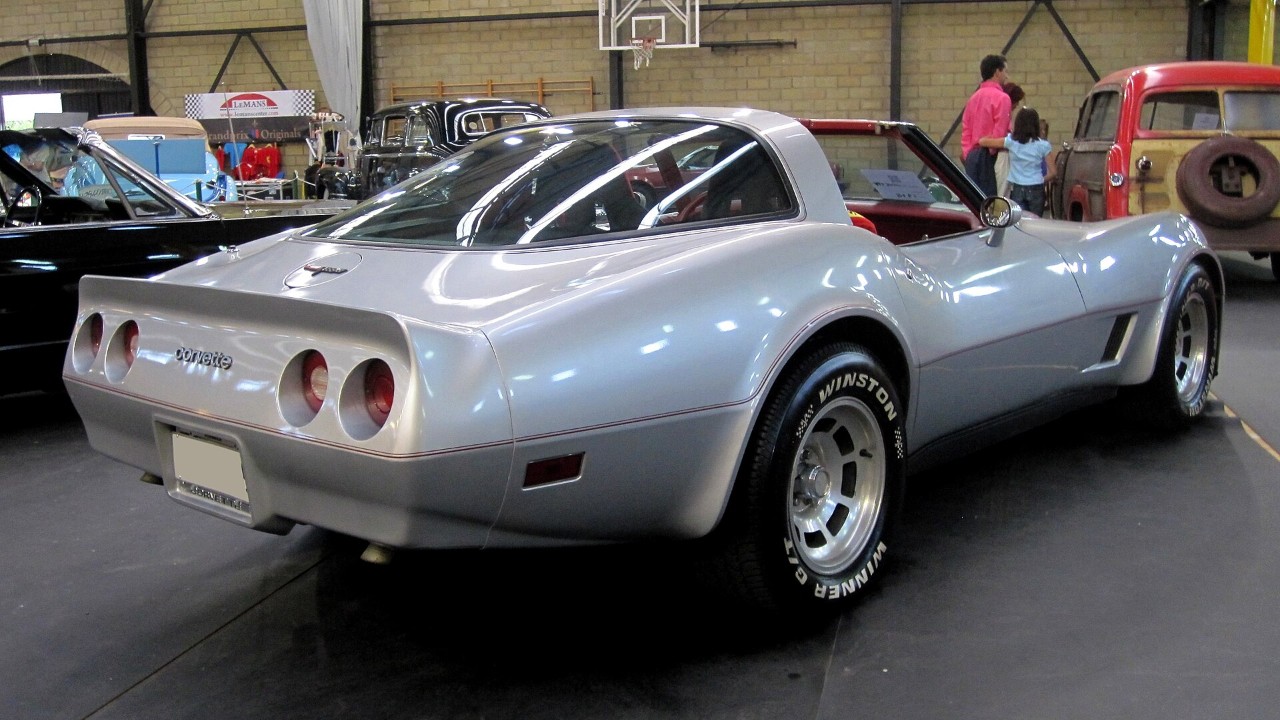
TIME’s complaint about this Corvette isn’t reliability. Instead, the car simply disappointed. In 1980, California’s stricter emissions rules forced Chevrolet to replace the 350 small-block with a 305 V8 for cars sold in that state.
The result made 180 horsepower and came only with a three-speed automatic, according to TIME’s worst-cars entry. The magazine called it “180 hp of pure shame.” For buyers, the lesson is to check the engine code. A 1980 Corvette with the 350 is a different car.
7. 1996–2002 Jaguar XK8
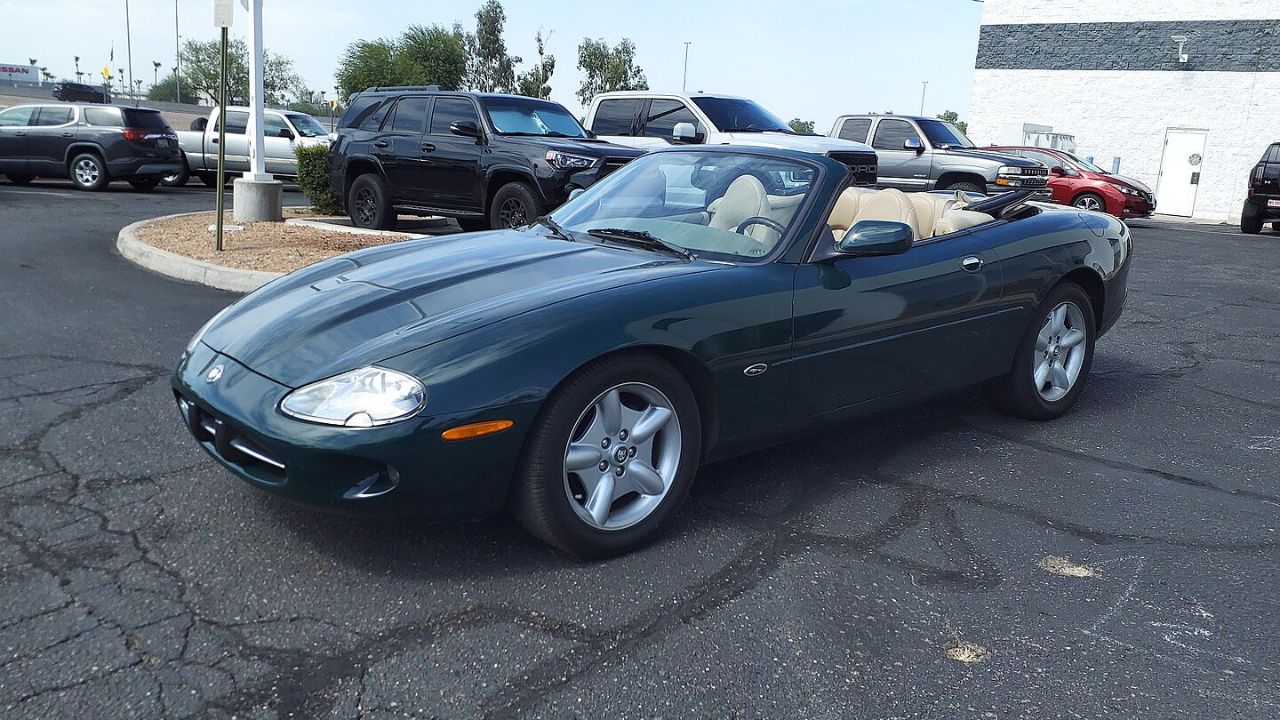
Early XK8s carry two engine risks. Engines up to VIN 042775 used Nikasil cylinder liners, and some corroded and lost compression. Jaguar switched to steel liners in October 1999, according to Classic & Sports Car’s buyer’s guide.
The second risk is the timing chain tensioners. The originals were plastic, and the guide warns they can break and even cause catastrophic chain failure. Jaguar improved them in 2002 and fitted metal ones from 2005. So, an earlier car without proof of replacement needs a check. Overall, Jaguar built 90,064 XK8s and XKRs from 1996 to 2005.
8. 2001–2005 Porsche 911 (996)
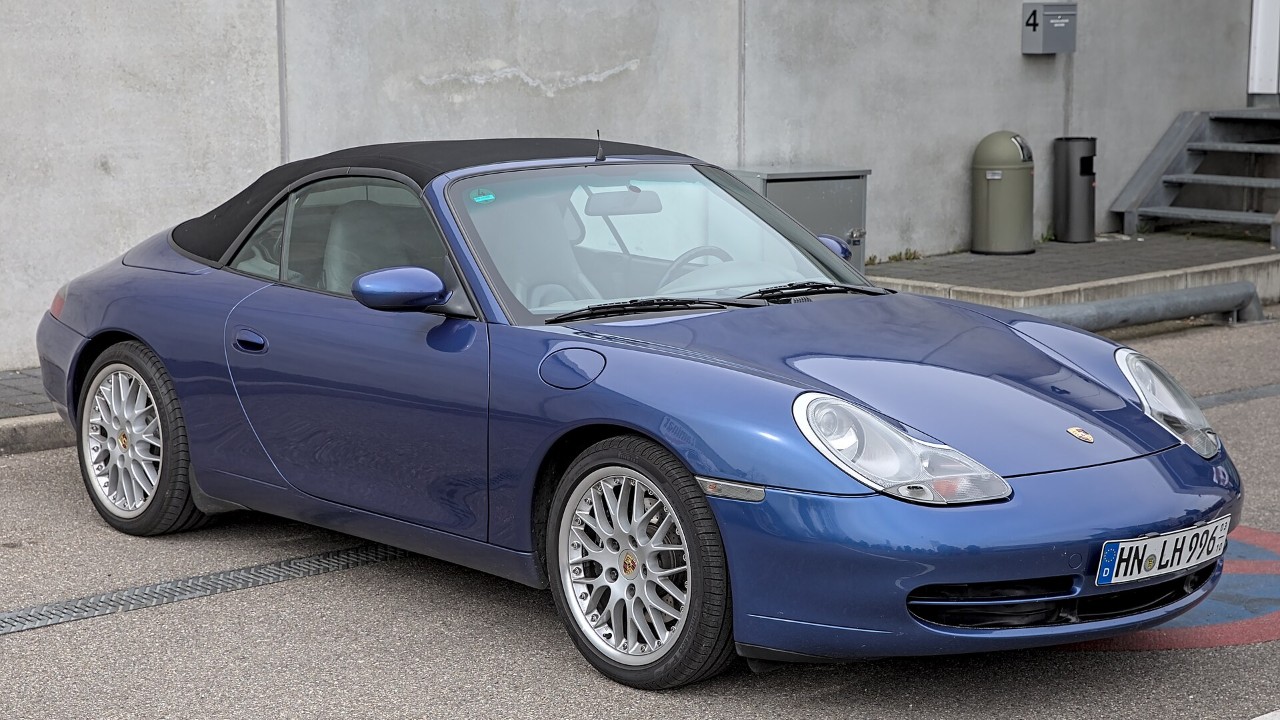
The 996’s weak point is a small bearing on the engine’s intermediate shaft, known as the IMS. If it fails, metal fragments can spread through the engine, and cam timing can slip far enough for pistons to hit valves. In that case, the fix is often a replacement engine, according to Sports Car Market.
Not every 996 will fail. Jalopnik puts the failure rate of the 2001–2005 single-row bearings at 10%, but warns a failure can come with almost no warning. A new engine runs about $15,000 plus labor. By contrast, a preventive IMS service averages $3,500 to $4,000. Meanwhile, the Turbo, GT2 and GT3 use a different design and sit outside the problem.
9. 2001–2005 Porsche Boxster (986)
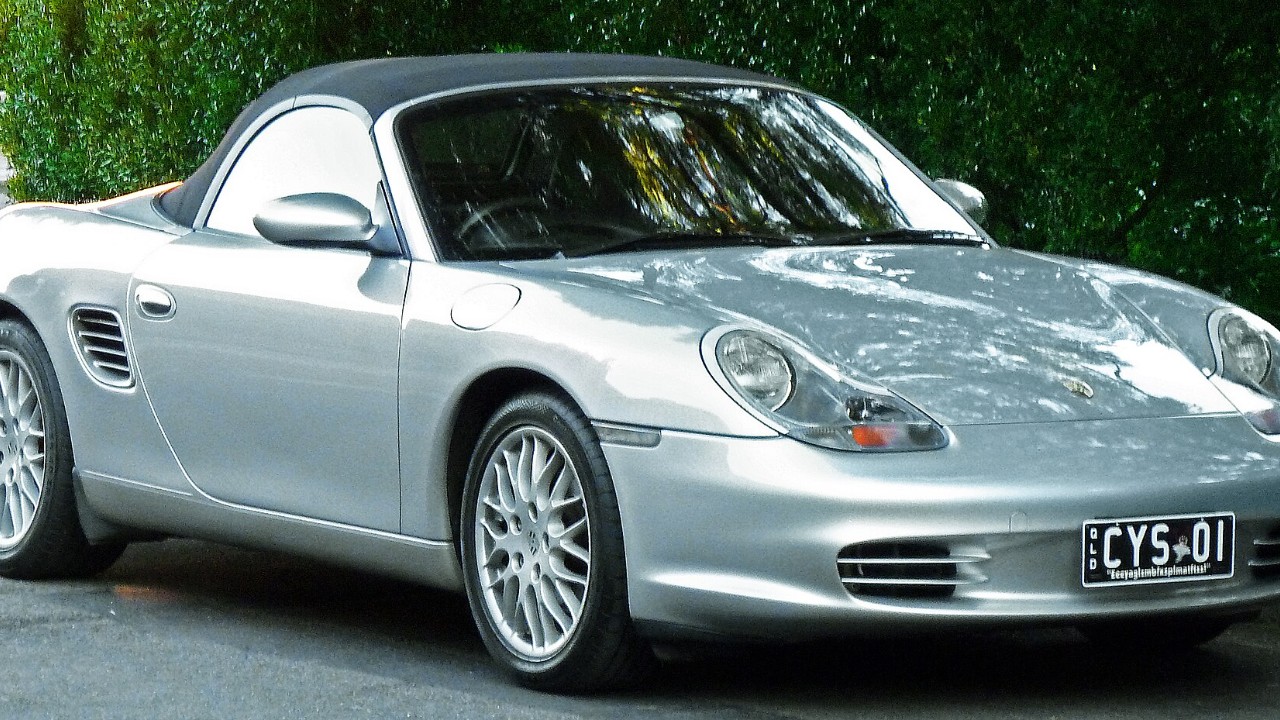
The Boxster used the same M96 engine family as the 996, so it shared the bearing too. According to Sports Car Market, the IMS class action against Porsche covered most 2001–2005 Boxsters along with the 911s, 57,929 cars in total. Porsche changed the bearing in mid-2005.
The settlement didn’t help everyone. Owners who bought used outside Porsche’s certified program got 25% of repair costs, and cars more than 10 years old got nothing. Today, every 2001–2005 Boxster is well past that age. That makes a documented IMS upgrade worth more than any shiny paint.
10. 2004–2008 Mazda RX-8
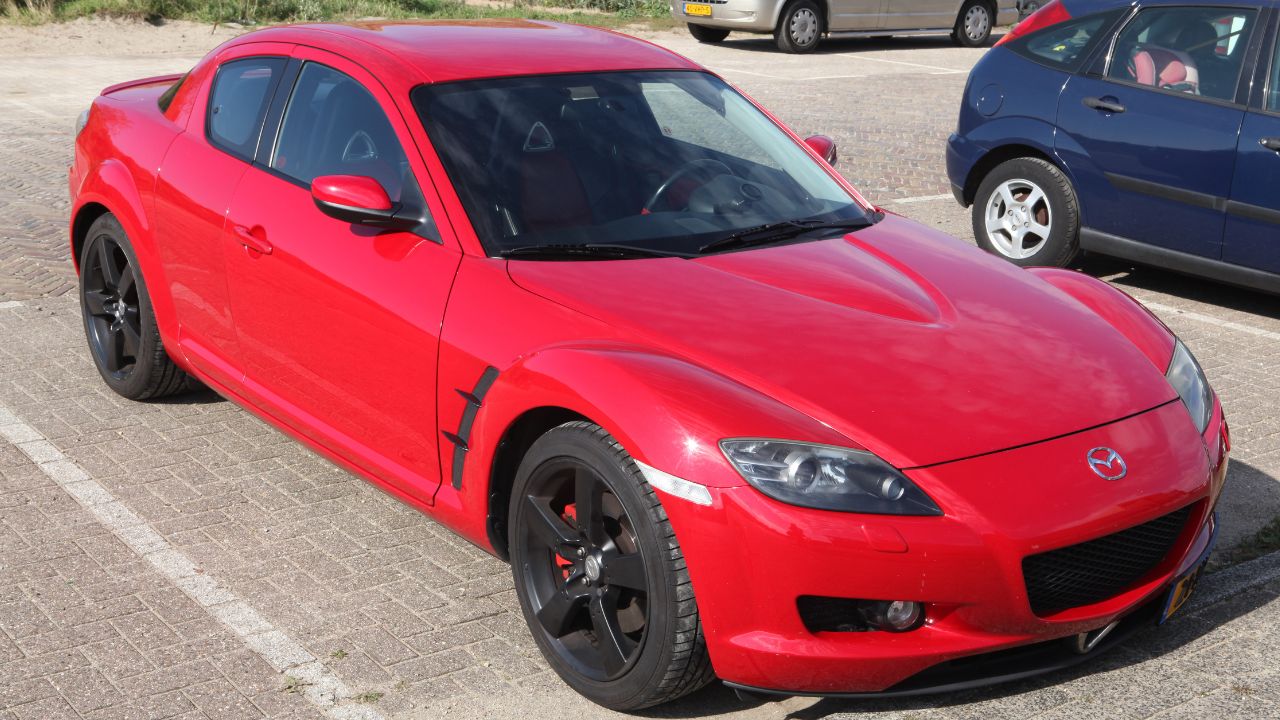
The RX-8’s 1.3-liter Renesis rotary made 238 horsepower in a 2004 manual car. However, Grassroots Motorsports’ buyer’s guide says early RX-8s had a number of engine-related problems. Racing Beat’s Jim Mederer calls the cooling system the car’s “Achilles heel” and reports frequent ignition coil failures.
Mazda responded by extending engine coverage to eight years or 100,000 miles for 2004–2008 cars in the U.S. Even so, Parkers’ verdict is blunt: unless you’re ready to become an RX-8 enthusiast, “the risk of one letting you down is high.” That warranty extension has long since expired on every one of them.
More from Fast Lane Only